• Skip to primary navigation
  • Skip to main content
independent left logo

Independent Left

Environmentalism, socialism, freedom and equality. #liveablecity

  • About
  • Featured Articles
    • How Farming Must Change to Save the Planet
    • The Housing Crisis: Causes and Solutions
    • Socialism in Ireland
  • Contact Us
  • Podcast
  • Animal Rights
  • Archive
    • Irish Socialist History
    • Dublin City Council Housing
    • Ukraine
    • Protests Ireland
    • Reviews
    • Irish Political Parties
    • All Posts
    • Independent Left Policies
  • Why join?

Commemorating the 1916 Easter Rising

02/03/2022 by Conor Kostick 1 Comment

Ireland’s 1916 Easter Rising: commemorating revolution

Commemorations of Ireland’s revolutionary years have been underway since 2016. In 2016, the Easter Rising was celebrated by the people of Ireland as having been essential to the establishment of the Irish Republic. Quite rightly, the events of 24 April 1916, Easter Monday, were seen as being a pivotal moment. Every primary school was sent a flag to raise in memory of the uprising. It is worth saying a something more about this last initiative.


The Irish army, Óglaigh na hÉireann, arranged for a team to visit each school and an officer read aloud the famous Proclamation and presented a pack to the school. This process culminated in Proclamation Day on 15th March 2016, where every school held a special ceremony to raise the National Flag and read the 1916 Proclamation. These are potent messages to the young.


Take the Irish flag: the green, white and orange tricolor. Designed in the spirit of revolutionary France, with a symbolism to embrace the whole country (green for Catholicism, orange for Protestantism, white for peace and unity), from its creation in the mid nineteenth century this flag was banned by the Imperial authorities. It was first flown over a public building when the rebels of 1916 raised it over their headquarters at the General Post Office, Dublin as an act of defiance.


Or the Proclamation. As revolutionary documents go, the Irish Proclamation of 1916 compares well with its antecedents from the US, France and from earlier republican movements in Ireland. It is a beautifully composed and spirited declaration of the rights of the Irish people. For its time, it was a strikingly modern rallying cry, particularly in its care to speak of Irishmen AND Irishwomen throughout. Had the rebels won in 1916, Ireland would have been one of the first countries in the world to grant women the vote.


Among other ringing phrases our children listened to are these:

‘We declare the right of the people of Ireland to the ownership of Ireland and to the unfettered control of Irish destinies to be sovereign and indefeasible. The long usurpation of that right by a foreign people and government has not extinguished the right, nor can it ever be extinguished except by the destruction of the Irish people.’

And:

‘The Republic guarantees religious and civil liberty, equal rights and equal opportunities to all its citizens, and declares its resolve to pursue the happiness and prosperity of the whole nation and of all its parts, cherishing all the children of the nation equally and oblivious of the differences carefully fostered by an alien government, which have divided a minority from the majority in the past.’

We can hear in this declaration that the voice of the 1916 rebels was not an exclusively Catholic one, but rather that they aspired to create a new nation in which there was no discrimination on the grounds of religion. The rebels’ reaction to centuries of oppression meted out against Catholics was not to demand retribution against Protestants but simply a society that was no longer divided by religion.

Class Society and the Easter Rising


The radicalism of the events of that era is not something that Fine Gael wanted to highlight, but they were overtaken by the sentiments of the mass of the population. That the country embraced the rebellion of 1916 is a source of discomfort to those at the top of Irish society.

In order to understand the insurrection of 1916 and the importance of the preservation of its memory in the heritage of the country, it’s helpful to distinguish four distinct social groupings of the early twentieth century, four classes that can be identified by their political outlook.


At the top of Irish society around 1900 were a small number of elite men who were entirely in favour of Empire. These men were not just the heads of the military and the civil service but also the large landowners, the heads of the railways, breweries, cattle and pig exporters and – in the north – the owners of the shipbuilding and engineering factories. Overwhelmingly, these men and their families were Protestant and (with some notable exceptions) their politics saw them as the staunchest supporters of the union of Britain and Ireland.


Below these figures were conservative Irish nationalists. Predominantly businessmen who benefited from Ireland’s access to the markets of the Empire, especially middle-to-large farmers, this large body of Catholics wanted far greater control over Irish affairs than was allowed them by Dublin Castle. They resented the petty prejudice that ensured they never obtained senior positions in the colonial administration and they smarted at the fact that a ruinous economic decision could be made in London with no regard for their interests. These nationalists wanted change. But gradual change. Change negotiated in tea rooms by reasonable men of sturdy girth and with gold watches in their waistcoats. Not change brought about by men and women on the streets with guns in their hands.


Speaking of whom, a third important social grouping was that created by middle class urban intellectuals. It was this class which provided the leadership of the Volunteers, the main fighting force of the Easter Rising. A quick look at the backgrounds of some of the men who were executed after the insurrection makes this very clear. Patrick Pearse was the son of an artisan stoneworker and founded two schools which he directed, he was also a poet; Willie Pearse, Patrick’s brother, was a teacher and sculptor; Miceál Ua hAnnracáin (Michael O’Hanrahan) was the son of a skilled corkcutter, who went on to be a full time revolutionary for several organisations, he was also a novelist; Thomas MacDonagh was a teacher and dramatist; Éamonn Ceannt a musician and accountant with local government; Tom Clarke was a shopkeeper and author of a memorable account of prison life; Sean MacDairmada a tram conductor and full time organizer for the Irish Republican Brotherhood and Seán Heuston a railway clerk.


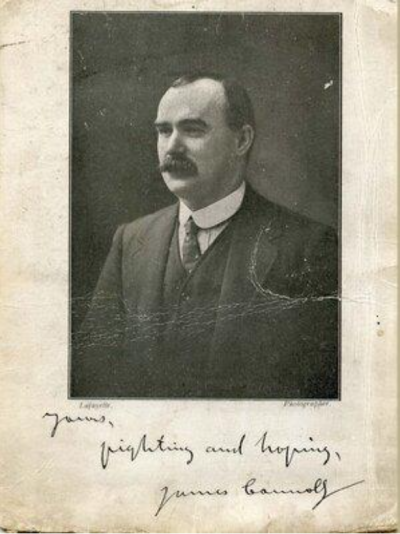
Then there was James Connolly. Connolly was of a slightly different background to his fellow rebels, being born of manual working class parents. He was no less an intellectual, however, despite having left school at ten. Through his own diligence and with the assistance of socialist educators, Connolly became a master polemicist, satirist and historian. Connolly represents the fourth social class of relevance here, the Irish working class.


In the early twentieth century Ireland seemed to be heading towards a significant reform in governance, as unionist hegemony had been steadily undermined by the political progress of the conservative Catholic nationalists. Once the various factions of the Catholic upper class had united their political voice in the Irish Parliamentary Party (IPP) – led by John Redmond from its foundation in 1900 – it seemed only a matter of time before some concessions were made to their demands for increased autonomy for Ireland.

Even the other nationalist inclined social forces, the urban middle class and working class, accepted that the IPP would be the leading power in an Ireland with ‘Home Rule’. This was especially the case after the great lockout of 1913 saw the defeat of Dublin’s workers at the hands of an alliance of imperial authority and IPP determination to crush one of the world’s most militant syndicalist trade unions, the Irish Transport and General Workers Union.

Yet the steady progress of the IPP was dramatically blocked on the outbreak of the Great War in 1914. Suddenly, the opinion among Britain’s rulers hardened. There could be no talk of allowing self-government for Ireland in this crisis. Indeed, a strict line was needed to ensure Ireland made its full contribution to the war effort, both in terms of economic assistance and the contribution of hundreds of thousands men to the army.

How should Irish nationalists respond to the Great War? Following the logic that a gradual and negotiated introduction of Home Rule was possible for Ireland, John Redmond committed the IPP to Britain’s war effort. This meant his face appearing on posters all over the country, urging Irishmen to join the British army and fight in the war. Some 75,000 men followed this political lead in the first year of fighting. By the end of the war, as many as 40,000 Irishmen had died in the conflict.

It is worth pausing for a moment and dwelling on this figure in the light of the claim by critics that the 1916 Rising was deliberate attempt to cause mayhem and bloodshed. Those determined to condemn the violence of the rebels are almost always hypocrites. Modern day equivalents of John Redmond, they make no mention of the grim fact of these tens of thousands of unnecessary deaths. To put the figures in perspective, around 500 people died in the fighting of Easter Week. Every violent death is a tragedy, but one cannot claim that the IPP were the moderate, non-violent party in 1916. Their responsibility for violent deaths was a hundred times greater than that of those who rose in rebellion.

As the war continued, the IPP found themselves on a roller coaster ride, heading towards their own destruction. The British War Cabinet paid little attention to the desires of the Irish upper classes during this emergency. Conscription was introduced into England, Wales and Scotland in March 1916, with the generals in the Cabinet objecting to the exclusion of Ireland. It was only a matter of time until Irishmen would be forced from their homes and into the trenches. As for giving Ireland any kind of increased political autonomy, that was quite out of the question.

Consequently, there were signs of a shift in support from the IPP towards the radicals, although it was far from the case that in 1916 a majority of the country were convinced of the necessity of rebellion. Ten months after the Irish insurrection, the February revolution in Russia triggered a huge anti-war response in Europe and this – or the extension of conscription to Ireland – would have been a much more favourable context for an Irish insurrection.

Certainly in 1916, a sizeable section of the urban middle class were utterly disaffected with British rule (naturally), but also with the policy of the IPP. A funeral of a rebel from the last attempt to rise up against the empire, the Fenian revolt of 1867, was a chance to test the mood on 1 August 1915. At the graveside of O’Donnavan Rossa, Patrick Pearse gave an oration that concluded: ‘they think that they have pacified Ireland… but the fools, the fools, the fools! – they have left us our Fenian dead, and while Ireland holds these graves, Ireland unfree shall never be at peace.’

A portion too of the working class were ready to fight both the Empire and their local exploiters with arms in hand. But having been thrown back in 1913 from their great heights of confidence, solidarity and organization, the majority of trade unionists were bitter rather than militant. Only a minority close to James Connolly and organized in the socialist Irish Citizen’s Army believed in the possibility of defeating the scant British forces that remained in Ireland.

It was these two layers of Irish society who united in insurrection in 1916.

Commemorating the 1916 Easter Rising involved events at Liberty Hall, the building that replaced the former headquarters of the Irish Citizen Army
The Citizen Army played a key role in the 1916 Easter Rising

The Events of the 1916 Easter Rising

On Easter Monday, 1916, at around 11am teenager Willie Oman sounded his bugle for the muster of the rebels outside of Liberty Hall in Dublin. Approximately 400 people were present and another 1,000 people mobilized elsewhere in Dublin. Most had come via the Irish Volunteers, an unofficial Irish army established by men who had invested their own funds and time in its creation. The Irish Republican Brotherhood (IRB) had provided the backbone of the Volunteer force and the members of this secret oath-bound society turned out in force. Hundreds of women were present, either as Cumann na mBan members (auxiliaries to the Volunteers), or as combatants in the Irish Citizens Army, which was around 200 strong.

The overall rebel fighting force was far weaker than had been planned for by the leaders of the insurrection. On paper, the Volunteers were 15,000 strong: a force that if fully armed, had the potential to defeat the British troops in Ireland. But with just two days to go, on the evening of Friday 21 April, the forces of the rebellion were thrown into disarray by a disastrous mishap.

Having successfully negotiated a shipment of arms from Germany (via their envoy Roger Casement), the IRB arranged for communications with the ship to be established by wireless expert Con Keating from Dublin. Tragically for them personally and for the fate of the Rising, the driver of their car made a mistake and took a wrong turn. Instead of racing along the coastal road to the rendezvous, the car hurtled up a route that turned out to be a pier and crashed into Castlemaine harbour at Ballykissane. Keating and two other IRB men from Dublin were drowned. The next day, two British sloops had arrived to capture the German ship (the Aud). It’s captain, Karl Spindler scuttled her, rather than let his cargo fall into British hands.

This failure to land the weapons in the Aud had severe repercussions for the rebellion. Firstly, it meant that in the main towns of Ireland, where Volunteers had mobilized expecting a delivery of rifles, there was demoralization and confusion. Dublin Volunteers were relatively well armed, but the rest of the country desperately needed weapons. Secondly, many of the Volunteer leadership no longer believed an uprising could win and in particular this was true of the leader of the Irish Volunteers, academic Eoin MacNeill. MacNeill was not a member of the IRB and was shocked to find how many of the Volunteer leadership were moving towards a Rising without his agreement.

Vacillating over whether to agree to the rebellion or not, the loss of the arms convinced MacNeill that he must try to halt the undertaking. On the Sunday morning that the rebellion was due to begin, the newspapers carried his personal ‘countermanding order’, calling off all manoeuvers for that day. The IRB, now including James Connolly, then met and attempted to get around MacNeill by putting everything back a day and sending out their messages to mobilise. But a great deal of damage had been done.
In the end, despite the difficulties and the now long odds, the rebels – both leaders and activists – felt it better to fight than to have the movement die with a whimper. If the IPP could pour scorn on a botched revolt, the radical tradition might never recover from the claim that they were all full of empty bravado. So they marched out to declare the Irish Republic.

In the course of a week of fighting, the rebels did surprisingly well. When it came to street battles with the British Army, they could give as good as they got. Indeed, at Mount Street bridge, poor tactics from the British officers meant that just seventeen rebels could inflict over 200 casualties, killed or wounded, on the British soldiers. The rebels had no answer, however, to the use of artillery by the British and their last outposts surrendered on Sunday 30 April.

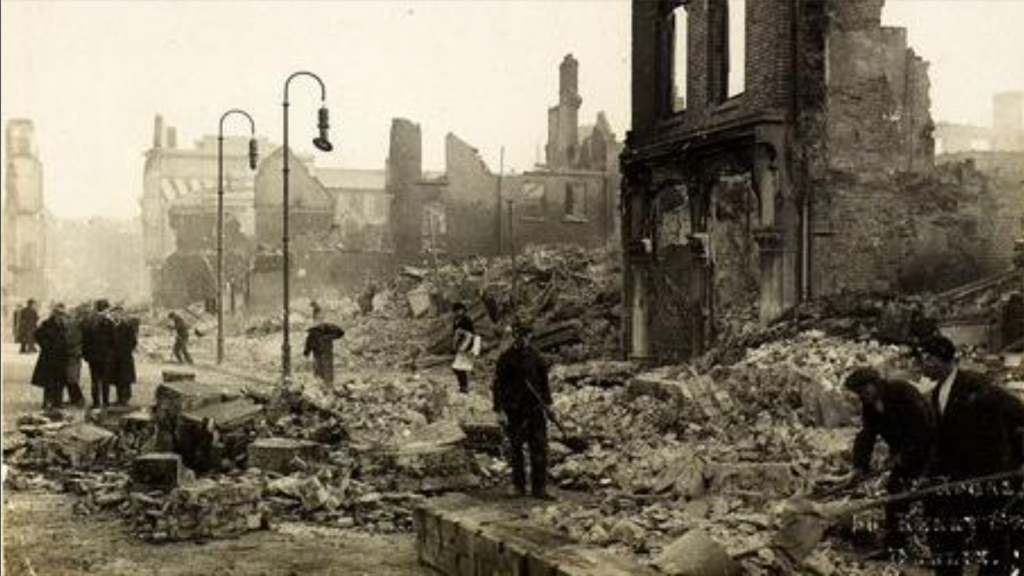
Despite the damage caused to Dublin city centre, in 2016 people turned out in thousands commemorating the 1916 Easter Rising
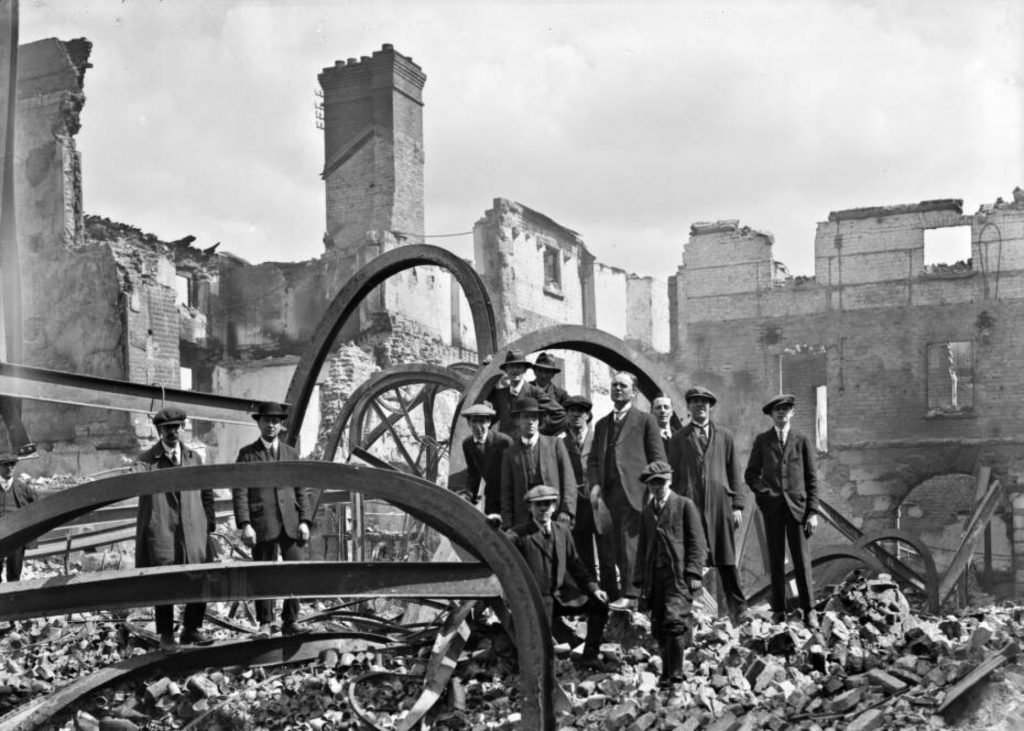
Spectators view the ruins of Hugh Moore’s Linen Hall after the 1916 Easter Rising, now the School of Architecture, DIT.

If the Easter Rising was a defeat for Irish nationalism, then why is it celebrated as Ireland’s national day? Most countries prefer to highlight a triumph, such as the signing of an auspicious document or the successful storming of a palace or prison. Here, the answer is that although the insurrection was crushed, with hindsight it can be seen to be the key turning point in the eventual establishment of an Irish Republic.

By 1918, with the attempt by Britain to introduce conscription and after two more years of war and declining living standards, the vast majority of people came to see the rebel leaders as having been right. Suddenly, the tide flowed away from the IPP, leaving both the Imperial administration and Ireland’s upper classes stranded.

Popular boycotts, a mass working class movement, soviets, general strikes and a guerrilla campaign undermined the ability of Britain to govern the country. By July 1921, British rulers understood that they had to retreat (although a few, such as General Macready, advocated a thorough re-invasion of Ireland with 100,000 troops). And in 1922 a treaty was agreed that gave 26 counties of Ireland a limited form of independence. This treaty split the nationalist movement and a cruel civil war took place over it. The Irish elite rallied heavily to the treaty and their resources ensured that after a brief moment where matters hung in the balance, the pro-treaty side were victorious.

The Ireland that was born in 1923 was truncated and far from fully independent. Gradually, over the years, the country was able to push back the remaining features of Empire, with the process not complete until after the Second World War. So there is no one moment that captures the celebratory feeling of national freedom. Instead, the rebellion that began the process is the focus of national enthusiasm for the fact that the country escaped the British empire.

The original 1916 commemoration video that Fine Gael tried to hide.

Unfortunately for Fine Gael and the inheritors of John Redmond’s political tradition, the period of anniversaries occured in a context that meant the insubordinate, revolutionary spirit of 1916 was not be buried under insipid rituals and empty media production. The insipid promotional video that highlighted the visit of the Queen of England to Ireland and didn’t mention the Easter Rising was ignominiously withdrawn and there was an attempt made to delete it everywhere. Fortunately, someone had already saved it to YouTube so you can see for yourself how cringeworthy and lacking in spirit the production was.

The 2016 commemorations took place in the aftermath of terrible recession where the majority of people in the country experienced a drop in income. For many this meant crossing a tipping point into homelessness. The hated water tax was still a live issue and millions of us were wondering why we should be made to pay for the collapse of banks that were in private hands. Also, there was and remains a sense here that the old goals of empire are still in play around the world, especially in the Middle East.
What this means for the commemoration of 1916 and those to come is that there is an edginess to the events: an extra emphasis on the anti-imperial message; a demand by women that their involvement in the rebellion be recognized and the emancipatory goals of 1916 be realised today; an appreciation by workers of the importance of James Connolly to the Rising. The government wanted the year 2016 to be a year of reconciliation between Ireland’s social classes and between Ireland and the UK. Instead, it was a year of celebration of revolt.

Filed Under: Irish Socialist History

March for Climate Justice

02/12/2021 by admin Leave a Comment

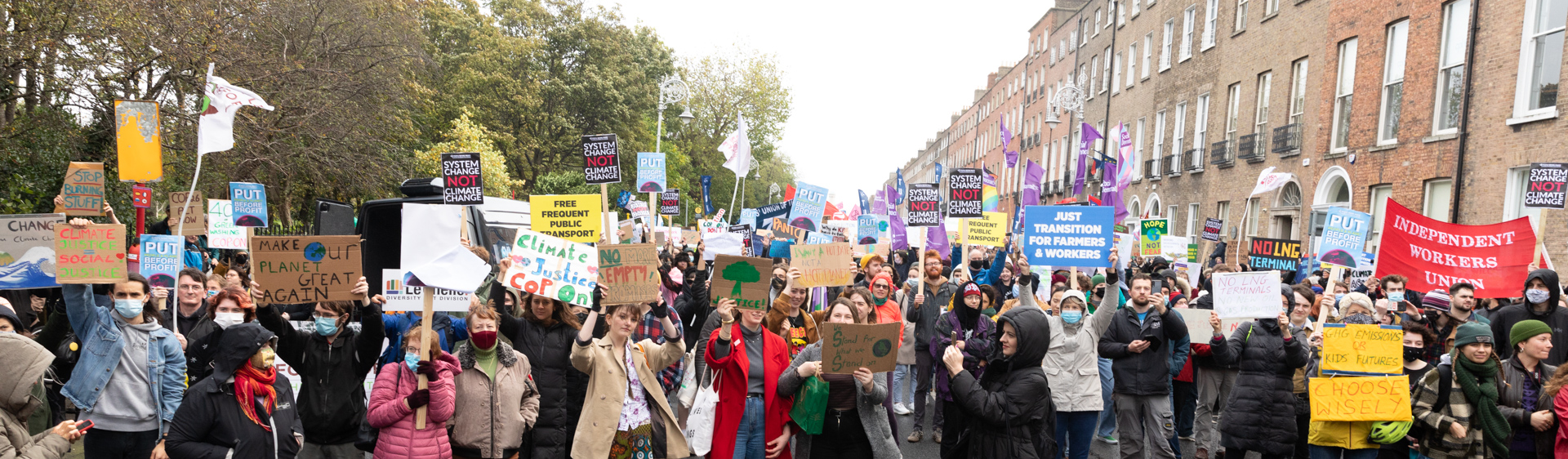
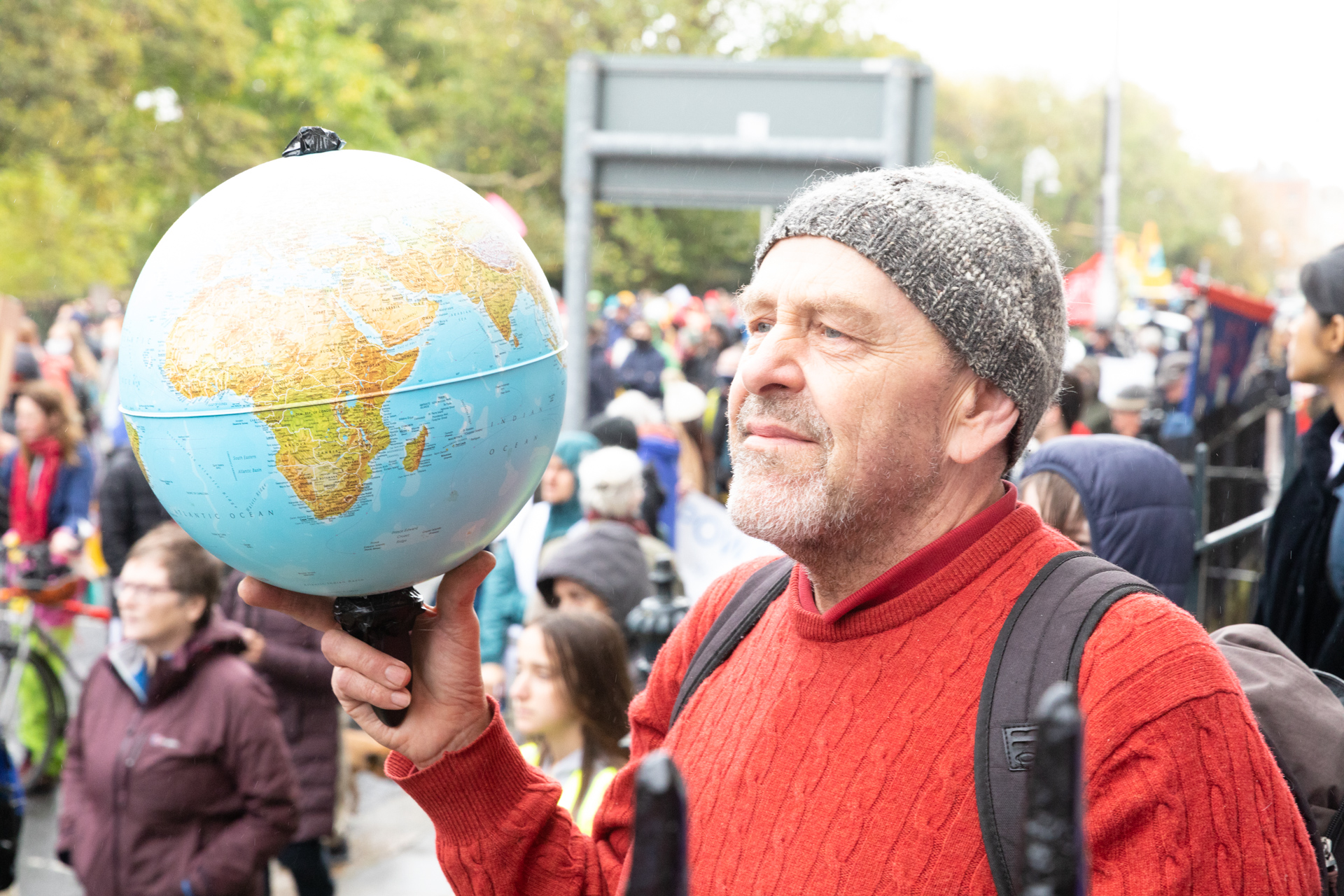
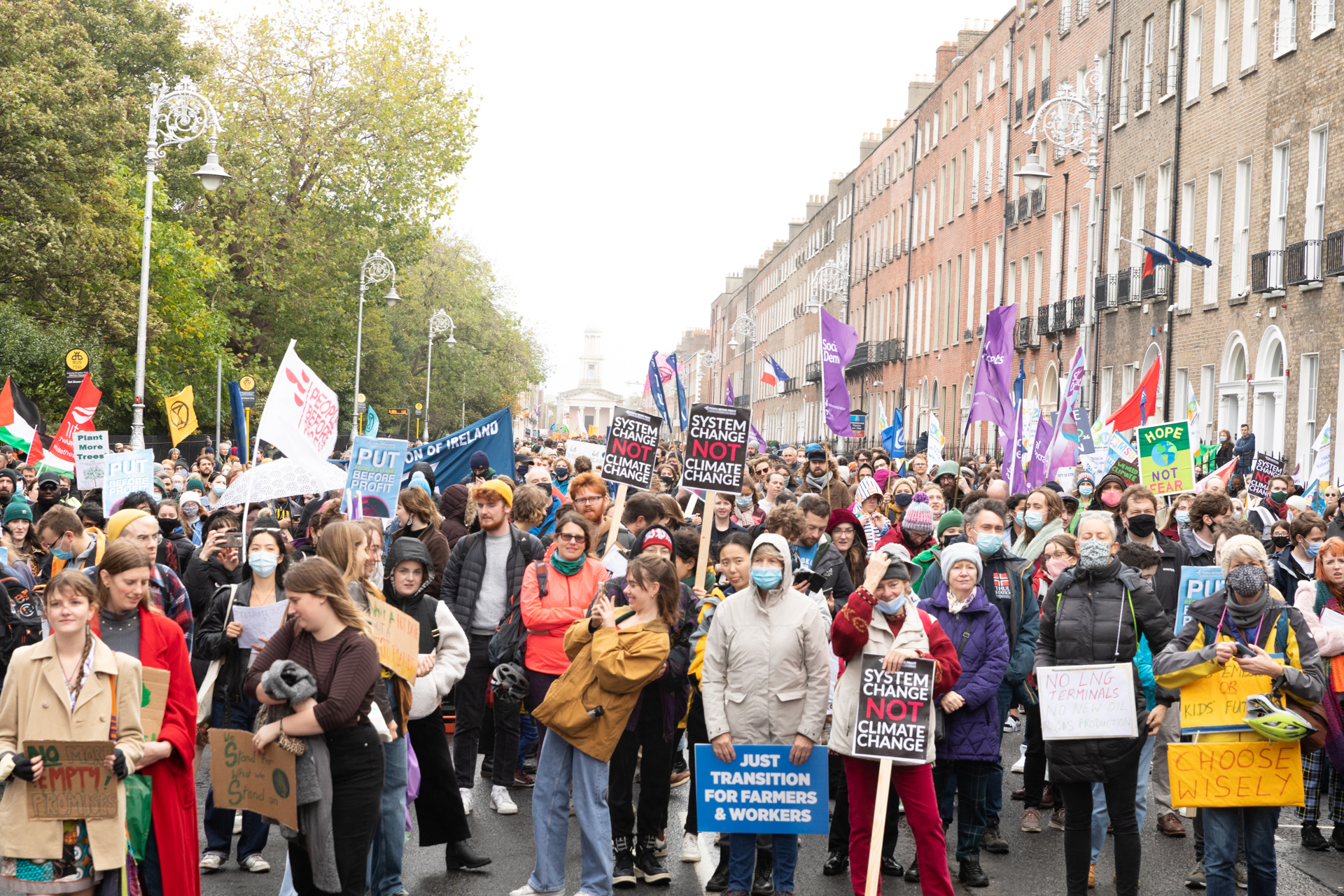
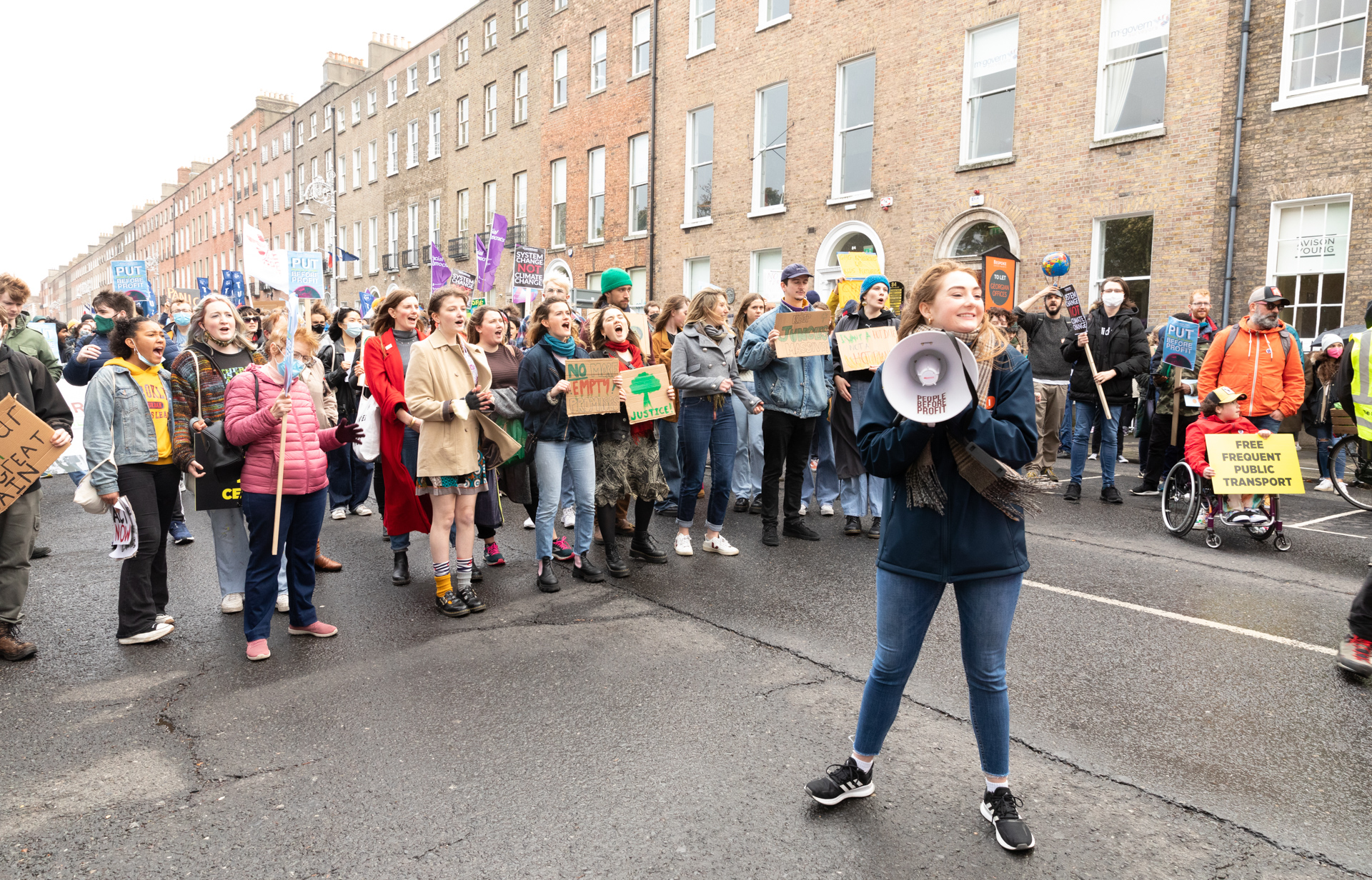
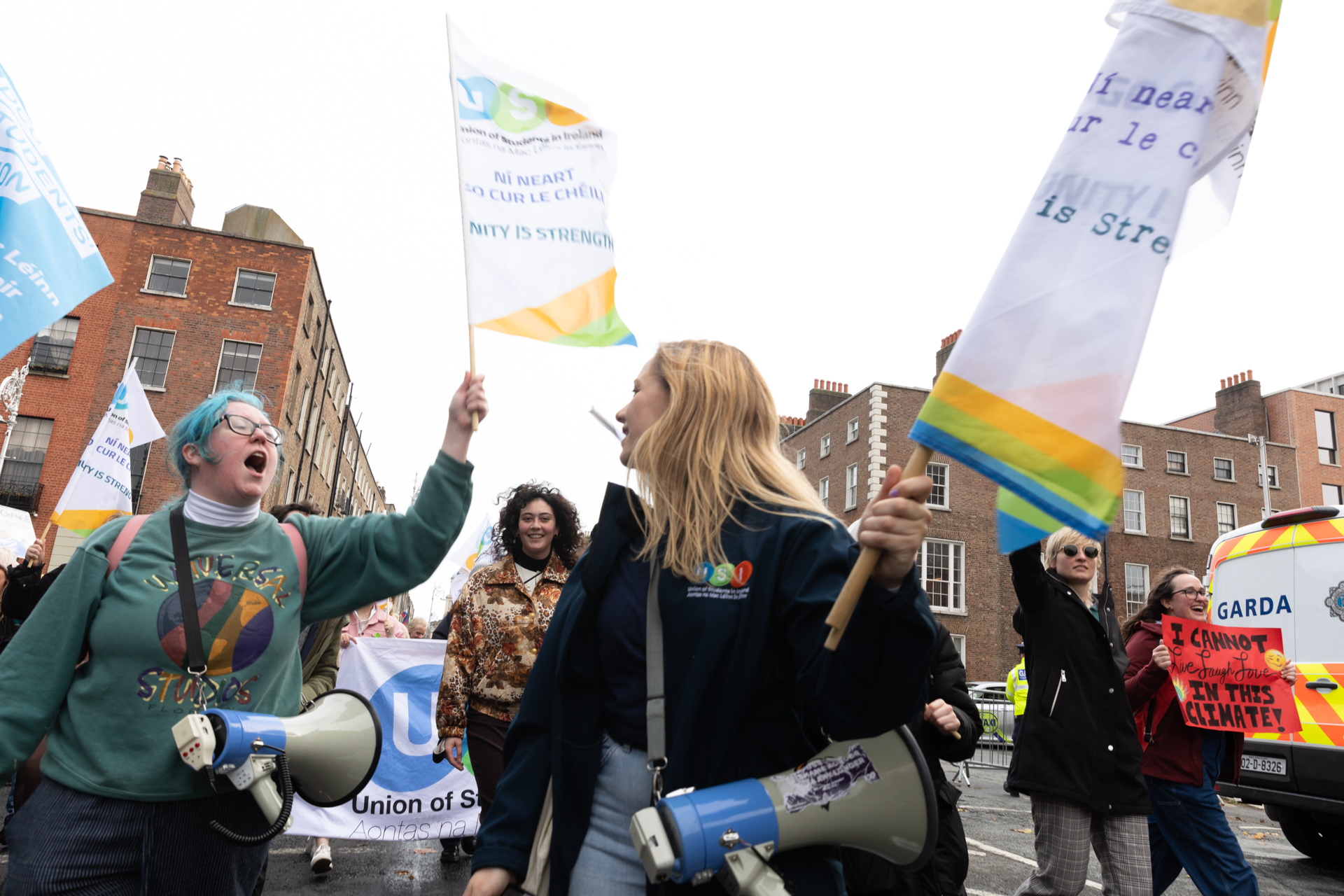
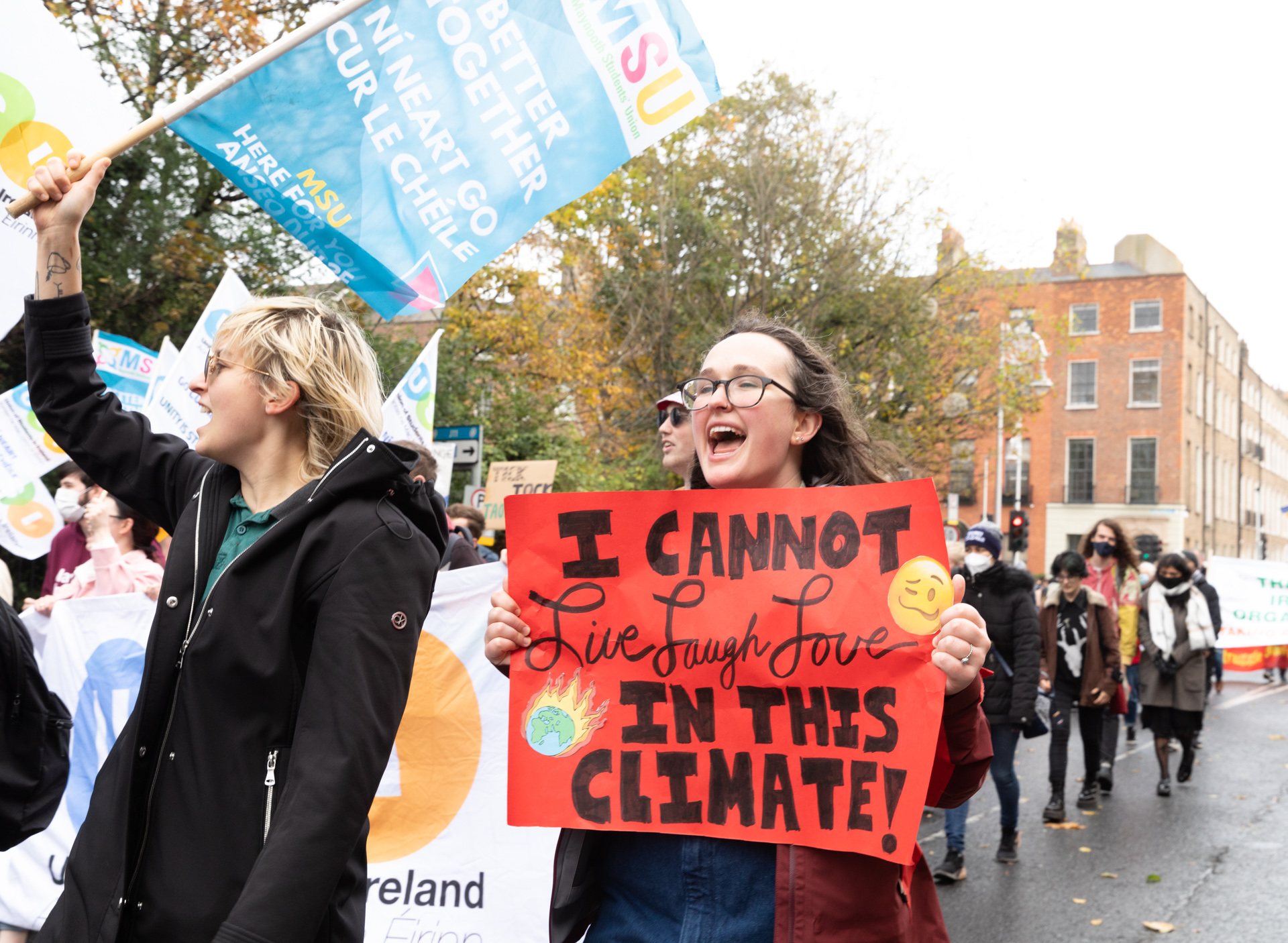
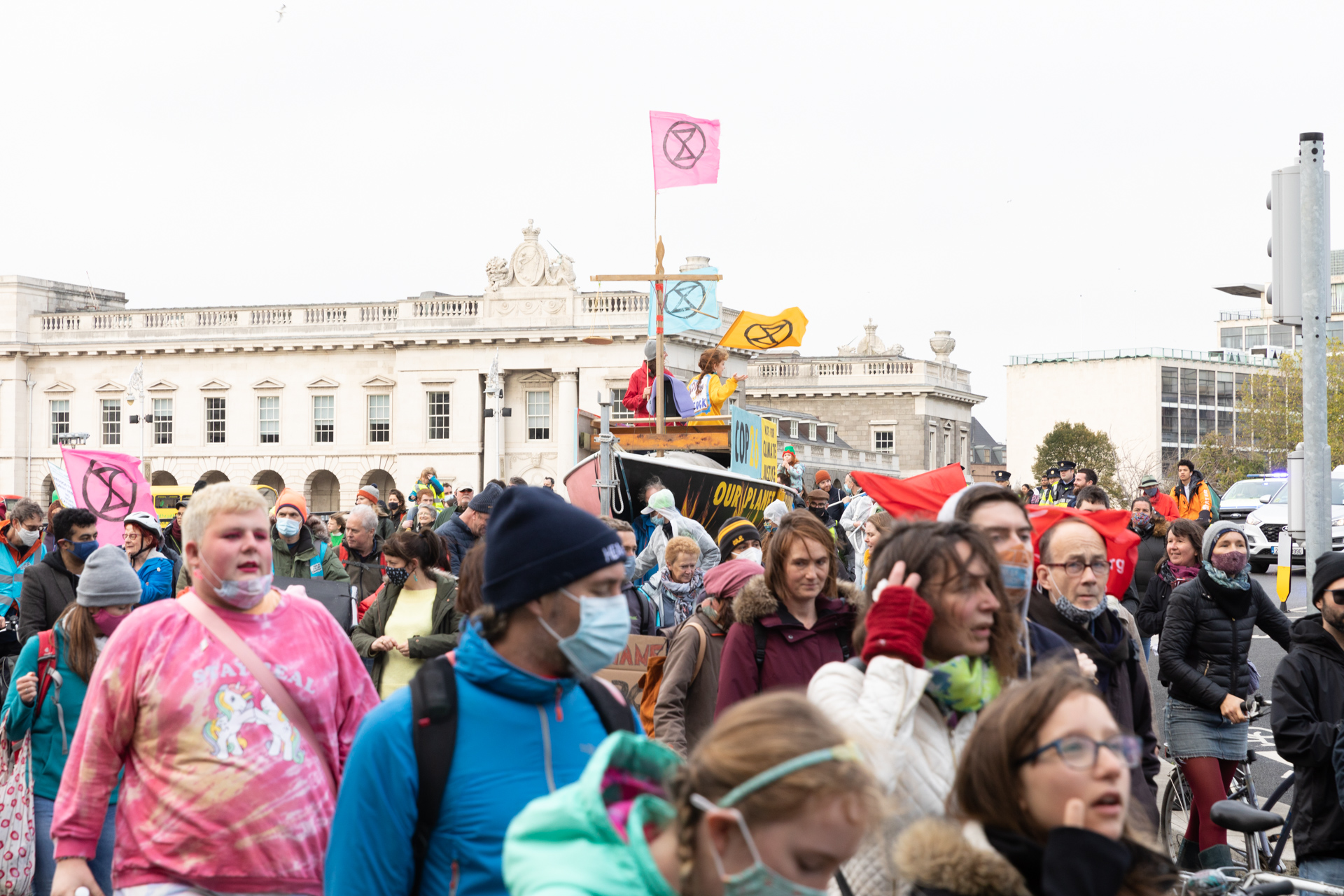
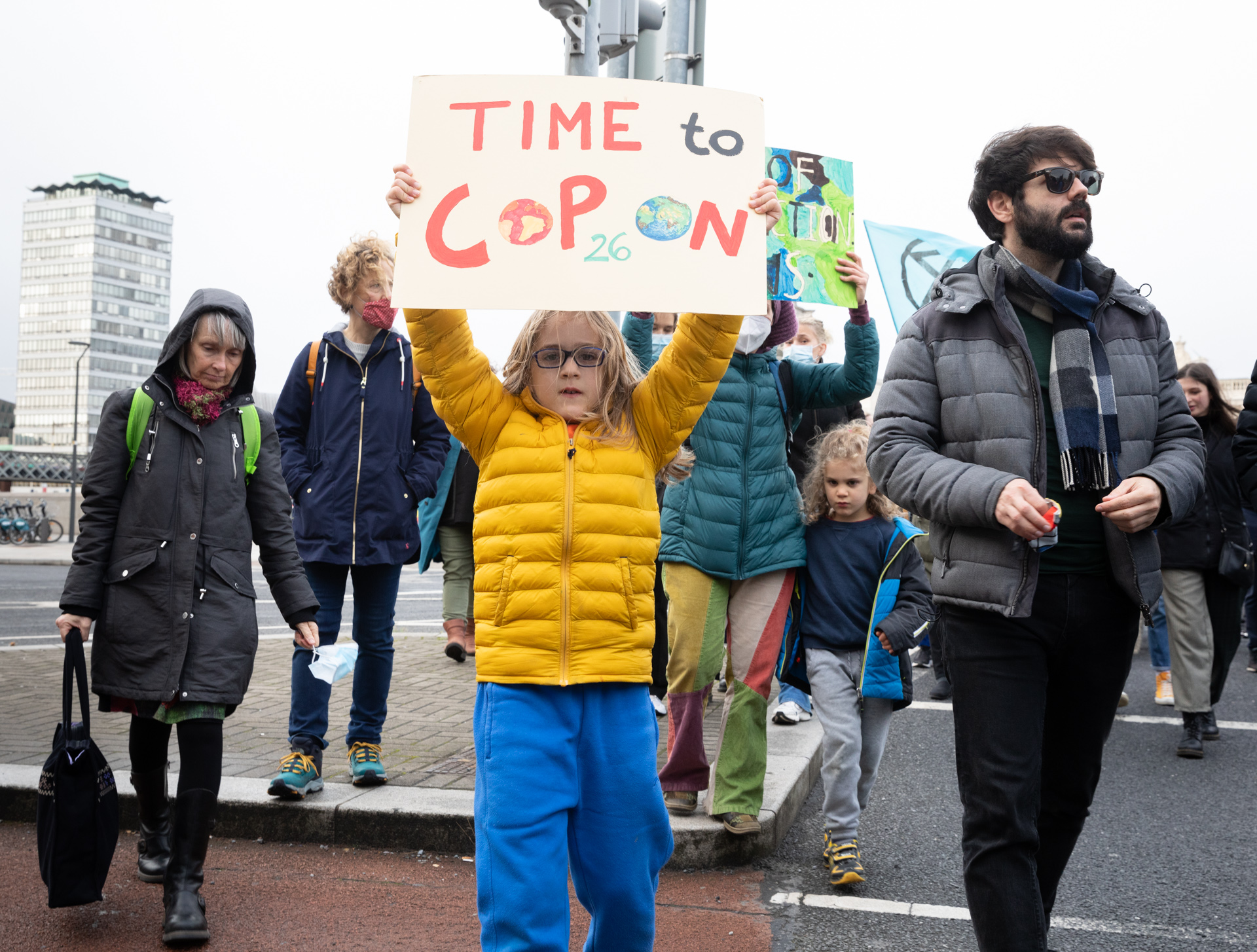
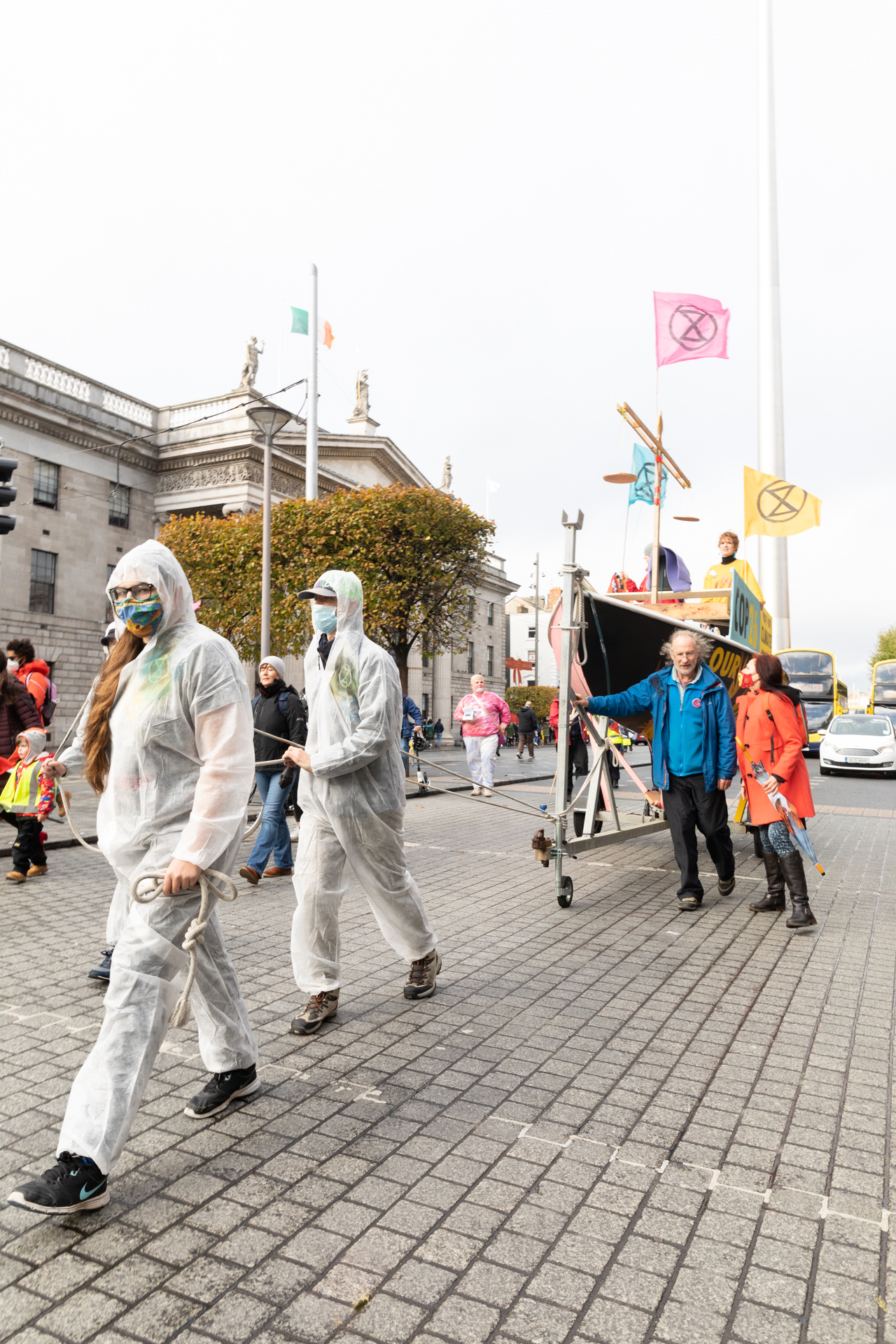
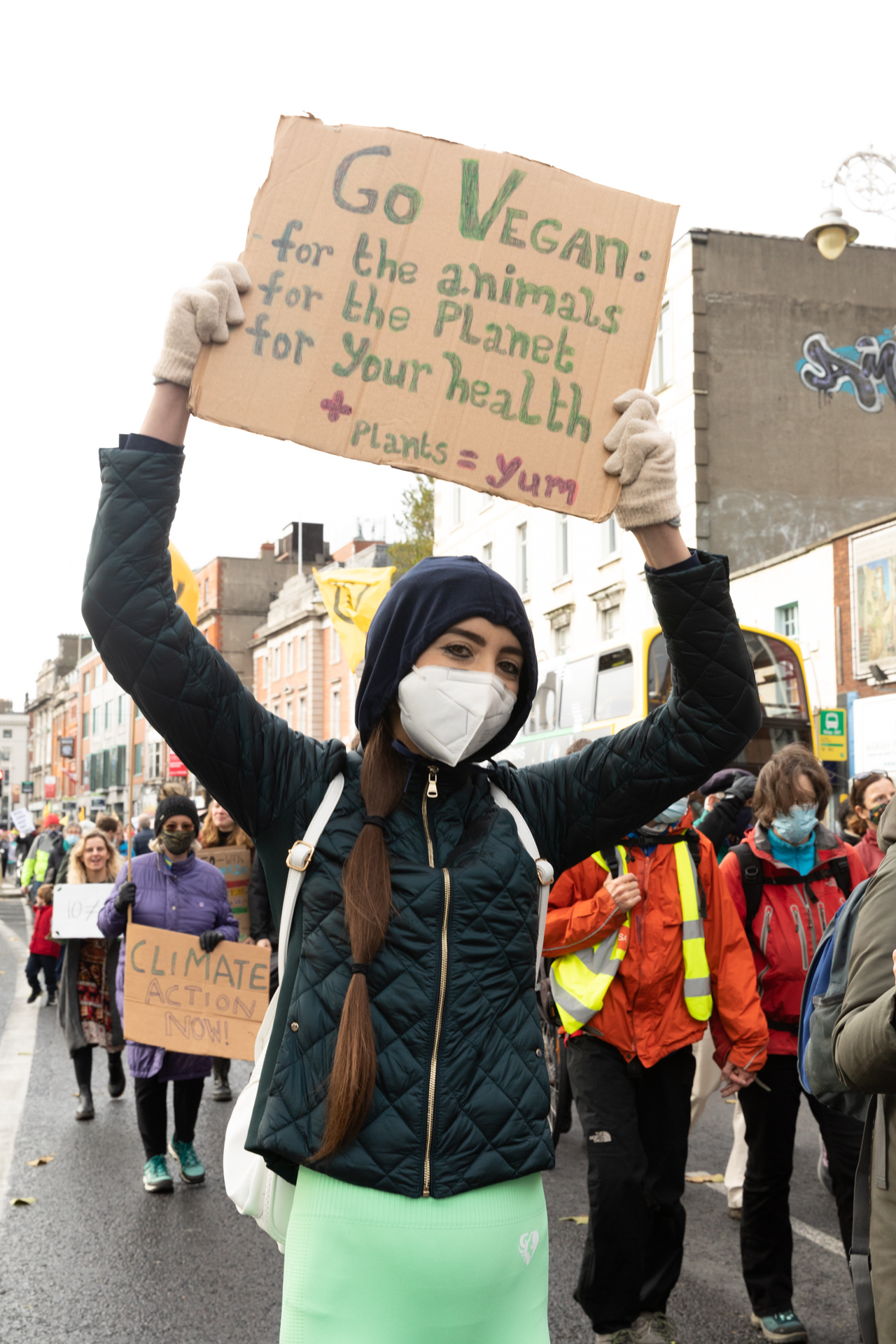
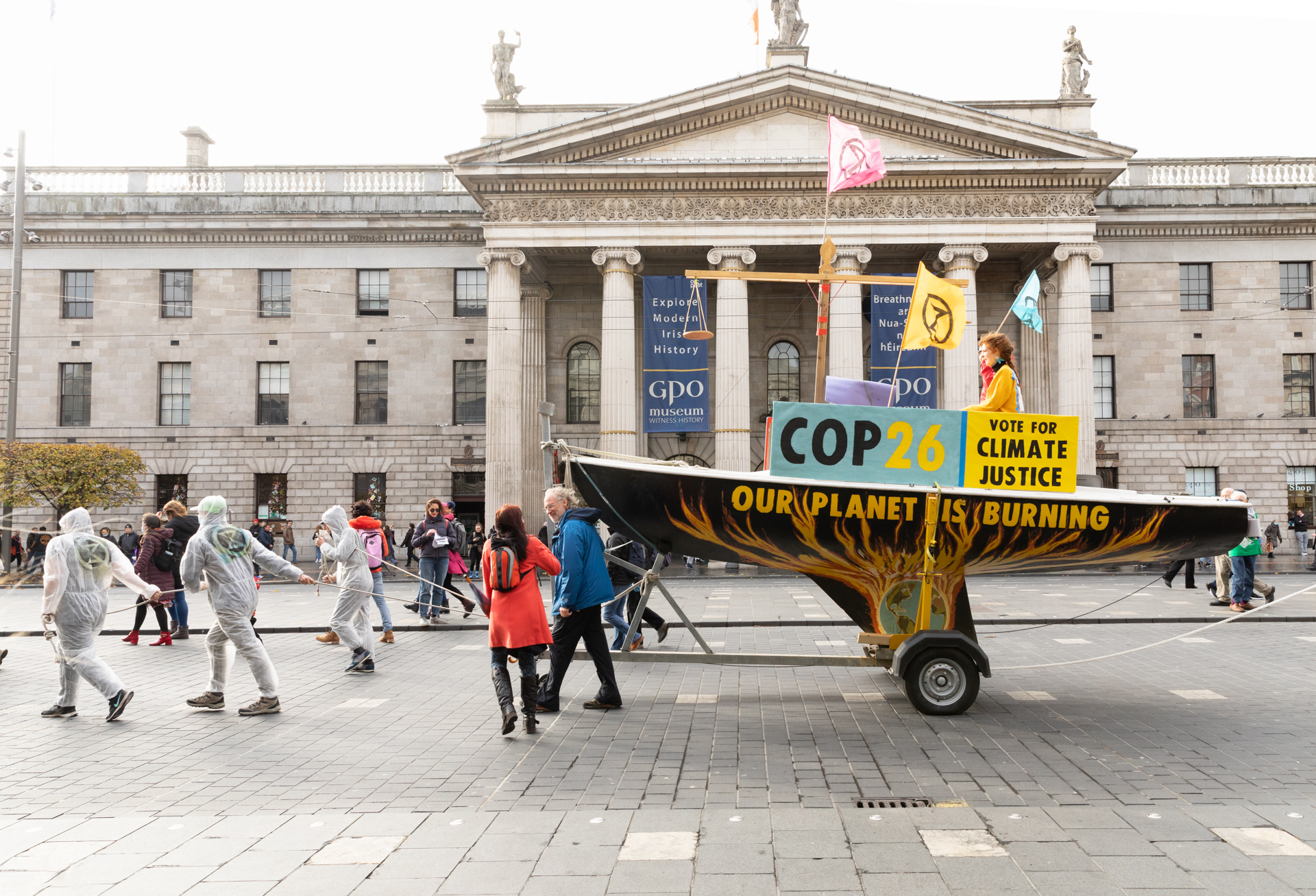
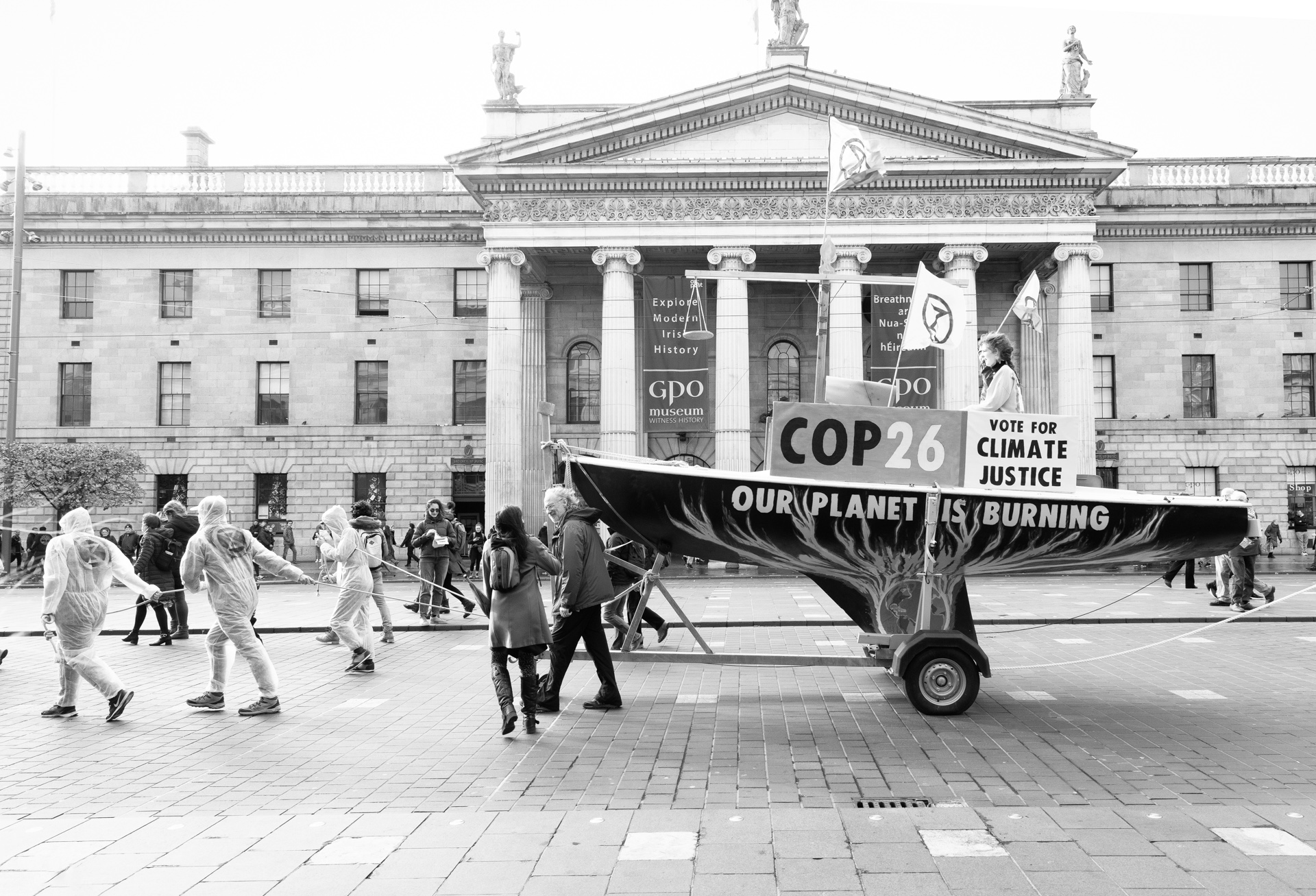
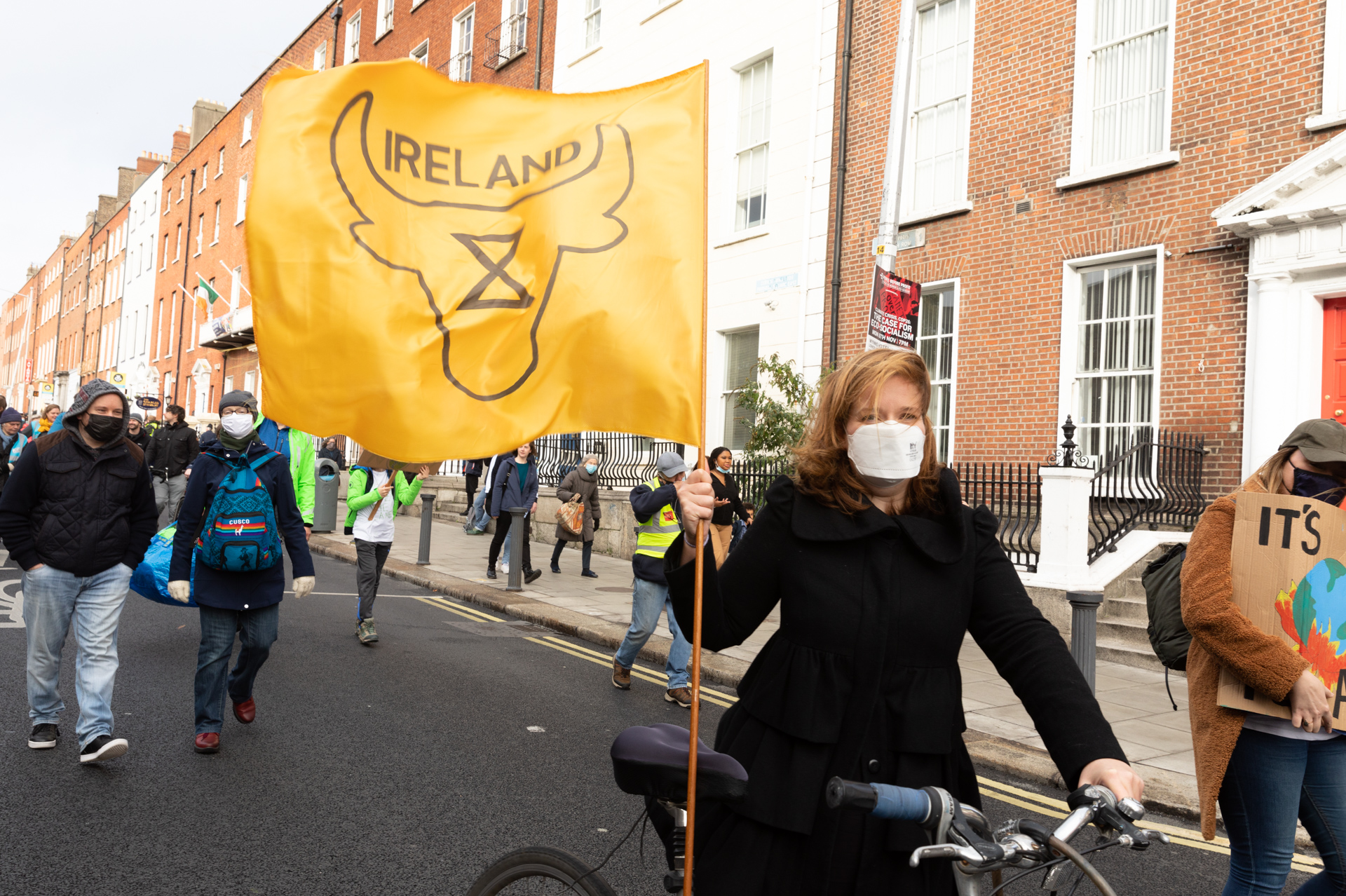
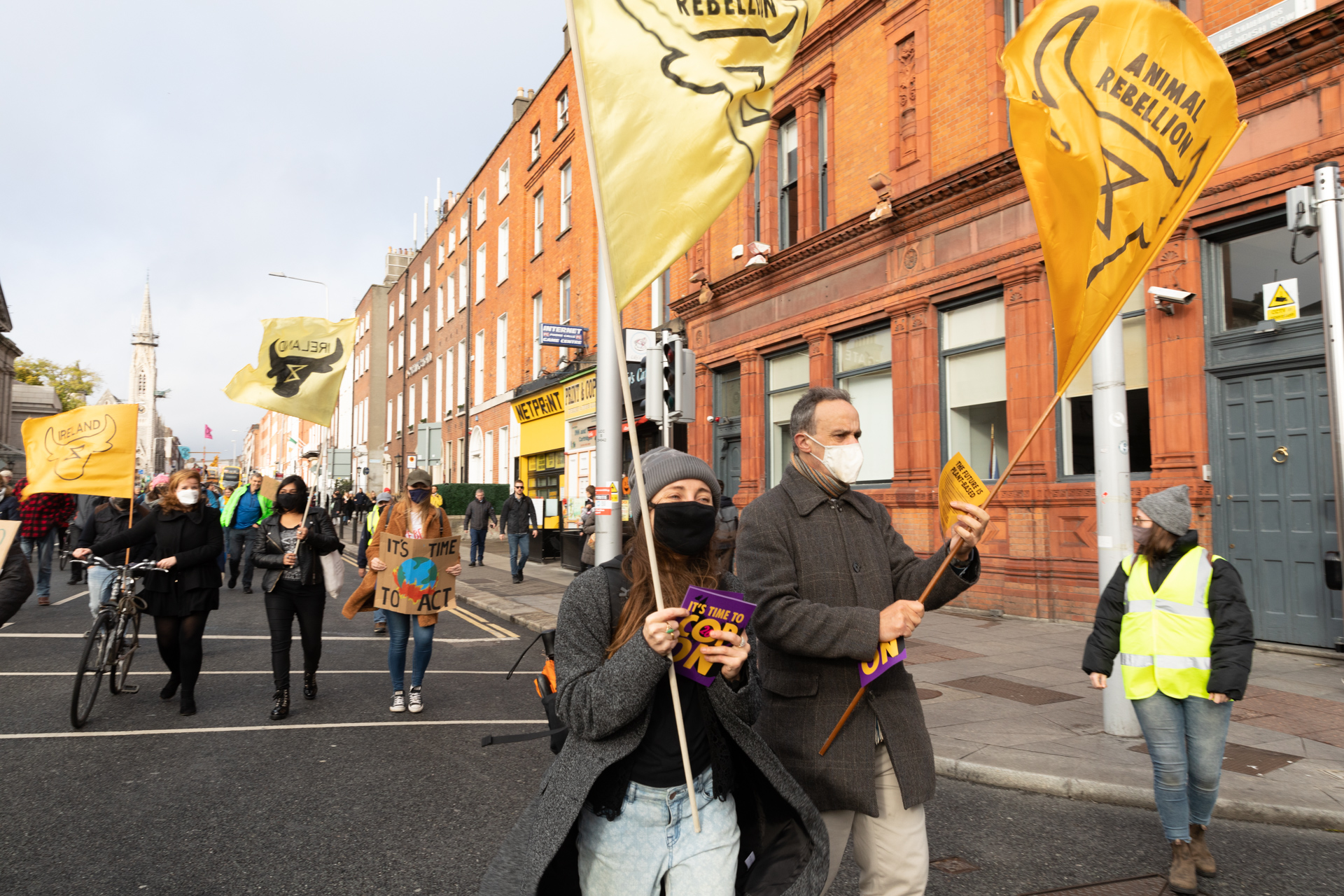
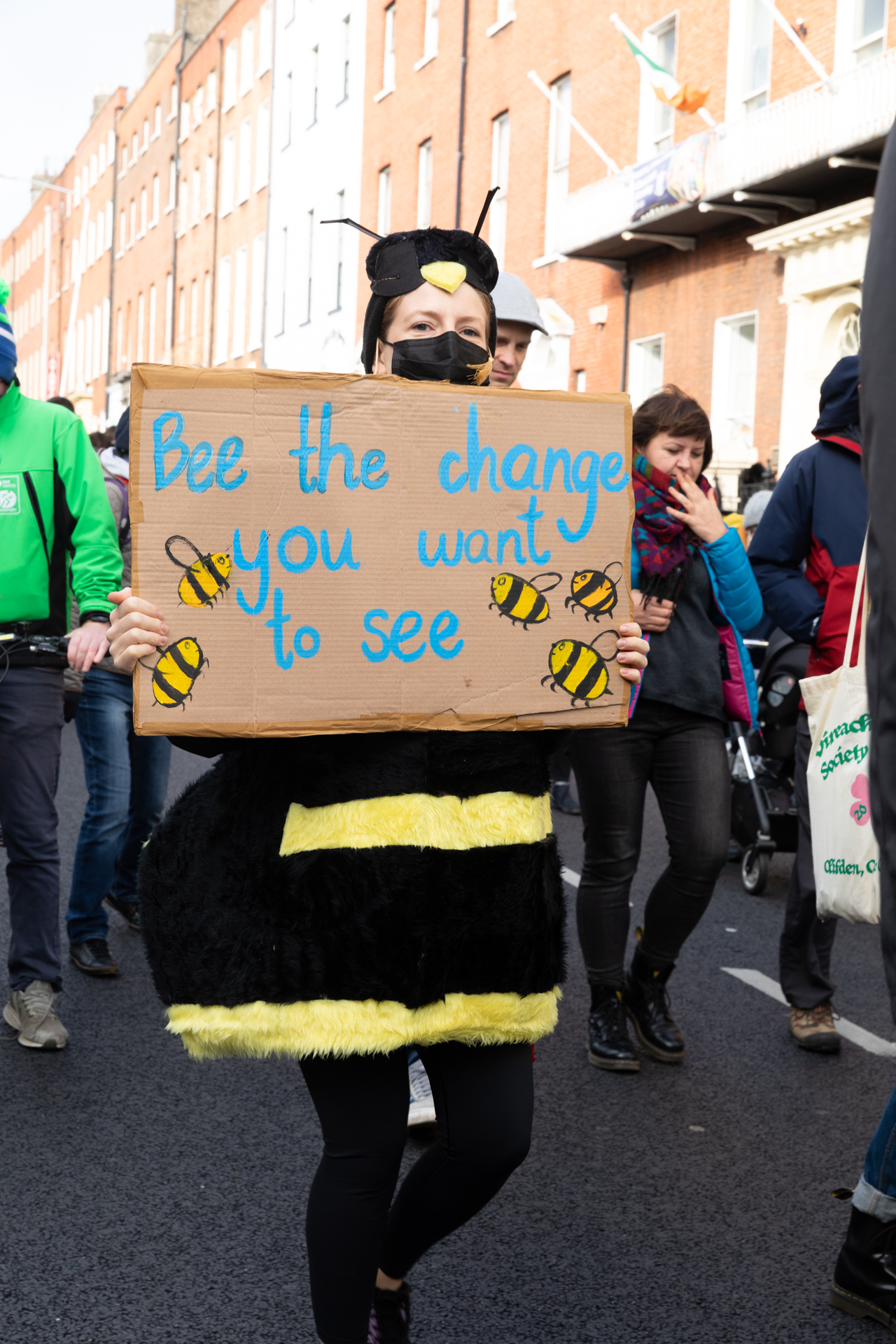
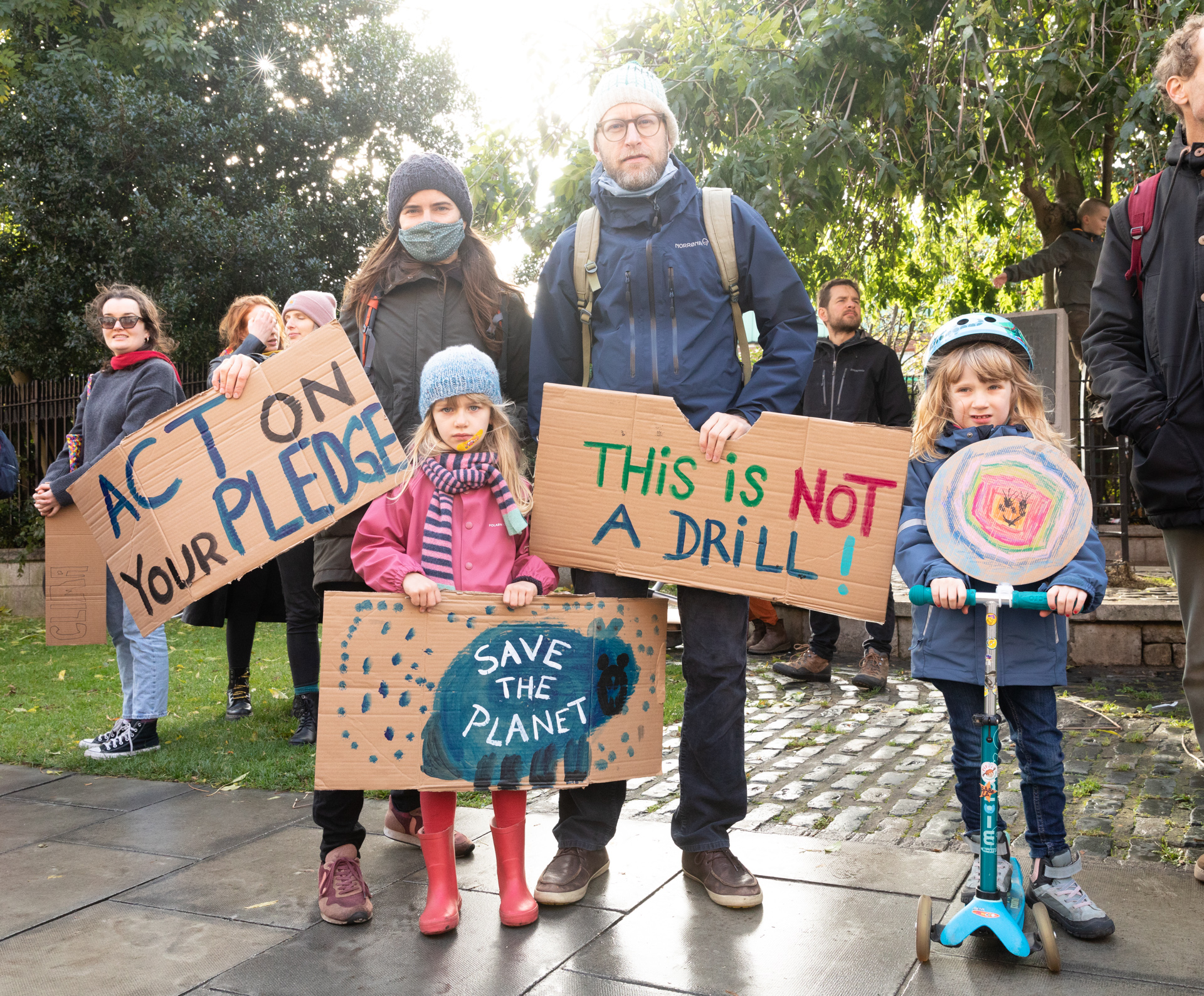
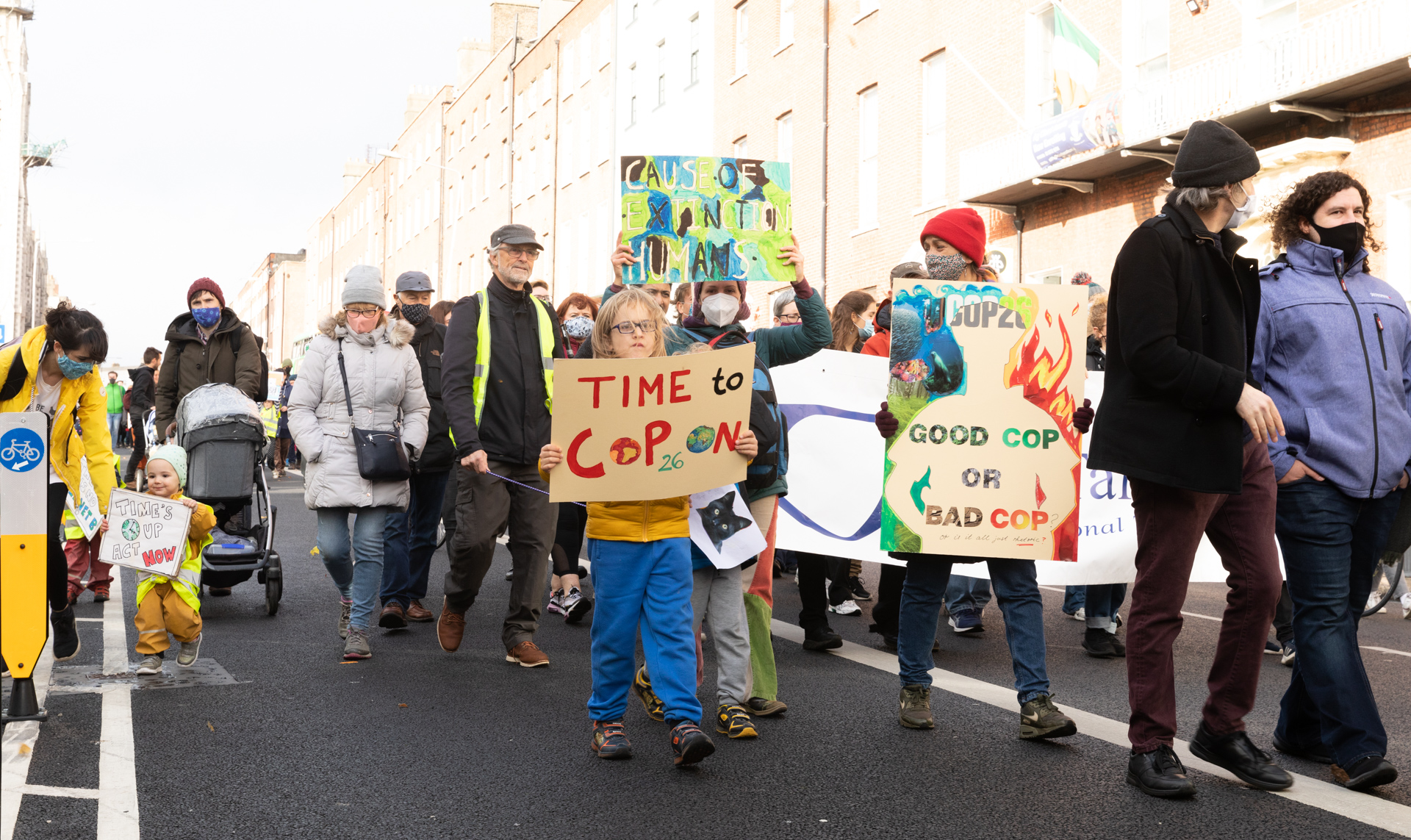
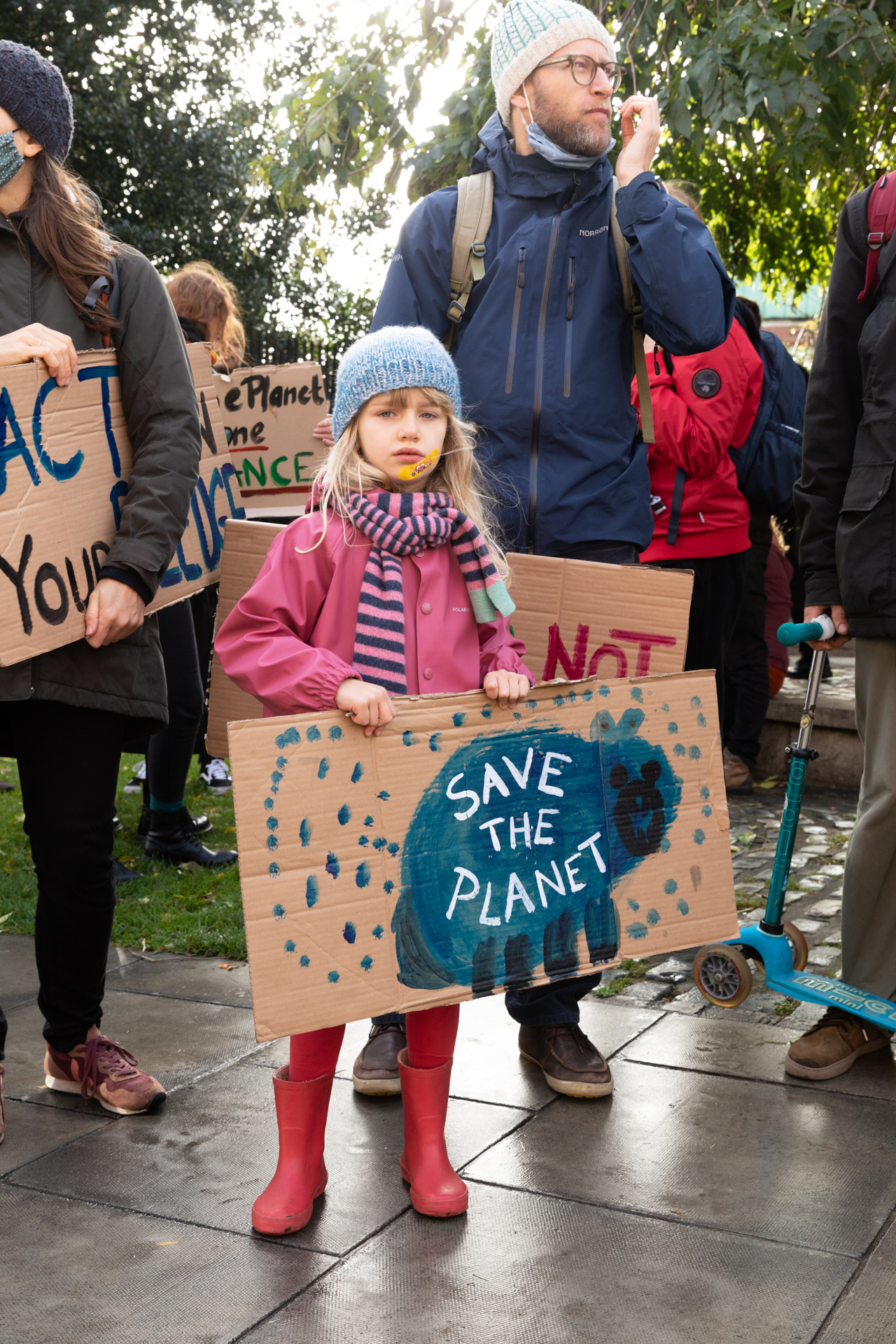
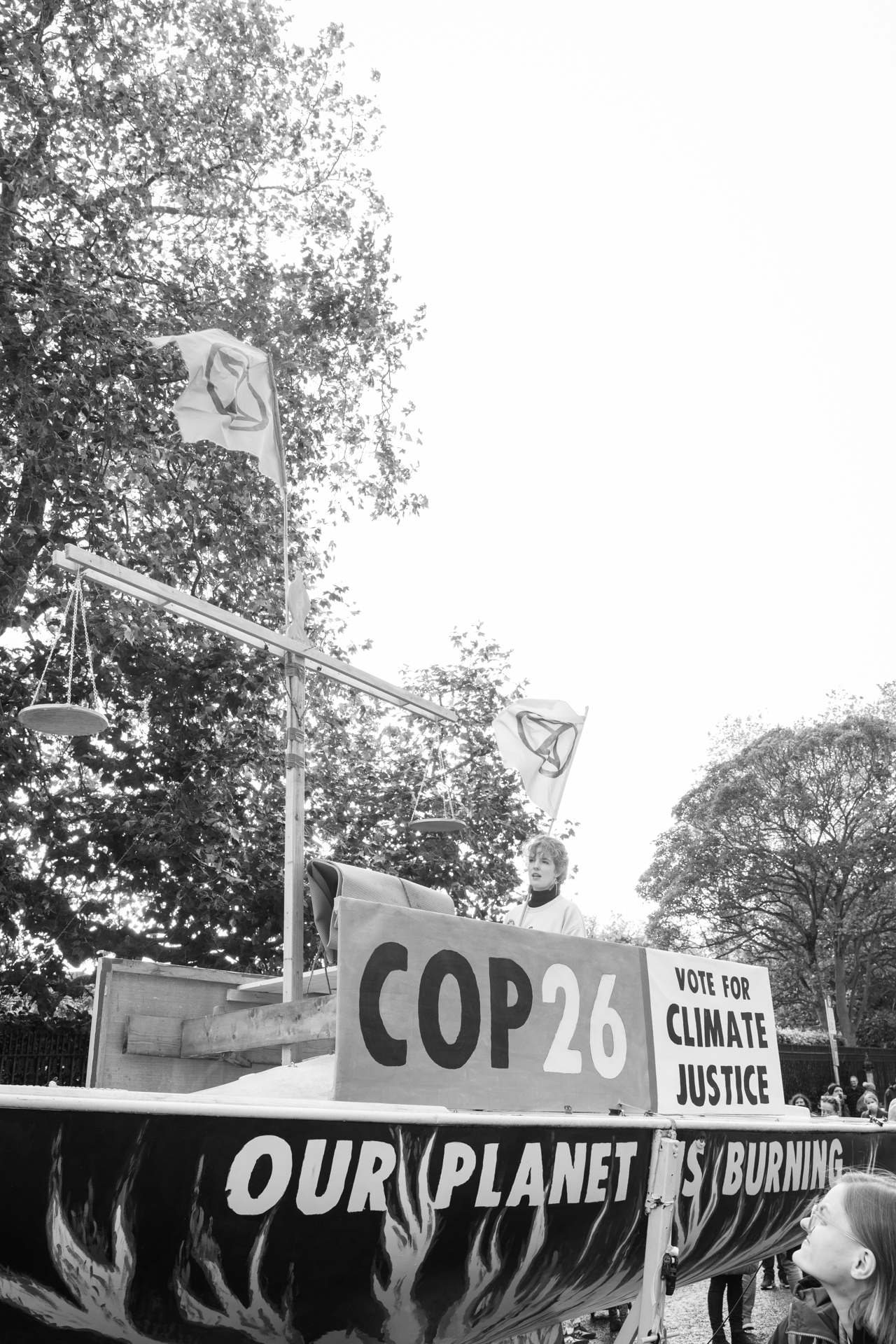
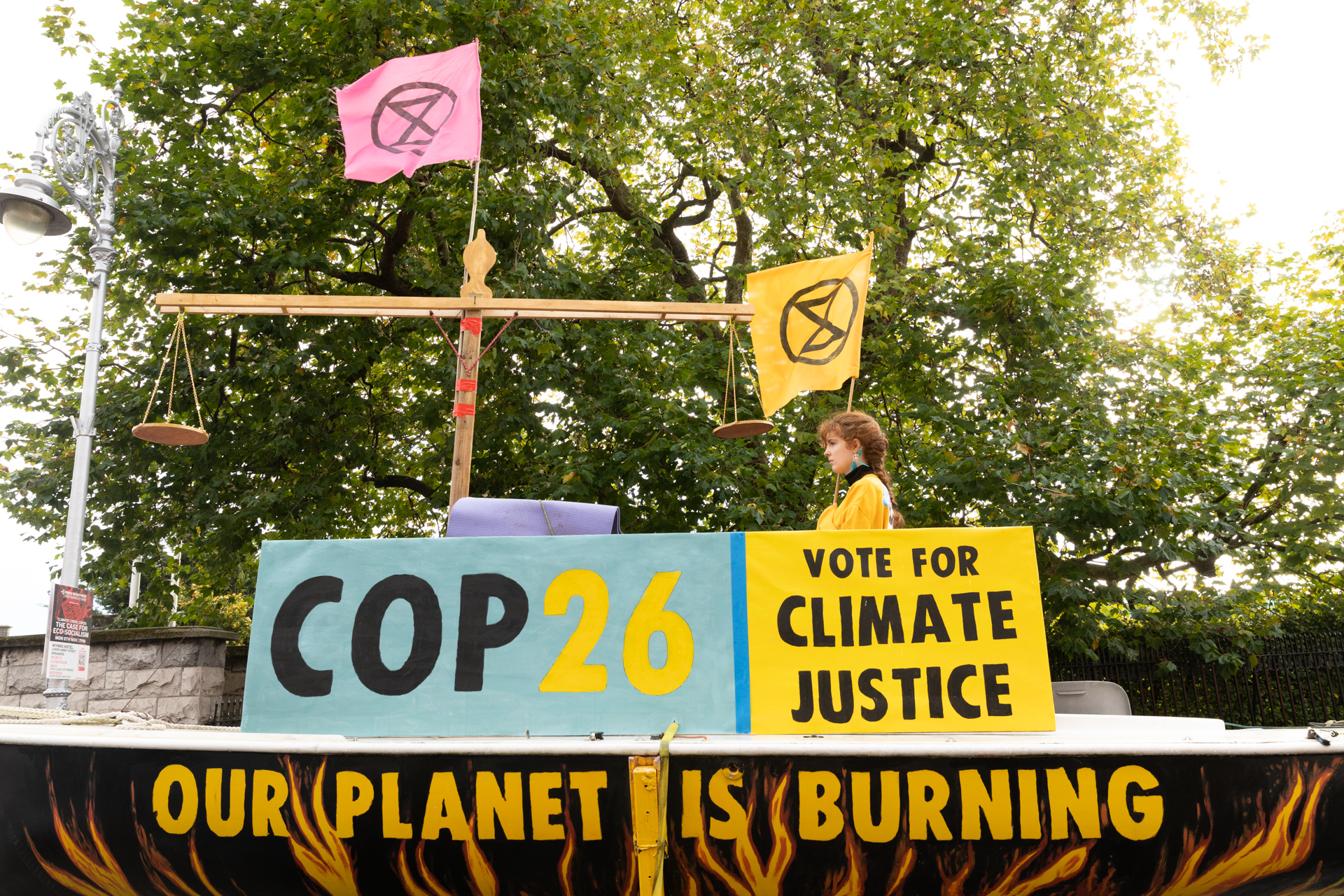
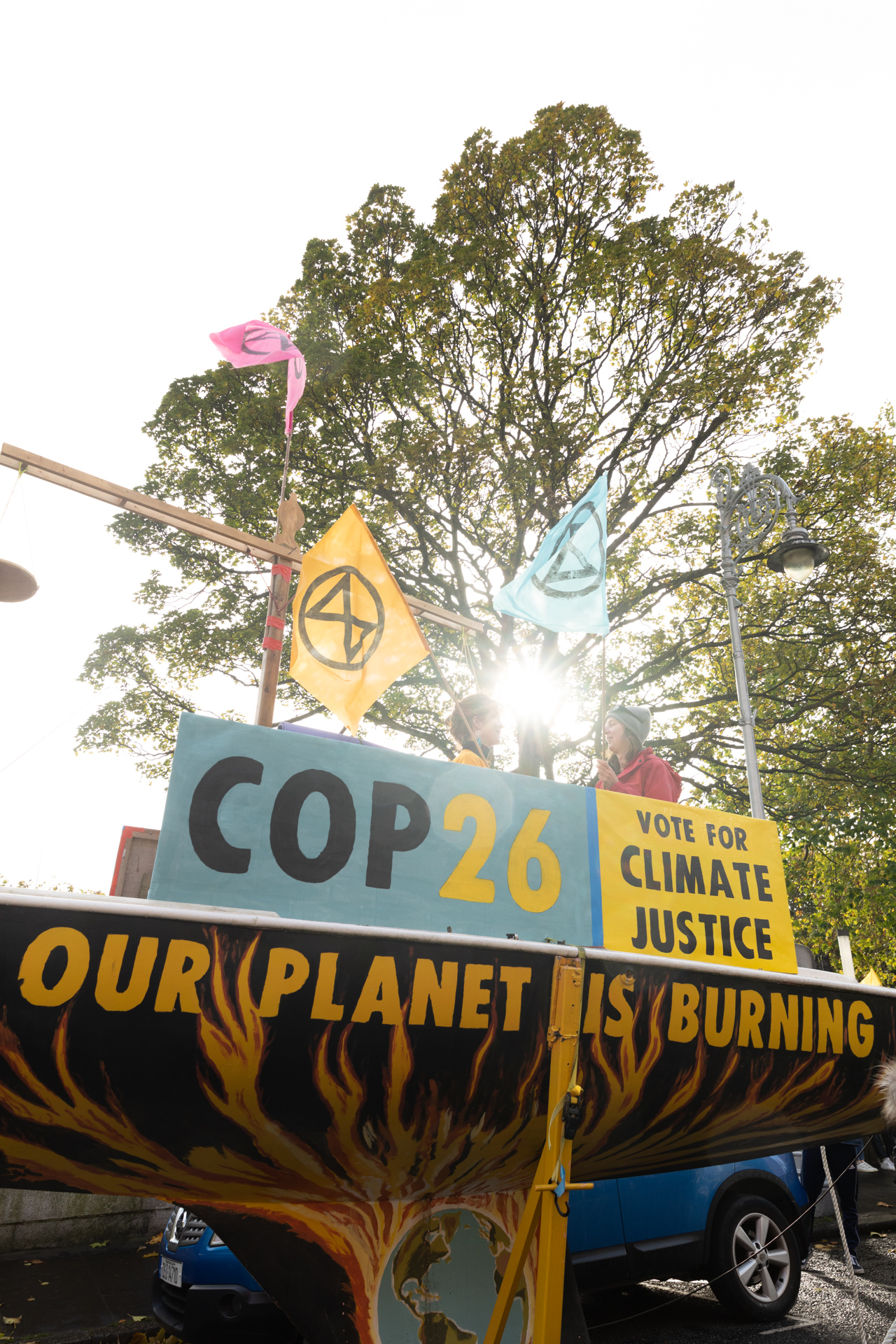
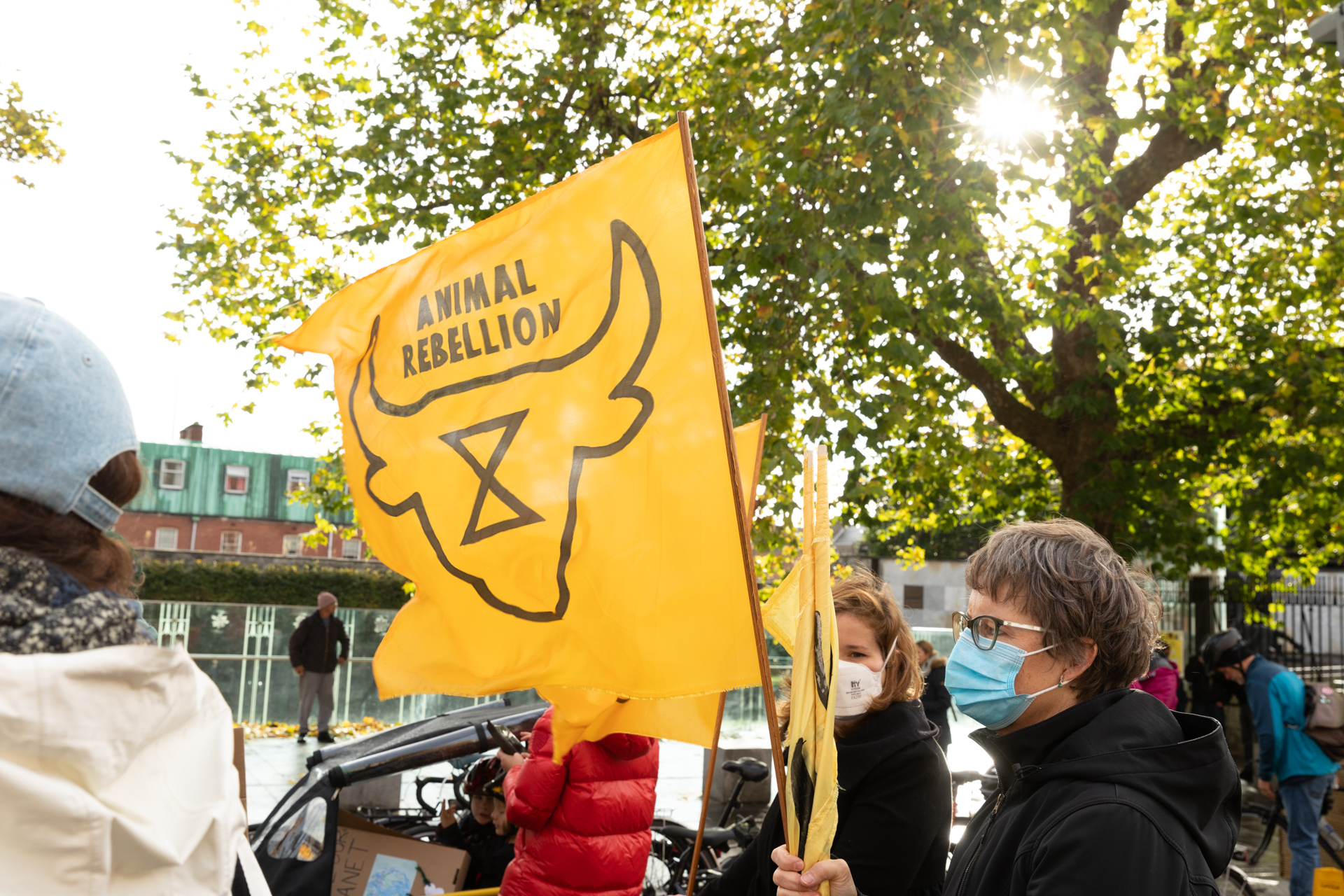
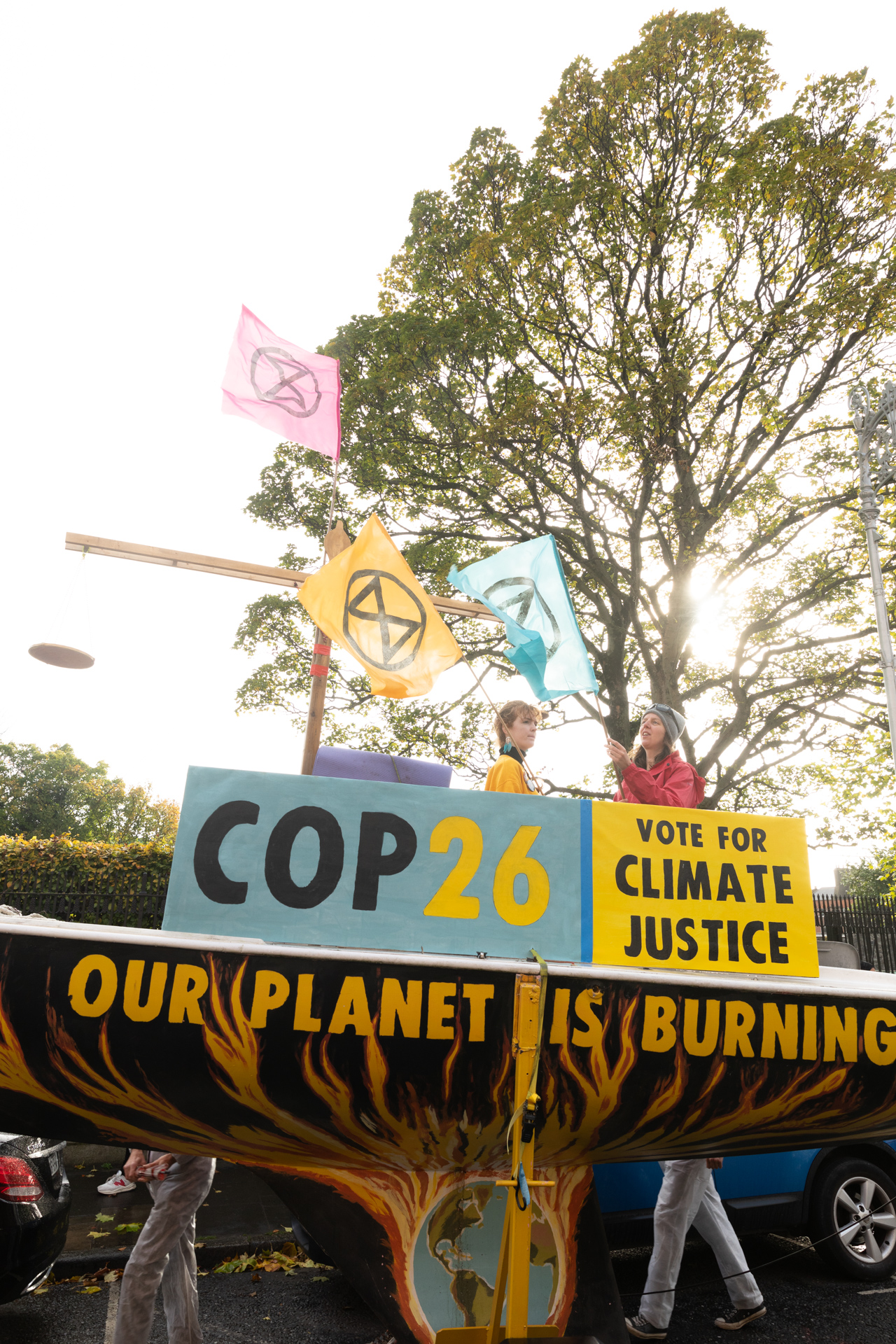
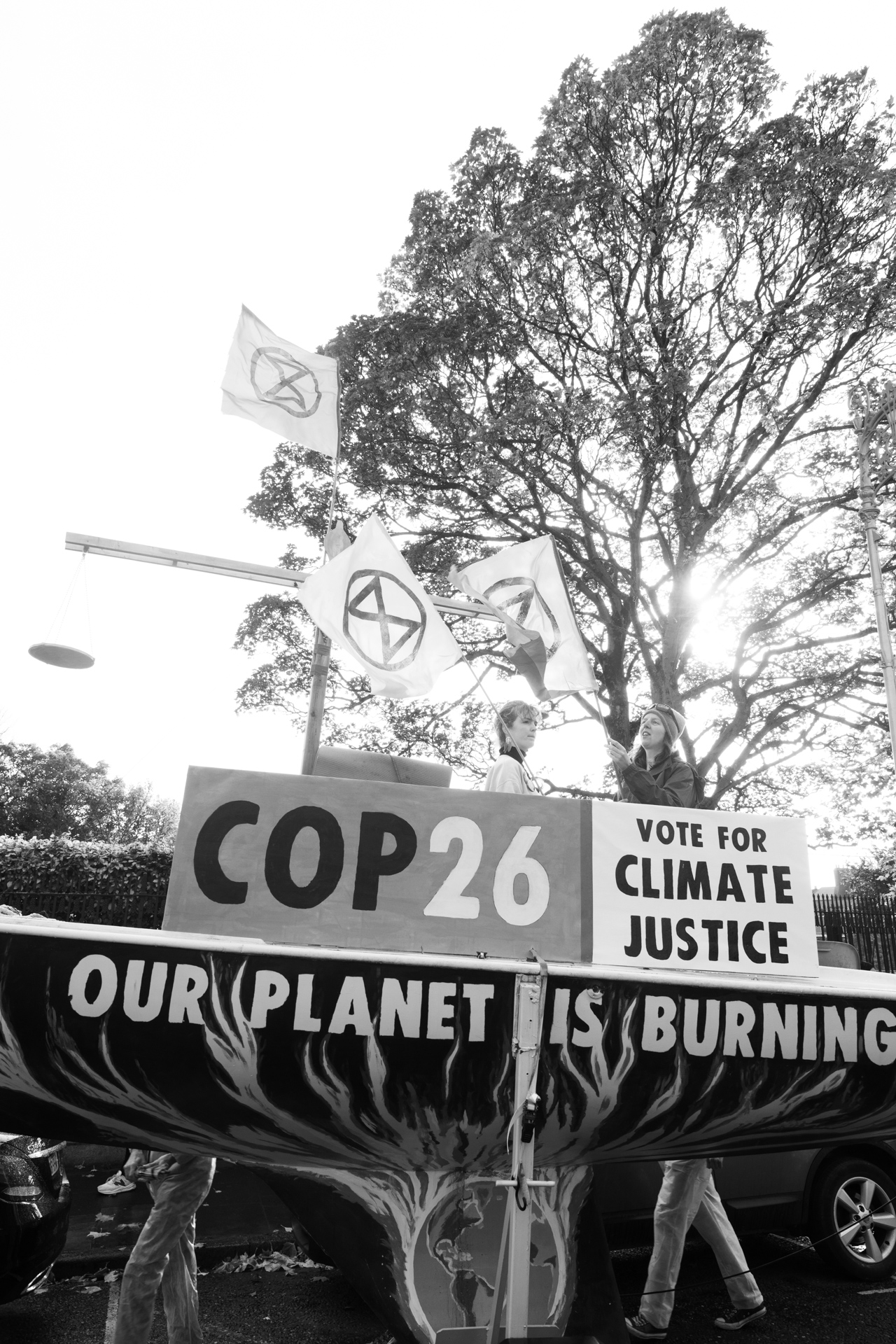
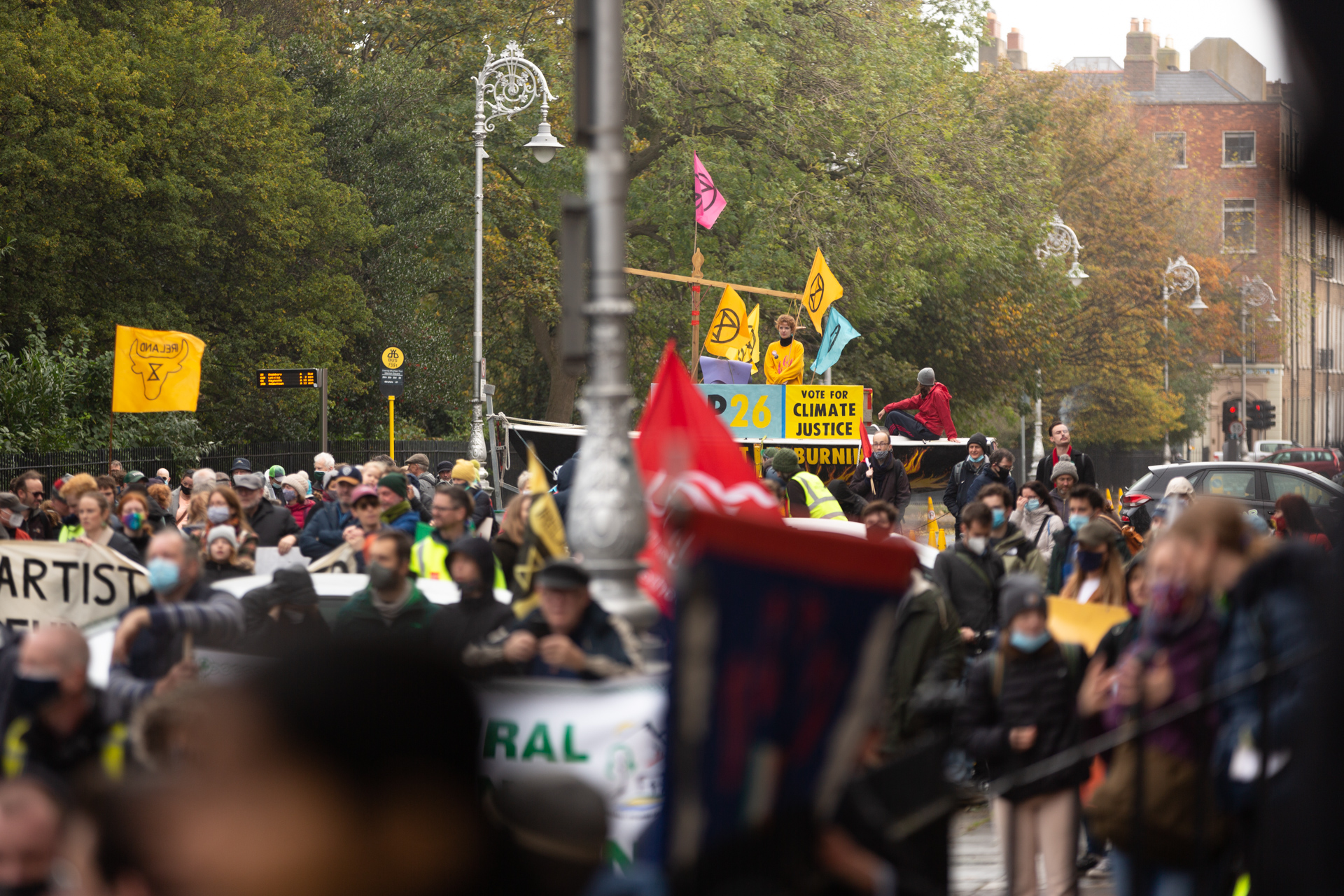
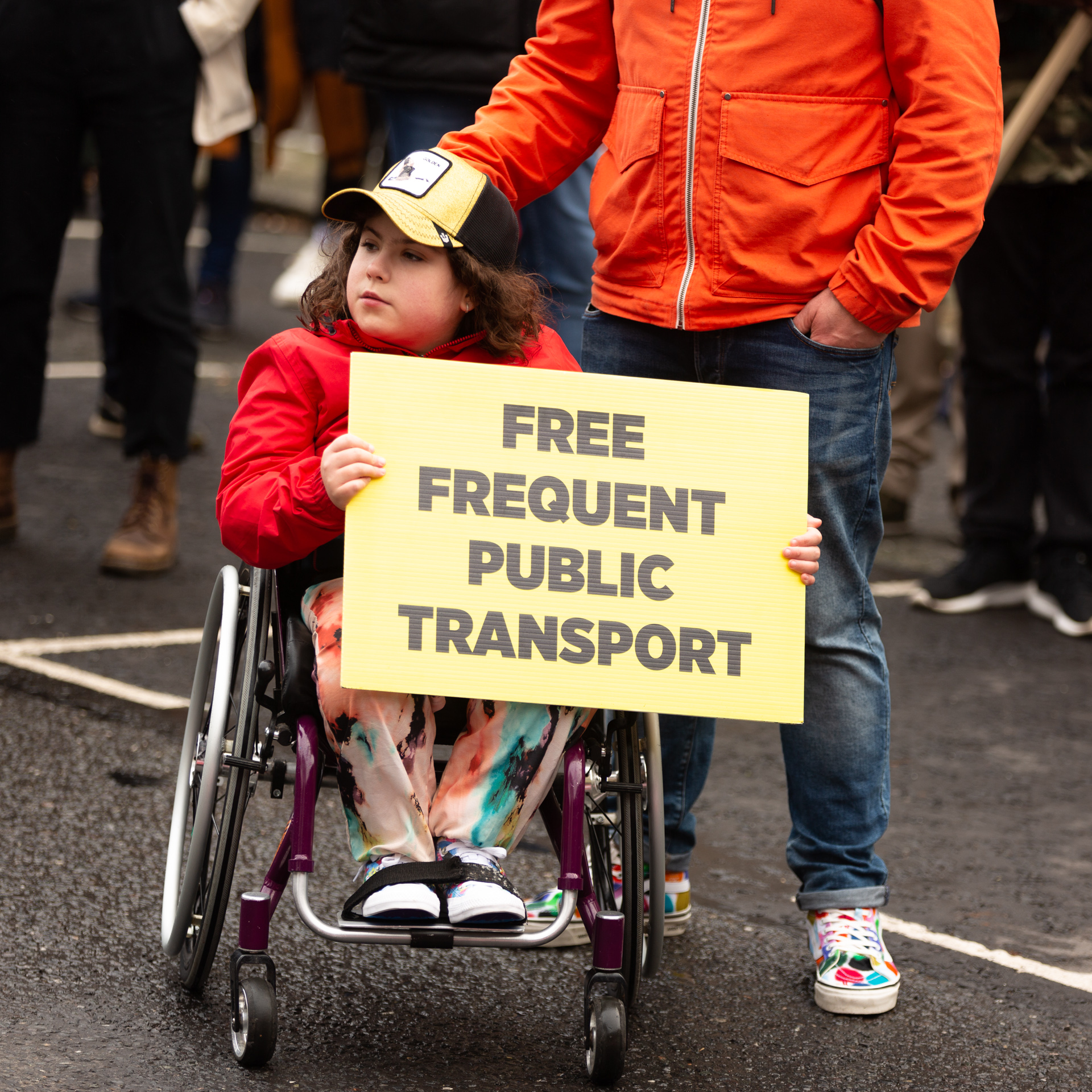
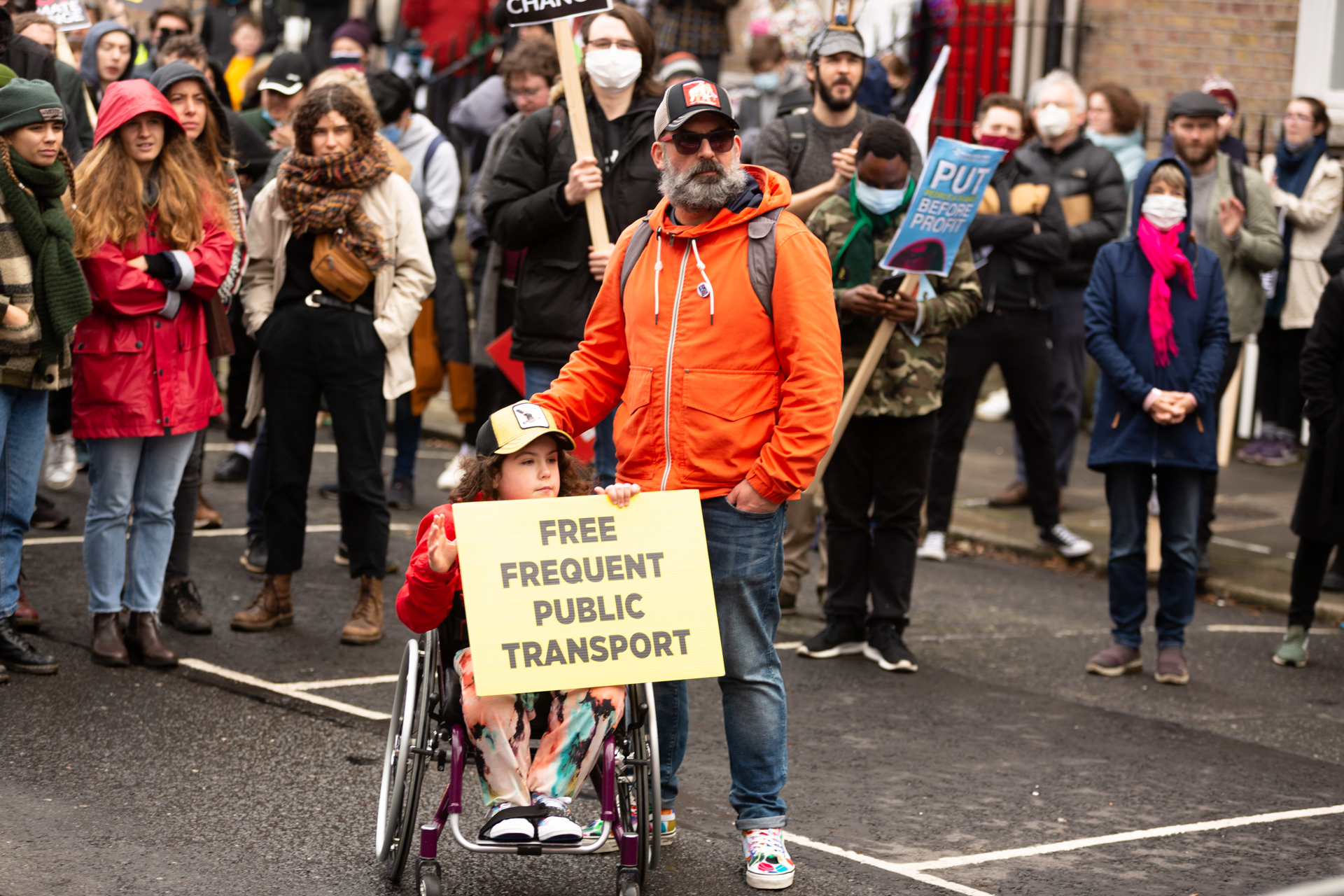
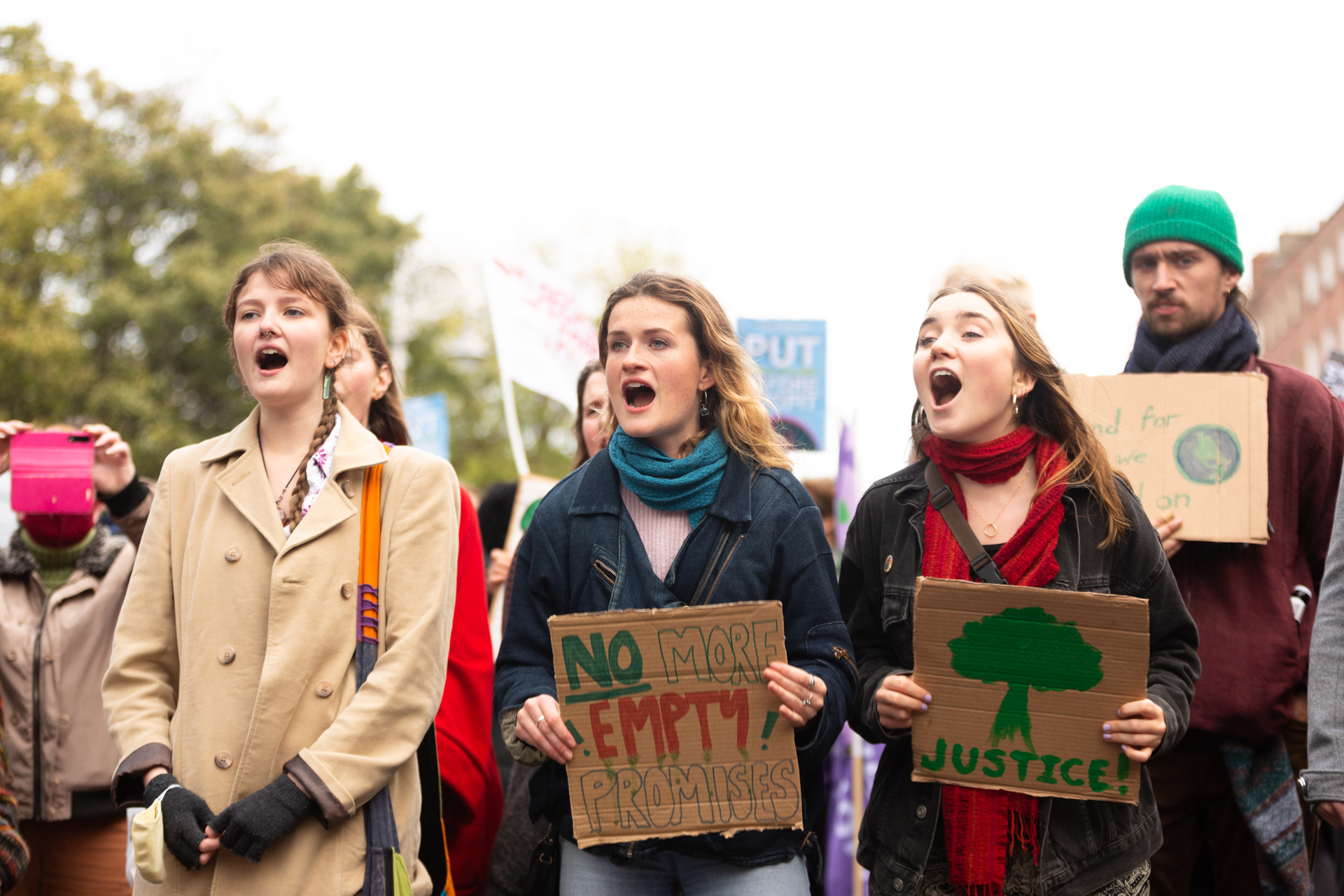
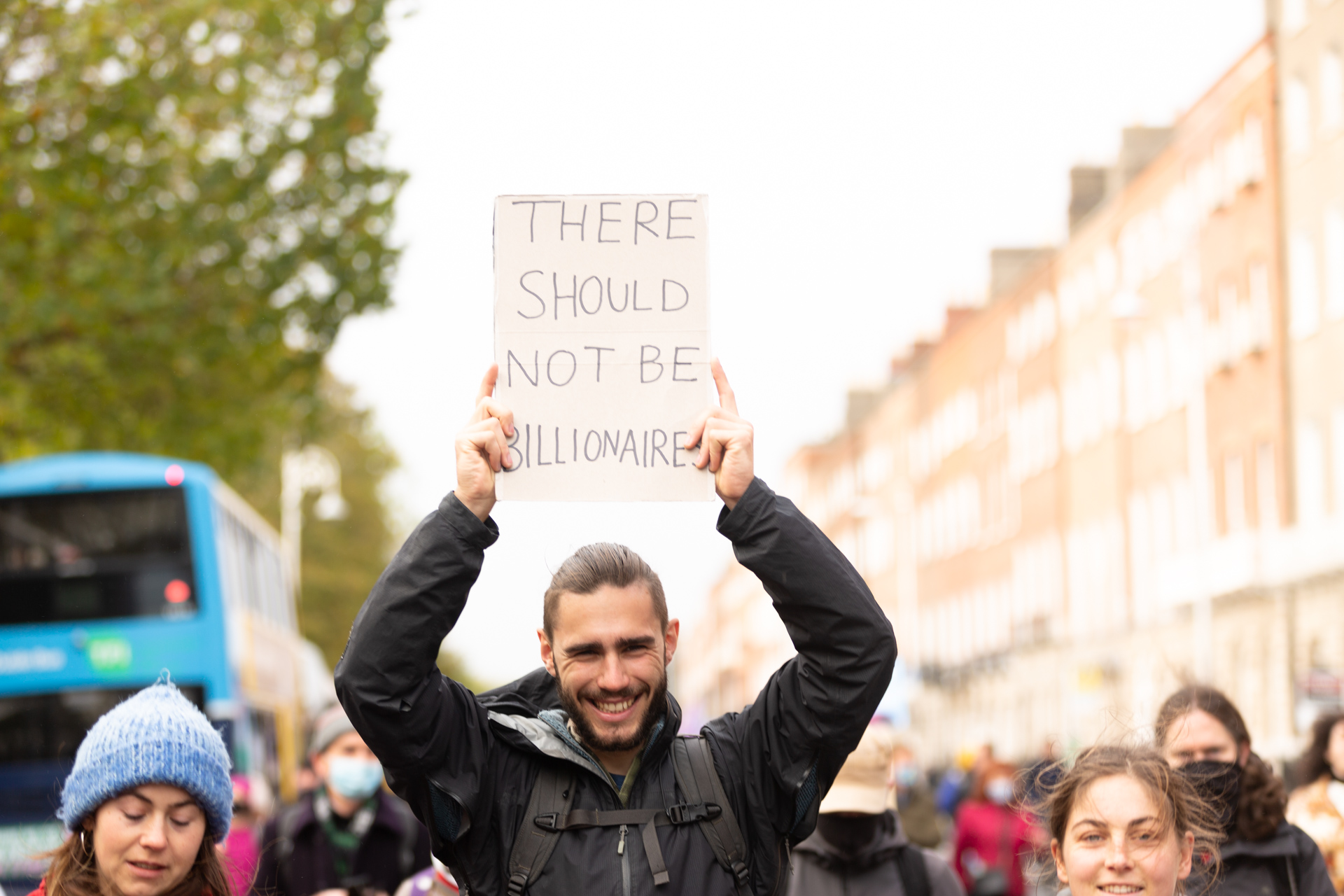
On 6 November 2021 a march for climate justice took place in Dublin. Photographer Karl Leonard was there and created this photo essay for Independent Left.

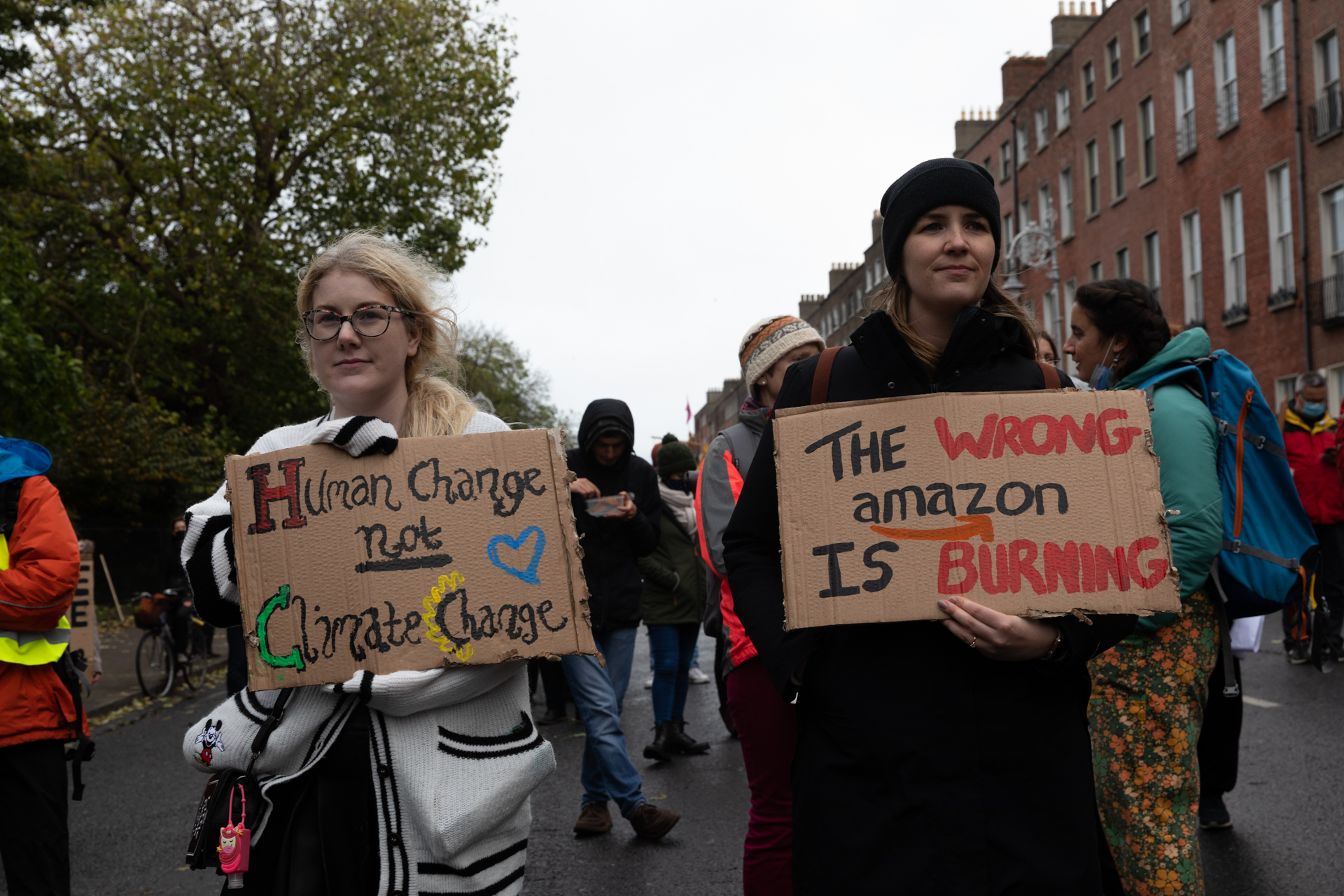
Human Change not Climate Change. The Wrong Amazon is Burning
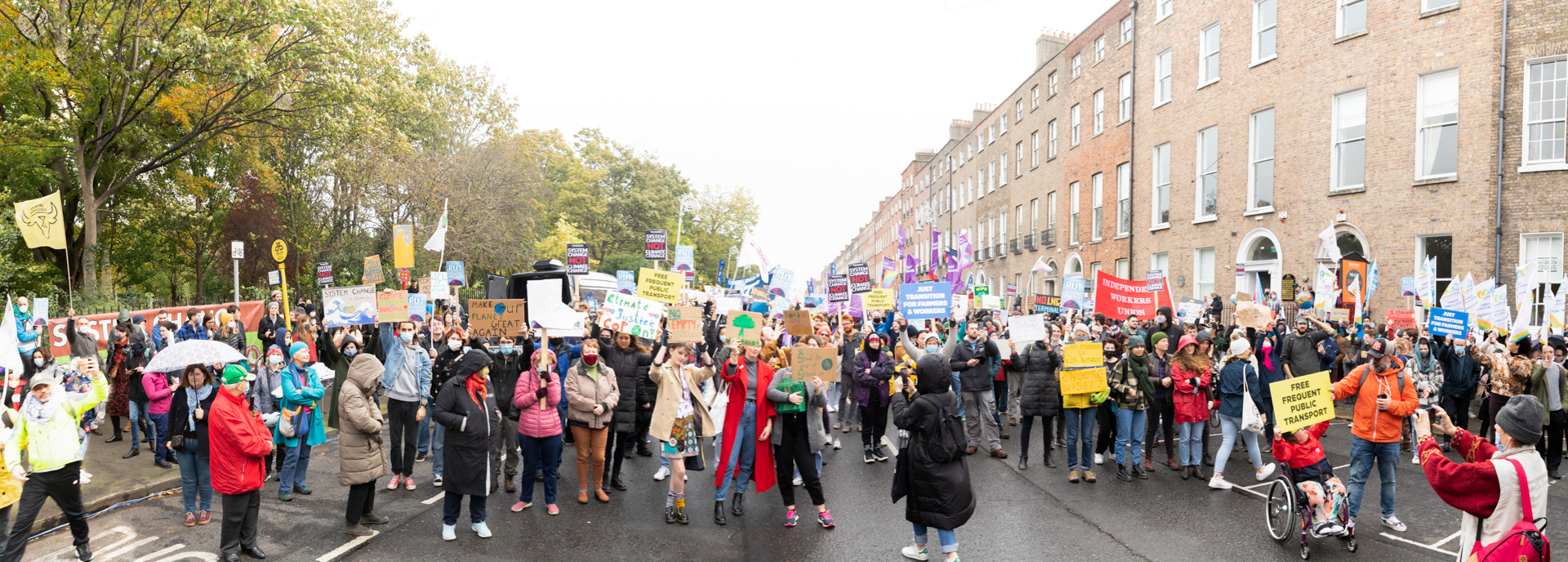
March for Climate Justice, Parnell Square Dublin
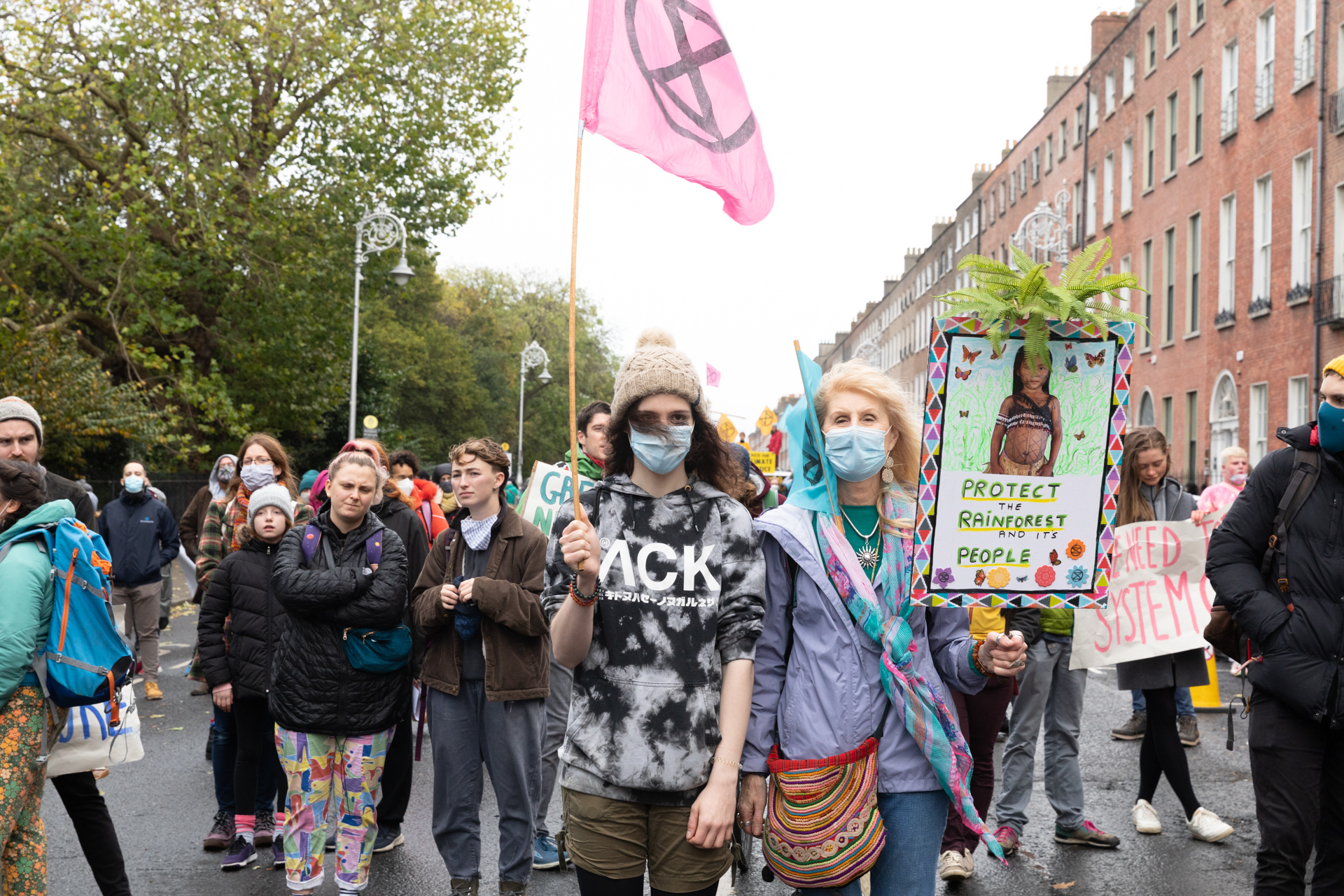
Protect the Rainforest and its People
March for Climate Justice assembles in Dublin, 29 November 2021
Globe: March for Climate Justice
System Change NOT Climate Change
No Empty Promises. Free Frequent Public Transport
Ní Neart Go Cur Le Chéile – Unity is Strength
I Cannot ‘Live, Laugh, Love’ in this Climate!
Ship at the Customs House: March for Climate Justice
Time to Cop (26) On
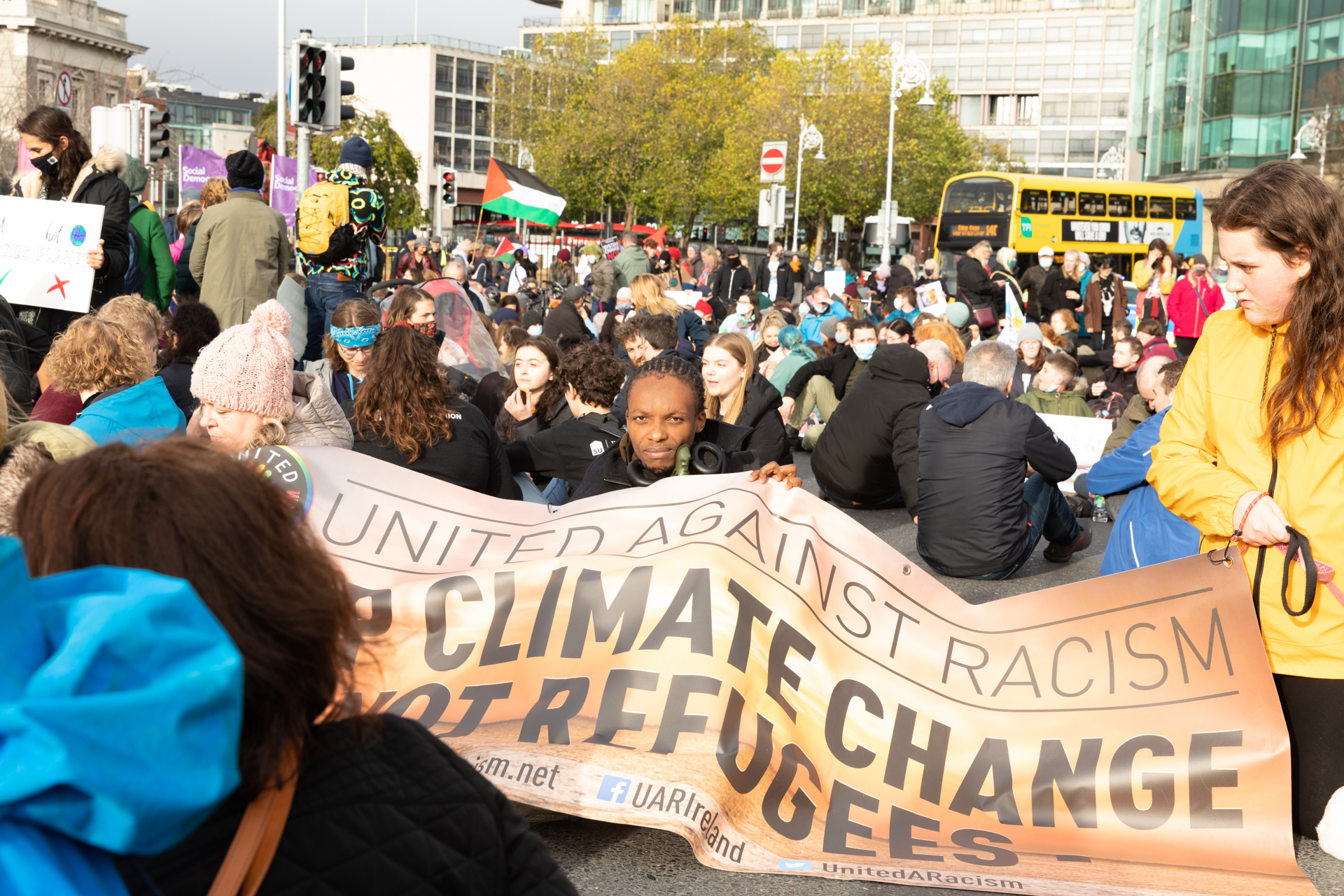
United Against Racism: Stop Climate Change Not Refugees
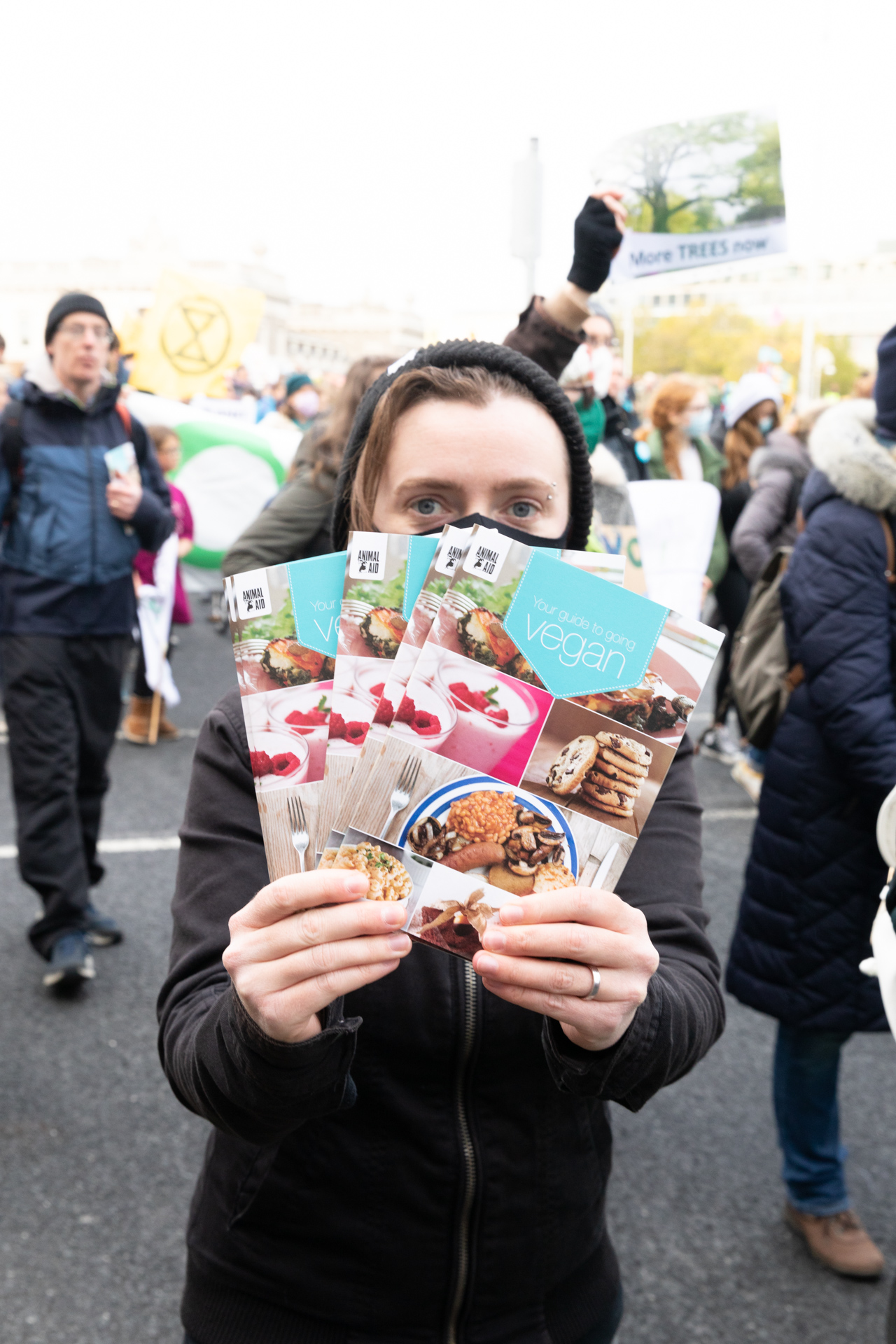
Your Guide to Going Vegan
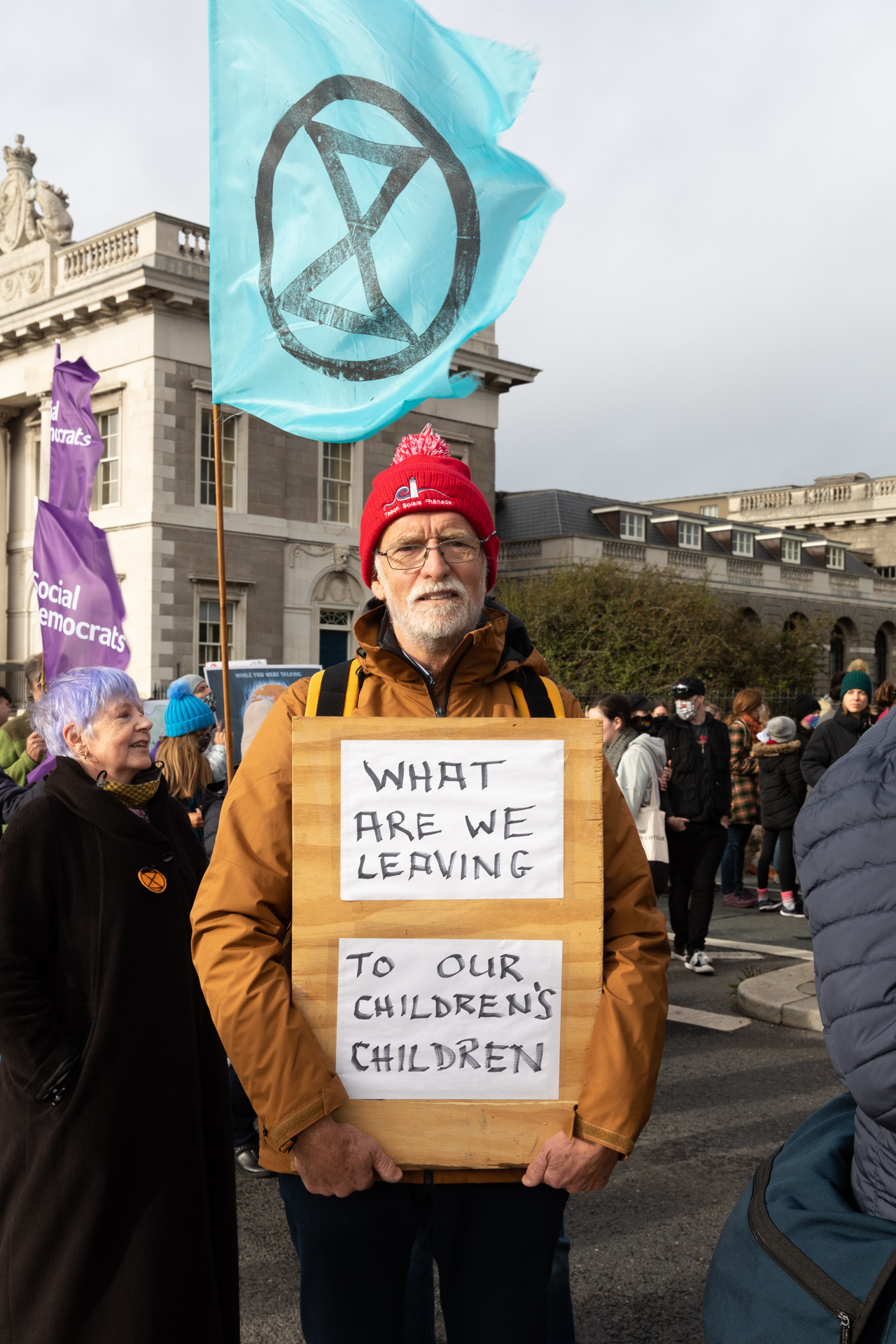
What are we Leaving to our Children’s Children?
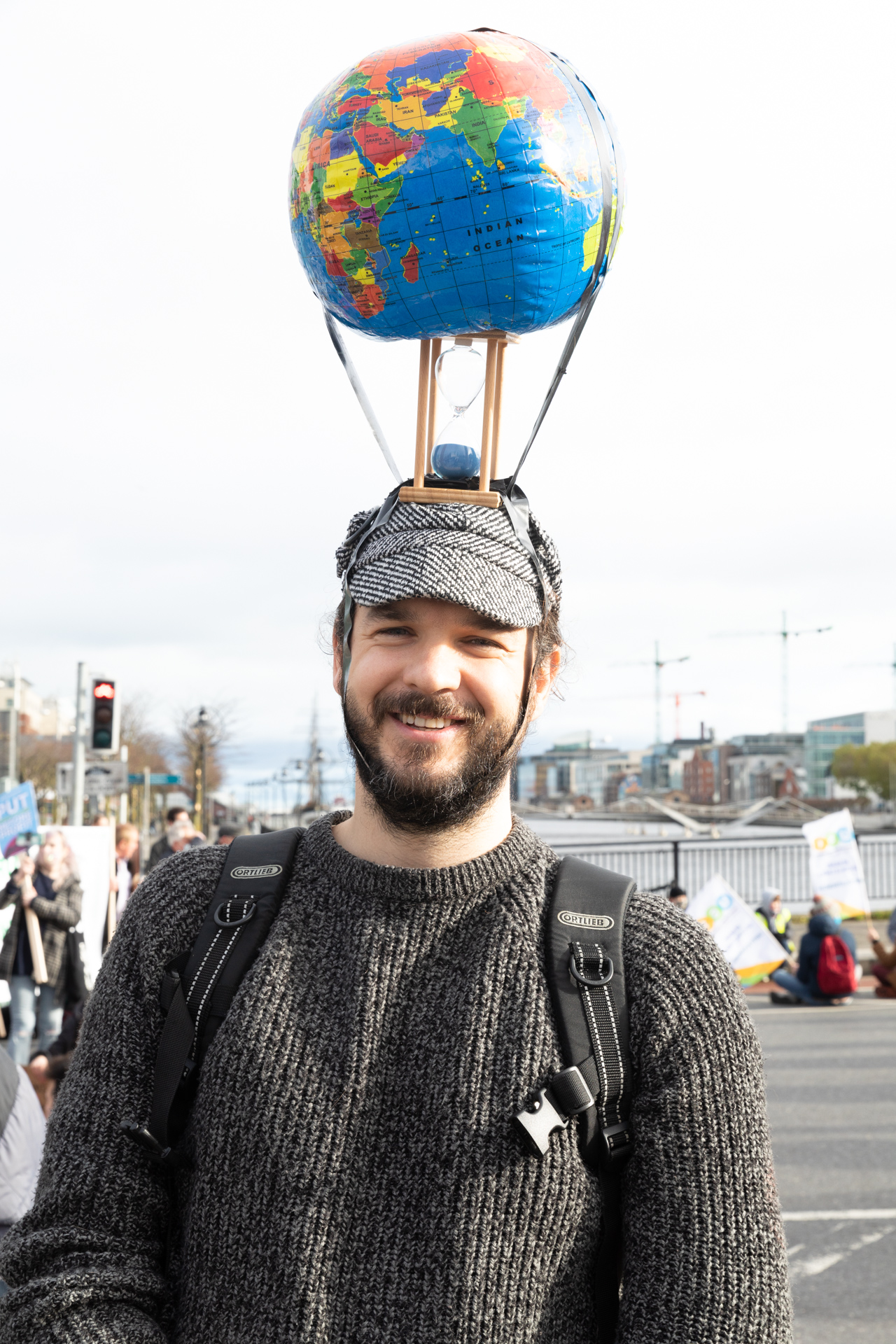
Globe and Empty Timer: March for Climate Justice
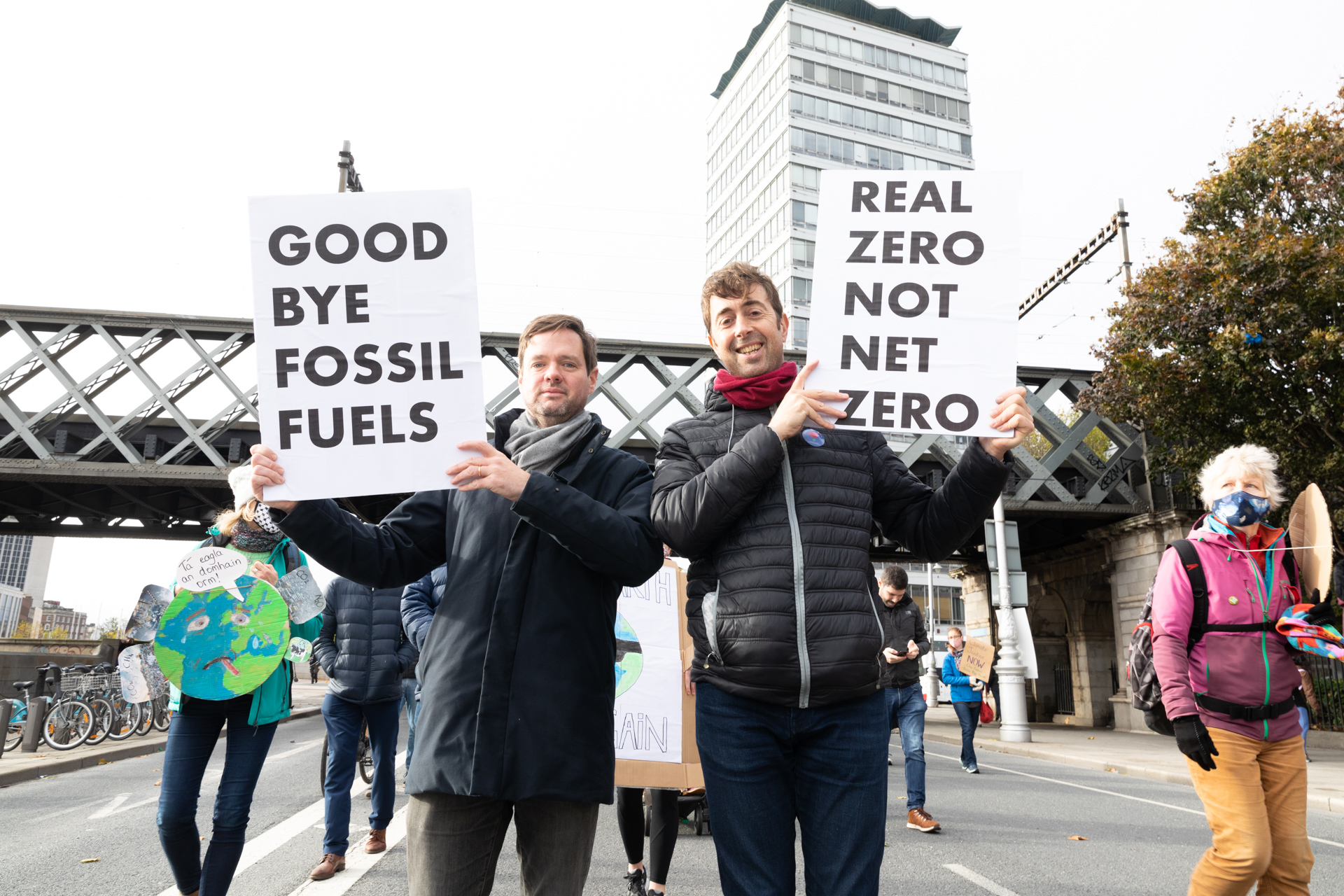
Goodbye Fossil Fules. Real Zero Not Net Zero.
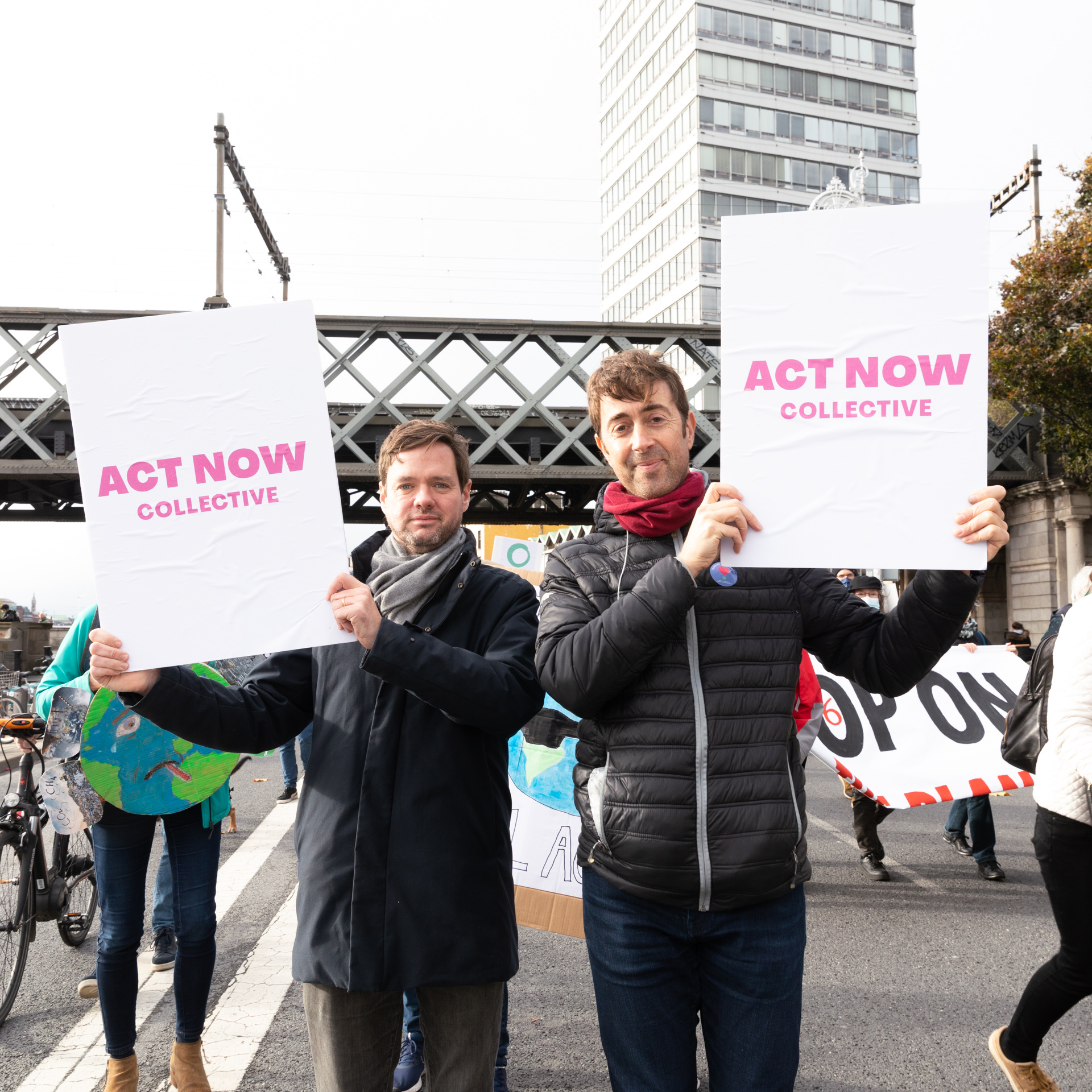
Act Now Collective
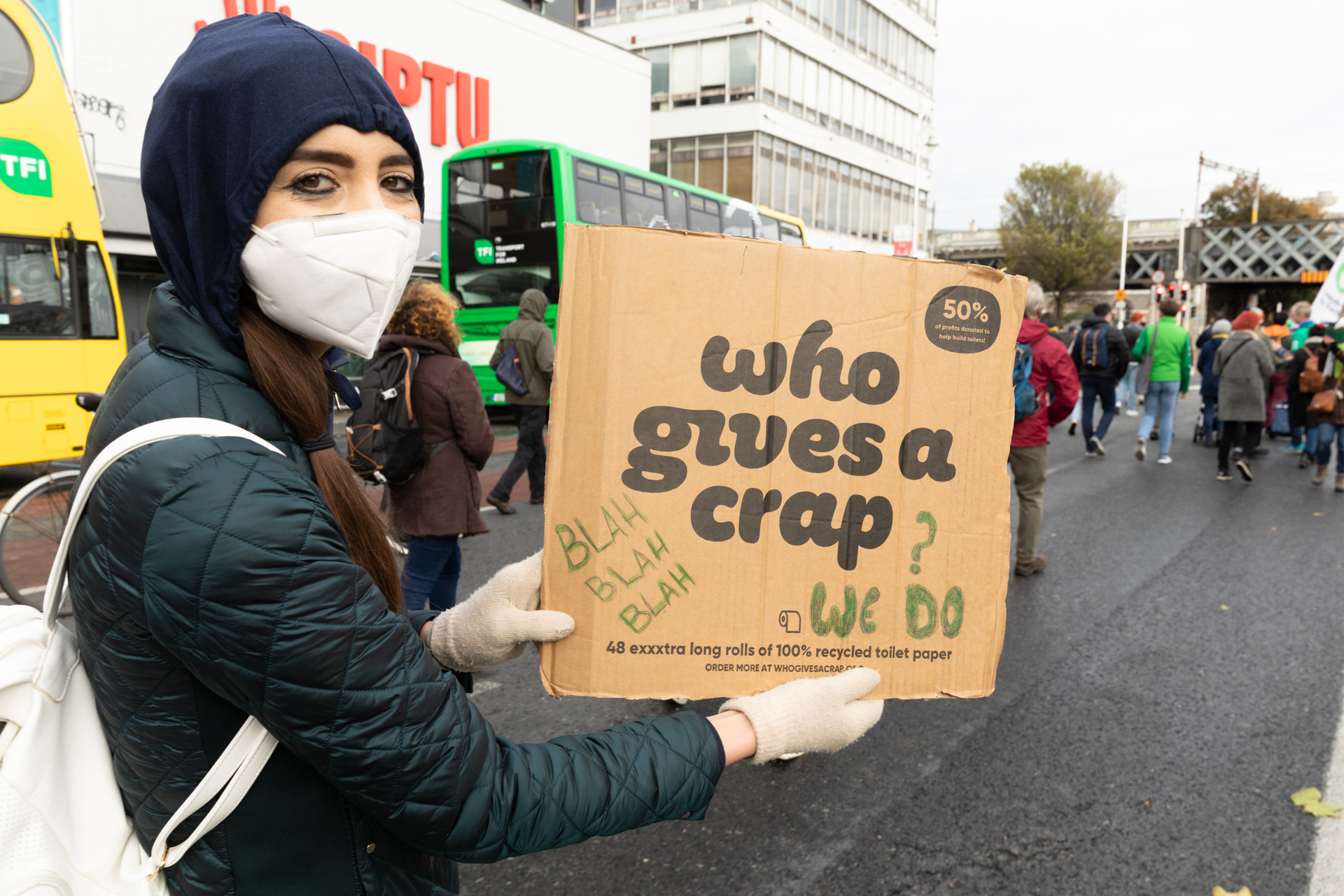
Who Gives a Crap? We Do
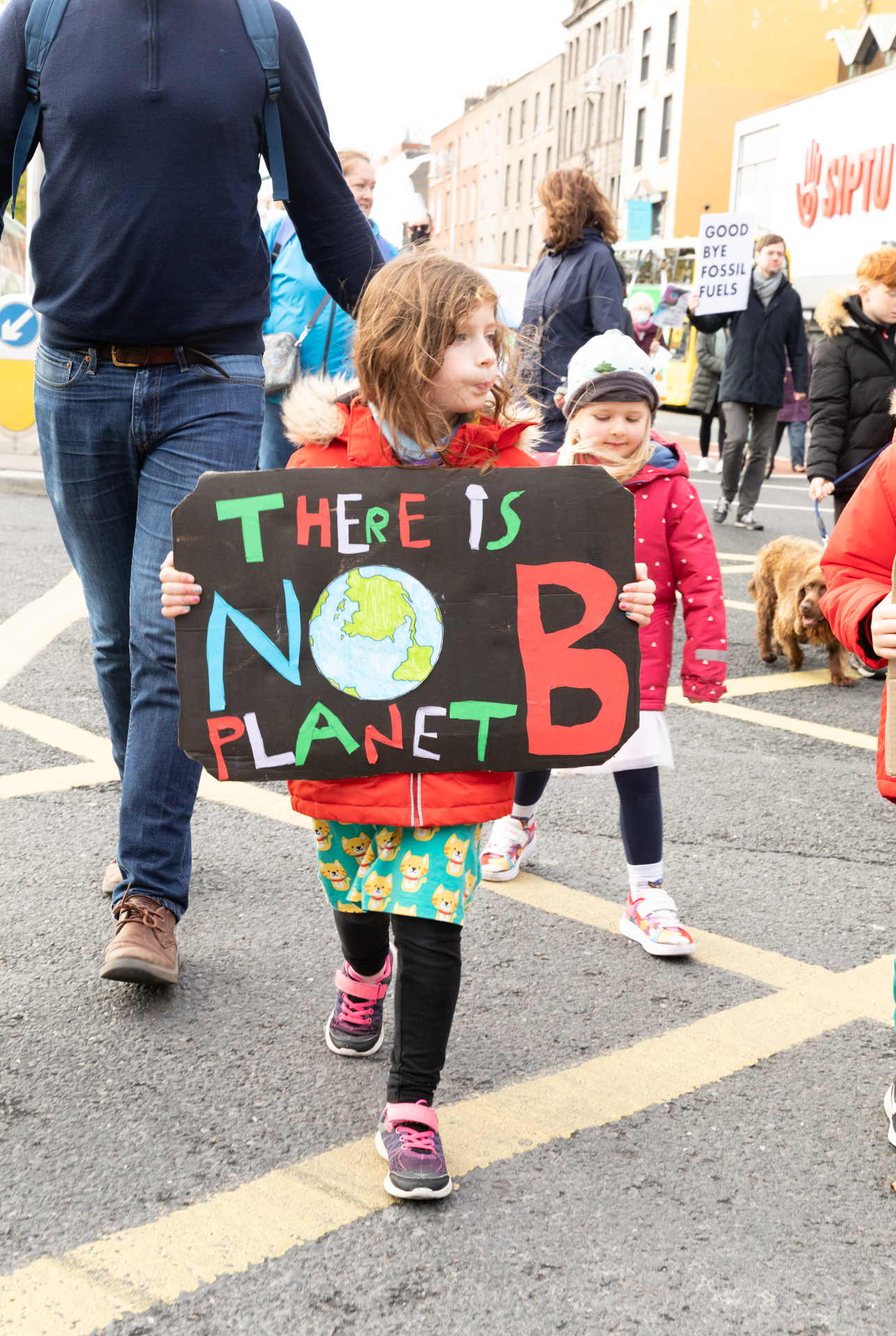
There is No Planet B
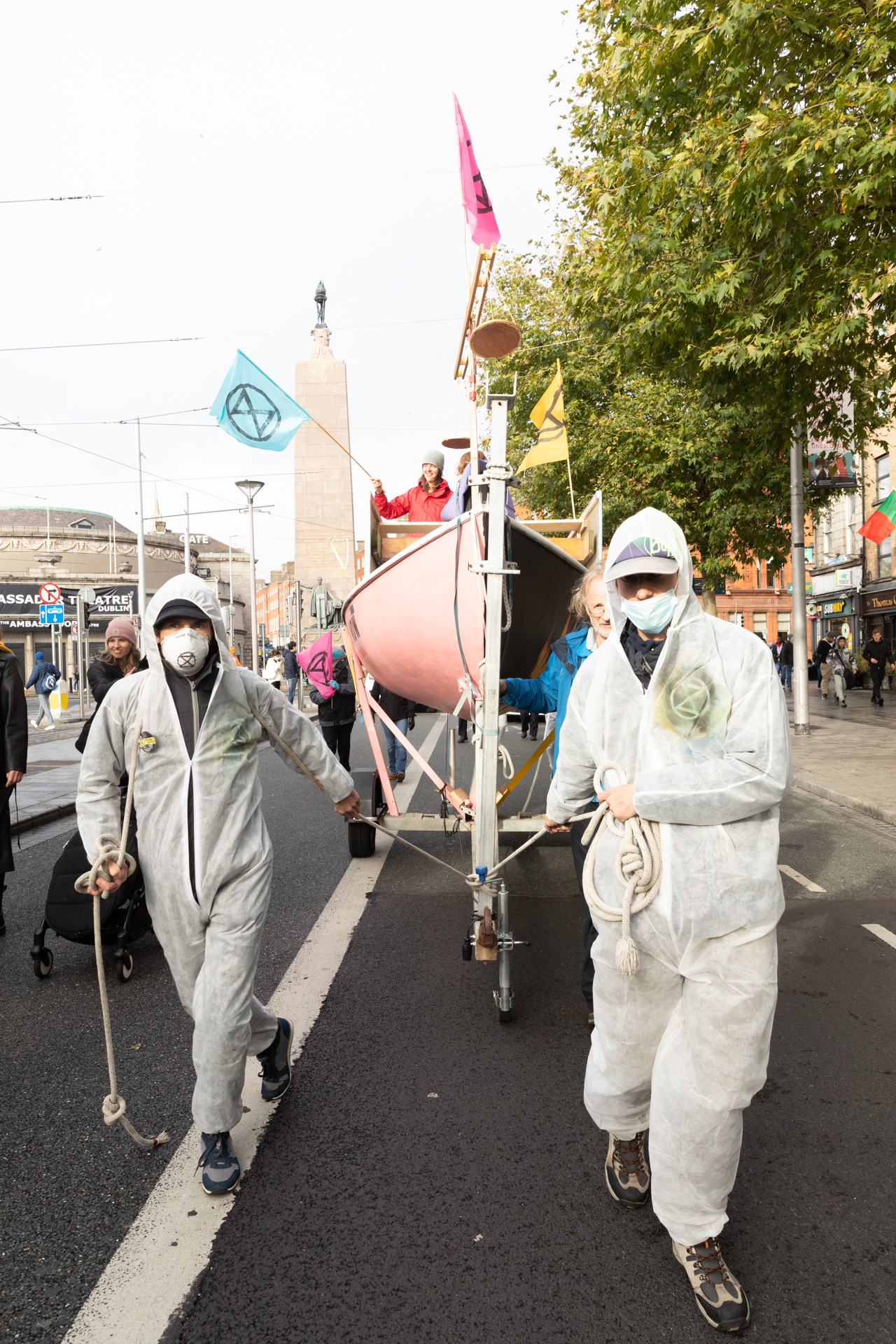
Boat at the GPO, March for Climate Justice
Go Vegan: For the Animals, For the Planet, For your Health. And Plants = Yum
Our Planet is Burning
Our Planet is Burning (Black and White)
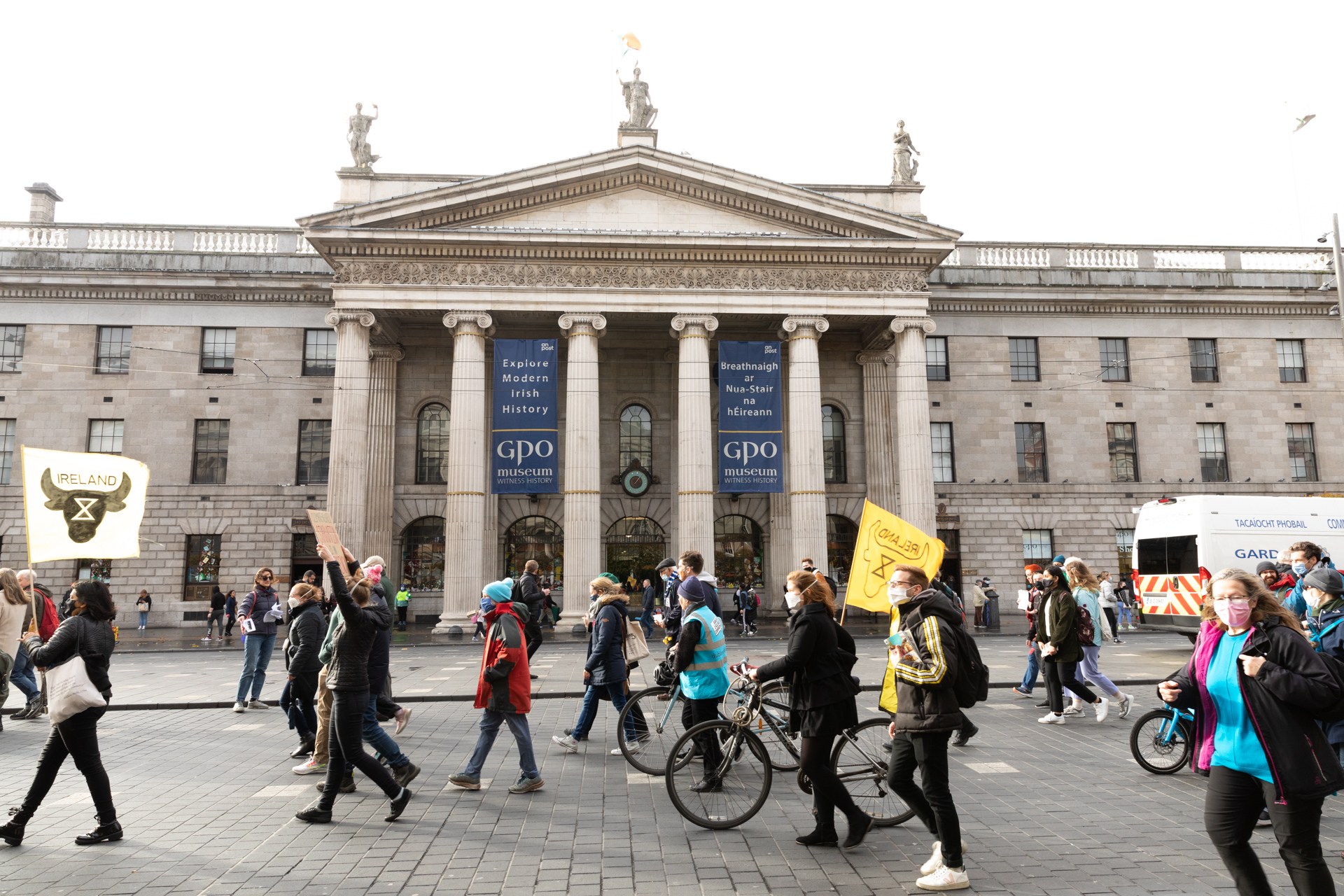
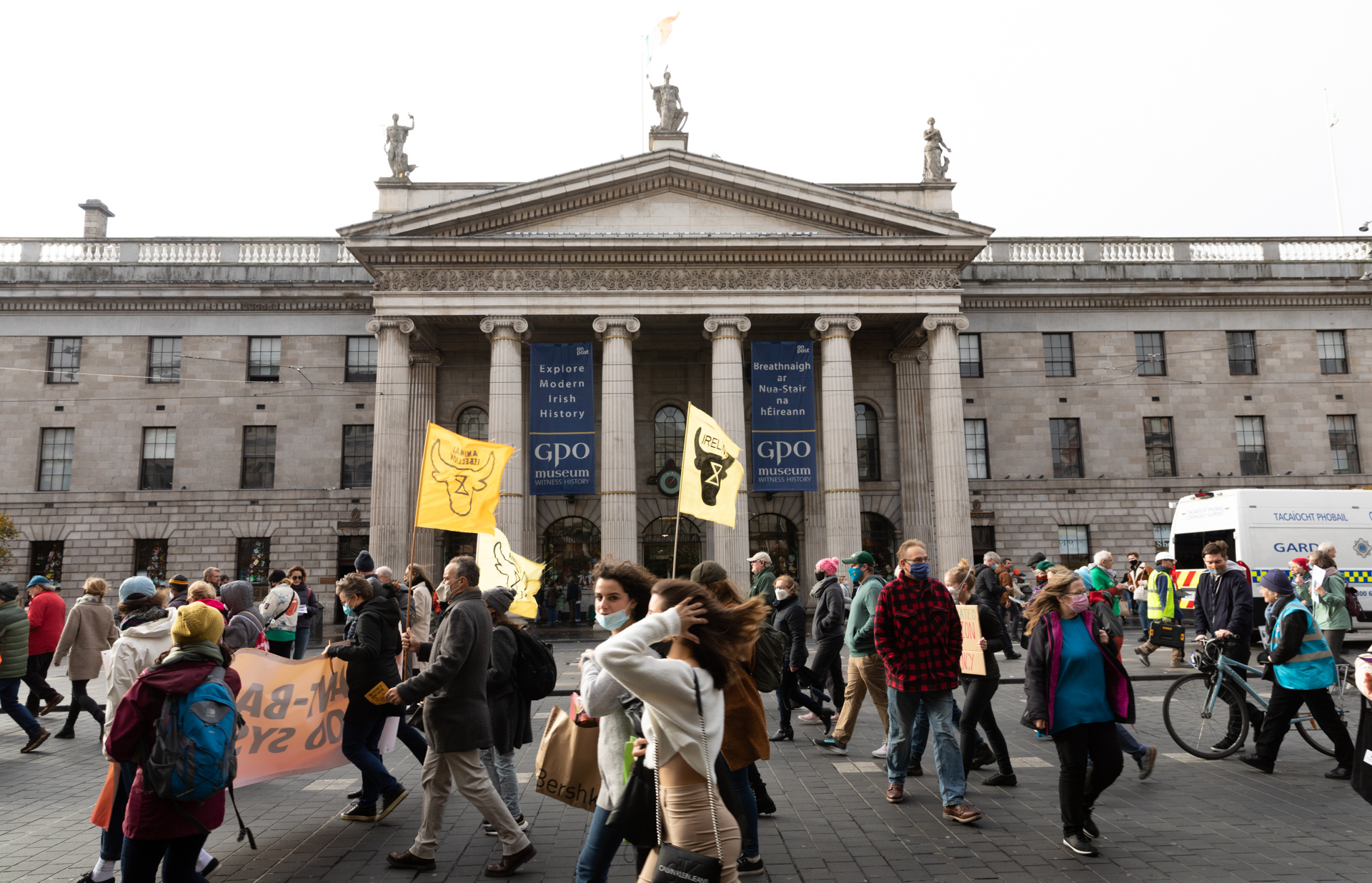
March for Climate Justice Outside the GPO
March for Climate Justice at the GPO Dublin
Extinction Rebellion, March for Climate Justice
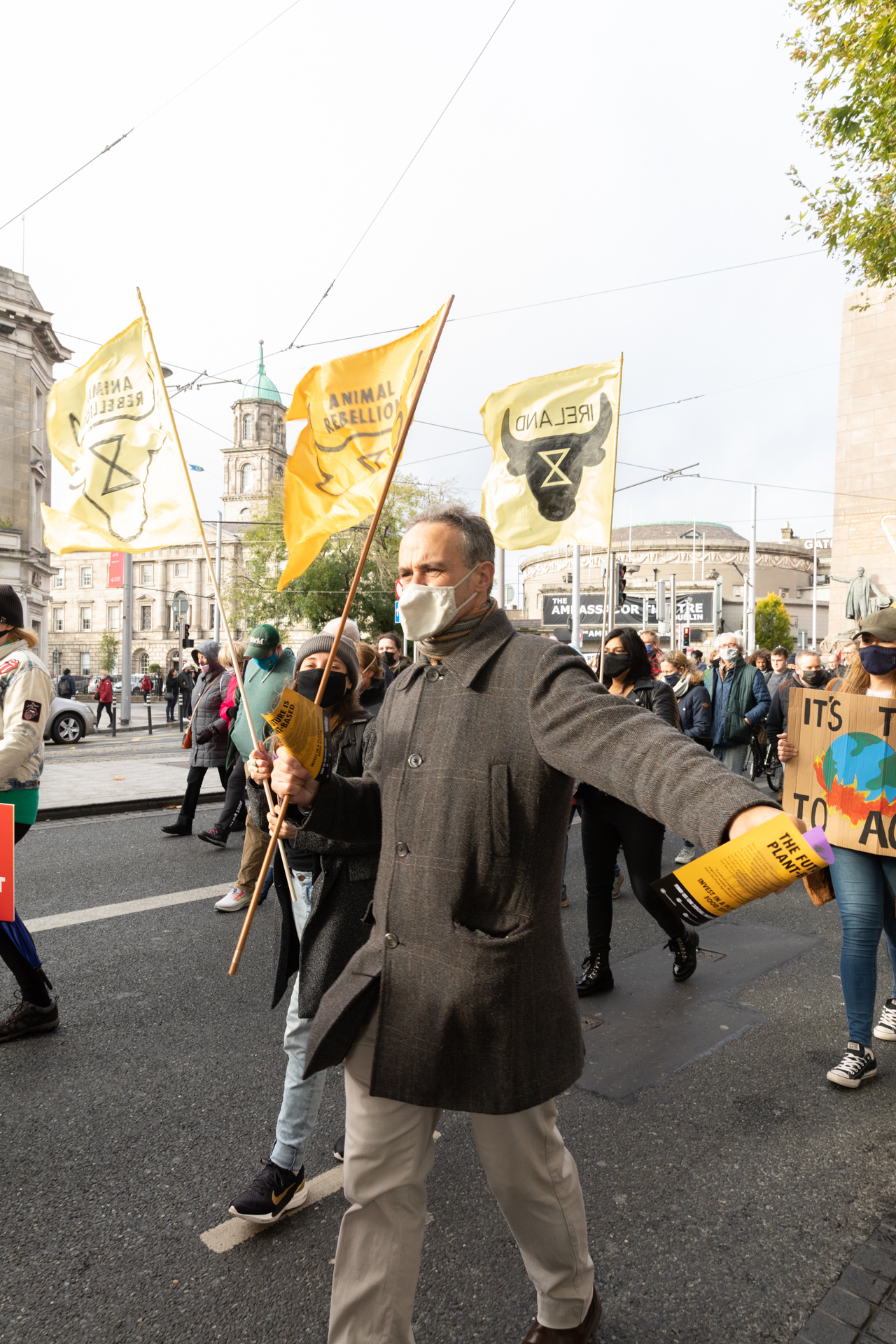
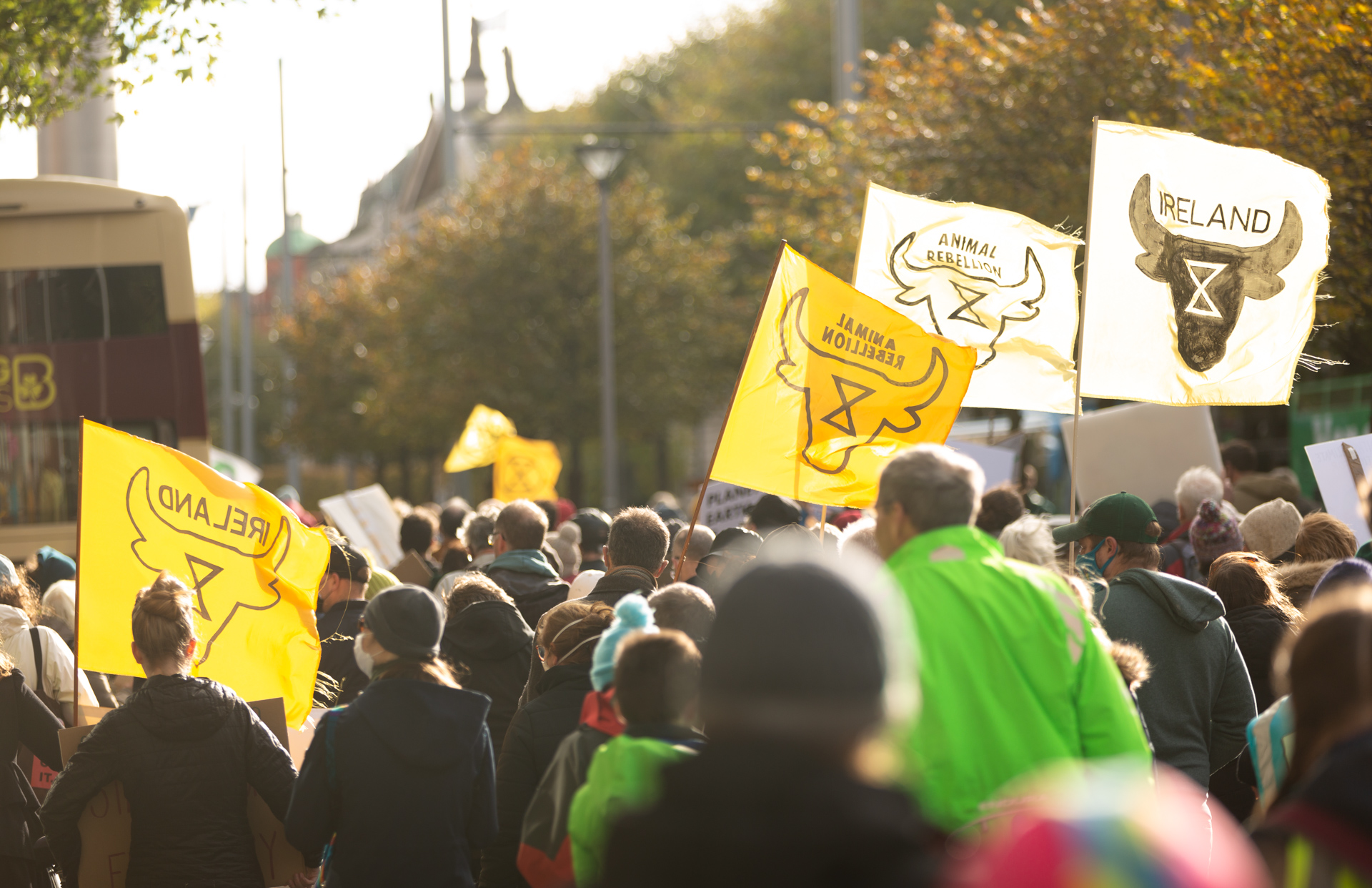
Animal Rebellion, March for Climate Justice
Plant-Based Food System
Animal Rebellion supporter on the March for Climate Justice
Animal Rebellion supporters, March for Climate Justice
Bee the change you want to see
ACT on your PLEDGE. Save the Planet. This is not a Drill
Good Cop or Bad Cop
Save the Planet
Black and White Boat, March for Climate Justice
Colour Boat, March for Climate Justice
Black and White Scales on Boat
Colour Scales on Boat
March for Climate Justice
One Future One Planet
March for Climate Justice
Sunshine, Tree, Boat: March for Climate Justice
March for Climate Justice
Animal Rebellion Flag
March for Climate Justice
Flags, Trees, Sunlight, Boat
March for Climate Justice
Flags, Trees, Sunshine, Boat (Black and White)
March for Climate Justice
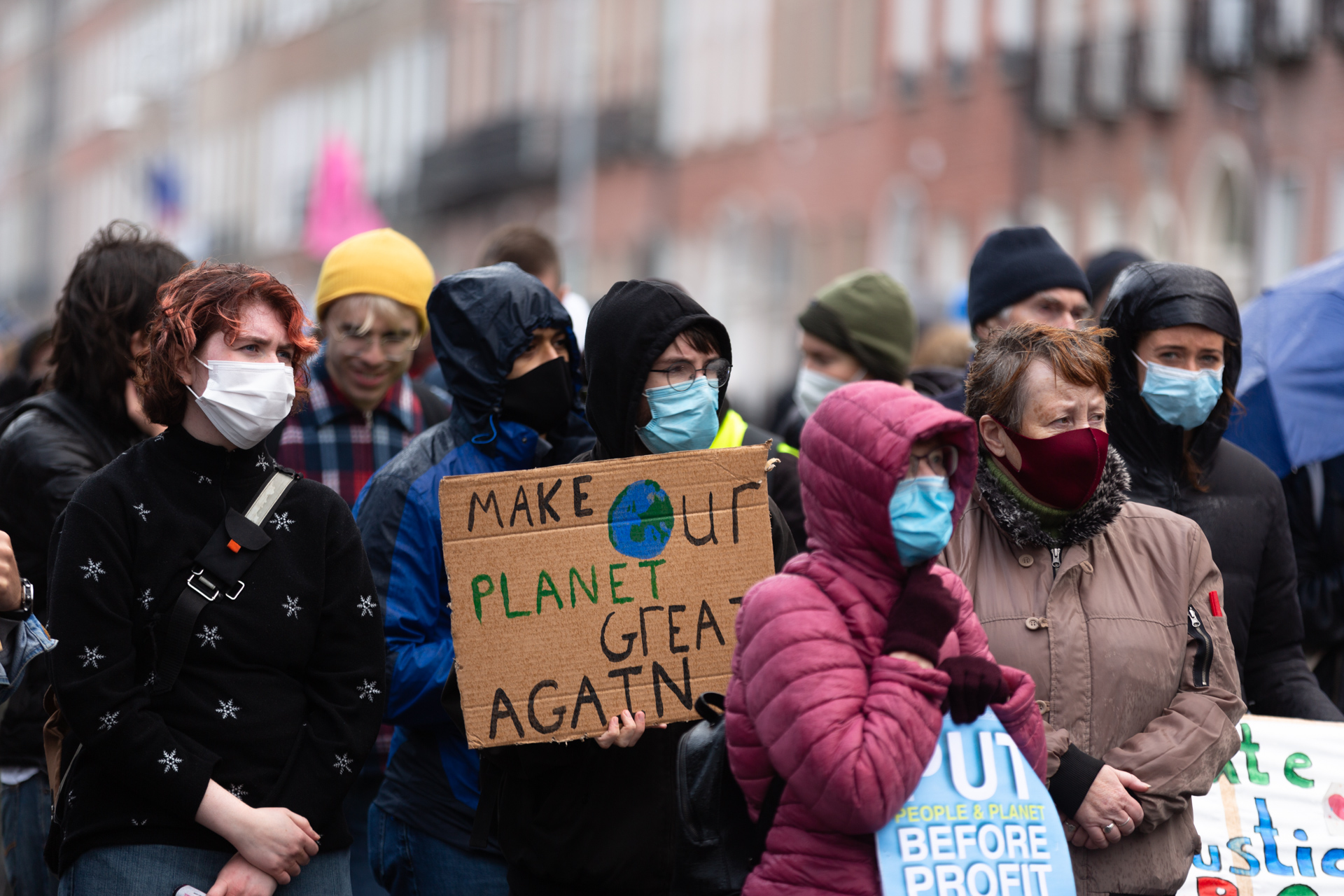
Make our Planet Great Again
March for Climate Justice
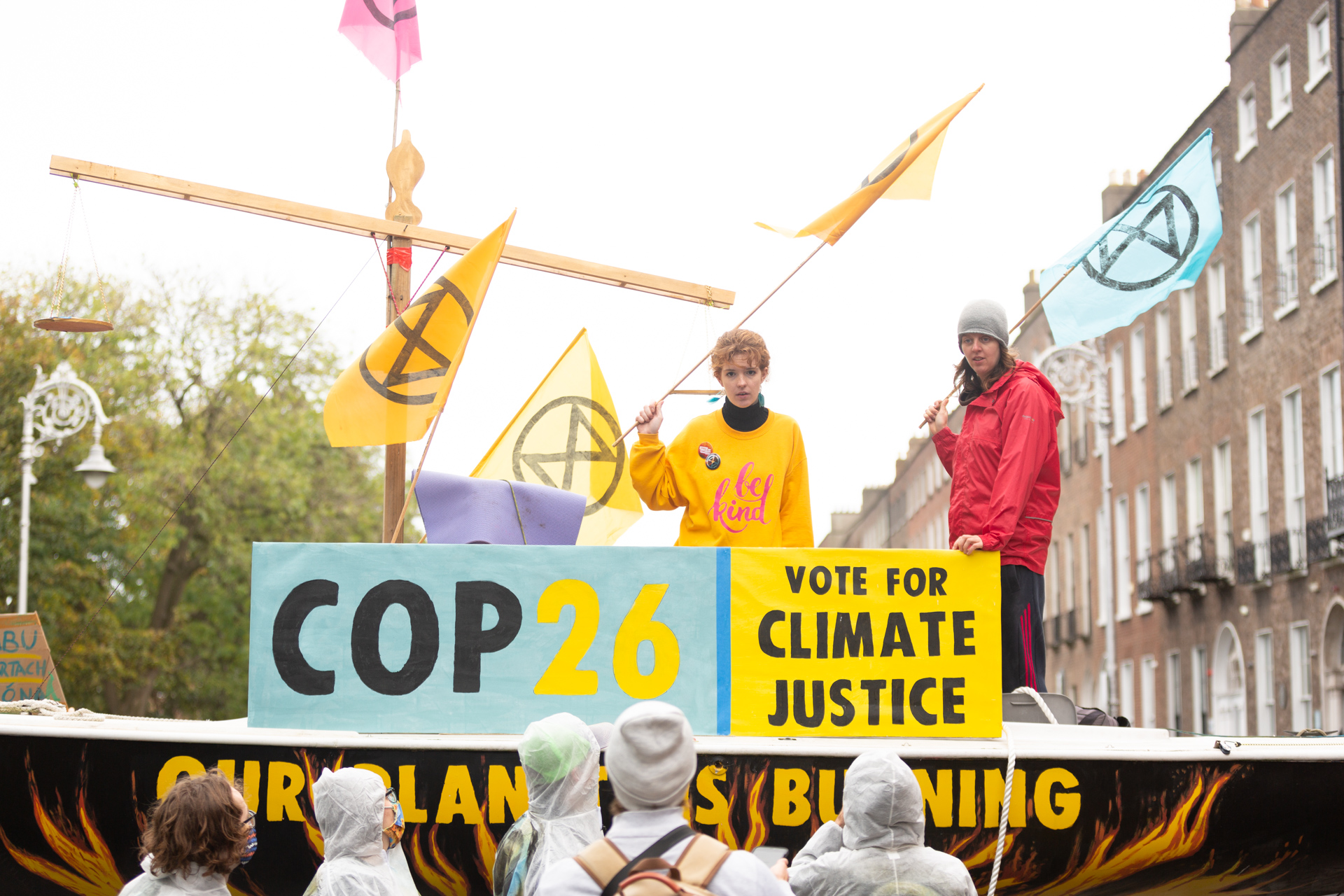
Cop 26: Vote for Climate Justice
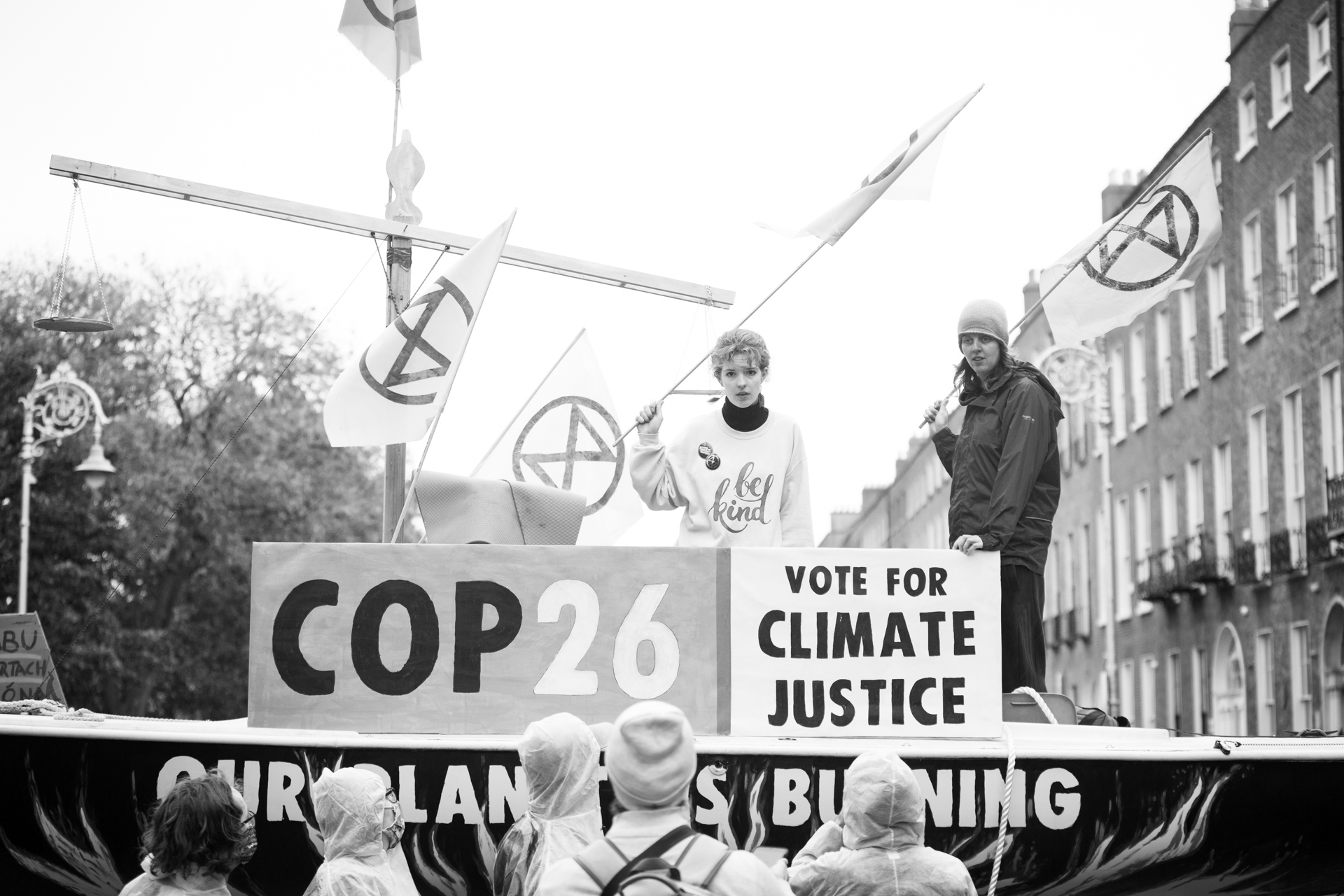
Cop 26: Vote for Climate Justice (Black and White)
March for Climate Justice
March for Climate Justice, Merrion Square, Dublin
March for Climate Justice
Free Frequent Public Transport
March for Climate Justice
Free Frequent Public Transport 2
March for Climate Justice
No More Empty Promises: Justice
March for Climate Justice
There Should not be Billionaires
March for Climate Justice
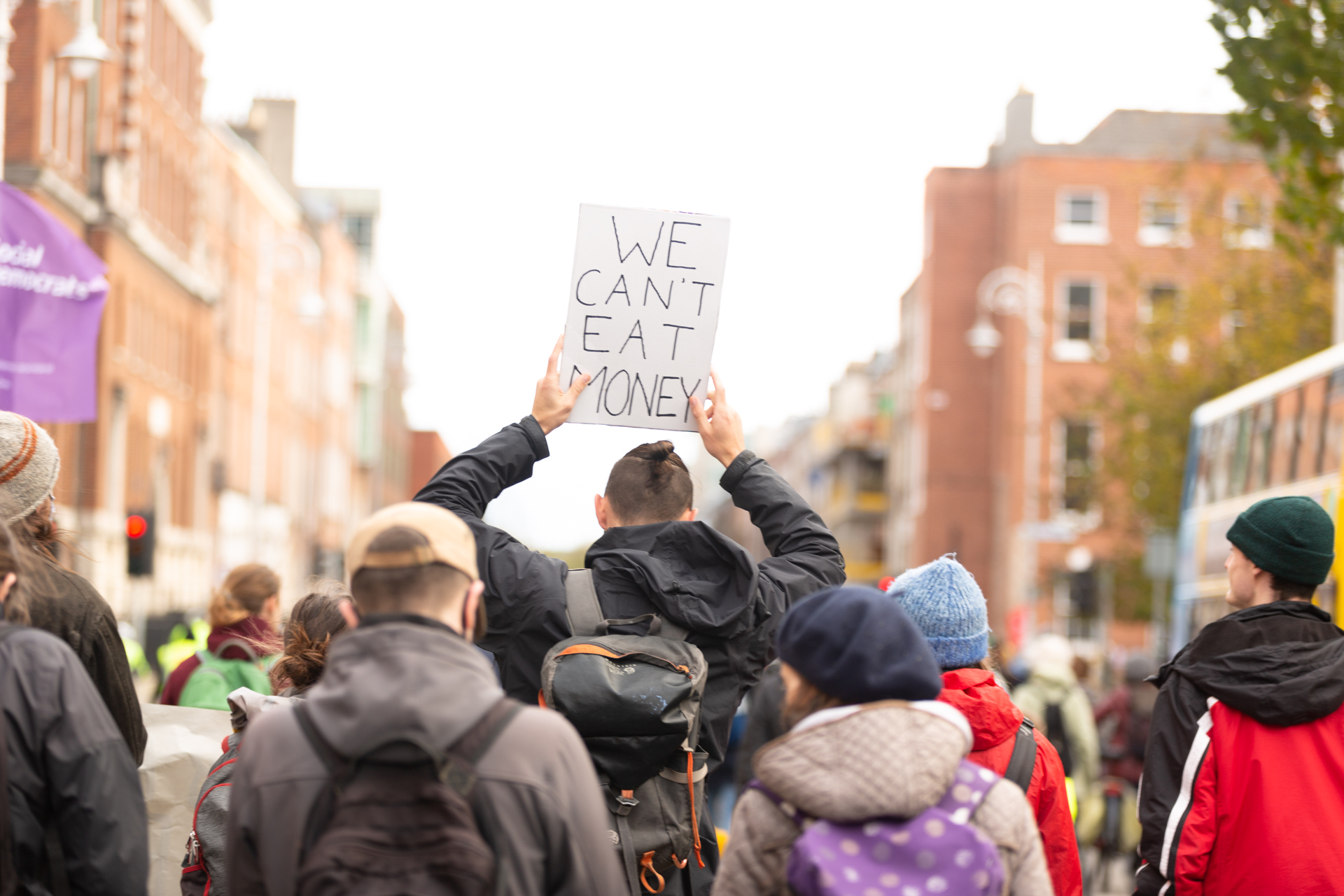
We Can’t Eat Money
March for Climate Justice
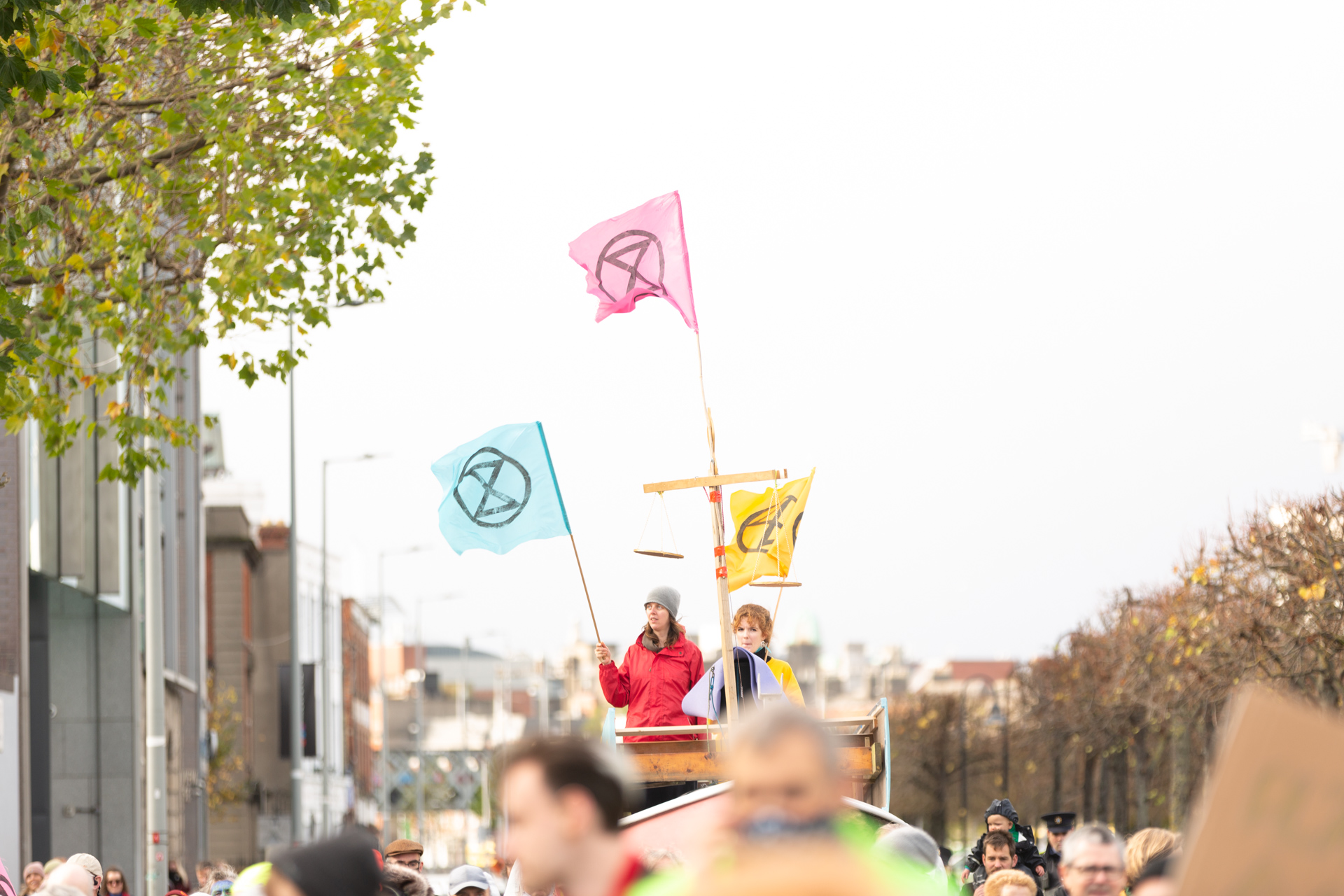
Extinction Rebellion Flags
March for Climate Justice
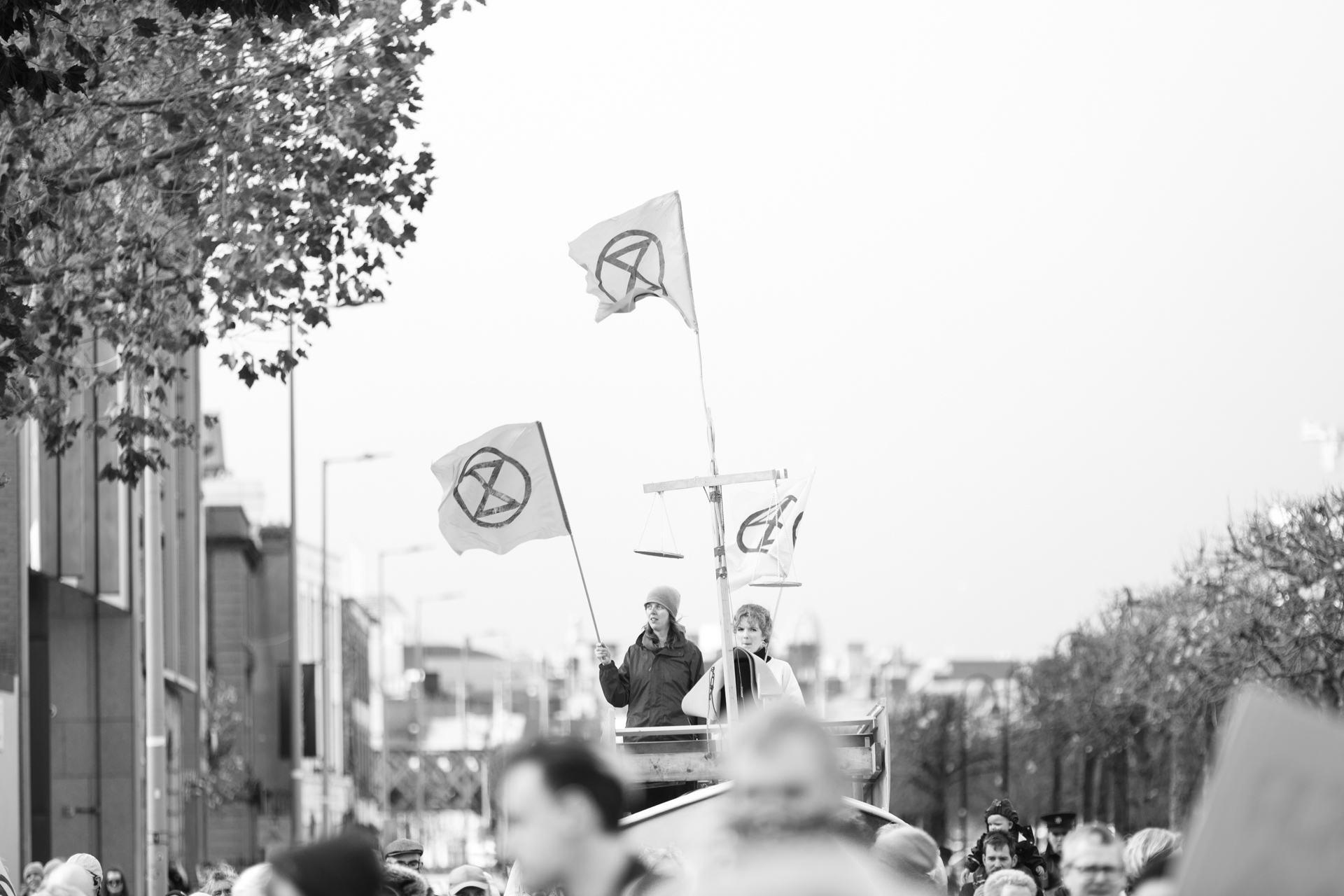
Extinction Rebellion flags (black and white)
March for Climate Justice
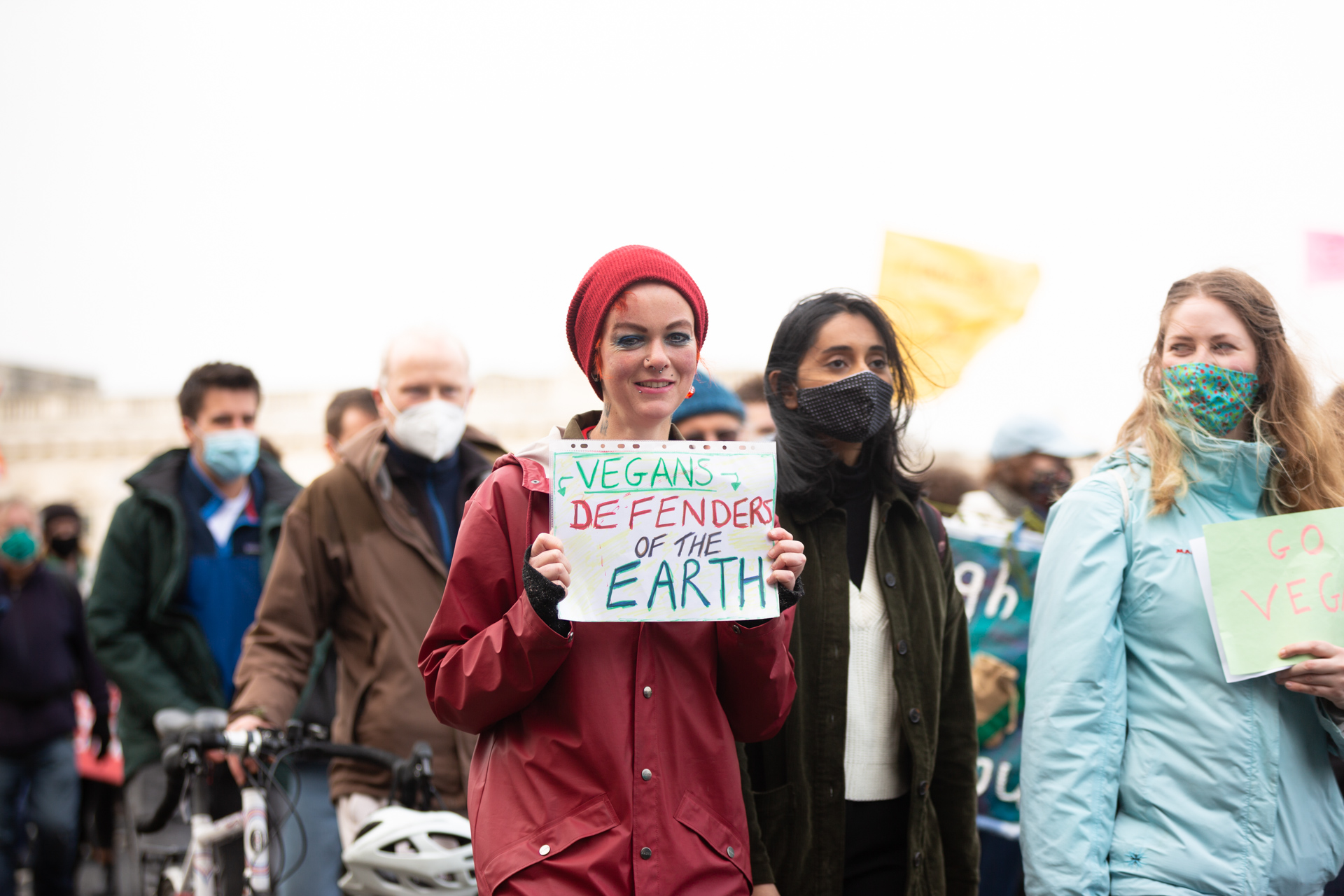
Vegans: Defenders of the Earth
March for Climate Justice
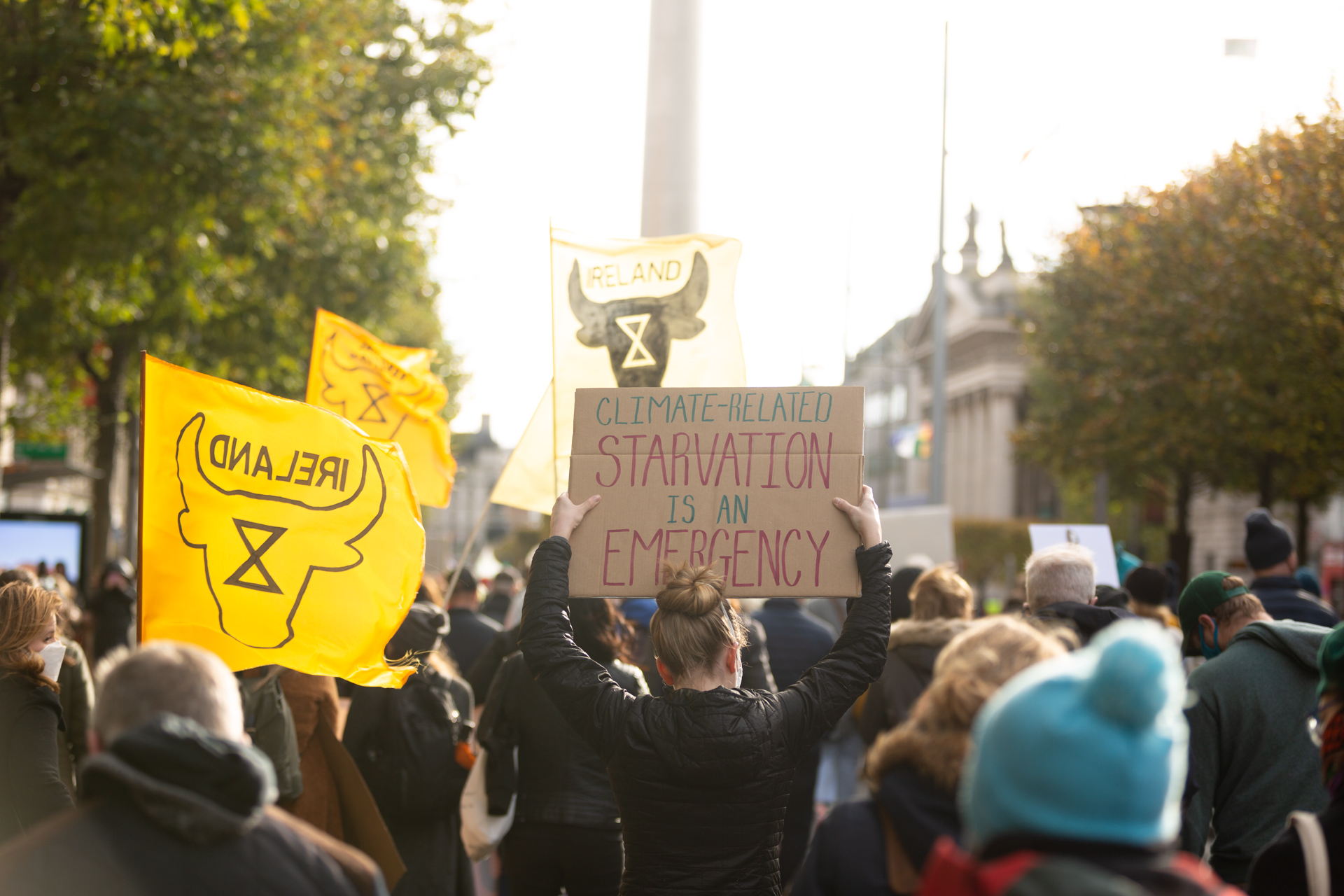
Climate-Related Starvation is an Emergency
March for Climate Justice
Animal Rebellion flags, March for Climate Justice, Dublin

March for Climate Justice

March for Climate Justice
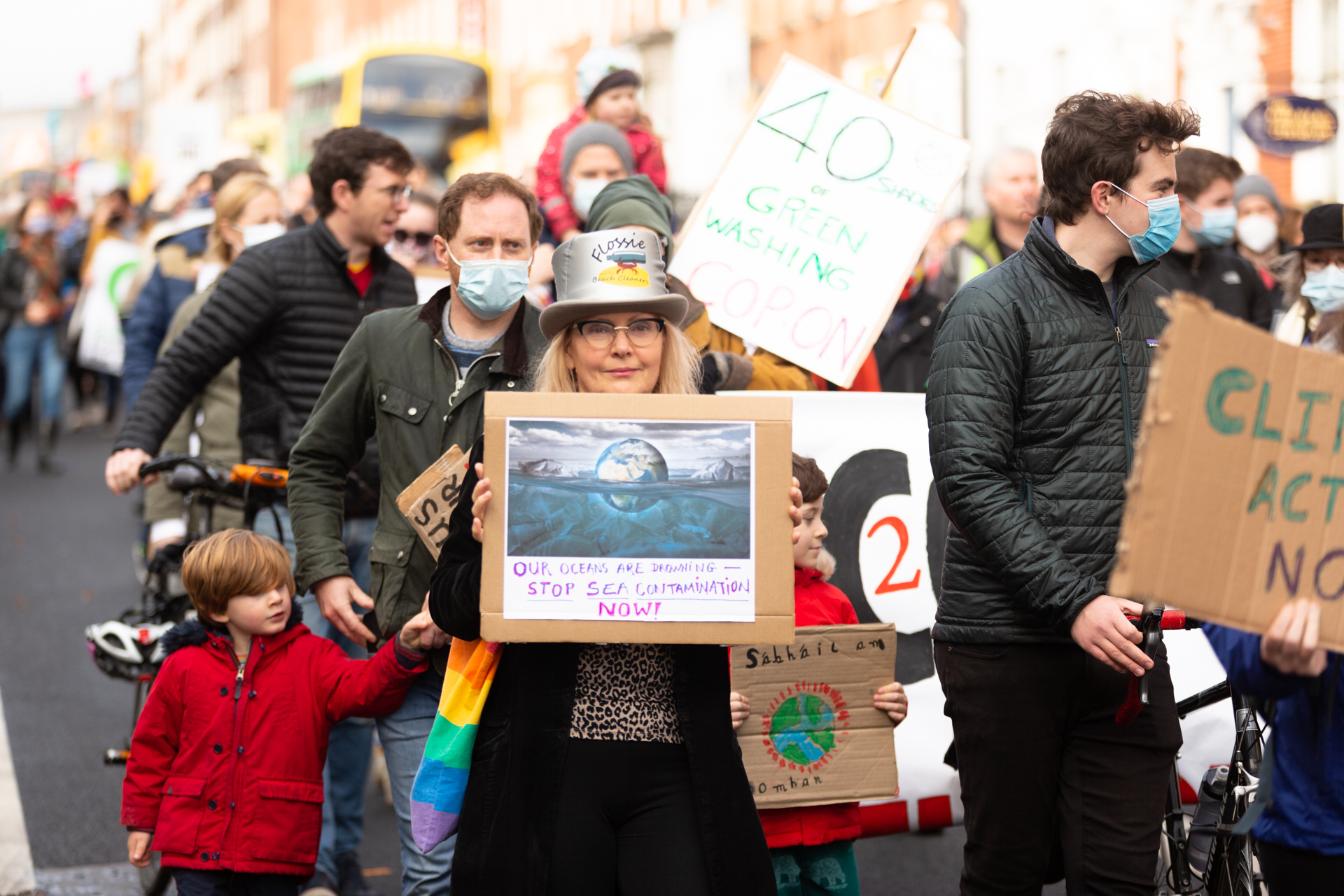
Our Oceans are Drowning – Stop Sea Contamination Now!
March for Climate Justice
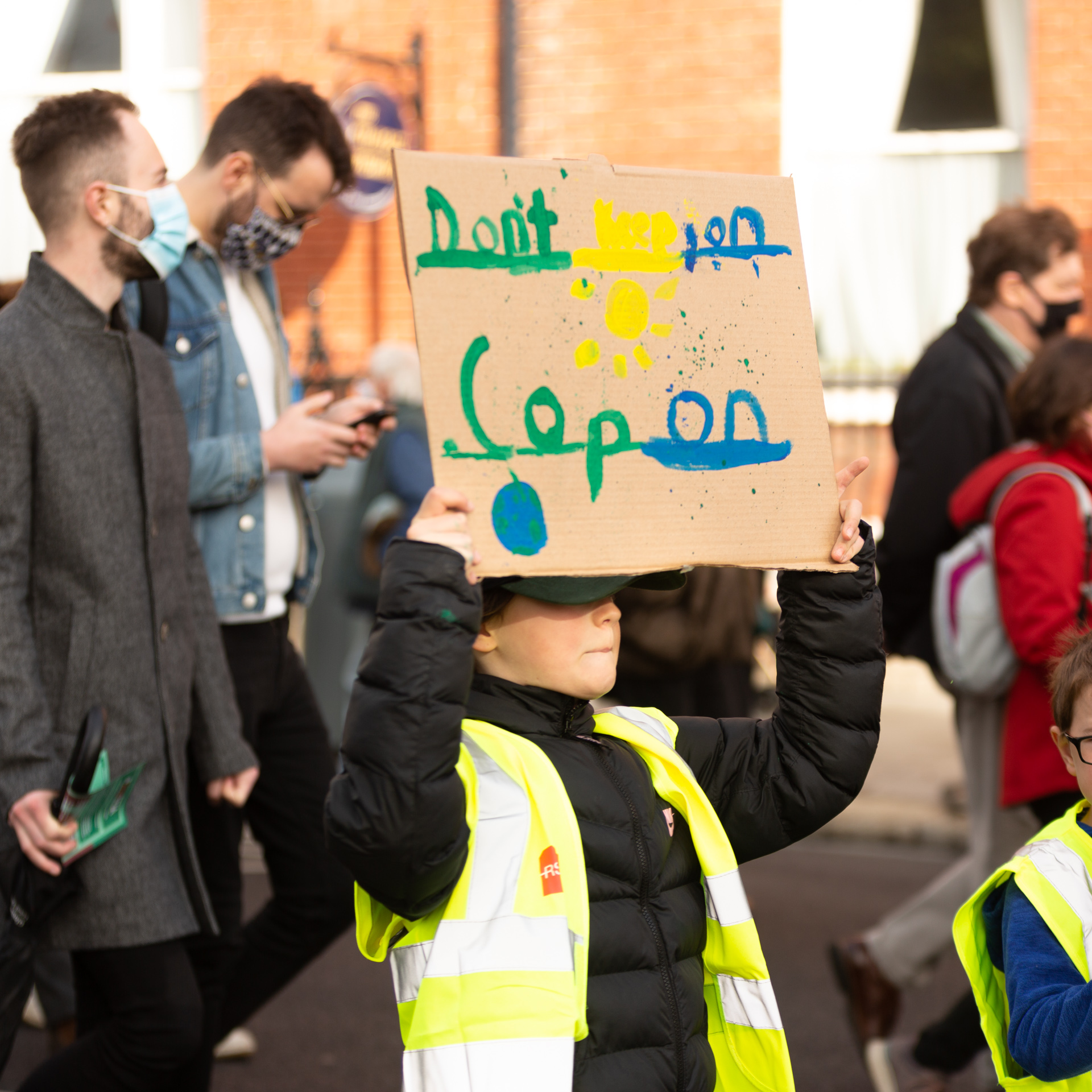
Don’t Keep On, Cop On
March for Climate Justice
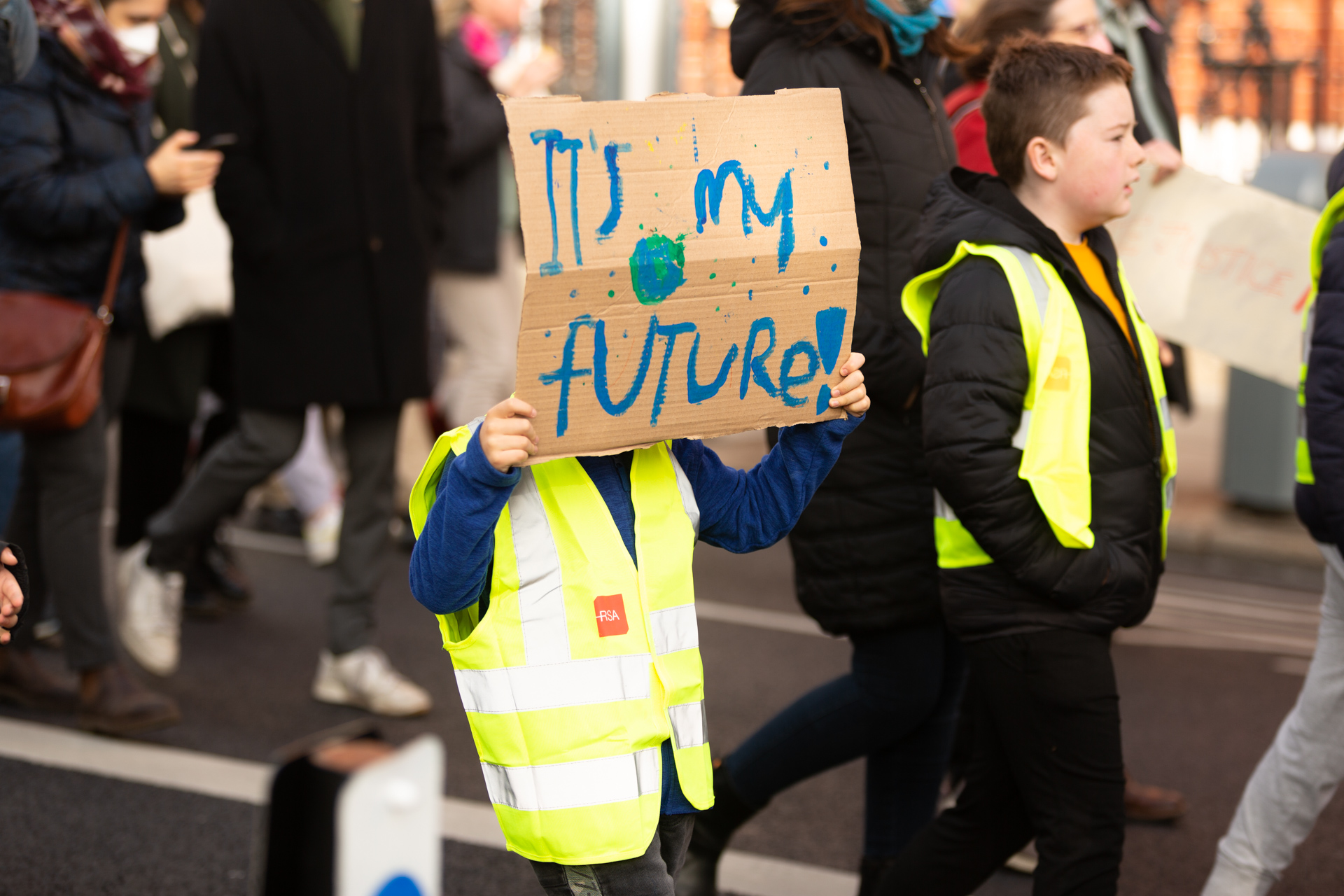
It’s My Future!
March for Climate Justice
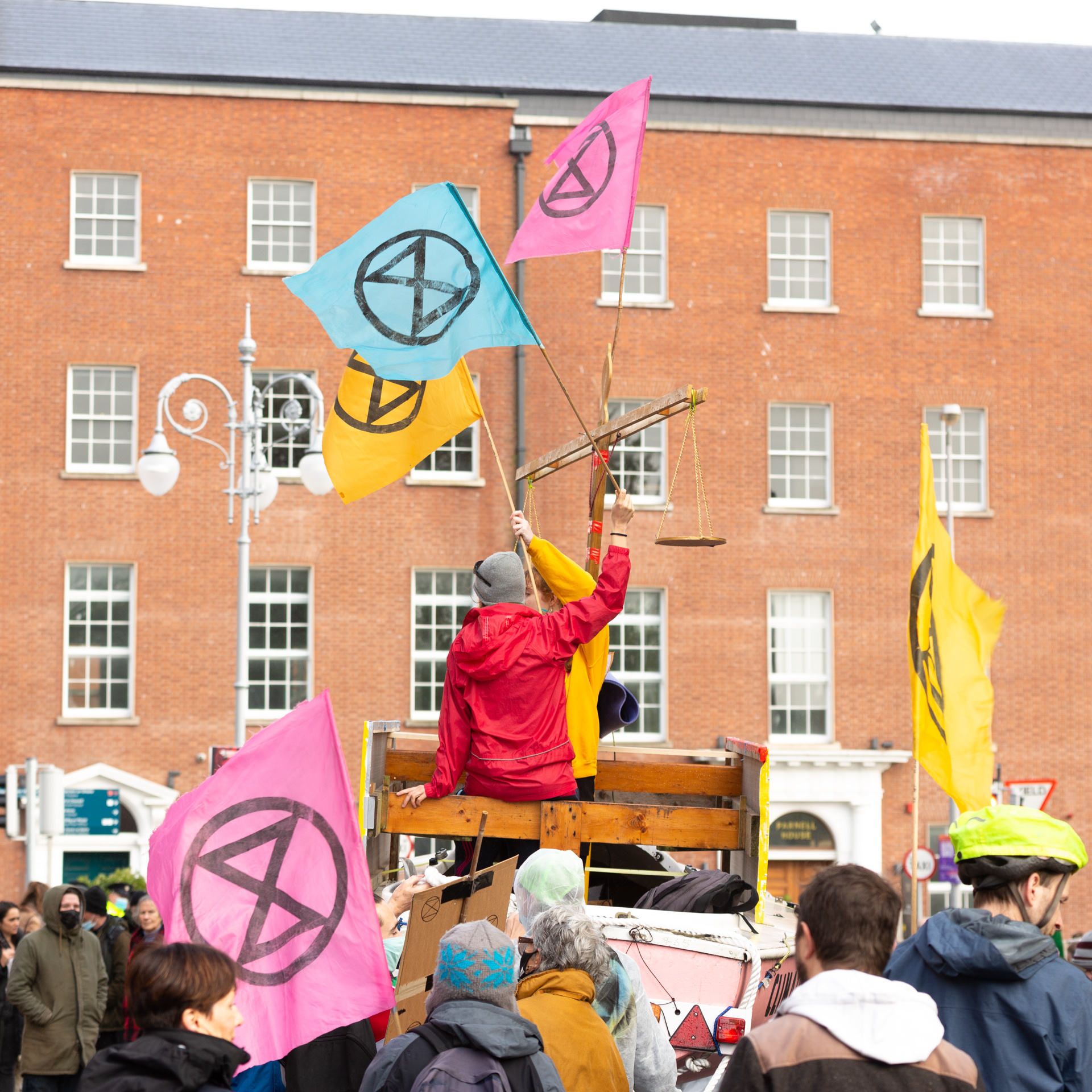
Extinction Rebellion Flags Parnell Square Dublin
March for Climate Justice
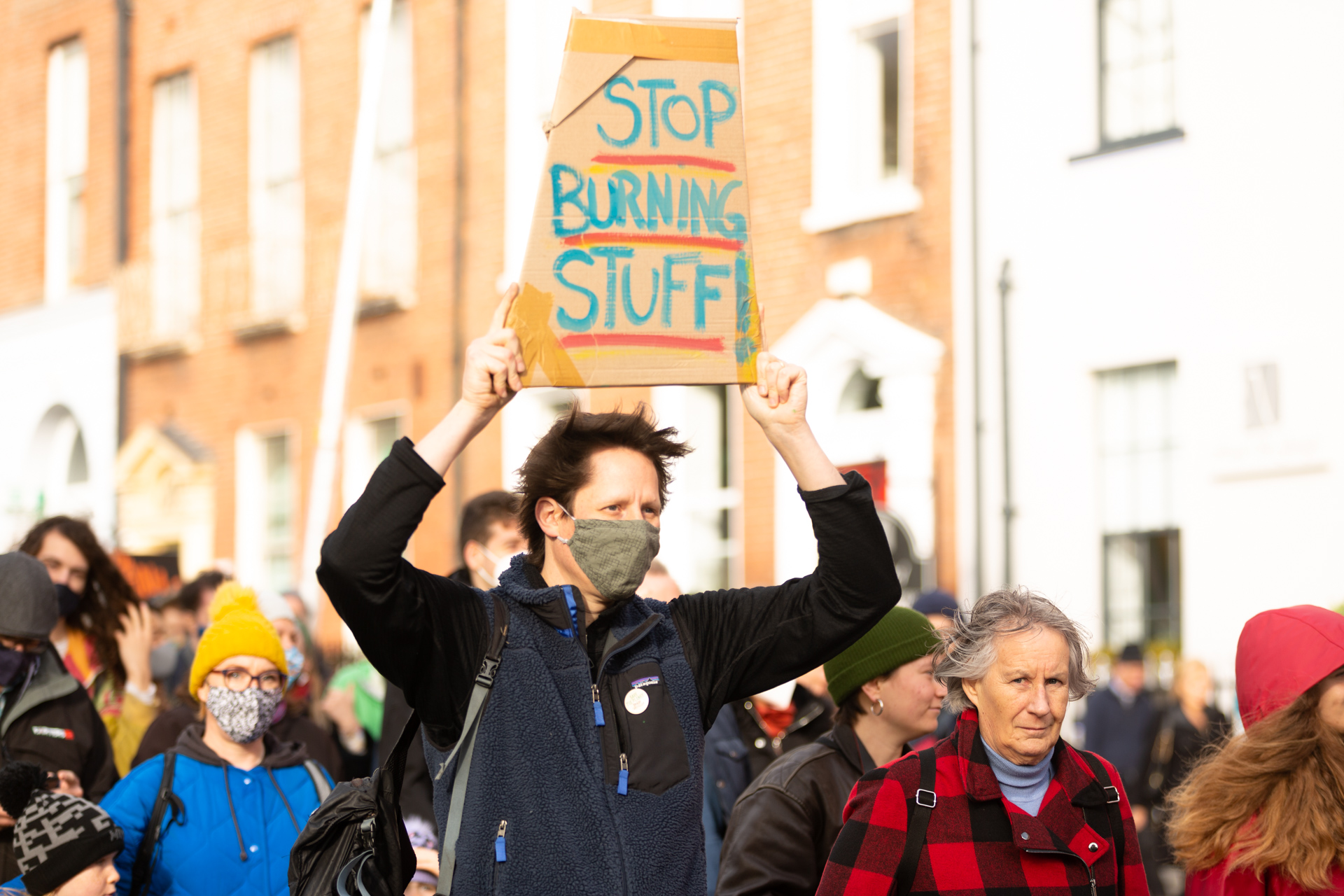
Stop Burning Stuff!
March for Climate Justice
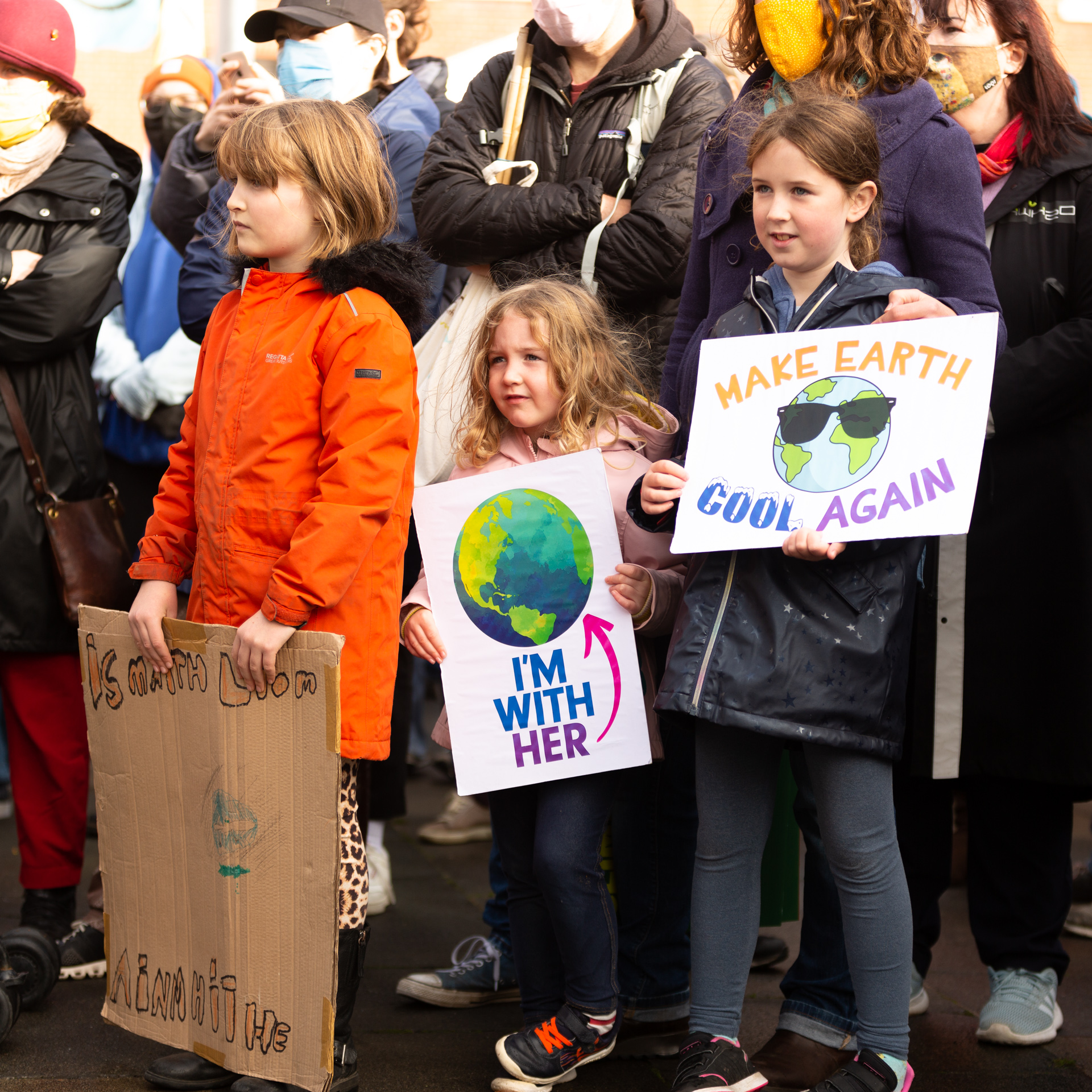
Make Earth Cool Again
March for Climate Justice
St George and Dragon, March for Climate Justice
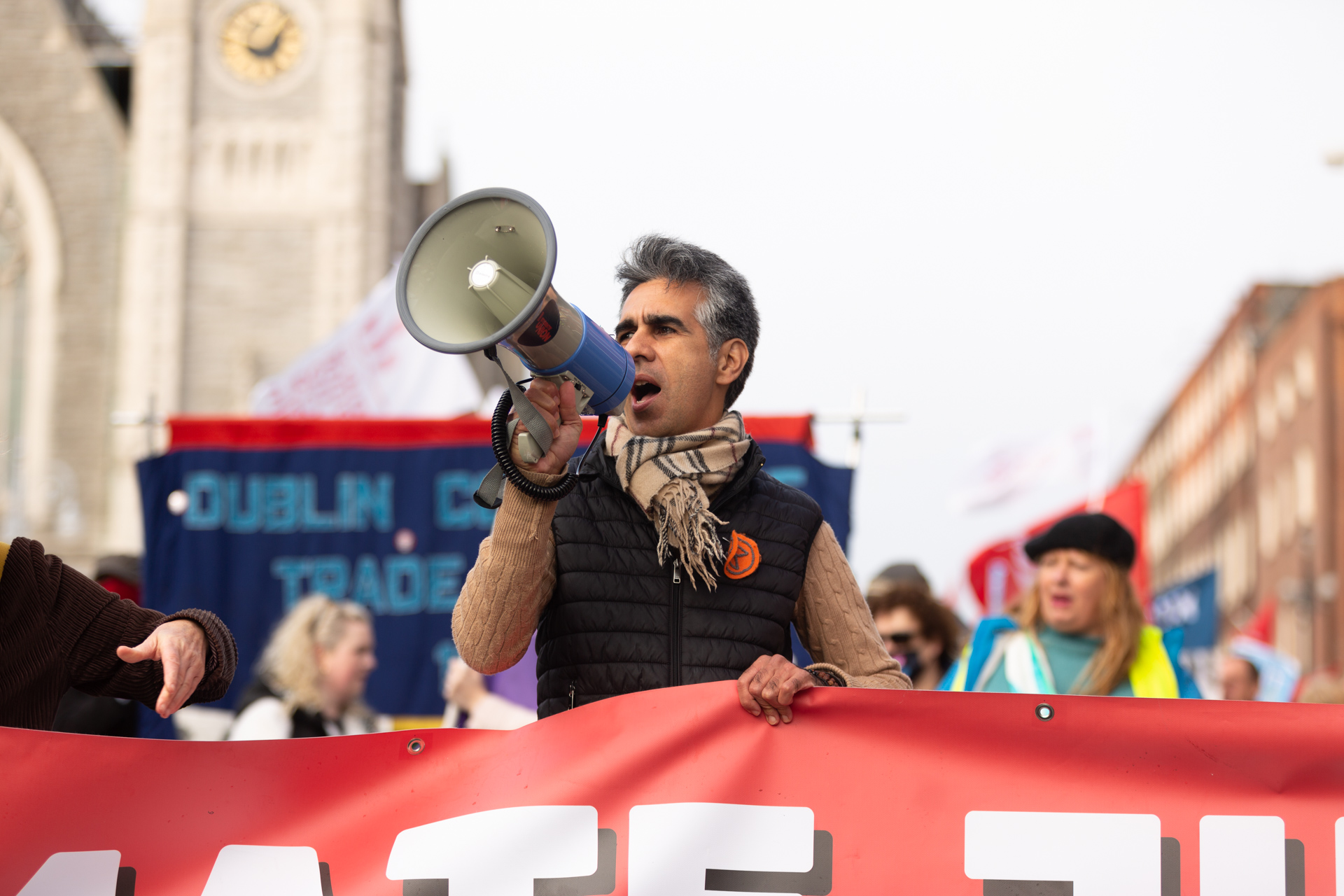
Megaphone, March for Climate Justice

These images are copyright Karl Leonard and not for reuse without contacting Independent Left first.

Why we are against Climate Geo-engineering.

Filed Under: Protests Ireland

‘Primitive Communism’: Did it Ever Exist?

10/11/2021 by Conor Kostick 13 Comments

The concept of primitive communism does not fit mega-settlements like Çatalhöyük
Çatalhöyük, in modern day Turkey, is one of many pre-historical cities that refute the concept of Primitive Communism.

A review of The Dawn of Everything: A New History of Humanity by David Graeber and David Wengrow and an explanation of why the concept of primitive communism is mistaken.

The way in which we imagine the first human societies is intimately connected to our current political beliefs. Conservatives believe in repression, the need for police, prisons and legal systems. To justify this, they argue that humans are inherently warlike and exploitative. Otherwise, we’d be in some kind of Mad Max scenario of everyone fighting each other over resources. And you don’t have to be an extreme conservative to still have a bleak take on humanity, based on your assumptions about the lives of hunter gatherers.

By contrast, for liberals and radicals, especially for Marxists, the idea that early humans existed in a state of primitive communism is an inspiring one. At the stage of primitive communism, it is believed, everything was shared and everyone looked after one another. Both conservatives and socialists look for evidence to support their views in anthropology and archaeology. And, as Graeber and Wengrow’s new book shows, both have created images of the distant past that are little better than fictions.

In this review of a book of enormous importance, I’m going to focus on what the evidence it presents and the arguments it makes mean for socialists. Conservatives can have their own battles over it.

Cover of The Dawn of Everything, a book that disproves the theory of primitive communism.
David Graeber & David Wengrow’s book, The Dawn of Everything is essential reading for socialists and anarchists

From Primitive Communism to Class Societies

In 1877, Frederick Engels wrote a polemical book, Anti-Dühring, which presented the following influential passage about the reason primitive communism gave way to class societies:

All historical antagonisms between exploiting and exploited, ruling and oppressed classes to this very day find their explanation in this same relatively undeveloped human labour. So long as the really working population were so much occupied with their necessary labour that they had no time left for looking after the common affairs of society – the direction of labour, affairs of state, legal matters, art, science, etc. – so long was it necessary that there should constantly exist a special class, freed from actual labour, to manage these affairs; and this class never failed, for its own advantage, to impose a greater and greater burden of labour on the working masses.

Almost all Marxists follow this idea: that for tens of thousands of years (100,000 BCE – 10,000 BCE), people lived barely above subsistence level. As Alex Callinicos puts it,  ‘Almost all the working day was taken up with necessary labour to meet society’s basic needs.’ An important conclusion that follows from this idea is that the eventual loss of egalitarianism among the small communities of hunter-gatherers was a tragic necessity. Although it brought exploitation, war, the oppression of women, and other injustices, the ending of primitive communism was a necessary step for science and art to advance.

A small surplus allowed a caste of priests, planners, builders and organisers to devote themselves full time to their duties. And over centuries, these people coalesced into a ruling elite. Despite the burden on the rest of the population, this was a necessary phase for humans to pass through, in order that these specialists could bring about the advances in the productive forces that would lead to food abundance (and widespread obesity); the discovery of the atom (and nuclear bombs); penicillin (and antimicrobial resistance); air travel (and global warming); etc.

Only now, with the enormous wealth that modern production can create, can we return to the lost spirit of sharing that existed in the era of primitive communism.

For many years I was a member of the Socialist Workers Party in the UK and Ireland. Before reading The Dawn of Everything, I might not have followed John Molyneux’s crude generalisation that ‘to the American Indian, private ownership of land was unnatural,’ but I definitely did repeat the argument expressed by Chris Harman, that a phase of primitive communism, where people lived in small groups of thirty to forty people, gave way to the first class societies as a result of an agricultural revolution, around 8,000 BCE, which was followed by an urban revolution around 4,000 BCE in Mesopotamia and 1,500 years later a similar development took place in Meso-America.

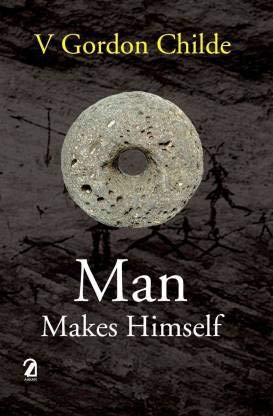
The very influential book Man Makes Himself by V.G. Childe
V. Gordon Childe’s ‘Man Makes Himself’ was enormously influential on the left

Harman leaned very heavily on the work of the Australian archaeologist, V. Gordon Childe and in particular Childe’s seminal works Man Makes Himself (1936) and What Happened in History (1942). Probably, most socialists and Marxists follow the schema in these books, which first formulated the idea of an agricultural and urban revolution having taken place that transformed human society and led to the first classes. No doubt those in the tradition of the Communist Party, the Socialist Party and perhaps socialist republicans and anarchists too, have their own pre-history ‘experts’, whose talks, writings, and educational materials explain the origin of classes in these terms.

Well, they were all wrong. We were all wrong.

Primitive Communism never existed

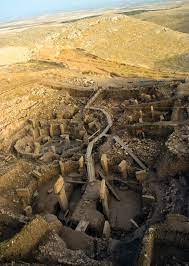
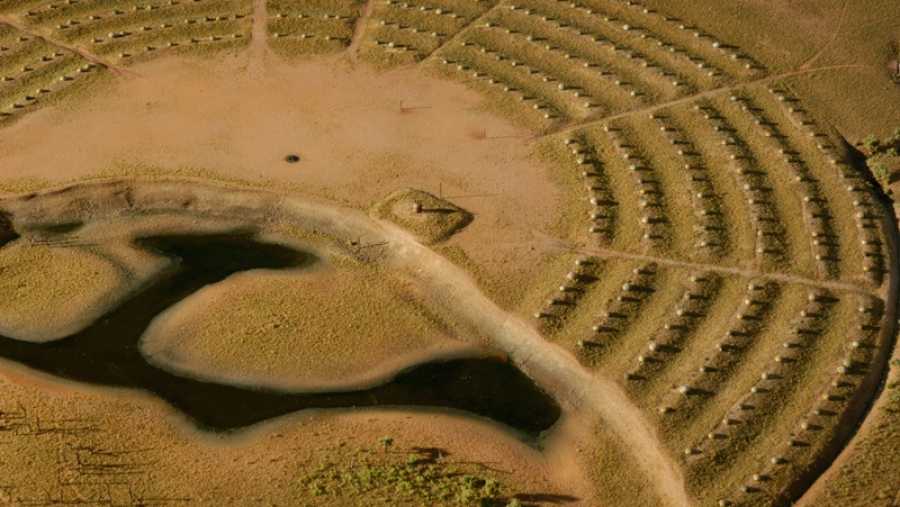
For some years now, the evidence has been growing for a pre-history of humanity that shows an extraordinary richness, both in terms of material production, like massive settlements of thousands of people, and in terms of cultural exchanges over immense distances. It will come as a surprise to everyone on the left who held to the ‘undeveloped human labour’ model for the origin of classes – just as it came as a surprise to me – to read of sites like Çatalhöyük in modern day Turkey, where perhaps 10,000 people flourished around 7,000 BCE. Or Göbekli Tepe, also in southern Anatolia, which dates from about 9,500 BCE and is another massive centre, whose stone pillars are covered in intriguing animal-dominated images. Poverty Point, in present day Louisiana, USA, is a site of massive earthen ridges distributed over 5km and constructed some time between 1700 BCE and 1100 BCE, that is, during the pre-farming period in the Americas.

Gobekli Tepe is another mass settlement from prehistory which cannot be reconcilled with the concept of Primitive Communism
Poverty Point shows a sophisticated culture involving thousands of people existed when the Americas were supposedly in a state of primitive communism.
Poverty Point, modern day Louisianna, shows a sophisticated culture involving thousands of people existed when the Americas were supposedly in a state of primitive communism.

With these examples and very many more, David Graeber and David Wengrow completely overthrow Childe’s timeline and his conclusions about the agricultural and urban revolutions. For millennia before the supposed agricultural revolution of the Near East, humans were experimenting with all sorts of ways of organising themselves, including moving to sites like Stonehenge for certain times of the year, then dispersing; mixing horticulture with hunting; and in settling together in their thousands. Large settlements came first, not agriculture.

The image of small, precarious bands of hunter-gathers that is so dominant in our image of pre-class societies is a backwards projection from people like the !Kung of the western edge of the Kalahari desert or the Inuit of the arctic. Pushed by modern societies to regions in which are difficult to exploit for profit and deeply affected by interaction with the rest of the world, it perhaps should not be too surprising that these examples turn out not to be good ones for the re-creation of the distant past.

Similarly, the idea that life was desperately precarious in the ‘primitive communist’ era is shattered by these examples. What makes us believe that people in these societies were barely surviving? Mainly, that it fits a schema where there has to be some reason why an elite would be allowed to dominate the population. Yet there’s no evidence to say that these early settlements were perpetually on the brink of starvation.

Given their stable existence for far longer periods than say New York, or Paris, or even Dublin, it might well be that the people of Teotihuacan – a Mesoamerican settlement near modern day Mexico City, whose peak was around 450 BCE when it had a population of around 200,000 spread over an area of ten square kilometres – would pity us if they could see us now. Pitied for several reasons, including the fact that we work far harder and longer than they did, just to pay rents and mortgages, let alone save up for a once-in-a-lifetime trip to Disneyland.

And yes, we have Netflix and they didn’t, but by the evidence of the sophistication of the legal practices of the population of Teotihuacan they might well have had more impressive self-government, storytellers, musicians, artists, sculptors, jewellery makers, and better drug taking experiences, and better games, etc. than we do. After all, in our day we have our own god to whom almost every aspect of our lives is sacrificed: Mammon. There’s no escaping the drive of the market, especially in music or art, where all sorts of anaemic production is foisted onto us.

Does the adoption of agriculture always lead to hierarchy?

Engels’s argument about the origin of classes is mistaken in the assumption that pre-agricultural societies required most people to be ‘occupied with their necessary labour’ for most of their time. And this book made me reconsider the logic of his next step: that therefore affairs of state, legal matters, art, science must fall to specialists who become an elite.

Modern day socialists have no problem imagining that workers today can have valid opinions on a wide variety of matters, including politics, law, art and science. So why would it be any different for our predecessors? Indeed, they probably had a lot more time for mass participation in such affairs, including the regulation of their societies. Over the thousands of years of society presented by modern archaeology, it seems that societies with permanent elites were the exception. Graeber and Wengrow give plenty of examples, indeed, where civilisations seem to have consciously been on guard against the formation of ruling elites and even carried out revolutions against those who tried to take over.

Taking Taosi in modern day north China as a case study, archaeologists have found evidence that around 2,000 BCE, ‘the city wall was razed flat, and … the original functional divisions destroyed, resulting in a lack of spatial regulation. Commoners’ residential areas now covered almost the entire site, even reaching beyond the boundaries of the middle-period large city wall. The size of the city became even larger, reaching a total area of 300 hectares. In addition, the ritual area in the south was abandoned. The former palace area now included a poor-quality rammed-earth foundation of about 2,000 square metres, surrounded by trash pits used by relatively low-status people. Stone tool workshops occupied what had been the lower-level elite residential area.’

Moreover, commoner graves suddenly appeared on the elite cemetery and in the palace district a mass burial with signs of torture and grotesque violations of the corpses appears to be an ‘act of political retribution.’ As Graeber and Wengrow observe, this strongly suggests a revolution against an elite and it was a probably a successful one given that the phase of commoner housing and burial on former elite grounds lasted two or three hundred years and the city grew in size. ‘At the very least,’ they conclude, ‘the case of Taosi invites us to consider the world’s earliest cities as places of self-conscious social experimentation, where very different visions of what a city could be like might clash – sometimes peacefully, sometimes erupting in bursts of extraordinary violence. Increasing the number of people living in one place may vastly increase the range of social possibilities, but in no sense does it predetermine which of those possibilities will ultimately be realised.’

‘Primitive Communism’ does not fit the archaeological evidence

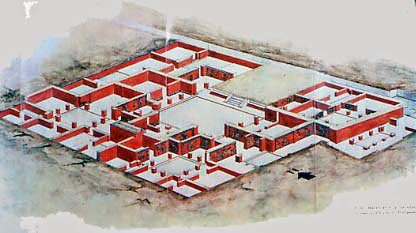
Another even more persuasive example of the mass participation of the population of an early city in their civic affairs is that of Teotihuacan, mentioned above. Again, the city went some way down the road of authoritarian rule, but around 300 CE reversed course to live without elites. Around that time, a practice of building massive pyramids stopped, as did the practice of human sacrifice. From around 200 CE a new phase of housing construction had taken place, accelerating after 300 CE: these were impressive masonry apartments laid out on regular plots from one end of the city to another until most of the city’s 100,000 residents had comfortable accommodation with integrated drainage and plastered floors and walls that were often painted with bright murals (reading about which will make any Irish reader living amidst a deep housing crisis envious).

Teotihuacan, near modern day Mexico City,  had a population of around 200,000 people in 450 BCE
A housing compound at Teotihuacan, near modern day Mexico City. Teotihuacan had self-government and a population of around 200,000 people in 450 BCE

Even the most modest households of Teotihuacan after 300 CE had what seems to be a comfortable lifestyle, with a varied diet and access to imported goods. When their vivid art depicts human activity, no one is of a greater size than any other (in contrast to the art of early class societies) and no one is depicted in a role of authority. One archaeologist has described the citizens as not just anti-dynastic but engaged in a utopian urban life. That this claim is more than plausible is demonstrated by a neglected text written by one of the Spanish conquerors of Mexico, Francisco Cervantes de Salazar’s unfinished Crónica de la Neuva España (c.1558 – 63).

Salazar describes how when the Spaniards dealt with the city of governing council of city called Tlaxcala they found no royal court to deal with but an urban council of representatives. One of the eldest (and farsighted) of these representatives was Xicotencatl the Elder, who advised against an alliance with the Spaniards even if that would lead to the defeat of their hated Aztec foes. Xicontenal pointed out that the Spanish invaders were, ‘like ravenous monsters thrown up by the intemperate sea to blight us, gorging themselves on gold, silver, stones, and pearls; sleeping in their own clothes; and generally acting in the manner of those who one day would make cruel masters… There are barely enough chickens, rabbits, or corn-fields in the entire land to feed their bottomless appetites… why would we – who live without servitude, and never acknowledged a king – spill our blood only to make ourselves into slaves?’

Another Spanish account describes the procedure for becoming a representative in Tlaxcala, which is summarised by Graeber and Wengrow as follows. ‘Those who aspired to a role on the council of Tlaxcala, far from being expected to demonstrate a personal charisma or the ability to outdo rivals, did so in a spirit of self-deprecation – even shame. They were required to subordinate themselves to the people of the city. To ensure that this subordination was no mere show, each was subject to trials, starting with mandatory exposure to public abuse, regarded as the proper reward of ambition, and then – with one’s ego in tatters – a long period of seclusion, in which the aspiring politician suffered ordeals of fasting, sleep deprivation, bloodletting and a strict regime of moral instruction. The initiations ended with a “coming out” of the newly constituted public servant, amid feasting and celebration.’

This tradition of complex safeguards against ambitious representatives coming to the fore strengthens the idea that Teotihuacan had no royal rulers. Nor is the idea of self-government and caution against the formation of elites with real power limited to the Americas. It was, after all, a feature of democracy in Ancient Greece that representatives were chosen by lottery, rather than vote, precisely to avoid the rich, ambitious, and charismatic politician being able to dominate proceedings. Just think how much healthier our own democracy would be if instead of having a majority of wealthy TDs who are networked into various business and property interests (25% are landlords), we chose them by lottery. Yes, we might get some duds but so too does the current Dáil: I’m thinking especially Michael and Danny Healy Rae. We’d be spectacularly unlucky if the lottery picked someone with more bizarre views than theirs.

Are there any weaknesses with The Dawn of Everything?

All books have their strengths and weaknesses. And in discussing a few areas I found problematic in The Dawn of Everything, I am not at all taking away from the core arguments, which I think are irrefutable: there was no ‘primitive communist’ stage of human existence; massive settlements appeared before the widespread development of agriculture; there was no necessary connection between underdeveloped agriculture and the appearance of class societies and these societies were every bit as intellectually and artistically rich as our own (probably more so).

I have a dislike of arguments that despite acknowledging weak foundations then charge towards their conclusions as if those weaknesses aren’t present. An extreme example is Donnchadh Ó Corráin’s The Irish Church, its Reform and the English Invasion, which is heavily dependent on a belief that a key document, Laudabiliter, is genuine. Yet there are strong reasons to think it a forgery. These are dismissed by Ó Corráin in a footnote and he’s thus able to present his conclusions as if they are much more convincing and certain than the evidence actually allows for.

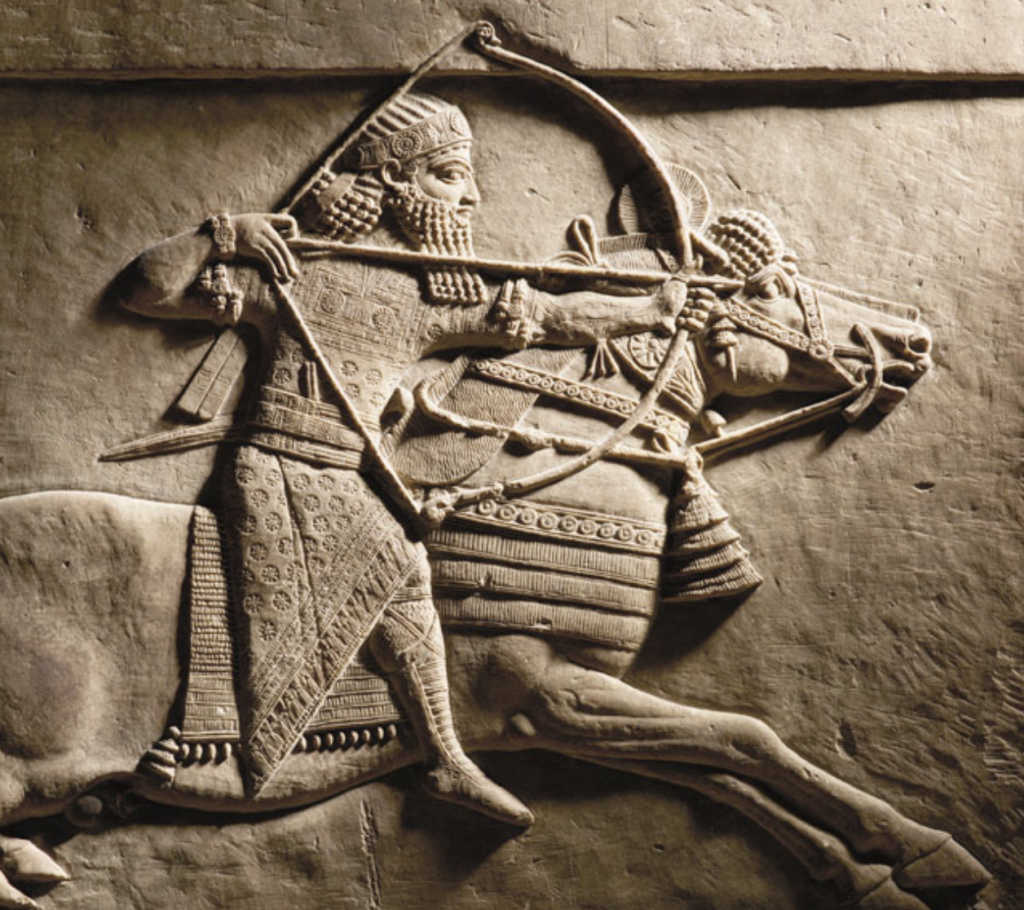
I have a concern that this type of practice is at work in The Dawn of Everything i.e. of a tendency to overstate the evidence in favour of their argument and under-represent caveats and doubts. What makes me say this is that for the most part, the case studies are entirely new to me and I am completely dependent on Graeber and Wengrow’s presentation of them. But I have some knowledge of the reign of Ashurbanipal, ruler of the Assyrian empire 668 – 631 BCE. According to The Dawn of Everything, despite the brutal conquests of emperors Sennacherib and Ashurbanipal, ‘when dealing with loyal subjects they were strikingly hands-off, often granting near-total autonomy to citizen bodies that made decisions collectively.’

Ashurbanipal, King of Assyria 668 - 631 BCE, had tight control of the cities of Assyria
Ashurbanipal King of Assyria had tight control of the cities under his rule.

The point Graeber and Wengrow are making here is that the Mesopotamian cities had town councils that were reflective of ‘participatory government’ and that ‘city dwellers (even under monarchies) largely governed themselves, presumably much as they had before kings appeared on the scene to begin with.’ The references for these ideas are a paper by Gojko Barjamovic discussing the term ‘citizens of Babylon’ in the sources and  the archaeology of Mashkan-shapir from around 2,000 BCE. Now, I’m perfectly happy with the idea that the earliest Mesopotamian cities, Uruk especially, had popular government and no royal rulers. But to use evidence from 1,500 years earlier to presume self-government was intact in Ashurbanipal’s day is too big a stretch. Moreover, Brajamovic’s argument is not that ‘citizens of Babylon’ was a term implying every cook could govern (a phrase Graeber and Wengrow use for these Mesopotamian cities) but rather that the ‘overlords’ and ‘superiors’ of Babylon were local figures who would meet to discuss important matters such as whether to stay loyal to Assyria or join a revolt against the empire.

To say that in a time of civil war, a body of people coming under the term LÚ.GN.KI.MEŠ (‘the citizens of the city GN’) were a distinct civic institution is interesting. The examples given by Brajamovic indicate there was in Babylon c.650, some kind of assembly of elders of local inhabitants, who held executive power. This body of citizens might well point to a pre-existing tradition of non-royal government. It does not, however, provide any evidence for popular self-government, of widespread involvement of the whole of the people in how the city was run. And even if we allow popular autonomy for Babylon around this time, it is clearly a mistake to make the generalisation that across Mesopotamia collective decision making allowed cities to run pretty much as they had been before the rise of royal power. By the time of Ashurbanipal, most Mesopotamian cities were being micro-managed down to the assignments of individual workers by the central authority via their governors and officials.

You don’t have to be a specialist in the field to see this. If you open up the State Archives of Assyria, and browse the letters from kings and princes to their servants, you’ll see no end of detailed instructions that show an absolute authority over the military, economic and religious affairs. Taking one at random: SAA 18.006:

A tablet of the crown prince to the deputy (governor) and Nabû-dini-a [mur]. Mar-Biti-ibni, a citizen of Der, helped thirteen men run away, and brought them where you are.

You (sg.) gave five of them to Šiyu, but eight (remain) in [yo]ur (pl.) presence.

No[w], send (pl.) […]!

There are thousands of these types of instruction for the Neo-Babylonian period, covering every aspect of city life. My concern therefore is that if Graeber and Wengrow are exaggerating their case here, which I think they are, might they be doing so for other case studies where I have no firm ground to stand on which allows me to interrogate their examples?

What does the collapse of the concept of Primitive Communism mean for the left?

Whether or not Graeber and Wengrow have tried a little too hard to add extra examples to their case, the evidence of cities like Taljanky, Maidenetske, Nebelivka, Çatalhöyü, Göbekli Tepe, Poverty Point, Uruk, Mohenjo-daro, Teotihuacan, Liangchengzhen, Yaowangchen, and Caral, is that cities of thousands of inhabitants existed in pre-history. Talkanky and its neighbouring Ukrainian mega-settlements had a definite surplus produce from their sustainable mix of hunting and foraging, orchard keeping, livestock and household plots for grains. Yet over centuries there is little evidence for warfare or the development of a ruling class.

Mohenjo Daro was a mega-city of about 2500 BCE
Mohenjo Daro, in modern day Pakistan, was a mega-city around 2,500 BCE.

Engels’s idea about Primitive Communism and the transition to the first class societies turns out to be just as much a thought experiment as Rousseau’s idea that there was probably an innocent state of grace for humanity in our distant past, but that this time of noble savagery gave way to the appearance of injustice with the introduction of property relations. Engels is Rousseau plus the language of surplus value. Neither of their speculations have any foundation in the actual human experience.

What this means for those who believe in the possibility of humans living as equals again in the future, without war or exploitation, is very exciting. There have been dozens, perhaps hundreds, of examples of non-hierarchical societies that didn’t just exist as small foraging bands but also in communities of 10,000 – 100,000 people. Note that these were far from utopias, many of them practiced human sacrifice. But they governed themselves without a warrior aristocracy. It turns out that humans are good at creating sophisticated political systems to avoid being controlled by elites and that our predecessors were a lot better at it than us.

Graeber and Wengrow introduce their argument with the example of the Native American (Huron-Wendat) statesman Kandiaronk, who witnessed French society and provided a devastating critique of it. That his own world was superior in terms of quality of life is evident not just from the fact that no individuals died of destitution as they did in France, nor enslaved themselves for money, but that time after time, those Europeans who made the effort to learn the language and customs of the Iroquoian-speaking people chose to leave their European past behind and live out their lives with the native Americans.

Why do we assume the times we live in are superior to those of the distant past? In many important ways, including the distinct possibility we might bring about an apocalypse, ours is inferior. This book will play an important part in shifting our perception of our times and helping appreciate that we don’t have to live in a class society.

So is it a book to be welcomed by the socialists and the left? It certainly should be, but there are going to be large numbers of people in the old left who will resist it. First of all, there is a kind of Marxist – typically someone inclined to look at Russia or China through rose-tinted glasses – who has a notion that history passes through logical stages: primitive communism, agricultural revolution, urban revolution, slavery, feudalism, capitalism and communism. Probably, the most extreme form in which I ever encountered this argument was that of David Laibman’s Deep History, in which his Abstract Social Totality concept drove history through these stages.

Even parties with a less dogmatic approach to Marxism and with a more critical attitude towards nations calling themselves communist will also struggle to accept the evidence of The Dawn of Everything. Why? Because the Socialist Party, Socialist Workers Network, RISE, etc. come from a tradition that also has ossified their thinking about history into stages driven by changes in the forces and relations of production. I should know, for years I gave educational talks on the origins of class societies, on how one type of class society was overthrown and replaced by another, until we get to capitalism when the working class will end the dialectic of history.

To be clear, I still am convinced that only a world-wide revolution of the working class can bring about a sustainable, socialist world. And Marx’s concepts around exploitation and class struggle remain essential tools in analysing a particular historical moment, but the attempt to generalise an entire system for the progress of society out of what seemed to be the logical origins of history has fallen apart. The Dawn of Everything shows that we were just telling ourselves a story on the flimsiest of examples.

The concept of Primitive Communism and the Enlightenment

The problem many Marxists are likely to have with the book is not simply that they were mistaken about the evidence. That is easily corrected. It runs deeper. Typically, Marxism is considered a science (a ‘scientific research programme’ as Alex Callinicos puts it) by its practitioners and one that completes the Enlightenment. Where the bourgeoisie veered away from their own drive against superstition because clear-sighted rational thinking would expose the injustices of their own system, a philosophy based on the working class – who have nothing to lose by complete honesty and constant self-criticism – can implement the goals of the Enlightenment in full.

Framing Marxism in this way, as the culmination of the Enlightenment, inherits Rousseau’s belief that for all the faults of our modern world, there was no other way forward out of an ignorant past. Humans in prehistory might have been happier, possibly, and moral, perhaps, but they were unaware of the real workings of the universe. The various stages of history that we have passed through to progress to capitalism (ready to progress again to communism) were all necessary ones to reach our modern, rational world. Marxists who concentrate on structure and see the emphasis on human spirit in Economic and Philosophic Manuscripts of 1844 as an immature work that was surpassed by Capital and other later texts by Marx and Engels, are especially keen on this model. They will find it very hard to accept the findings of The Dawn of Everything.

And there’s another reason why the old left will struggle to champion this new book. Parties like the Socialist Party and the SWN, not to mention the Communist Party, have elderly leaders who don’t like to be challenged. Insofar as they are on record as having written about the origins of class society, these senior figures will have committed themselves to a position that is mistaken. And they won’t be comfortable with acknowledging that.

Personally, I think this book has to join the cannon of essential reading for socialists. Because at heart it is inspiring and leaves the reader believing in human emancipation. Dozens of early civilisations speak to our ability to live rich and sophisticated lives without a ruling elite.

Filed Under: Reviews

Art and Politics: One Big Union

24/09/2021 by John Flynn 1 Comment

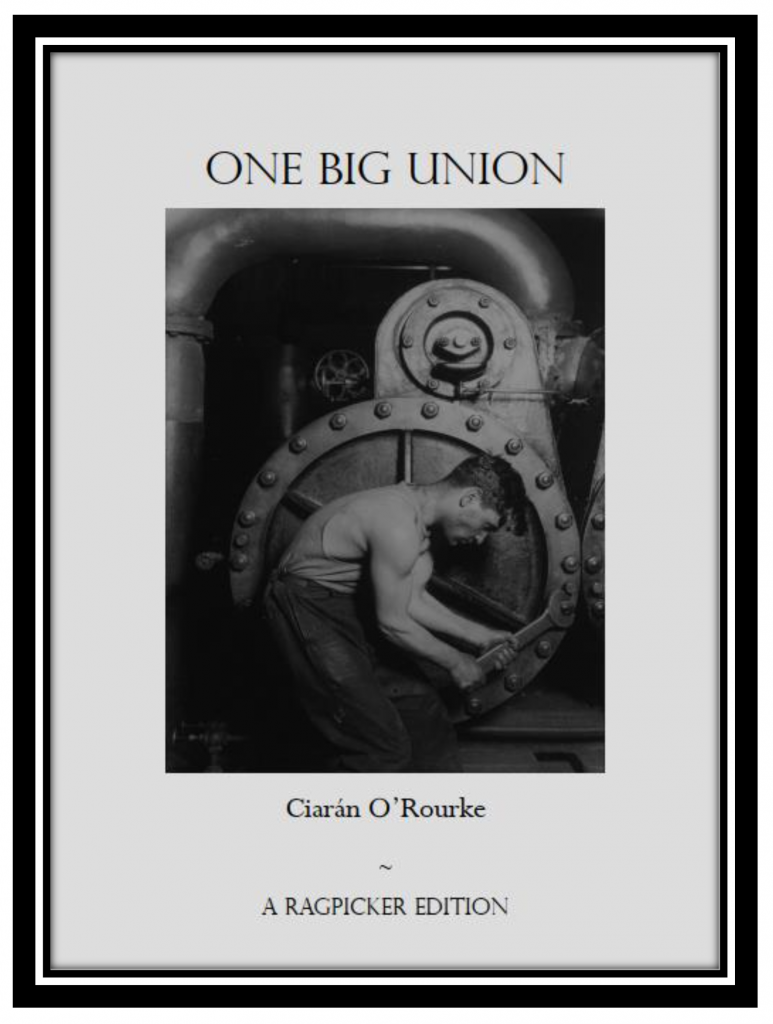
One Big Union Ciarán O'Rourke
One Big Union, essays on art and politics by Ciarán O’Rourke

An interview between Johnny Flynn and Ciarán O Rourke, author of a new collection of essays on art and politics

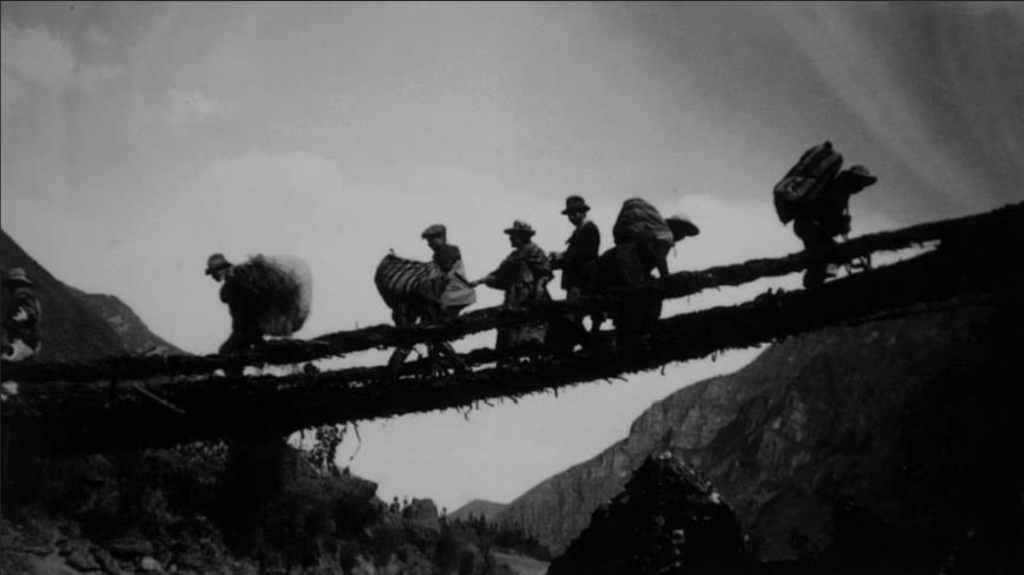
JOHNNY FLYNN: Will we start with that quote from your essay on Martín Chambi?  You say that what most attracted you to artists in particular, and their techniques, is that they “draw on their chosen traditions skilfully” but “also with a view to making a statement on reality.” Throughout your book, even in your theses on poetry, you’re eager to say: “look, don’t give me any of this, he’s in love with language… that’s a rarefied métier you’re creating, with none of the grubby material reality of money-making, or whatever”. So you’re against that?

CIARÁN O’ROURKE: I could also have quoted someone you introduced me to, Eduardo Galeano, who said that “in an incarcerated society, free literature” –or free art, free cinema– “can only exist as denunciation and hope.” The idea that denunciation and hope should be connected together, but also that they would be legitimate artistic goals or aspirations, is very much out of favour today.

Many years ago, as you know, I was working as a student shelver in the vaults of TCD library, off-site, in a warehouse without windows but full of forgotten books, where you were ensconced, surrounded by the most radical authors of all time! I would arrive [every day] after an hour’s cycle, very sweaty and dishevelled, into the cavern of forgotten books, where you would recommend all of these beautifully incendiary authors to me… and so I think you bear a great of the responsibility for the kind of anarchic communism that I’ve embraced and decided to enjoy in the years since. So thank you, belatedly, for that!

JOHNNY FLYNN: It was a funny thing. I think our first conversation was about Shelley: we both liked The Pursuit, the [Richard] Holmes book. We’ll get onto Shelley, but to go back to Galeano for a second: he talks about “centres and subjugated outposts”.

CIARÁN O’ROURKE: That’s the phrase exactly. He gives you an entire paradigm for understanding the world, but he does it with total lightness and ease. He says that “we live in a world of powerful centres and subjugated outposts”, which, when you extract it, might sound a little bit vague or abstract, but actually it helps you to make sense of town and country, of the first world and so-called global south, and of indigenous cultures within the global south as well. It’s got layers upon layers to it.

JOHNNY FLYNN: And there’s the ‘stages of history’, too: if you’re in the metropolitan centre, that’s where the important part of life takes place, where the fine art and culture is, where all the wealth will be taken to feed this metropolitan world. And then on the periphery, which may be a peasant society, they can be dispossessed, expropriated, or fed into a factory: basically, pushed aside. In your essay on Roxanne Dunbar Ortiz, you mention ‘The Trail of Tears’: you’re supposed to euphemise it, but it was basically genocide and dispossession.

CIARÁN O’ROURKE: We’re in the belly of the beast here, and quite comfortably, too, relatively speaking! But you’re right. Roxanne Dunbar Ortiz, whose work you were referencing there, she makes the point that the defining question for the American political class, over the entire history of the US of A, has been (in her words) “how to reconcile democracy and genocide, and characterize it as freedom for the people.” And she says (again, brilliantly and provocatively) that this has been true of everyone from Andrew Jackson to Barack Obama, and beyond. It may sound like there’s some polemical extravagance to that, but when you immerse yourself in her analysis and narrative – of the formation not just of America, but of this modern world we live in – you realise that it’s not just a chaotic and violent vista where terrible things happen, but that there’s actually a political calculation and a kind of political culture behind it, driving these conquistadors, these expropriators, into the world, and at the expense of indigenous people, indigenous cultures, and all the rest.

JOHNNY FLYNN: That formulation of “genocide and democracy” is disturbing, but it reminds you of ‘the ethno-state’: how people refer back to Andrew Jackson and the creation of the ‘white republic’ (Portland, Oregon was going to be for whites only). That legacy lives on: you still find iterations of white nationalism and white supremacy in those areas: they draw on this tradition. Just as you might draw on an indigenous tradition, or a tradition of resistance, white supremacists draw on the ideas of Andrew Jackson, and other presidents like Woodrow Wilson, the ‘liberal’ who said about the film Birth of a Nation, about the Ku Klux Klan, “that’s how it happened.” And that was Woodrow Wilson! Of the League of Nations!

CIARÁN O’ROURKE: It was actually when I was reading and then trying to pay tribute to Roxanne Dunbar Ortiz, and also Ursula Le Guin, two figures you might think are poles apart, I felt that I wasn’t just tramping through history or wandering through science fiction, but that the kinds of questions that they were raising, struggles and forms of violence that they were bringing to light, were very much present in the world we’re living in now.

You mentioned there about the ‘ethno-state’, and the history of white supremacy in America (coming from Europe, of course). Ursula Le Guin, in one of her late essays, non-fiction essays, asks, “What does it feel like to be an oak?” And then she expands and expounds on that: it’s a beautiful piece of work. But I came away from it conscious, not only of the fact that Ireland’s native woodlands and oak groves had been razed as a way of controlling and defeating indigenous cultures, but that similar processes are being on the Amazon, and the peoples of the Amazon, that the olive trees in Palestine are being uprooted as a way of clearing the Palestinian people, to make space for Israeli settlements. There are similar processes still being carried out, still destroying communities and cultures that in the future we may depend on, but will be a distant memory.

JOHNNY FLYNN: And then somebody says, imagine yourself as an oak tree! In classical education, someone might say, think of yourself as Julius Caesar crossing the Rubicon,or think of yourself as Napoleon, or put yourself into the imperial mindset. Either you’re theorising for people to be subjugated, because they’re ‘non-essential’ to the broad march of Western civilization, or that everything can be consumed in the capitalist process. In your essay on Jason W. Moore, you talk about what he’s saying: that capitalism is a way of organizing nature, so the earth is almost like a machine for producing (as well as the workers) surplus value that will then go into these monuments that the bourgeoisie create in honour of themselves.

But to think of yourself as an oak, it’s a very political thing, but almost elliptically so: the long durée approach of putting humans back into nature, as opposed to thinking of ourselves as entitled to re-shape nature in our own image.

Art and Politics and the Future

CIARÁN O’ROURKE: Ursula Le Guin: I just can’t say enough about her. The easy clarity of that question, what does it feel like to be an oak? and yet the gorgeous complexity that it demands of us to even attempt to answer it is wonderful.

You mentioned Jason W. Moore there. He describes himself as a “world-ecologist”, which sounds like the ideal occupation! Although I’d imagine it’s quite precarious these days. But again: I love the fact that he takes Marx’s observation that capitalist civilization and capitalist agricultural progress is only possible “sapping the original sources of all wealth, the soil and the labourer”… both Le Guin, in her own way and in her own genre, and Moore, in his deep analysis of our present moment, they’re taking interrelationship and complexity and feeling, the capacity for human feeling and critical thought, as the starting point for a new way of living collectively, which is inspiring, and also audacious. It’s kind of a bugbear of mine: I’m always complaining about how sloganized and often pompous and power-hungry Left-wing formations and their discourses can be. Whereas with Le Guin and Moore, it’s the opposite: there’s a rejection of sloganeering or regurgitation as a virtue in itself, and, again, a recognition of the complexity of present circumstances as the starting point for whatever future we might be able to build.

JOHNNY FLYNN: But also, imagining yourself as an oak, it’s cautious but from her point of view, I don’t think she’d ever come out and say she was an anarchist, even though she did have a utopian imagination, but I think she was always very cognizant of the fact that a utopian project could be derailed, to create something that in some ways would be an exacerbated version of what you’re trying to overthrow.

CIARÁN O’ROURKE: Her novel The Dispossessed explores that, and again with total clarity, but also real depth: exactly that conundrum or dialectic that you’ve mentioned, about needing, say, an alternative to capitalist civilization, and yet at the same time needing to hold whatever power dynamics exist within that alternative to account – how to make it human and keep it human. By turning to oak trees!

JOHNNY FLYNN: It’s an inspiring, metaphorical way of thinking… and a natural way of thinking! We’re looking at a planet destroyed. I think the Moore essay brings that out: it’s what happens when you just treat the earth as something to be plundered (and I suppose capitalism is a history of plunder). Even with your Shakespeare essay, in the background is both the class struggle within England, the rise of what becomes a bourgeoisie, and official piracy. Le Guin mentions the ever-present search for El Dorado, likewise.

CIARÁN O’ROURKE: That reminds me: the book has an obituary for Derek Mahon, who described himself, or his poetic impulse, as being in opposition to what he called “the bedlam of acquisitive force / that rules us, and would rule the universe.” This seems very resonant in the age of Jeff Bezos shooting himself off to space, but I think the idea that “acquisitive force… would rule the universe” is Mahon’s recognition that capitalism needs conquistadors, people who will keep expanding the frontiers, and the formations of exploitation and expropriation, in order to exist. Again, there’s a strange pleasure in the fact that we have to turn to poets and fantasists, science fiction writers, to get that kind of clarity.

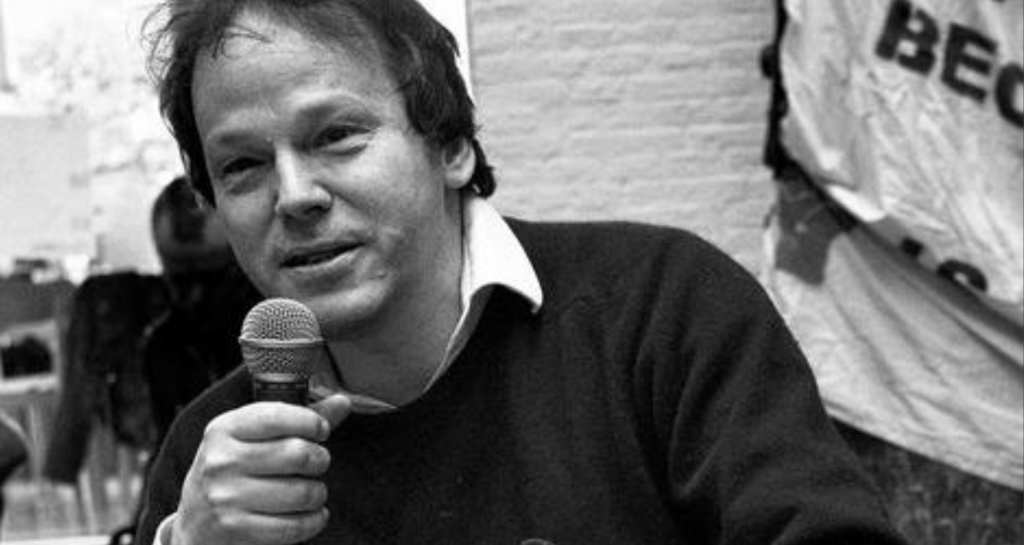
David Graeber, as well, is one of the people I try to pay tribute to. I know you have a lot of admiration for Graeber.

JOHNNY FLYNN: It was a huge loss…

CIARÁN O’ROURKE: The shock of his death was something else…

JOHNNY FLYNN: I used to go onto his Twitter page every day! It was a refreshing thing, because he always had an irreverent attitude… kind of like, despair is easy, don’t despair! Here’s why.

CIARÁN O’ROURKE: Even when he was lecturing and speechifying, he seemed thoughtful, and funny, and humane. He was that rare creature on the Left, where he was actually a human radical… which isn’t really allowed. We’re all supposed to just repeat the party line. 

JOHNNY FLYNN: He didn’t seem cynical. I think because he wasn’t pursuing a narrow project. He believed in the horizontality of everyone engaging, which, like a person claiming to be an oak, might seem like my God this is going to take forever… where’s your plan! Whereas he was saying that you can continually enrich your project if it’s engaged in participation like that.

CIARÁN O’ROURKE: That sense of deep world-history, the fact that he would write a five thousand-year history of debt, or that Le Guin would try to reconfigure our sense of time and time-spans in terms of the life of an oak, I mean, that’s rare. Even on the Left, I think: because everything’s about winning the local council seat, or getting on the six o’clock news, or whatever it may be. Whereas Graeber comes in and says that “the ultimate hidden truth of the world is that it is something we make, and could just as easily make differently.” And then he’s got the anthropological background to point to some of the ways in which that’s been possible in the deep past. And not just in the deep past: I think it was that consciousness, which for him was also a kind of conscience, that drove him into the Occupy Wall Street movement, and to support the Kurds in Rojava, and the list could probably go on of movements and campaigns that he offered explicit support to, including the Corbynistas.

JOHNNY FLYNN: Which is surprising for an anarchist, to be so sympathetic. I think he thought that around the Corbyn project, there was a lot of very positive, progressive thinking, maybe less traditionally top-down, some actual listening to the constituencies that were being included… none of this ever got implemented, but it did create a huge (for the Labour party, quite incredible) breakthrough.

CIARÁN O’ROURKE: I imagine Graeber had a realistic sense of the political landscape in Britain as well. I mean whatever about the United State of America as a somewhat monstrous political entity, the so-called United Kingdom, or Great Britain, is something even more toxic and bloated, and deep-seated.

JOHNNY FLYNN: Sure. They’re like failed entities now. I think it was Peter Linebaugh who said that they were both born out of the theft of the commons, in different ways, and if we’re to have any future they need to be disbanded.

CIARÁN O’ROURKE: So Graeber probably interpreted the Corbyn moment for what it was, which was a kind of upsurge of possibility, a levelling moment, or potentially a levelling moment. Either way, I think it’s to his credit that he didn’t hold to a rigid, ossified, abstract anarchist credo in place of throwing himself into the fray of political action.

Poetry as Way of Thinking

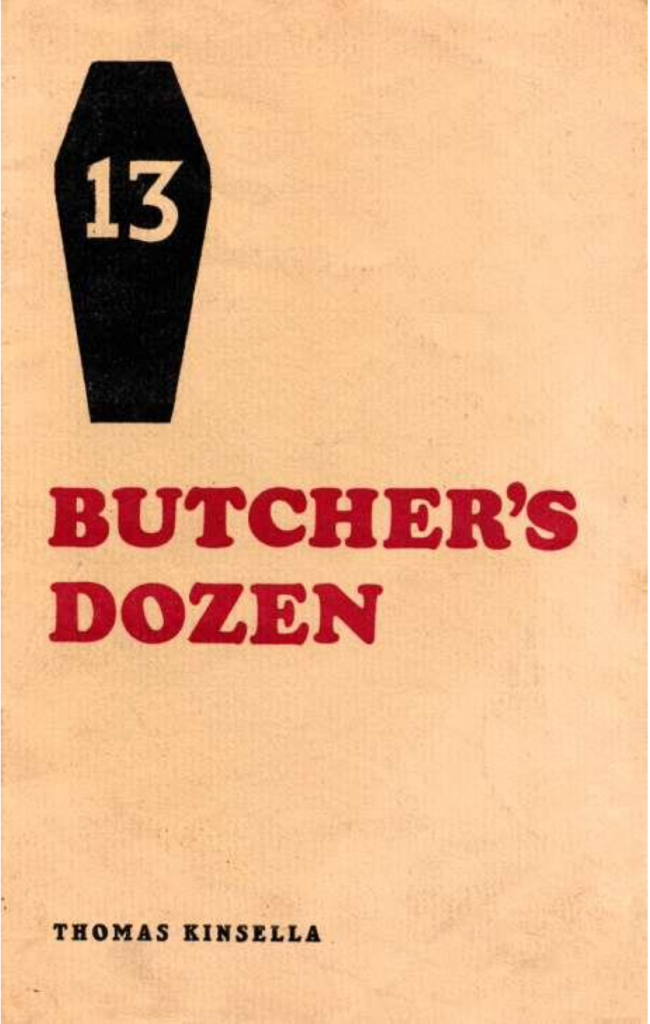
JOHNNY FLYNN: You were saying that you can turn to poetry as a way of thinking about the world. On the train over, I was reading William Carlos Williams. I think he’s addressing a lover, and he says, look, you don’t get your news from poetry, but some people die in misery because they’ve been starved of what’s in the poetry. He seems to imply two things: daily life can drain you, and something in poetry can replenish your willingness to live. We were thinking about Shelley, who wrote a poem that commemorates a horrific event like Peterloo, and yet its last lines are resonating in the Corbyn campaign, as they did in the 1909 garment workers’ strike. Poetry can keep alive the memory of struggles (defeats and struggles), like with Thomas Kinsella’s poem that references Shelley.

CIARÁN O’ROURKE: The Masque of Anarchy, yeah absolutely… I often find myself haunted by the final section of Shelley’s Prometheus Unbound, where he describes the task ahead, for these hell-raising rebels of mythology and history, as “to hope till Hope creates / From its own wreck the thing it contemplates”. On a parochial level, that could be a pretty apt metaphor for the state of the Left, post-Corbyn or even in Ireland, the endlessly fractured and rancorous Left. But more broadly, I think it gets to grips with the reality of catastrophe, of wreckage and devastation, as historical forces, that it’s against this and within this vista that the struggle has to happen.

You mentioned Williams, and you put it beautifully: this idea that poetry can replenish our human sources in ways that perhaps aren’t noticed or given proper credit. When Sacco and Vanzetti were executed, the fact that Williams was aware of this and incensed by it is probably telling enough of what kind of poet he was. But he wrote a long poem, at the end of which he said: “No one / can understand what makes the present age / what it is. They are mystified by certain / insistences.” I love the idea that Williams’s often exuberant attempt to bring us back to the gut-rooted, mouthy, sassy realities of our lives is also an effort on his part to dismantle the myths and mystifications that surround us in our society, that prevent us from living our lives.

JOHNNY FLYNN: And which are replicated in high poetry sometimes. High modernism can sometimes seem like a Latin and Greek world of learned quotations, the Pound/Eliot type of thing.

CIARÁN O’ROURKE: Absolutely. Williams was motivated by an unapologetic hatred of Eliot in particular, for political reasons. He thought this was reactionary, conservative and elitist, the impact that Eliot had on modernist poetry, whereas for Williams, the moment of modernism (in the 1910s and 1920s) was one of democratic possibilities, of bringing the tradition and the canon to the streets, and vice versa. Whether he succeeded in that is an open question, but I think the impulse was true.

JOHNNY FLYNN: And that’s what he saw in Joyce. He responded really strongly to Joyce, even the more forbidding work like Finnegans Wake, he was an enthusiast for it.

CIARÁN O’ROURKE: Absolutely. He and Sam Beckett, then unknown, were contributors to the first ever roundtable pamphlet or panel on what was then Joyce’s Work in Progress, which became Finnegans Wake. The fact that you can have this New Jersey doctor, working fifteen hours a week as a paediatrician and doctor-on-call, enthused by this exiled Irish writer, this modernist across the waters, there’s a wonderful humanity to it.

JOHNNY FLYNN: And it makes it sound very exciting. Sometimes even the great critics writing about modernism can be quite off-putting: it can be about intellectual posturing, and a display of learning. It seems divorced from any kind of day-to-day reality. But from what I’ve read of Williams, he seems to be coming at it from the opposite way: he hears the buzz of the street in James Joyce, and thinks it’s great! It’s like a huge repository of jokes and puns and daily references.

CIARÁN O’ROURKE: And in that sense he probably helps us to recuperate a Joyce that is maybe less enshrined in the archive, the shackles of academia! Actually, Mike Gold, who I know you’re interested in, the one-time editor of New Masses, he said that “when someone writes the future history of proletarian literature in America, William Carlos Williams will be somewhere large in the table of contents.” I think that hasn’t come to pass: insofar as Williams’s proletarian sympathies are recognised as part of his aesthetic, part of his politics, it’s on the fringes, it’s not really included in the mainstream image of him.

JOHNNY FLYNN: The Lowell quote comparing Williams’s poetry to a “homemade ship, part Spanish galleon, part paddle-wheels, kitchen pots, and elastic bands and worked by hand” is a great image, and a fun idea… bringing everything together.

CIARÁN O’ROURKE: Yeah, that the poem might be as anarchic and colourful and joyous as life itself. Not necessarily joyous: maybe I’m sentimentalising it slightly. But I think that’s a quality you also find in Langston Hughes’s work: they remind me of one another sometimes.

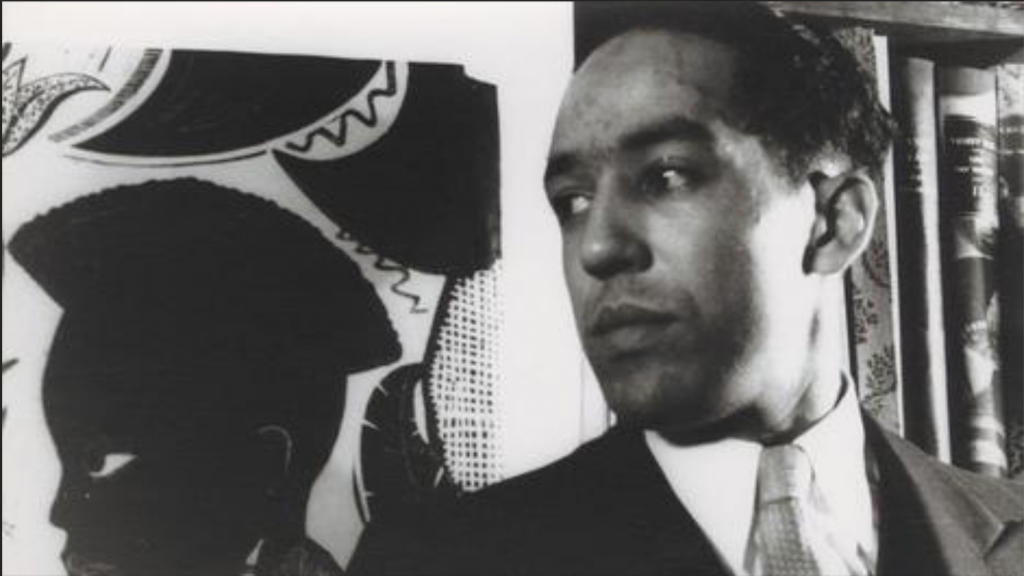
Langston Hughes is always presented and praised as the poet who said, “I, too, sing America”, but it’s important to remember that Langston didn’t just expand the inclusivity of American poetry and American democracy: he also articulated in his poems a lifelong critique of white supremacy, and came to view, in his poems, blackness (black power, black culture, black community) as a portal into history-at-large. He said, “The Belgians cut off my hands in the Congo. / They lynch me still in Mississippi.” It’s almost unsettling to read Langston Hughes today: seventy years after he was recording and condemning police brutality in the North, at the same time that he was bearing witness to the lynching of black bodies in the South. In the age of #BlackLivesMatter Langston Hughes is not just a prophetic voice, he’s a necessary witness to the world that we’re still living in.

At the same time he didn’t resort to two-dimensional sloganeering, I think. His poems are full of the sass, and the wit, and the jazz of his people, who are black and brown, bohemian and proletarian, and living their lives.

JOHNNY FLYNN: He tried to understand what the Blues is, and how it came about. And he describes it in a way that it becomes a depository of a tradition, but also a kind of intellectual thinking about the work process. It fits very well with your book, because you’re saying, I want to talk about poetry as carpentry, the way Hughes talks about the work song, the way the Blues are related to the work song: you can hear these rhythms from the work, the sometimes-coerced work, coming through. There’s his humour, but behind it the horrible reality that you were talking about, of #BlackLivesMatter and white supremacy. His poem, “Ku Klux Klan”, describes the poet dragged to this isolated place and being told I want you to recognise the greatness of the white race, and the man has an irreverent response: I’ll say anything if I can get out of here. That, to me, was pure Charlottesville.

CIARÁN O’ROURKE: And the emotional current in that poem, of mockery of the white supremacists combined with pained sympathy for this person who could be his own, with at the same time this kind of perfectly expressed retort to the culture he’s living in (and writing against)… this idea that a change is gonna come, it’s a difficult faith to hold.

JOHNNY FLYNN: Isn’t it incredible that some poem you can look at and think, that looks like a very simple poem, still carries such a political and cultural and emotional heft… it’s only however many lines long, but there’s so much history in it.

 CIARÁN O’ROURKE: It’s sometimes enjoyable to remember that both T. S. Eliot and Langston were Missouri-born modernists. So if you compare their sources and their instincts, the content of their poems: you have the kind of Euro-centric, classically allusive poetry of Eliot… when you compare it to the streets-up, jazzy, deep-delving, human verse of Langston Hughes, you realise there’s actually more than one kind of modernism out there, and we can make it our own if we try.

JOHNNY FLYNN: I think at the end of your essay on Langston you suggest that his poetry is close to the streets, it’s still fresh: you could see how new ways of speaking and writing could be created, as well as understanding him as a very politically relevant character. A bit like Williams, he’s listening to the voices of the street.

CIARÁN O’ROURKE: And in an odd way I think that’s actually relevant to Shakespeare as well. I’m generalising a bit, but if you were to summarise Shakespeare’s plots, the narratives of his plays tend to end with the restoration of some kind of social order that is feudal or patriarchal or hierarchical in some way: a status quo that is mellifluous in its verbal expressions and effects, but at the same time totally brutal and punitive in the power dynamics that sustain it…. And yet when you immerse yourself in the cut and thrust, and tumble and dance, of the vast array of characters that he created you suddenly start encountering these secondary, or subaltern, outsider figures, each one of whom articulates a totally compelling and eloquent view of the world. They’re living in the state, and close to nature, and with one another, and so they have to be observant, and witty, and sceptical, and eloquent in their own way. It’s telling that someone like the inn-keeper in Henry IV Part 2, or Shylock, is as eloquent and compelling in the moment of their own self-articulation – which is a kind of moral self-articulation, as well as just chat – as a Hamlet, or one of the kings or princes or lords who also march across the stage. So I think there’s an implicit democracy and also a kind of demotic exuberance, at times, in Shakespeare’s work that can be quite thrilling: similar to what we find in Hughes and the others you mentioned there.

JOHNNY FLYNN: Do you think, then, that if you were a reader of Shakespeare, a scholar, there’s history-from-above and history-from-below, so you can get a very formal criticism of Shakespeare, talking about the language and metre, but you’ll never really meet the streets in it. You never get a sense of what Shakespeare’s work looks when examined from below, like you get in these histories that came from Communist historians in the fifties. In your Shakespeare essay, you do talk about the social tumult and resolution, the power plays at the top of society, and how language can be beautiful and violent at the same time. Often, the characters who are evil, or whatever, are totally disabused of any kind of belief in the grand project: they’ll say, I’m going to use a religious verse to cover over my bloody deeds…

CIARÁN O’ROURKE: There’s a total scepticism of mellifluous, flowered language, of well-wrought sentences, that pervades Shakespeare’s work, I think. There’s a lovely irony to that, but it’s worth remembering that the scepticism is there.

JOHNNY FLYNN: Is it in Richard II that John of Gaunt has his famous speech, “this sceptr’d isle, this England”? It goes on forever! In your essay, you talk about a tumult in one of the history plays, the commoners getting mobilized, and some character tries to turn it towards patriotism instead.

CIARÁN O’ROURKE: Old Clifford. Similarly, Cardinal Wolsey as he appears in Shakespeare is haunted and terrified by what he calls “the ragged multitude”. That’s a fear that you encounter again and again, stalking the minds of Shakespeare’s men of power – wonderfully!

JOHNNY FLYNN: Oftentimes they’re the ones dispossessing the commoners, who go on to haunt their dreams… a bit like the many-headed hydra: for all these ruling-class people, if you cut off one peasant insurrection, another one will rise not too long after.

CIARÁN O’ROURKE: Absolutely: that embedded terror at the heart of this supposedly impenetrable and indomitable system of power is something that Shakespeare taps into all the time, and it often drives the bubbling, seething conflicts that are going on in the background of his plays.

JOHNNY FLYNN: All of this is in there. I’m thinking of how in the tv show, Deadwood, everyone gets great speeches, the good characters, the crazy characters who could be murderers, and yet you’ll get this brilliant soliloquy… Deadwood is basically a mining town, so there’s nothing good about it: it’s just destroying the earth, and so the language is full of swearing. The only things you can do in Deadwood are drink, go to a bawdy house, probably get into a fight, and if someone else is always running away with the money.

CIARÁN O’ROURKE: I’d love if you started a podcast about Deadwood, specifically. I think you’d be the ideal MC for drawing out the pure, horrible beauty of the Deadwood vision.

JOHNNY FLYNN: That would be great. And actually, speaking about tv, you have one essay in there, which is political in the way you talk about Dublin, the whole landscape of the city being changed, where any cultural institution gets closed down and then some hotel or office block goes up instead. It’s your Screen Cinemaessay.

CIARÁN O’ROURKE: Well I was asked to write an essay on ‘space’… you know. It was in the Architectural Review or wherever. So I thought I’d write about the Screen Cinema. And this was around the time – I can’t remember the exact week or month, but it was around the same time – when you and I were both members of a Marxist reading group. You may remember this: we had our last reading session for Das Kapital (book 1) in a pub in the Liberties in Dublin, just around the corner from where Robert Emmet and the many Dublin weavers who had taken part in the 1798 and 1802 rebellions had been crushed (Emmet had been executed, obviously). This is the area of Dublin where Shelley had visited in honour of Robert Emmet in 1812. So you’re walking these red-brick, crumbling streets back home from the pub, after talking about Marxism for the afternoon, and you realise that old Dublin is still alive here, physically and spiritually, and yet at the same time that the city has been wrecked and pulverised. You’ve got the faces of poverty and addiction and defeat around you in these bustling streets… the demolition of the Screen Cinema is very much a part of that Dublin, which is, not just disappearing, it’s being quelled and uprooted and replaced by something glossier, emptier, and more neoliberal.

With regard to the essay about the Screen Cinema and movies, I think it’s also a bit polemical, trying to recognise this Dublin, this homeless capital that we’re living in now. And of course just around the corner from the Screen, Apollo House, which has now also been demolished, obviously that was occupied in glorious, insurrectionary protest against the sadistic housing policies of the government at the time… all of these ghosts still inhabit the city, although that’s not necessarily comforting.

JOHNNY FLYNN: The autobiographical aspect of the essay comes from your film-love: you’re looking at Thompson’s History of Cinema and Ebert’s Great Movies.

CIARÁN O’ROURKE: And I’ve graduated since then to Pauline Kael, and people that you’ve recommended, like J. Hoberman and A. S. Hamrah. I think I had the good fortune to be born into a family of movie buffs or film enthusiasts.

JOHNNY FLYNN: Your grandfather was big into Westerns.

CIARÁN O’ROURKE: I think one of the first movies I watched, and which is still one of my favourite films, was Stagecoach, which I know James Baldwin excoriates as a vision of, as you were saying, a vision of the ‘white republic’ that was to be. But I absolutely love that film: everything from the complexity of the characters to the thrill of the chase scenes… I think chase scenes are very difficult to film, or to find appealing or novel, especially today. John Ford’s slightly confused democracy. 

JOHNNY FLYNN: Is it ‘democracy and genocide’ again?

CIARÁN O’ROURKE: I’m not sure. Do you think? I feel there’s enough complexity in Ford’s best pictures… maybe in the same way that we approach Shakespeare, we can use his films as a way of critiquing that system…

JOHNNY FLYNN: There’s kind of a rough-and-tumble life in Stagecoach, a working or proletarian life.

CIARÁN O’ROURKE: Even the sex-worker is given her due, and is actually a real character in it. But also, the cinematic sweep of it I absolutely love. Stagecoach was filmed in six weeks, so it’s an epic film (it won an Oscar or two, I think), but at the same time you’re not at this hyper-curated and stylised mode of epic film. I don’t want to knock David Lean, or more recent directors, because often their cinematic visions are quite aesthetically pleasing, but I think you’ve got a roughness to Ford’s movie-making style, which is part of the thrill of it.

JOHNNY FLYNN: He’s kind of like an art-film-maker as well, though, isn’t he? He’s got a real art-film sensibility: I remember the first I watched The Grapes of Wrath, I thought, wow!

CIARÁN O’ROURKE: In Citizen Kane, Orson Welles rightly is given a lot of credit for the fact that he had the camera drilled into the floor, looking upwards… whereas Ford before that stuck the camera-man in a hole in the desert! And then ran the stagecoach over him! Not unlike the train coming towards the screen, in that early film. There’s a classical audacity to the film-making… I owe all that, my acquaintance with Stagecoach, to my grandad, my grandparents.

You’re the supreme movie-buff, as far as I’m concerned. I’m not just saying that. Honestly, I’ve never encountered anyone with the kind of encyclopaedic enthusiasm for movies that you have. I’m following in your footsteps.

JOHNNY FLYNN: When you think of some of the stuff we were talking about at the beginning (An Indigenous Peoples’ History), there’s a whole mythologising of the West in those movies.

CIARÁN O’ROURKE: The strange thing was that when I was a teenager I read Dee Brown’s Bury My Heart at Wounded Knee, and I think because I had been, in a small way, immersed in the whole mythology of the West on-screen, which is normally more complex than it’s given credit for… I mean, Dee Brown’s book just blew me away: it wasn’t that it dispelled all the prejudices I had been accumulating, it’s that it confirmed a sense of struggle, or human history, that the cinema had helped me to realise before.

I think I’ve mentioned this to you before (it’s probably a terrible film), but when I watched They Died with Their Boots On, where Errol Flynn plays General Custer… I could have the films mixed up but I think there’s a moment in that movie, the only scene I can remember, when they’re worried that they’re going to get ambushed by “Indians” and a wagon-driver says something like, “well, they were here first”. So maybe I was being brainwashed but somehow there are these small moments that stuck with me from the Western genre which were enough to light the fire later on.

JOHNNY FLYNN: Maybe some Left-wing, Popular Front-type screenwriter smuggled in an acknowledgement line in there…

CIARÁN O’ROURKE: You don’t want to whitewash anything, but if you go in with your head screwed on… I think it’s possible to enjoy cinema and still think critically about the world in which cinema exists, you know?

JOHNNY FLYNN: Of course. Definitely. Art like that is complicated, like you were saying about Shakespeare. Same with Deadwood: over the course of an episode, you accidentally end up feeling warmly towards a villain, just through the mise-en-scene! Some guy might leave the site of a bloody murder and then walk through a happy scene… the show will end and you’ll be accidentally smiling at this villainous character.

CIARÁN O’ROURKE: And you know, that may be true to life. We live in a brutal world, with complicated people. It’s quite difficult to maintain a kind of purism of political categories when you’re actually living in this rough-and-tumble world.

JOHNNY FLYNN: So do you think you’ll look back on this book autobiographically? In the Chambi one, you say, “just before the third lockdown, I went to the library and found myself a store of books”.

CIARÁN O’ROURKE: Well that’s the truth. In some ways the book is a homage to Carrick-on-Shannon library, or the Irish library system: all these books and movies and other resources that you can get for free… you have this national network of service centres that provide you what you need, it’s almost utopian to describe. But yeah, I didn’t edit out those autobiographical references.

JOHNNY FLYNN: I think they add to it. It seems like it’s a political book of essays, but political in different ways: political in the moment of the pandemic, political in your life…. At one point you’re in the sea in Seapoint: you’re talking about the ebbs and flows and tides, about Michael Hartnett, but then you get angry! You look over and you see the incinerator… I like that!

CIARÁN O’ROURKE: Ha, it’s a true story!

JOHNNY FLYNN: I think that’s the one that begins with Napoleon crossing the Alps, supposedly on a horse but actually he was on a white ass.

CIARÁN O’ROURKE: Not inappropriately! I said earlier that David Graeber actually seemed to be a human as well as a radical, and I think there’s probably a lesson in that. As well, because I’m obsessed with poetry, I think it’s far too easy to try to present yourself or other people as icons. I’m not a great writer, I’m not saying that. The point is that it’s easy to strike a pose when you’re writing, even when you’re paying tribute to other figures, which is just unhelpful. Why not acknowledge where you’re at and what you were doing, the banal details of my life when I was writing these essays.

JOHNNY FLYNN: Well, it fits. It’s as if the theme of the essay fits in around it. You even, in that particular essay, have not exactly a despondent reflection of politics, not even that you’re disabused of utopian possibilities, but just a realisation that you’re in a period of withdrawal. I mean if you wrote the book, you must be still engaged politically.

CIARÁN O’ROURKE: As you know, I was a member of a socialist organization. I was actually an active member for about a year and a half, so not particularly long. I act in the essay as if I’ve had this epic experience of engagement over the years, whereas it was about a year and a half. And the rest is cultural dressing: that’s my politics.

But after my period of disillusionment and despondency, you, actually, helped me to discover rambunctious joys in the Wobblies, and other areas of political struggle outside of party-oriented campaigns. So thanks!

JOHNNY FLYNN: That’s probably reflected in your approach in the book, where the Left-wingers you pick are the Wobblies, or Rosa Luxemburg. But the Rosa Luxemburg passage you quote is when she’s writing a letter, in prison, when she’s seen water-buffalo in the yard and how they’re being tormented by the overseer, and she empathetically enters into where they came from, their daily life before they were wrenched away, and here they are.

CIARÁN O’ROURKE: She writes this absolutely luminous and heart-broken letter from prison, as you’ve described there. We always hear about Nietzsche responding to the Turin horse, and this is a big moment in European philosophy. Whereas I find Rosa Luxemburg’s humanity and eloquence totally stirring. It’s a little bit glib, but I say in the essay that there’s more poetry in this one letter by Rosa Luxemburg than most writers manage in their entire life. But in some ways it’s beyond poetry. Derek Mahon has a line somewhere, saying that we shouldn’t make a fetish of the printed page. And that letter by Rosa Luxemburg and her writings in general are just stray residues of this luminously human life that she was living, that she embodied. You can catch glimpses of it in that letter, when she feels a total empathy for the wounded and exploited water-buffalo from Romania.

I’ve gone off on a tangent now…. But I think whatever combination of poetic Marxism or Marxified poetics is possible, that’s the way to go.

Social Relations in Visual Art

JOHNNY FLYNN: That’s probably why she would resonate with someone like John Berger. It is a materialist thinking, but it’s almost elliptical. You wonder where he’s going, how he’s getting there. He’s thinking about a country doctor, or farming or painting or sketching, he goes about it by circuitous ways and then draws a whole picture, which is fascinating. But it is materialistic: he’s thinking about the physical work and the craft, the social relations that are always there.

CIARÁN O’ROURKE: I think his writing is also lit by the recognition that moments of warmth and connection and nurturing are possible, even in this world, which he doesn’t shy away from calling out for what it is: exploitative, ruthless, militarised, a disaster-zone. Berger didn’t dissolve his own humanity in a kind of academic despair, which I think you sometimes find in certain Marxist traditions. I’m not knocking Marx, but you sometimes find these well-storied intellectuals giving up on everyone else. Whereas Berger seemed to draw some kind of sustenance or solace from life.   

Maybe that sounds cheesy! But even the fact that he could ask himself, similar to Le Guin, why look at animals? or explore some of the ways in which he was already living and working with animals (killing them for food while at the same time living somewhat humanely with them)… there’s an admirable embrace of complexities that we all live with anyway in Berger’s writings. It’s probably what made him such a compelling art critic (although he probably wouldn’t have described himself with that moniker).

JOHNNY FLYNN: There’s a lovely section in Bento’s Sketchbook, where he’s in a community pool in Paris. He’s going there, swimming away, and he brings you through it: he sees a woman swimming, I think one of her legs was damaged (she was a victim of the Khmer Rouge), and anyway eventually he put a Japanese pencil into her bag (she used to draw), and that’s grand. And the next day she approached him in the pool and said, bird or animal? And she did a special painting of a bird for him. It’s very beautiful and only he could adequately include that passage.

CIARÁN O’ROURKE: I’m not sure if it’s in the same essay, or book, I might be mixing up with a section in his late book, Confabulations, but he describes swimming in the swimming-pool and thinking, it’s almost impossible to imagine the limitless cruelty that we inflict on one another, when doing your twentieth lap in the pool, surrounded by people who are bobbing against you as they go. And the reason, I think, that has meaning and pathos coming from Berger is the fact that he spent so much care and time actually investigating, trying to recognise in close-up, those very cruelties, those infrastructures of cruelty, that are constructed around us. There’s a kind of heroism to that(I don’t want to inflate it too much): living in the world we have, and yet at the same time reaching for those small pockets of connection.

JOHNNY FLYNN: I think there’s a Berger book called The Size of a Pocket, which is partly a pocket of resistance.

CIARÁN O’ROURKE: Of course. Exactly. And on which all the world depends, whether we realise it or not.

JOHNNY FLYNN: At the end of it he’s corresponding with Subcomandante Marcos. There’re a few pictures of them. He did a sketch of Subcomandante Marcos, which is pretty good.

CIARÁN O’ROURKE: It occurred to me that the legacy of Rosa Luxemburg, or in Ireland of James Connolly, even the 1798-ers, it doesn’t live on in whatever commemorative group or self-aggrandizing political formation that claims those legacies. Their radical fire is still sparking in the anti-neoliberalism marches in Chile, or in the autonomous, self-organized Kurdish zones in Rojava, or in Palestine, where artists are still composing their poems and doing their paintings and swimming in the sea… I think in Berger you get that world-historical sense of continuity between the past and today, rather than that itemised, and again, somewhat fetishized, pompous sense of political continuity that you sometimes find (I don’t want to sound too rancorous here) in the formal Left-wing, party-oriented branch of the resistance, which is always presenting party success as an end in itself, or a revolution in itself. But when you’re reading Berger, or Le Guin, or whoever, you get a wider and deeper picture of struggle and of human possibility.

JOHNNY FLYNN: Franklin Rosemont? You include him in the ‘further reading’ at the end of the title essay, his Joe Hill book. 

CIARÁN O’ROURKE: Well, once again, I first heard of Rosemont through you. All the good bits in this book, Johnny, are actually inflections from your own enthusiastic self-fashioning as a radical.

JOHNNY FLYNN: What I like about that Joe Hill book is that it’s so untidy, it just goes everywhere. He actually spends very little time on Joe Hill. He’s filling out anecdotes and stories, it’s very free-wheeling. He’s always commemorating the rank-and-file, and he has a kind of surrealist mentality anyway, so I’m sure he just followed whichever way he wanted.

CIARÁN O’ROURKE: So it’s a collage-portrait of Joe Hill and his times.

JOHNNY FLYNN: He didn’t have any love for the Popular-Front Communist Party, which would have been the time when Langston Hughes and William Carlos Williams…

CIARÁN O’ROURKE: And Woody Guthrie!

JOHNNY FLYNN: And Woody Guthrie. I think Rosemont says that Woody Guthrie couldn’t avoid having some of the narrow qualities of that Communist Party iteration, even though he does respect Woody Guthrie. But he does say, look at T-Bone Slim and Joe Hill. They seem so irreverent, even though the class politics is there. It’s a bit like Langston Hughes with the Ku Klux Klan poem… responding to the brutalities of life with an irreverent spirit.

CIARÁN O’ROURKE: Which can seem indomitable, when the stultified slogans of yesteryear have long been forgotten.

JOHNNY FLYNN: That was the Wobblies. I think it’s said that no trade union could have been less patriotic than the Wobblies. Even the Communist Party were arguing to get behind the war effort in the Second World War, or some trade unions in the First World War were lining up, dutifully… while the Wobblies were saying, you can do what you want, but we’re not for it.

CIARÁN O’ROURKE: Apparently Williams was ostracised in his middle-class community in Rutherford, New Jersey, for his open opposition to the first world war. He said that the same people who were calling me a German-lover, twenty-thirty years later they were calling me a Commie during the witch-hunts.

JOHNNY FLYNN: Names change, but the arguments are the same. Sure, poor Rosa Luxemburg was tarnished as well.

There’s a part in the book when you talk about The Tollund Man, comparing Williams and Heaney. I thought that was very interesting.

Poetry, Politics and Art

CIARÁN O’ROURKE: A couple of weeks ago the London Review of Books did a retrospective article on Seamus Heaney’s work, and again the bog bodies, those poems of the late 60s and early 70s, were almost the centre-piece, they were the hinge that this LRB article was turning on in trying to assess Heaney’s legacy. So: he wrote this poem, “The Tollund Man”, based on photographs by P.V. Glob, the archaeologist, which were published in the late 60s in book form. But Williams, fifteen years earlier, came across the same pictures and the same story, in truncated form, in an article in The National Geographic Magazine, and wrote a completely different, chirpier, more exuberant response to The Tollund Man. He’s even echoing Hamlet in it, Hamlet the Dane, jumping in graves; and talking about the seeds in the stomach of the recovered bog-body… so Williams’s medical sympathies and bright-eyed approach to the world shine through: it’s a totally different image of atrocity. And there’s also hints, in Williams’s poem, that this lynched body has a kind of after-image in our own time, in the 50s when he’s writing.

JOHNNY FLYNN: The two of them counter-posed was good, because in the North of Ireland you had sectarian killings, in “the old man-killing parishes” of Jutland (that Heaney line), and then what Williams says is that yer man swallowed the grains, but he didn’t chew them.

CIARÁN O’ROURKE: And Heaney… one of his poems is called “Strange Fruit”, which is a deliberate echo of the Abel Meeropol song that Billie Holiday and then Nina Simone made famous, about the brutalization and lynching of black men, mostly, in America. So I think Heaney, in fairness, was alert to other, potential resonances that these murdered bodies, millenia-old bodies, that had been found in the bogs might have. 

JOHNNY FLYNN: That was interesting, your review of Foster’s book on Heaney. You were critical, you needed to be, but you did parenthesise your criticism well… I didn’t expect to feel so upbeat about a Roy Foster book!

CIARÁN O’ROURKE: Thanks, that’s generous. I think maybe I’m warmer to Seamus Heaney and his work than other Left-wingers might be…

JOHNNY FLYNN: It really came across in that essay.

CIARÁN O’ROURKE: I think his work is profoundly human, which gets diluted by the brandification of Heaney, which he participated in himself, of course. I have a good deal of time for Heaney as a poet.

JOHNNY FLYNN: I love the lines you quotes from “Requiem for the Croppies”. Terrific stuff.

CIARÁN O’ROURKE: He’s a great poet, at the end of the day. Again, you can catch these glimpses of radical sympathy throughout. For Heaney, it was more of a moral sympathy, I think, rather than a fully-fledged political identification. But I think it’s there, in the work.

JOHNNY FLYNN: I saw him one time at a Chomsky lecture. He was, I think, openly anti-war.

CIARÁN O’ROURKE: Oh, absolutely! And similarly, Kader Asmal of the Irish Anti-Apartheid Movement specifically thanked Heaney for his contributions to the cause. He wasn’t the only one, of course, but again: there’s that moral impulse that shines through Heaney’s work, which means that he can never become just a brand.    

JOHNNY FLYNN: Despite being appropriated by what you could call the ‘culture industry’, in the way that Joyce, and even poor Beckett is appropriated…

CIARÁN O’ROURKE: Beckett, with his face beamed up on Front Square of Trinity College. Could you imagine a less appropriate tribute to the man?

JOHNNY FLYNN: I know. But you do address it in the book, excoriating writers, or even the likes of Poetry Ireland, who have forged an alliance with Facebook…

CIARÁN O’ROURKE: That was a couple of years ago. Poetry Ireland, to celebrate Ireland’s National Poetry Day, partnered with Facebook. It was at the time when the Apple tax case, and Ireland’s status as a tax haven, was really to the forefront of news coverage. I think I say in the essay that Poetry Ireland was siding with the enemy, which may have been a bit over-blown or self-righteous, I’m not sure.

The general infiltration of the world of culture by the corporate/commercial sector, it’s quite disturbing. Everything from the BP Art Prize to the Booker Prize for Fiction, and of course the Nobel… you wonder whether these masters of war and degradation, these institutions, are encouraging the arts or just using culture as a way of whitewashing and covering up the crimes that have made them rich.

 JOHNNY FLYNN: You speak approvingly of Harold Pinter’s Nobel (no bull!) outburst…

CIARÁN O’ROURKE: Absolutely. He says that a writer has to “smash the mirror”, which actually reminds me that Williams, in the late 30s, wrote a poem that suggests the revolution will be accomplished when noble has been change to no bull… 

JOHNNY FLYNN: That’s where I got it from. You quote the poem in the book.

CIARÁN O’ROURKE: It was because of that, I think, that re-reading Derek Mahon’s work was almost a revelation to me.

JOHNNY FLYNN: I did not think of him as so overtly political, or in (as you say) the avant-garde of anti-capitalist poetry.

CIARÁN O’ROURKE: The Irish Times obituary for Mahon described a “truculent” poet and yet an “ironic” master of his craft. But if he registered any kind of truculence or irony, it was towards his fellow literati, with their complacency and insulation. This is someone who, in his essays and his poems, is quoting Chomsky, Naomi Klein, and Gramsci, he’s translating Pasolini, the Italian film-maker and radical poet, he’s writing a homage to Shane MacGowan in one of his last books of poetry. This is someone who is alive to the demotic, he believes in the democratic: both of those impulses are at the core of his work. And yet it’s written off. That whole dimension of Mahon’s work is either dismissed or ignored by the literary-critical establishment, I would say…

I probably need to engage more fully with Mahon, to be honest. Even re-reading the essay… there’s a lot to his work!

JOHNNY FLYNN: You’re saying that The Irish Times and criticism in general leaves out ‘the political’ from Mahon’s work, but from reading your review that seems like a considerable aspect of his work.

CIARÁN O’ROURKE: Then again, if you approach poetry in terms of its metrics, the formal sophistication of the work, Mahon is a master: because he does have a stylish command of the forms that he’s using. He’s a linguistic virtuoso, if you want. But that whole approach to literature ignores the fact that you can express support for fascism, or rape culture, in a mellifluous way, in a formally sophisticated manner. Those are extreme examples, but the point is that you have to examine the content of the work, and especially in the case of a poet who’s saying, don’t make a fetish of the printed page.

Maybe it goes back to Williams’s line about literary critics being deliberately “mystified by certain / insistences.” So it’s up to the rest of us to try to cut through, to lift the painted veil.

JOHNNY FLYNN: Cleanth Brooks and others always wanted to take away the content and examine the form, which seems like a really limited way of reading. Think of one of those old, seventeenth-century Irish poems: even read in translation there’s a tremendous verve to it, but it’s got very political content. I mean, how could you just discuss a poem like that in terms of style and metre, and completely ignore that the whole movement of the poem comes from the content… the anger being expressed?

CIARÁN O’ROURKE: That’s a great example. I think John Berger comments on the art of the translator, and suggests that translators have to return to the pre-verbal emotion or experience that the original poem was attempting to express, in order to get to the heart of the work. I think that’s probably true: that the verbal and formal paraphernalia of a poem are just the vessel that holds the real thing.

JOHNNY FLYNN: Or Langston Hughes saying that Blues verses carry the memory of the field, or the work-gang, in the rhythm. You almost have to do a material and political analysis of a Blues song. It carries so much political and cultural and historical weight, you couldn’t just analyse it as a piece of music.

CIARÁN O’ROURKE: I totally agree. A couple of years ago, Trinity College Dublin hosted a conference on the work and legacy of Ezra Pound, notoriously one of the openly fascist modernist poets, and he was punished and incarcerated for that. But there was an article in The Nation magazine in the States, criticising this conference for the fact that there was not one mention of Ezra Pound’s fascist sympathies. Which I think ties in to your emphasis just there on the totally vacuous emphasis on poetic form. Of course, from a formal point of view, Pound is a reasonably interesting poet. But it occurred to me that the same people who expound on the virtues of poetic form will also blithely quote Pound’s aphorism, make it new. And yet if you excise the political undercurrents to some of Pound’s thought, then suddenly you miss the fact that Trump made it new. There are other kinds of modernists who are tapping into Pound’s legacy, or the traditions that he was engaging with, and they’re making it new.

I’m probably not expressing that very well, but it’s not just that there’s complacency, there’s also a danger and an ugliness to eliminating ‘the political’ from our sense of poetry and what it’s about.

Art and Politics in Poetry

JOHNNY FLYNN: Frederic Jameson, of all people, addressed that brilliantly in The Modernist as Fascist, his book on Wyndham Lewis, which I actually read in Santry book depository. He does examine the content and the form, but then decodes the writing of Wyndham Lewis. One of the novels in particular, he says, you gotta read it, it’s brilliant, but know that all these things are in it. This is the same guy who went to Italy and wrote a book ‘explaining Hitler’ to the English middle classes. He was incredibly reactionary, although he became an anti-Nazi during the Second World War, because he had to support his country. But he never changed his core beliefs: violently misogynistic, nationalistic, totally xenophobic, intensely racist. His imagination was really very violent… dazzling on the page sometimes, but very disturbing.

Jameson does a brilliant decoding of Lewis as a fascist, but he references Pound as well. Hugh Kenner, one of the great scholars of modernism, wrote 900 pages without once mentioning that Pound was a fascist! I mean, Pound went back to Italy in 1950 doing his fascist salute. Now, in Italy, there’s an explicitly fascist organization called Casa Pound.

CIARÁN O’ROURKE: But the point is not to burn the books of Pound as a result. I know you’re not suggesting that. In our engagement with Pound’s work, which we can value if we want to, we have to challenge ourselves to reckon with what this guy was about.

JOHNNY FLYNN: Do what Jameson does. Do an in-depth reading, but know everything that’s in it. 

CIARÁN O’ROURKE: Exactly: don’t pretend! I think that’s a worthwhile adage: don’t pretend!  

JOHNNY FLYNN: Or Jameson’s always historicise. Let’s get onto the people you didn’t include in the book. I expected to see Adrienne Rich in there.

CIARÁN O’ROURKE: Oh, I know. She appears almost in parenthesis once or twice. In some ways my approach to poetry in particular is so overtly influenced by Rich, by her essays on art and social justice, that I find it difficult to pay any kind of original tribute to her. But it’s something I have to do. Maybe I could write about her poems, that would be the way to go: close-read the work in light of her general theorisation of poetry and politics.

In some ways the book is full of gaps. I mentioned Galeano, John Berger, Adrienne Rich… I’d also love to write a book of essays purely about movies. I might try that over the next year or so.

JOHNNY FLYNN: In the J. Hoberman style? Where it’s like a social chronicle, but through the movies. He’ll compare Warren Beatty in Reds to Warren Beatty in Bonnie and Clyde as a way of talking about American history. It’s fun!

CIARÁN O’ROURKE: I love the idea of creating a miscellany or kaleidoscope of essays that gives a distorted, partial view of the moment, which at the same time gets to the truth.

Mary Wollstonecraft is someone I’d love to write about. Her travelogue, Letters from Scandinavia, is an astonishing piece of work. That series of letters she wrote while she was travelling solo, with her child, through Scandinavia, seems like the distillation of critical thought, of romantic aspiration and rebellion… you can see how she influenced the likes of Shelley a generation later and, of course, her daughter. I’d love to pay tribute to her properly. She really came alive to me as a person, in those letters, and in a way that happened when I was reading her political treatises, which are brilliant and incisive in their own way. But it was nice to discover the human behind the oil painting, if you like.

JOHNNY FLYNN: The title of your book is obviously more than just a reference to the Wobbly slogan, “One Big Union”, but the reference is there.

CIARÁN O’ROURKE: It’s a throwback. Of course, the IWW still exists as an organization. But it’s a throwback to the heyday of the Wobblies, when they dared to imagine, but also to demonstrate that “the wage system” could be torn apart by humour, and song, and community, through uncompromising solidarity with their fellow men and women.

JOHNNY FLYNN: Fellow workers.

CIARÁN O’ROURKE: Fellow workers, yeah, but a lot of them were drifters.

JOHNNY FLYNN: Sure. I love that they addressed each other as “fellow workers”. But they were welcoming to drifters and hoboes.

CIARÁN O’ROURKE: The supposed outsiders and disregarded were suddenly a new coalition, a new community. They were making waves. This probably an unusual thing to say, but the true testament to their radicalism, the explosive possibilities that were inherent in their vision, is the brutality with which they were met by the state (through executions), by mining and docking companies and their Pinkertons, their hired hands. The Wobblies were lynched, they were executed, they were deported, they were beaten.

I think if can still manage to resurrect the Wobbly spirit in some way, we’d be doing well. But as I mentioned earlier, it still exists in the work of the Zapatistas, in Gaza: it does live on, but we have to keep trying to find it.

JOHNNY FLYNN: We do know of one Pinkerton who repented.

CIARÁN O’ROURKE: Dashiell Hammet?

JOHNNY FLYNN: Did he have some connection with the Frank Little murder?

CIARÁN O’ROURKE: I’m open to correction on this, but I think Dashiell Hammet was one of the private eyes, one of the heavies, who was sent to take care of this trouble-maker, this rabble-rouser. And as you say, he repented, or at least he recognised the reality of what they were doing later. And we can acknowledge that.

JOHNNY FLYNN: Red Harvest is his great novel on that topic.

Politics, Art and Photography

Turning to your images, the ones on your website where each essay appeared. Let’s start with Chambi’s photo: Andean Giant. So here’s your Peruvian photographer.

El Gigante de Paruro, Martín Chambi

CIARÁN O’ROURKE: This is a photograph by Martín Chambi, the first indigenous Peruvian photographer… That’s the Andean Giant, who was seven feet tall. Chambi, I think, managed to meet his people ­– indigenous people, labourers, peasants, what you could call the wretched of the Earth, although I think that phrase has some academic baggage attached to it at this stage – he paid tribute to the people he knew with his art.

Martin Chambi picture
Martin Chambi Rope Bridge

JOHNNY FLYNN: Another Chambi photo: rope bridge. Am I correct in saying you see Chambi in this photograph? Is this the right one?

CIARÁN O’ROURKE: Yes, well found on your part. This is a hand-woven rope-bridge. And you can see Chambi standing slightly taller than the people who are carrying the loads. He’s got his hat on. He obviously had one of his assistants to take the photo.

I love the sweep of the sky, the fact that it seems just a very casual photograph, and at the same time this back-breaking labour is going on… in this non-place. If you were to look at the map of industrial modernity at that moment, in the 20s, none of these people, this landscape, would appear on that map. Whereas Chambi is actually living it.

Martin Jerónimo Chambi Jiménez: Migue Quiespe.
Martin Jerónimo Chambi Jiménez Picture

JOHNNY FLYNN: A Chambi photo: Miguel Quiespe. This is the land-organiser, the guy who walked the hills organising for land rights?

CIARÁN O’ROURKE: Miguel Quiespe is holding two cocoa leaves, which have been outlawed, in the way weed is outlawed today. He’s deliberately about to chew on them. He’s wearing his indigenous garb. I think he was later a member of the Communist Party, but a couple of years later again was found quite brutally assassinated in Lima.

I think in this photograph you get his determination, his hunger (in every sense). You can understand something of the threat he posed to the schematic, modernising forces of the moment. I think Chambi managed to capture something of his power.

Rossinver Leitrim hills.
Rossinver, Leitrim hills.

JOHNNY FLYNN: Rossinver/Leitrim hills.

CIARÁN O’ROURKE: Thank you for including this photo. This is of the Rossinver braes in Leitrim, near where my grandparents were from. I’ve a short piece in the book…

JOHNNY FLYNN: “On the Verb ‘to be’”, which has a hilarious moment in it. You write: …John McGahern, whose stories and often mordant essays my Grandad used to quote with admiring precision. “It takes some skill”, I recall him saying, definitively, “to finish a sentence with the verb ‘to be’”: a feat the Leitrim author had managed to do, with his adage that ‘all understanding is joy, even in the face of dread, and cannot be taken from us until everything is.’” That’s a great line.

CIARÁN O’ROURKE: Another thing that my grandad used to say is that the longer you live, the sooner you’re going to die, which had its own wisdom to it. And all of that is represented in this photo.

Actually, I know you’re a traditional Irish music fan, so there’s a track called Rossinver Braes, which I think was written by the Leitrim fiddle-player, Ben Lennon. There’s a version of it on Spotify somewhere.

John McGahern
John McGahern

JOHNNY FLYNN: John McGahern. The man himself.

CIARÁN O’ROURKE: John McGahern, looking quizzical and somewhat unimpressed by whatever Irish Times photographer has been sent to document the native life, the life of the natives. I think, as you said, the mordant wit and exploratory impulse that you find in McGahern’s work is probably something to learn from.

Langston Hughes
Langston Hughes

JOHNNY FLYNN: Langston Hughes.

CIARÁN O’ROURKE: This is young Langston, looking very handsome, I think. And also, you can see the fire in his eyes.

 JOHNNY FLYNN: There’s a good painting in the background as well.

CIARÁN O’ROURKE: Indeed. I agree.

William Carlos Williams

JOHNNY FLYNN: William Carlos Williams photo one.

CIARÁN O’ROURKE: That’s Dr Williams, doing his thing. I’m not sure exactly what date was taken, but when he was in his sixties, after working for a doctor for forty years, and after he started getting a series of terrible strokes (he lost the movement in half his body at one point, I think), anyway when he was in his sixties he was interviewed about his poetry and was even asked about his politics. Obviously, I don’t have a recording of it, but I imagine he sounded something like this: “I’m a radical! I write modern poetry, baby…”. The idea that ultimate proof of being a radical is that you write modern poetry, as he understood it, is very affirming. I’ve a real fondness for his chirpy humanity, and his hard work. He’s working hard here.

William Carlos Williams 3
William Carlos Williams
William Carlos Williams 2
William Carlos Williams: hard wisdom

JOHNNY FLYNN: Williams photos two and three.

CIARÁN O’ROURKE: There’s a kind of hard wisdom in his eyes there.

Ben Shahn The Phoenix, c. 1952, gouache and ink on board

JOHNNY FLYNN: Ben Shahn painting.

CIARÁN O’ROURKE: This is Ben Shahn. He was one of Diego Rivera’s assistants on the Rockefeller mural that was later obliterated for being too radical (it depicted Trotsky and Lenin, among others). Anyway, Shahn worked in the tradition of Rivera. He was a first-generation Russian immigrant and a friend of Williams! A social photographer and a kind of radical, strange painter; when Jackson Pollock arrived on the scene I think he supplanted Ben Shahn as America’s so-called leading painter.

David Graeber
David Graeber

JOHNNY FLYNN: David Graeber.

CIARÁN O’ROURKE: David Graeber, with his soft eyes and thoughtful face, encouraging the revolution wherever he went.

Screen Cinema
Screen Cinema

JOHNNY FLYNN: The Screen Cinema.

CIARÁN O’ROURKE: The Screen Cinema that is no more, with its nice, stocky, brass usher outside.

JOHNNY FLYNN: I like that passage in the essay.

CIARÁN O’ROURKE: You can see the run-down, down-to-earth Dublin there. I think that picture is of when the Screen was derelict, awaiting demolition, but I have very fond and delightful memories of going to the movies there, as you do yourself, I’m sure.

St Patrick's Day images
St Patrick’s Day images

JOHNNY FLYNN: Paddy’s Day in America pictures.

CIARÁN O’ROURKE: I think this somewhat polemical collage is supposed to illustrate a certain relationship between Irish politics and the imperium that is the United States of America. When I used it on my website, in the essay “Smashing the Mirror”, quoting Pinter’s idea that we need to break in our politics and our literature from the empire and its prerogatives, I think I was trying to suggest that Ireland’s literary and artistic scene is very much complicit in whitewashing and normalising the reign of the war-mongers, the Masters of War.

William Windsor and David Attenborough

 JOHNNY FLYNN: Photo of the two Malthusiasts!

CIARÁN O’ROURKE: Jason W. Moore in his book, Capitalism in the Web of Life, at one point articulates a thorough critique of David Attenborough and his BBC-approved approach to climate crisis. He also digs up some of Attenborough’s previous opinions on famine, specifically in Africa, as being a welcome natural check to so-called ‘over-population’.

Moore makes the point that when we say we’re living in the “Anthropocene” and that global warming is somehow symptomatic of that epoch or era, we’ve made a category error. Because it’s the expropriators-in-chief, it’s the drive towards capitalist accumulation, and to increase profits, that have produced some of the most ecologically and humanly damaging industries, which have led to the situation we’re in now. The two individuals on the screen tend to obscure that point, for the most part: they prefer to emphasise people voting every couple of years, and using recyclable bags, and all the rest.

Derek Mahon
Derek Mahon

JOHNNY FLYNN: Derek Mahon photo.

CIARÁN O’ROURKE: This is Derek Mahon, admittedly looking somewhat truculent, and maybe ironic. And also formidable. I think there’s a formidable vision behind that gaze that he’s directing at the camera, and we would do well to learn from.

Naomi Klein
Naomi Klein

JOHNNY FLYNN: Naomi Klein photo.

CIARÁN O’ROURKE: The kindness in Naomi Klein’s face and voice I always find warming, and assuring. And that’s before we get to the powerful and deep-delving critiques of neoliberal civilization that she has managed to articulate.

JOHNNY FLYNN: Derek Mahon calls here “the great Naomi Klein”, in the poem you quote in your essay.

CIARÁN O’ROURKE: You’re right, I should have picked up on the relationship there. So Derek Mahon quotes Naomi Klein, her book The Shock Doctrine, as a way of accusing, in his poem, “the Chicago Boys” in Chile, who facilitated and then allied with the Pinochet regime.

The burning of Cork by the Black and Tans

JOHNNY FLYNN: The burning of Cork.

CIARÁN O’ROURKE: That’s Cork after being burned to the ground by the Black and Tans. It could be Balbriggan. It could be Gaza. Unfortunately, there’s been far too many sites of colonial and imperial plunder and destruction since then, the 20s.

Roy Foster's On Heaney skirts the Seamus Heaney's Political Poems
Roy Foster’s On Heaney

JOHNNY FLYNN: Roy Foster On Seamus Heaney.

CIARÁN O’ROURKE: This is Robert Fitzroy Foster’s tribute to Seamus Heaney, who looks somewhat trepidatious on the cover.

Butcher's Dozen Thomas Kinsella
Butcher’s Dozen Thomas Kinsella

JOHNNY FLYNN: Butcher’s Dozen.

CIARÁN O’ROURKE: Butcher’s Dozen, Thomas Kinsella’s accusation of empire, in the metre and form of Percy Shelley’s Masque of Anarchy. I was saying to you the other day that it’s ironic, in a way, that one of the most radical poems of the Irish poetic canon in the twentieth century was written by a civil servant, someone employed deep in the apparatus of the state. He managed to fight the power nonetheless.

Roxanne Dunbar-Ortiz

JOHNNY FLYNN: Roxanne Dunbar Ortiz.

CIARÁN O’ROURKE: Roxanne Dunbar Ortiz, smiling, I presume, for the critique of American power she’s articulated in an unanswerable fashion in An Indigenous Peoples’ History of the United States. She’s helped us to demystify our understanding of how we got to where we are now.

Napoleon on horseback

JOHNNY FLYNN: Napoleon.

CIARÁN O’ROURKE: Napoleon, looking consequential, and conquering.

James Connolly Yours Fighting and Hoping
James Connolly: Yours Fighting and Hoping

JOHNNY FLYNN: James Connolly.

CIARÁN O’ROURKE: James Connolly, one of the co-founders of the IWW, head of the Irish Citizen Army, militant trade unionist, a very eloquent writer… who despite all of the above is sometimes accused of not having “a revolutionary party” behind him, oddly. Anyway, here he’s described himself as fighting and hoping. I think we can all aspire to that particular condition.

Ursula Le Guin
Ursula Le Guin

JOHNNY FLYNN: Ursula Le Guin

CIARÁN O’ROURKE: The elder, the sage, Ursula Le Guin, one and only.

Rosa Luxemburg
Rosa Luxemburg

JOHNNY FLYNN: Rosa.

CIARÁN O’ROURKE: Red Rosa, who has a glint in her eyes, as I imagine she always did…

Harold Pinter
Harold Pinter

JOHNNY FLYNN: Pinter.

CIARÁN O’ROURKE: Harold Pinter, looking like he’s about to take off.

John Berger
John Berger

JOHNNY FLYNN: Berger. That was the time of the Black Panthers, a picture from then.

CIARÁN O’ROURKE: When Berger won the Booker Prize he donated half the prize money to the Black Panther Party in the UK, which was thought to be very provocative and ungrateful on his part. But he was drawing attention to the fact that the Booker Foundation previously profited from the slave trade.

William Shakespeare mural.

JOHNNY FLYNN: Shakespeare. Is this psychedelic or rainbow Shakespeare?

CIARÁN O’ROURKE: He’s a visionary anyway. And I like his pirate ear-piece in this image.

JOHNNY FLYNN: I do as well! I think this is my favourite picture of Shakespeare.

Ran
Ran

JOHNNY FLYNN: Ran.

CIARÁN O’ROURKE: This is Kurosawa’s adaptation of King Lear. Specifically, the moment when the Lear figure puts himself on the side of, or (if you like) in the shoes of, the poor, naked wretches in the storm of history, the carnage of history, who are bare-backed and abandoned by the mighty and powerful. So it’s his moment of either redemption or revelation, one or the other.

JOHNNY FLYNN: I think your Hamlet/Polonius explanation needs to be discussed further.

CIARÁN O’ROURKE: Well, it occurred to me that Hamlet and Prince Hal aren’t very different. Their supposed moral crisis is actually about the necessity they sense, that they have to acquiesce to the will of the court and integrate to their assigned positions in the state. Prince Hal does, he assumes his power, whereas Hamlet can’t, because, I think, he’s terrified that he’ll be the next Polonius, who like him is verbose and subtle, a former actor, and powerful, but utterly impotent in many ways.

JOHNNY FLYNN: Polonius is like someone who collaborates with a totalitarian regime. Didn’t Miroslav Holub write a poem about the Poloniuses?

CIARÁN O’ROURKE: I think Hamlet’s conundrum, or predicament, is “to be or not to be” a collaborator, to collaborate in the new regime. And Polonius is the ultimate exemplar of that style of politics. And the fact that he is beloved of Ophelia, whom he also keeps watch over, he surveils, is quite resonant.

Gwendolyn Brooks
Gwendolyn Brooks

JOHNNY FLYNN: Gwendolyn Brooks.

CIARÁN O’ROURKE: Gwendolyn Brooks, who pays tribute to Langston Hughes, and is a fabulous poet in her own right. She has a [poem] called “We Real Cool”, which extend the Hughes mode into the late 60s. She’s one of the greats, certainly in the second half of the twentieth century in American poetry.

Poet John Clare by William Hilton
Poet John Clare

JOHNNY FLYNN: John Clare. I had to put in John Clare.

CIARÁN O’ROURKE: I associate John Clare’s poetry with conversations with you, in and around the time of that Marxist reading group. So the ghost of John Clare is still lost and love-lorn in the Liberties of Dublin, in my mind.

JOHNNY FLYNN: I guess we could conclude there. How should we sign off?

CIARÁN O’ROURKE: Maybe I’ll just reiterate David Graeber’s point. (I wrote it down before we started, just so I wouldn’t get it wrong!) “The ultimate, hidden truth of the world is that it is something we make, and could just as easily make differently.”

Filed Under: All Posts

The social impact of artificial intelligence

15/04/2021 by Conor Kostick 1 Comment

The social impact of artificial intelligence
The social impact of artificial intelligence is distorted by the biases in human society

Novelists have been kind to artificial intelligence in recent times. In Kazuo Ishiguro’s 2021 book, Klara and the Sun, Klara is an AI designed to be a child’s companion and she is by far the most compassionate and self-sacrificing character in the book. In the rather darker Machines Like Me by Ian McEwan (2019), the mistreatment of an AI again arouses the reader’s indignation, because of the virtues of the artificial intelligence. As a device through which to view humanity, positing a consciousness that is more beautiful and unconditionally compassionate than we are can be a very powerful tool. But as an insight into the potential social impact of artificial intelligence, such depictions are quite outside of the current activities of AI.

Artificial intelligence as it currently stands is far removed from the conscious beings depicted in fiction. Software algorithms fed with data make computations that can be quite impressive but hardly deserve the label ‘intelligence’. There’s a squirrel who comes to my back yard, having discovered that I keep leaving seed balls in a bird feeder. This ingenious creature has learned to prise open the lid of the feeder and he or she is displaying far more intelligence than the most advanced AI software.

Where artificial intelligence is having an effective social impact is where the algorithms processing the data they are being fed are a) able to engage with absolutely vast amounts of input and b) where the algorithm is subject to constant improvement. Thanks to the fact that we live in a capitalist society, the main driving force behind the creation of AI with noticeable social impact are businesses and, more ominously, governments. This means that the early use cases for artificial intelligence include some extremely problematic, not to say dangerous, examples.

Positive social impacts of artificial intelligence

To start with a relatively benign example of the social impact of AI. Like a lot of people I mostly listen to music by streaming. And I want recommendations for new music to listen to. Nowadays, my recommendations typically come from an algorithm and not my friends. At a certain level, this works well. I click ‘like’ or ‘dislike’ to a piece of music and based on the profile this creates for me, as well as data provided by millions of other users, the suggestions I get are nearly always interesting and I definitely have found new music that I love thanks to such calculations.

The downside is that the algorithm favours music that already has thousands of likes, so this kind of process reinforces the enormous disparity that exists between bands and composers who are pushed into the stratosphere of international attention and those who might be far better artists but who cannot get off the ground. Moreover, the platforms currently offering this type of tool (e.g. Spotify, YouTube Music) pay the artists a pittance.

Other potentially positive social impacts from artificial intelligence include the rapidly advancing ability for software to parse human sentences and extract their meaning.

As a slight aside, I’ve never been enthusiastic about using the Turing Test to define consciousness because while the use of language is intimately bound up with being able to think, I’ve always felt that the definition is too narrow. Whatever a particular challenge, such as to play chess, go, or steal birdseed from a container, sooner or later the technology is going to be created that can accomplish the task.

Squirrels are more ingenious than any existing artifical intelligence

For an AI to be able to hold a conversation for a certain length of time in a fashion that makes it hard for a human to decide if they are talking to another human or the AI is tough. But we are within a decade of being able to achieve this if the time limit for the Turing conversation is limited to, say, thirty minutes. Siri can entertain my kids for about that length of time: they just say ‘hey Siri, tell me a joke’ and go from there.

Breaking down sentences and figuring out their meaning, in order to give an appropriate response, is something that chatbots are already effective at in narrow spheres.

In theory, this AI-driven technology could save our species a considerable amount of labour time. Every person whose current task involves speaking to someone in order to collect data could be spared to do something more interesting. And indeed, chatbots with artificial intelligence are everywhere answering customer queries, tracking parcels, taking payments, etc.

Harmful social impacts of artificial intelligence

One harmful societal consequence of artificial intelligence has been evident long before Marx sat down and studied how capitalism constantly replaces workers with new methods of production, which is that new technology is never introduced so that workers can enjoy more leisure time. The social impact of the introduction of artificial intelligence in the work process ought to be that workers can put their slippers on, enjoy a cocktail, and a – recommended by AI – new series on Netflix. Managers, however, typically calculate the returns on investment in chatbots by figuring how much they will save on their call centre costs and the deployment of this kind of software is often associated with layoffs instead of liberation.

Another, more subtle but potentially deeper societal hazard arising from artificial intelligence in the automation of conversation is that the very large companies, Google and IBM in particular, are dominating the conversational AI market, with algorithms trained as much of the corpus of human communication as they can get their hands on. But what if that corpus is male-centred, western-centred, biased against non-binary genders, etc? Then the algorithm will produce results that perpetuate and even deepen those biases.

Then too, with only 20% of the technical staff working on conversational AI being women, there is an additional likelihood that the algorithms they are building are gender biased. One obvious problem of racial bias in AI has already emerged in the US judicial system where officers have a software tool to score the likelihood a person guilty of an offence will reoffend. That tool was twice as likely to incorrectly identify African Americans as high risk for violent re-offense as a white person.

You only have to do an image search and you can see these biases in Google for yourself. Try searching CEO and scroll through your image results. In the west, about 27% of these images should be female. If you are seeing a lower proportion (and at the time of writing, I took a screenshot and scored 20%) then that demonstrates that the results of the search are reinforcing a bias in the dataset of images of CEOs.

A much more clearly negative social impact of artificial intelligence is its application to facial recognition. The Chinese tech company Alibaba has trained an algorithm to identify ethnic minorities via facial recognition, specifically the Uighurs of the Xinjiang region, against whom China has been carrying out an oppressive campaign.
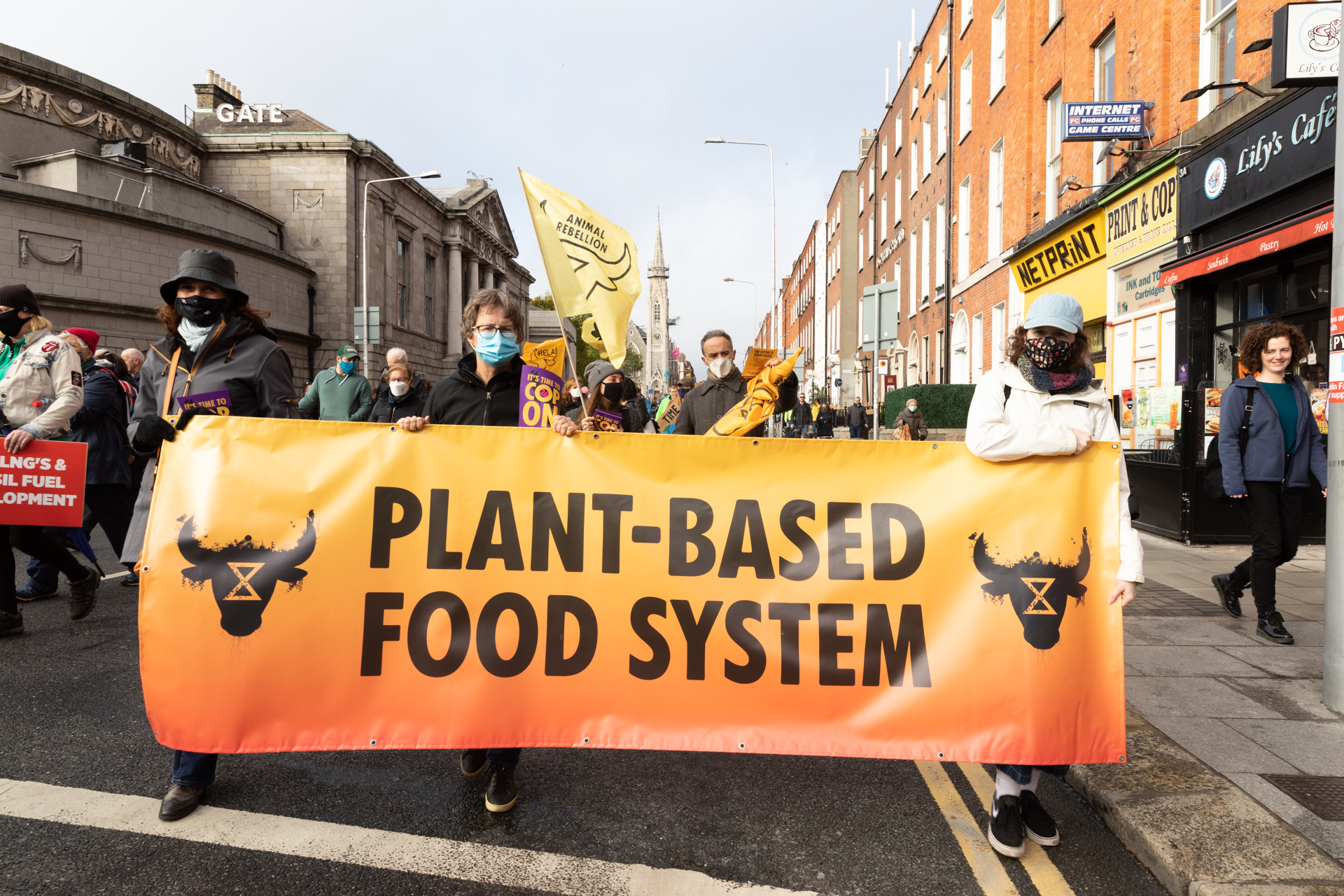
Artificial intelligence in warfare

Worse still is the social impact of the military application of artificial intelligence. In Philip K Dick’s 1953 story Second Variety robots developed by the UN to stop a Soviet victory in the aftermath of a nuclear war overrun humanity (in a much more interesting way than this plot summary suggests). This type of scenario, where AI soldiers take military decisions, is already present in embryo, especially in the form of drone technology and also in missiles, with the US army having tendered for their Cannon-Delivered Area Effects Munition (C-DAEM).

C-DAEM missiles will be launched without human intervention, based on technology similar to face recognition but using lasers to identify targets with the profiles of tanks. The tender calls for the missile to fly up to 60km, slow down with a parachute or similar means, and while descending, identify targets autonomously. And, just as facial recognition software has its biases, these missiles will explode on vehicles based on the values of the data provided by the US military on the profiles of the tanks they anticipate destroying with C-DAEM. Pro-tip: don’t tie your Christmas tree to the roof of your car.

The most negative social impact of artifical intelligence is its application to warfare.
The most negative social impact of artifical intelligence is its application to warfare

There is a campaign called Stop Killer Robots to ban fully autonomous weapons. One reason for doing so is that even before the application of artificial intelligence to warfare it has been difficult to hold mass murders to account for war crimes. Imagine how much more difficult accountability becomes if it is the decision of a software algorithm that has resulted in attacks on civilians.

What would a society run by artificial intelligence look like?

Artificial Intelligence – in the form of software algorithms – are a new frontier for capitalism and as always when businesses charge into a new space, all sorts of harmful consequences arise, based on short-term considerations. Many NGOs, trade unions and even some governments are therefore hurrying to catch-up and urge regulation so that the more reckless companies are tamed. And that’s important. This is a sector that needs regulation, especially in regard to the creation of discriminatory algorithms.

But let’s run the timeline forward by a long way in our imaginations. Suppose, perhaps by a breakthrough in quantum computing, self-adjusting algorithms (those capable of ‘machine learning’ as the industry jargon puts it) become vastly more sophisticated and complex than anything which exists today. This might not be so far away, but should have happened by 2100 at least. Then humans would be living alongside AI companions capable of performing all the tasks that we do, including writing novels, composing music, inventing new jokes, creating vaccines for novel diseases, etc.

What will those companions be like? In 1987, Iain M. Banks wrote the first of his magnificent Culture novels, where he envisaged a far future in which AI drones look down paternalistically at the frivolous humans whom they care for. While still full of drama and, indeed, wars, this far future is essentially a utopia. No one except by choice suffers from poverty, hunger, homelessness, etc. Mostly, the humans pursue the arts (as well as take drugs, party and have lots of sex). And it’s a plausible scenario: even now the wealth exists to feed, house and provide free water and education to everyone on the planet.

Iain M Banks wrote about the positive social impact of artificial intelligence for society.
The Culture universe of Iain M Banks depicts a uptopia with the co-existence of humans and artificial intelligence

By 2100, alongside AI companions, we’ll be able to realise something like Bank’s Culture, providing we meet one condition. And unfortunately, while it’s a simple condition, it is a hard one to achieve. The benign AI scenario requires that humans themselves are free of any motivation to destroy each other automatically; free of prejudice in the structures of administration of society; free of discrimination in the cultural data (such as the entire contents of the internet) that the AI are learning from. To get a foundation for a harmonious relationship with the existence of massively powerful AI firstly requires we first of all have to revolutionise our own existence.
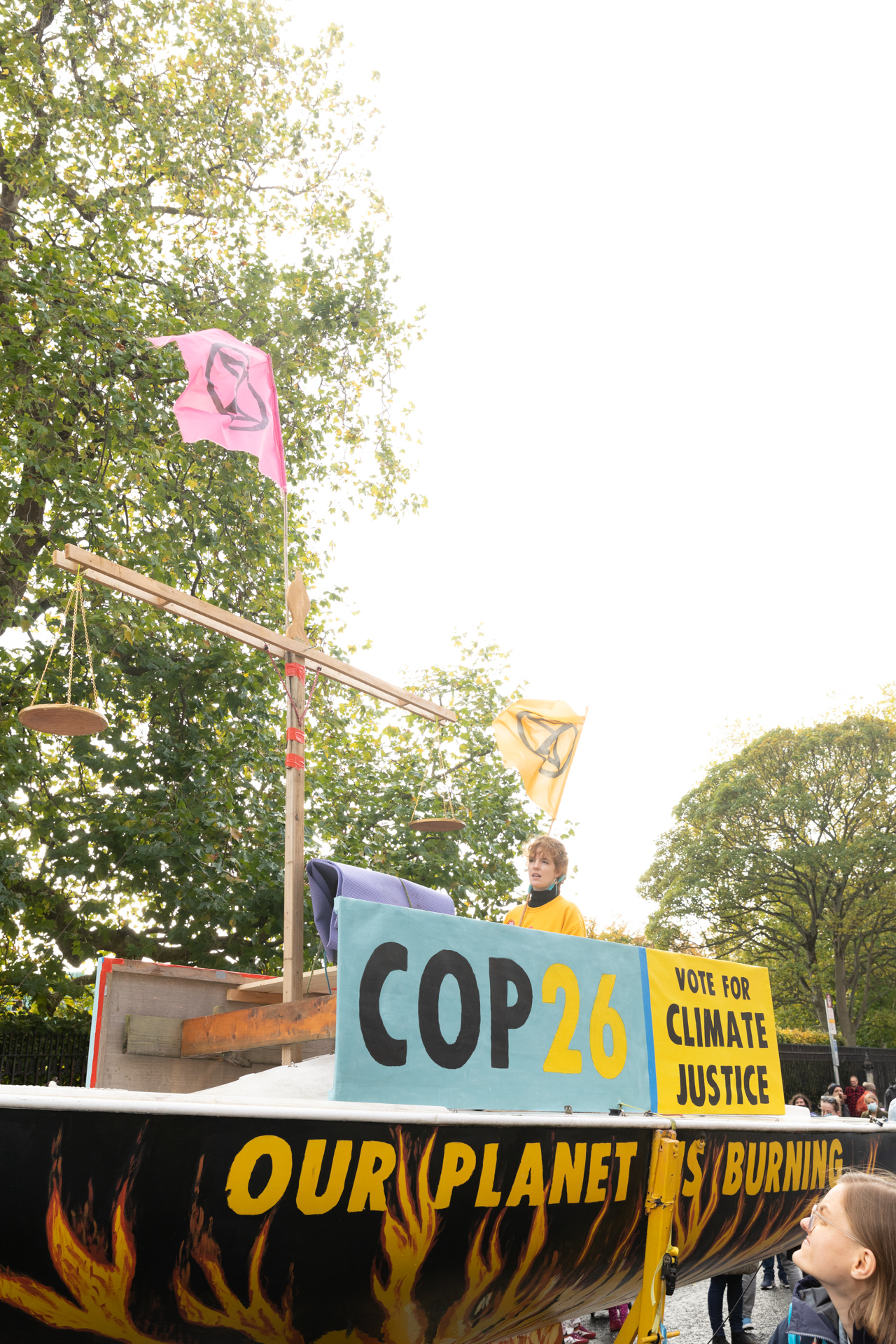
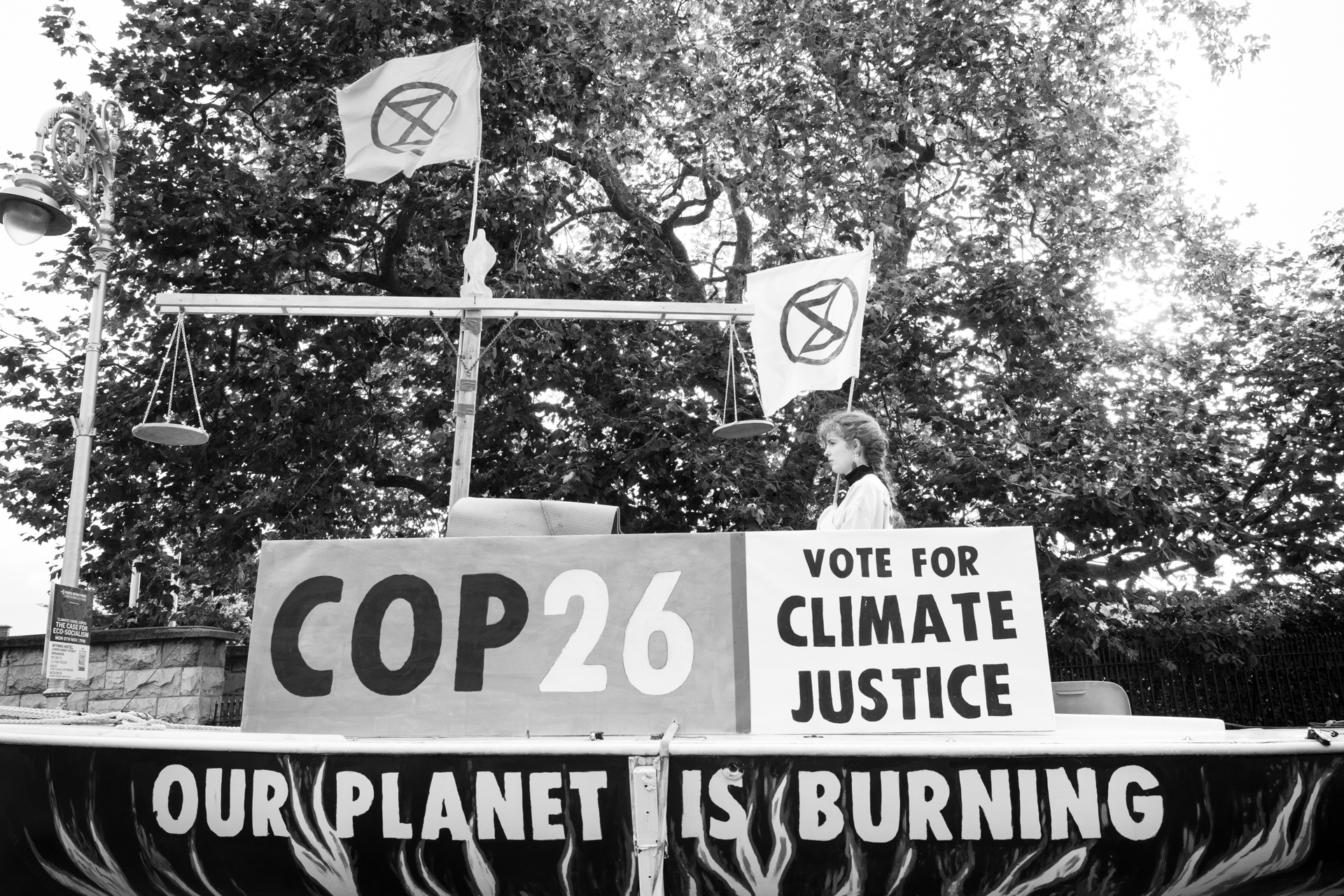

Filed Under: Independent Left Policies

  • « Go to Previous Page
  • Page 1
  • Interim pages omitted …
  • Page 6
  • Page 7
  • Page 8
  • Page 9
  • Page 10
  • Interim pages omitted …
  • Page 23
  • Go to Next Page »

Copyright © 2026 · Aspire Pro on Genesis Framework · WordPress · Log in