• Skip to primary navigation
  • Skip to main content
independent left logo

Independent Left

Environmentalism, socialism, freedom and equality. #liveablecity

  • About
  • Featured Articles
    • How Farming Must Change to Save the Planet
    • The Housing Crisis: Causes and Solutions
    • Socialism in Ireland
  • Contact Us
  • Podcast
  • Animal Rights
  • Archive
    • Irish Socialist History
    • Dublin City Council Housing
    • Ukraine
    • Protests Ireland
    • Reviews
    • Irish Political Parties
    • All Posts
    • Independent Left Policies
  • Why join?

Open Letter: Activist Dismissed from “Education for Sustainability”

29/07/2024 by admin 1 Comment

Sinéad Jackson. Activists Blocking Road to Shannon Airport 15 April 2024

Independent Left were dismayed to receive this letter from Sinéad Jackson and wish to express our solidarity with Sinéad. If you’d like to show support, please comment or to contact Sinéad please email conor@independentleft.ie and we will pass your message along.

To the Editor,

In June 2024, I was terminated from my position at “Education for Sustainability,” an organization dedicated to delivering 8-week climate literacy programs in schools across Ireland. My dismissal stemmed from my decision to remove a poster from a school wall. This poster, placed by the Irish Defence Forces Air Corps, aimed to recruit students aged 13 to 18 from secondary schools across Ireland for training in the use of rifles and other weaponry. Adding to the irony, I was also dismissed because I am an outspoken activist for Palestinian rights, which, according to the company owner, “wouldn’t align with the needs of the company.” I sat on the road at Shannon Airport which stopped holiday makers going into the airport for several hours. I was not arrested for the multiple actions I have taken over the years. This was conveyed to me as the reason for my dismissal over the phone.

Ireland, a nation that prides itself on its neutrality, faces a troubling contradiction as our youth are being encouraged to join military training programs that promote the use of inherently unsustainable weaponry. This raises critical questions: Why are organizations like “Education for Sustainability” dismissing employees who advocate for peace and the well-being of our young people? Genocide, as we know, is fundamentally unsustainable, making it highly ironic for a company dedicated to sustainability to support such initiatives.

If this organization is engaging in “greenwashing”—why is it promoting climate activism among children while suppressing other movements like “Just Stop Oil”? Students should be exposed to a variety of perspectives to make informed decisions about their future actions. My dismissal also cited my high-profile activism, with the claim that my presence would jeopardize future funding for the company.

To achieve true sustainability, we must critically examine the traditional teachings propagated in our schools and support peaceful activists who challenge unsustainable practices. Only then can we ensure that our educational institutions, companies, and governments are not merely perpetuating business-as-usual practices under the guise of environmental responsibility.

This issue also ties into broader concerns about the suppression of climate activism. Recently, five activists from the “Just Stop Oil” environmental campaign were handed prison sentences for their involvement in organizing protests that blocked a major London highway in 2022. Roger Hallam, 58, Daniel Shaw, 38, Louise Lancaster, 58, Lucia Whittaker De Abreu, 35, and Cressida Gethin, 22, were sentenced to prison terms ranging from four to five years. Their protest aimed to disrupt traffic on the M25 highway for four days in November 2022.

The sentencing has sparked a wave of criticism from climate advocates. “Just Stop Oil” described the decision as “an obscene perversion of justice.” Bill McGuire, professor of geophysical and climate hazards at University College London, condemned the trial and verdict as a “farce,” highlighting the judge’s misunderstanding of climate breakdown as merely a matter of opinion. Greenpeace UK’s program director, Amy Cameron, called the outcome a “dark day for the right to protest, a pillar of our democracy.”

This situation further sheds light of the importance of social constructivism in understanding how societal norms and values are shaped. Social constructivism posits that our understanding of the world is constructed through social interactions and shared meanings. In the context of climate activism, it is crucial that diverse viewpoints are allowed to be expressed and debated to foster a comprehensive understanding of sustainability and justice. Suppressing these voices undermines the democratic principles that allow for progressive change does it not?

Sincerely,

Sinéad Jackson. 

Filed Under: Protests Ireland

Support Disability Power March

18/07/2023 by admin 1 Comment

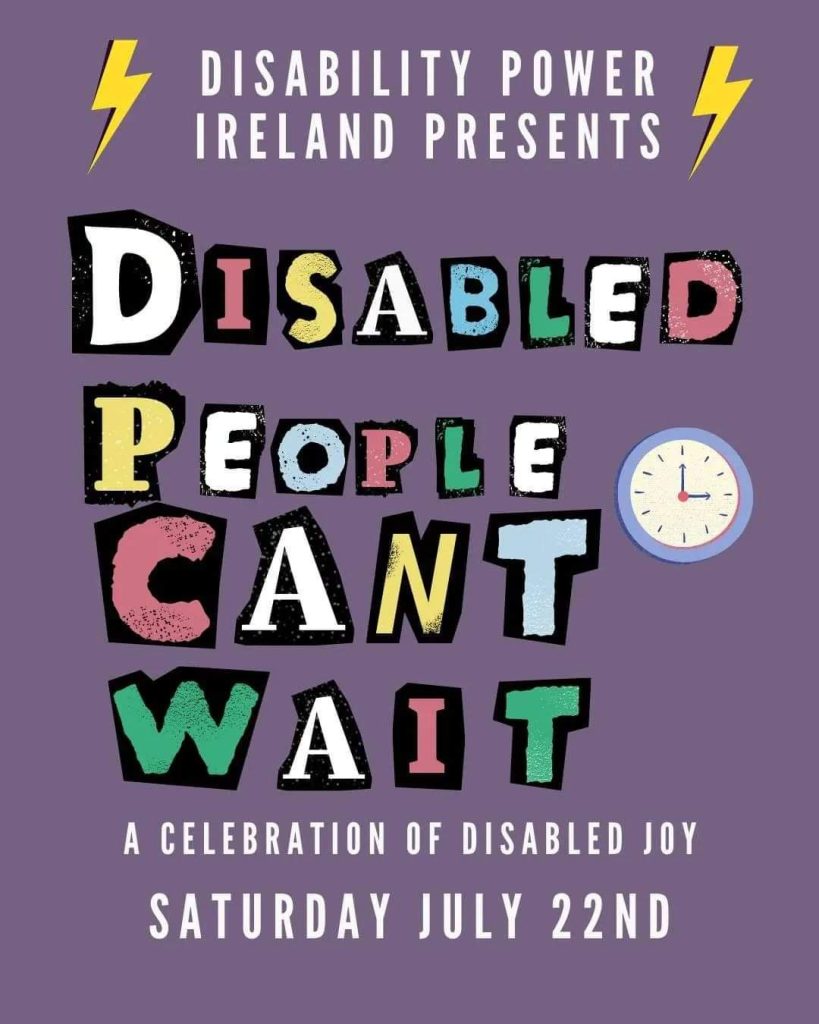
Disabled People Can't Wait. Disability Power march.

Independent Left stands in full solidarity with DPI and disabled activists as we march to mark Disability Pride month’s campaign for basic rights, destigmatisation of disability and to celebrate being disabled and the positivity of the community. Disabled people are so often ignored pushed aside and their issues and campaigns are often argured for by non disabled people; this why it is crucial to support groups like DPI and disabled people who are leading the charge for change. We encourage all who can to attend the DPI march on the 22nd of July at 2pm gathering at Trinty College Dubin, before heading on to Dáil Éireann. Please share DPI’s messages across social media and to come together to protest for change and also celebrate the positivity and joy of the disabled community.

By Ciara Neville.
Filed Under: Independent Left Policies, Protests Ireland

March for Climate Justice

02/12/2021 by admin Leave a Comment

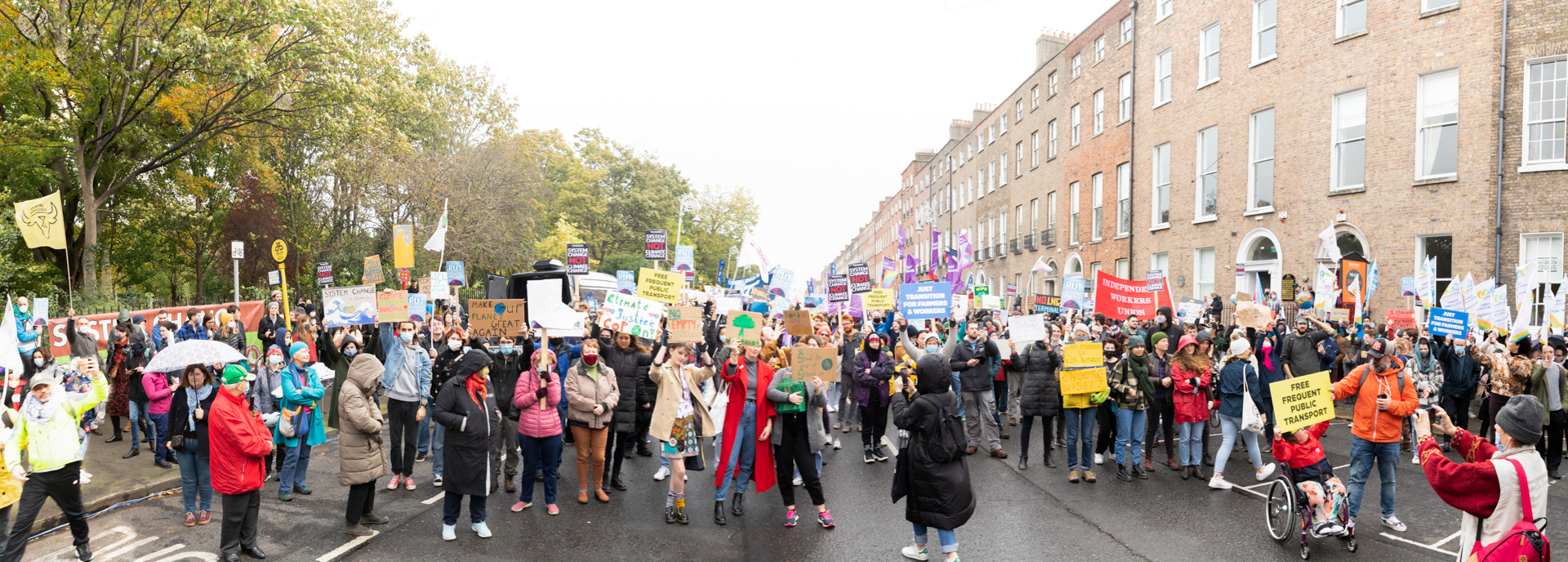
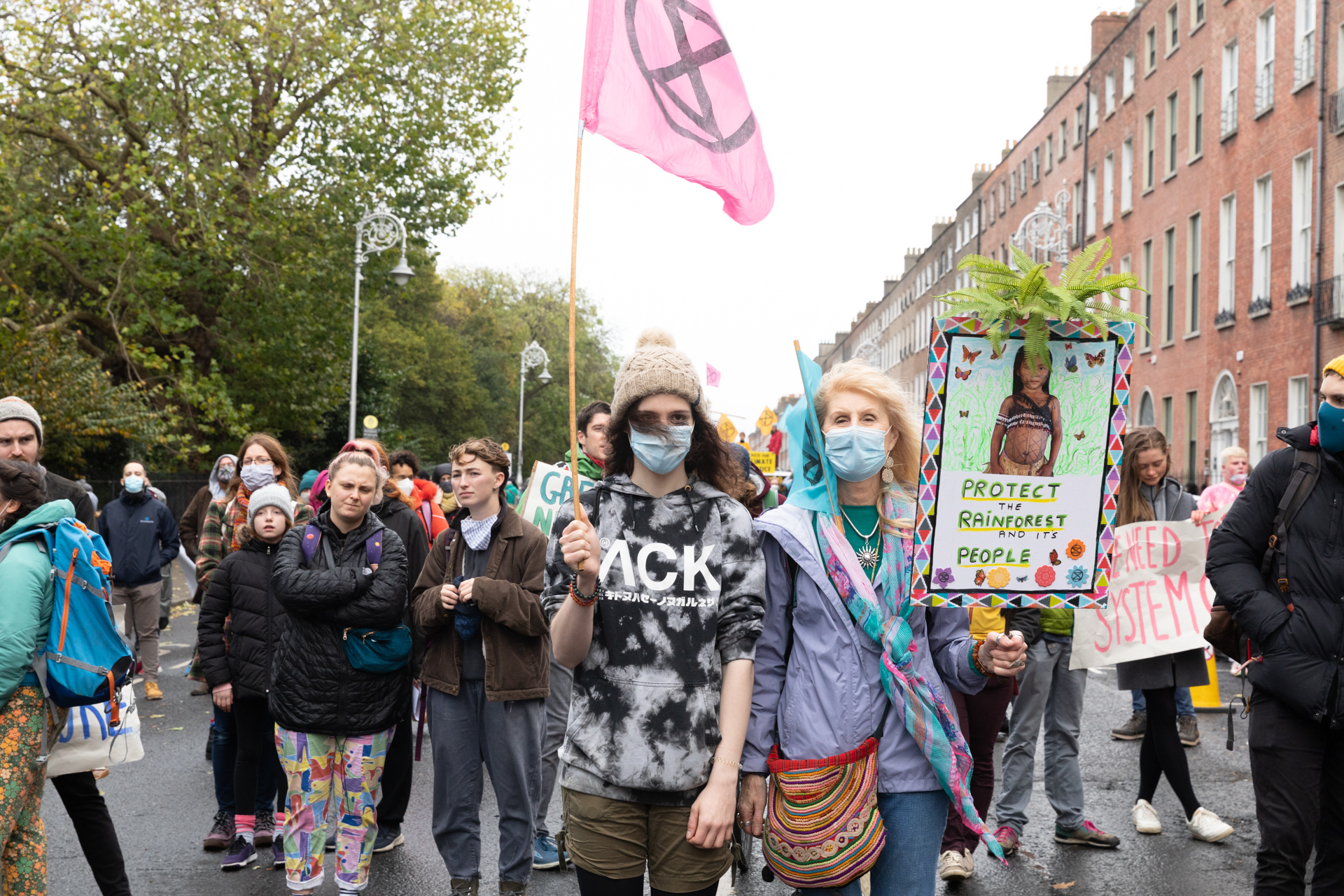
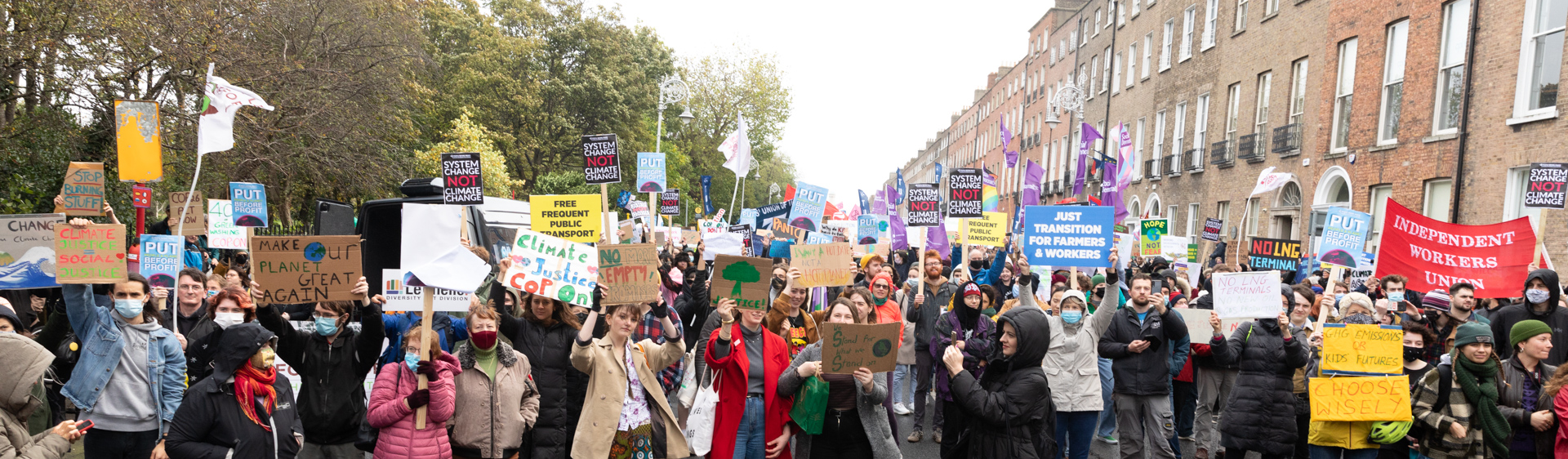
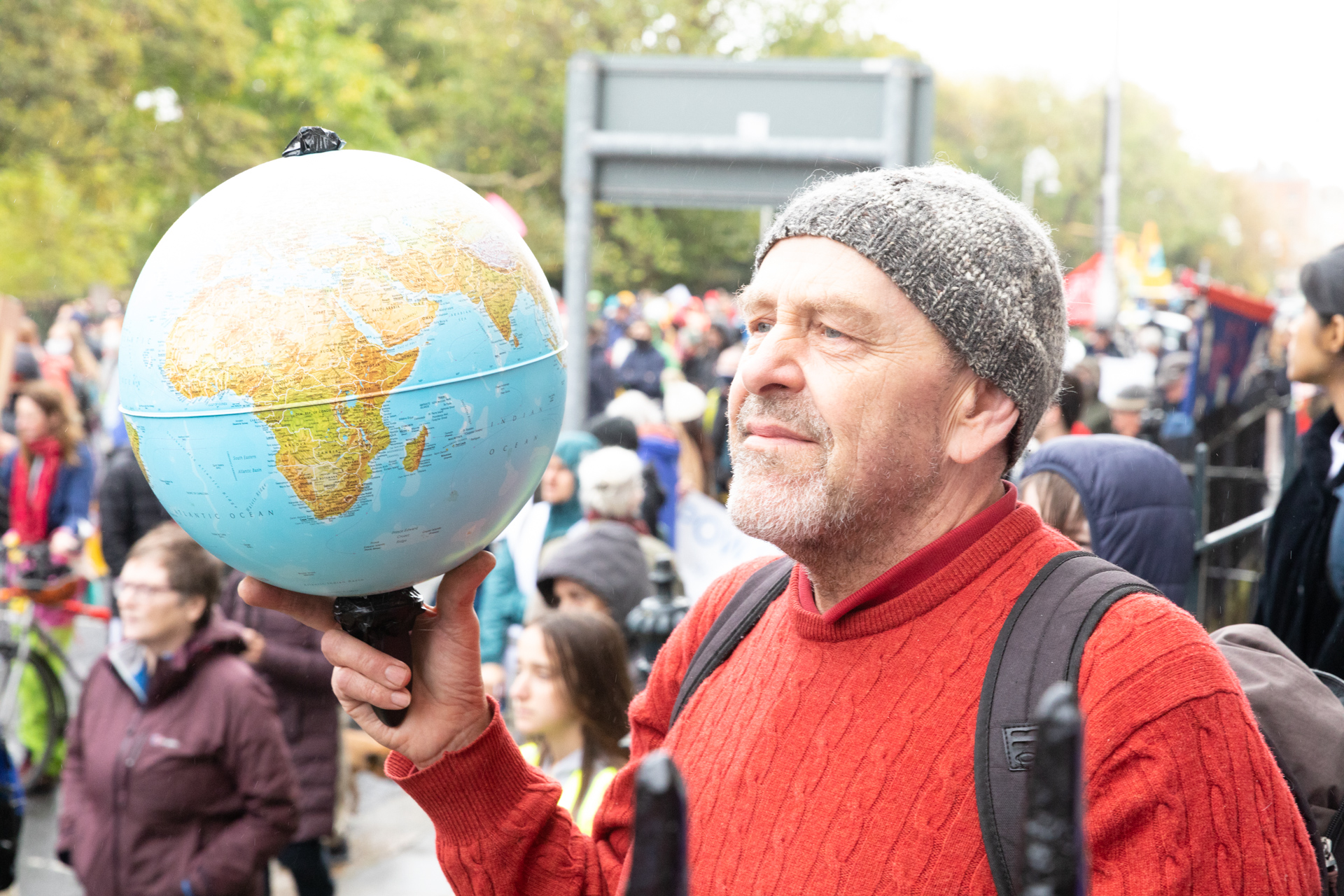
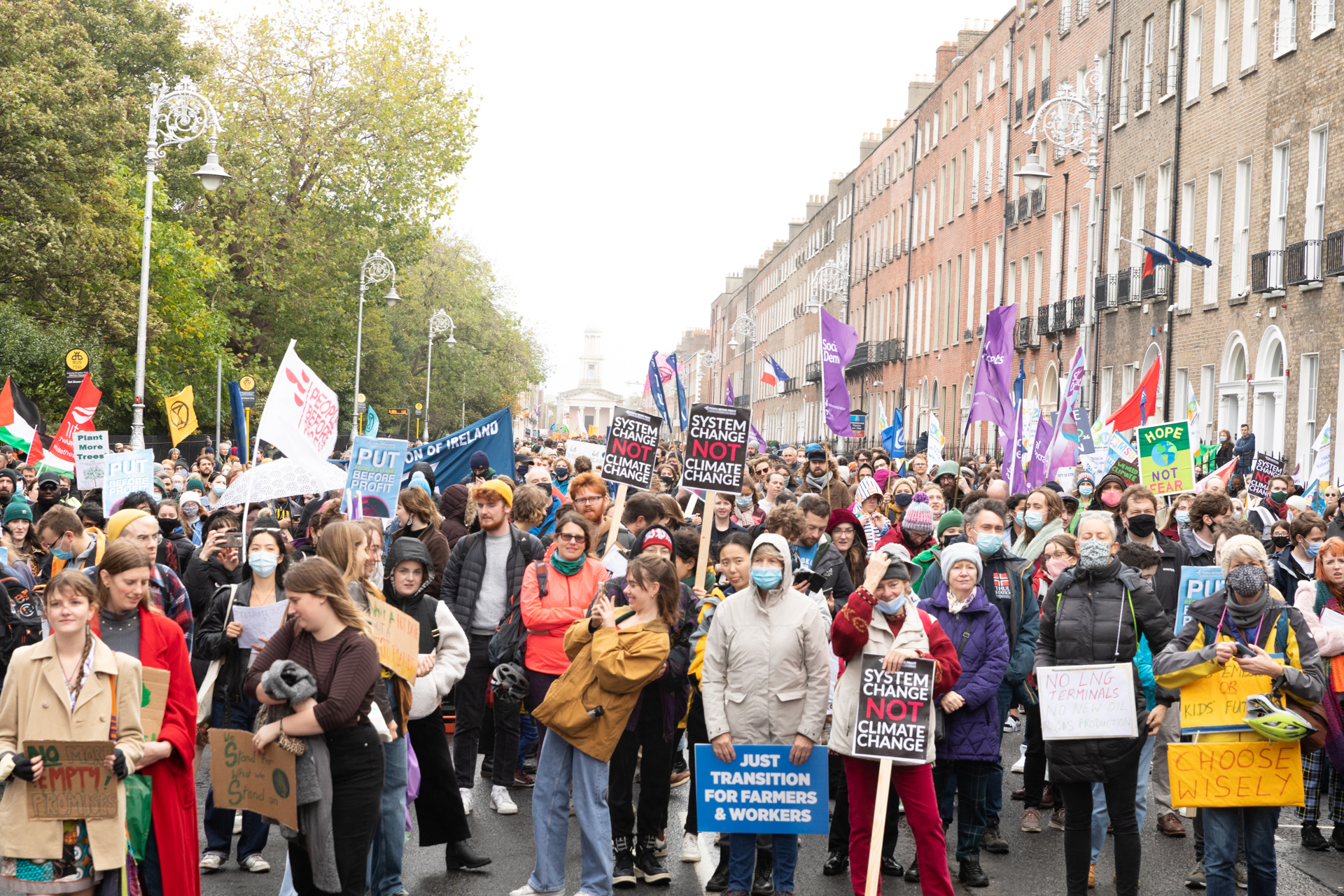
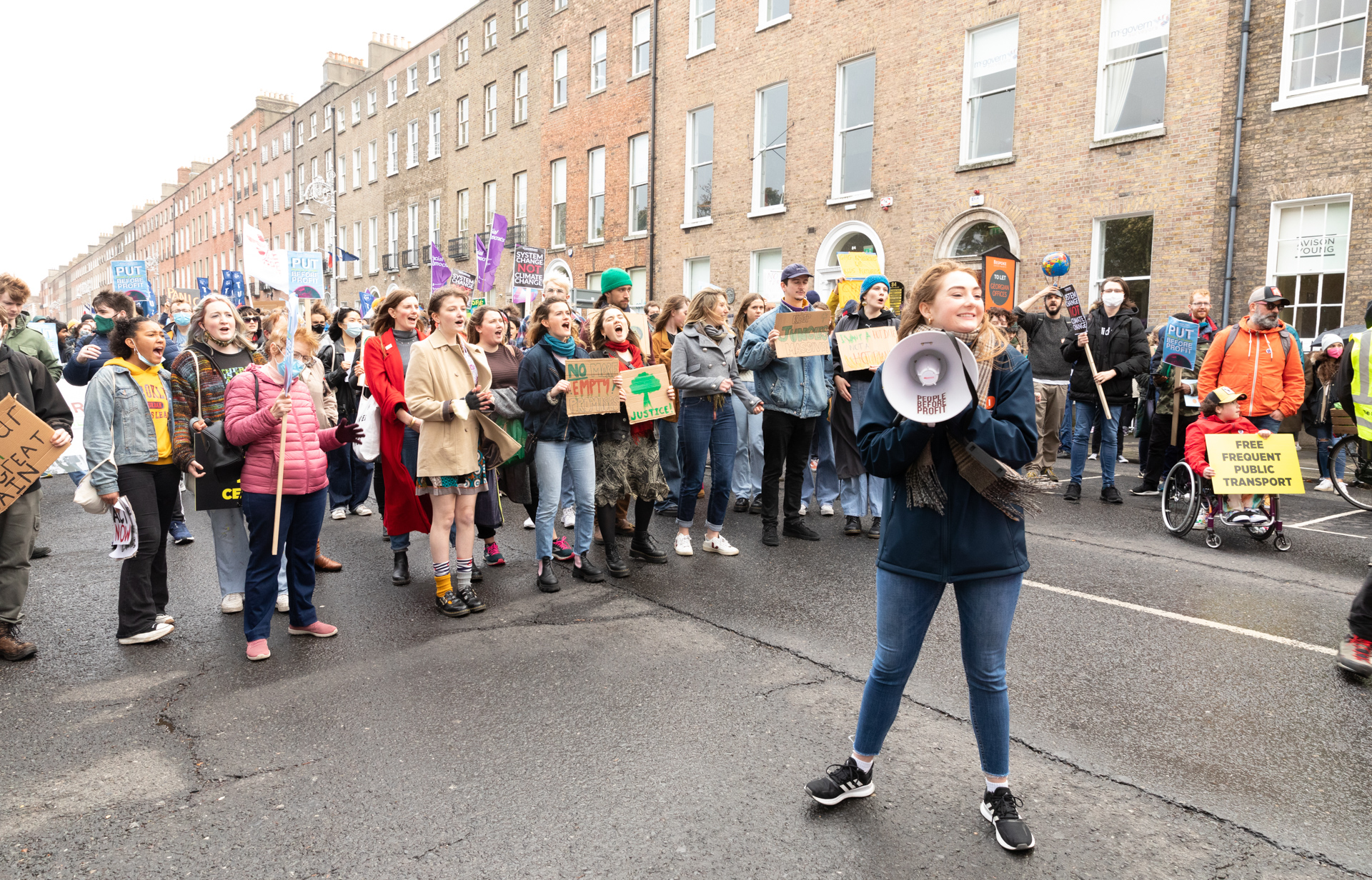
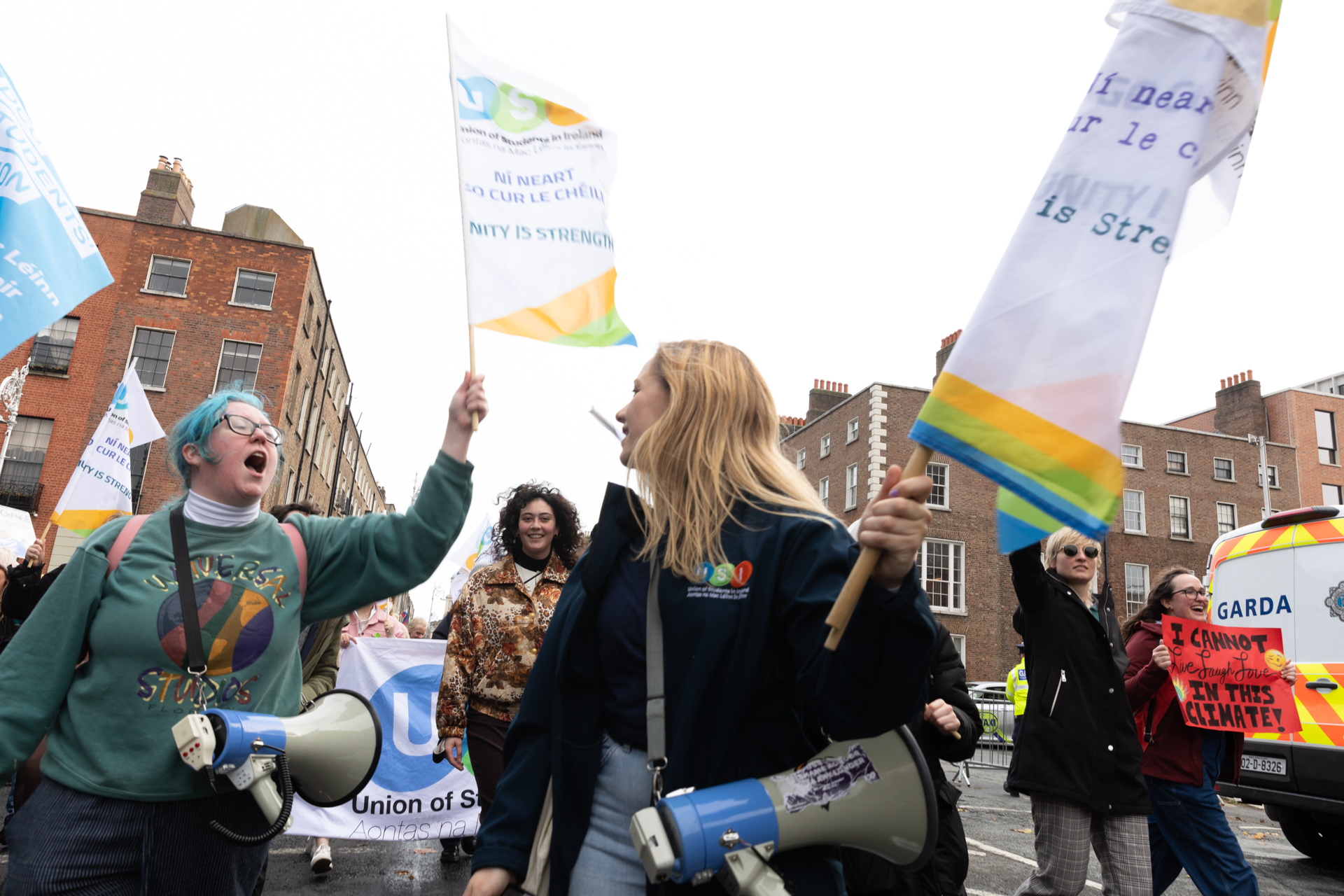
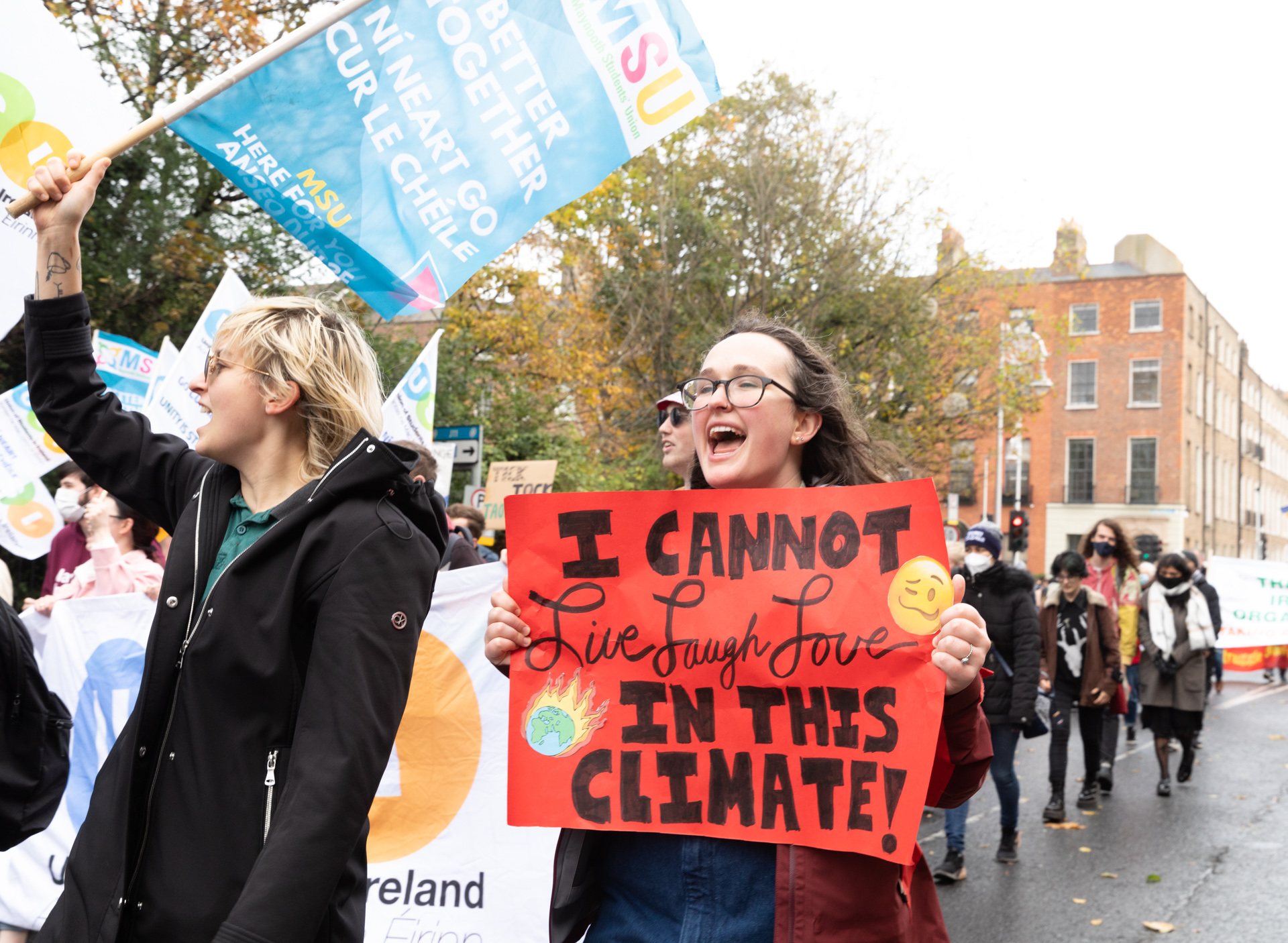
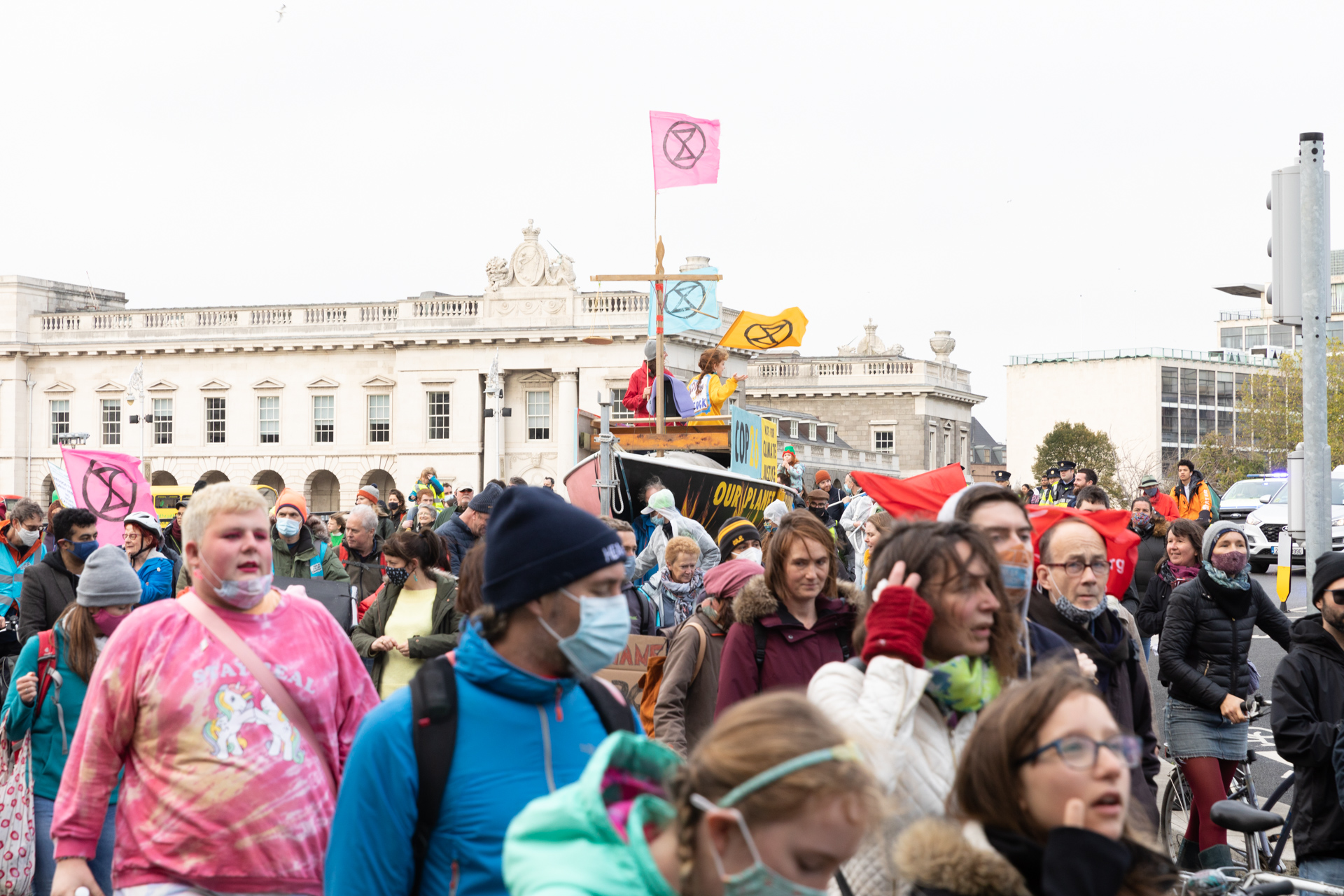
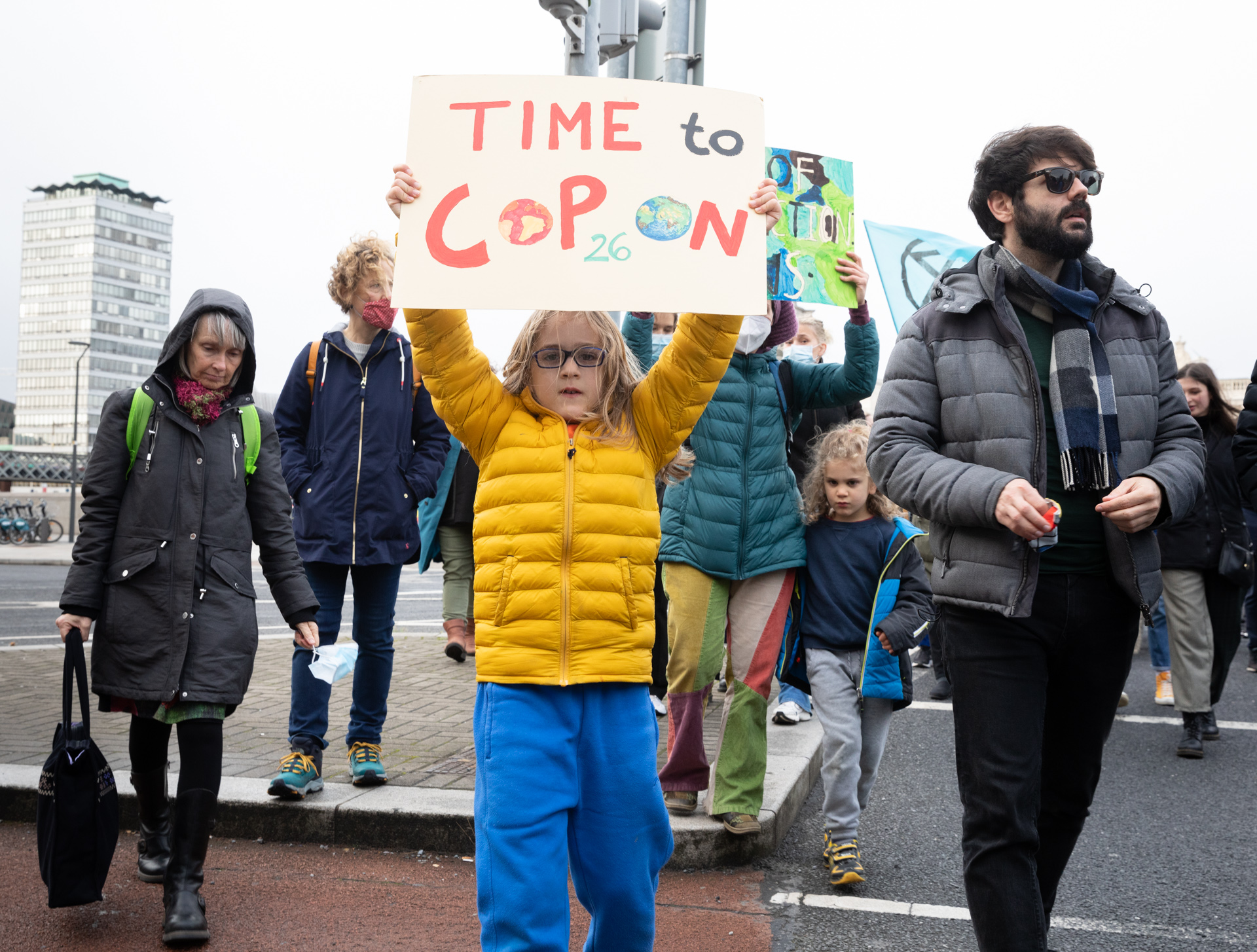
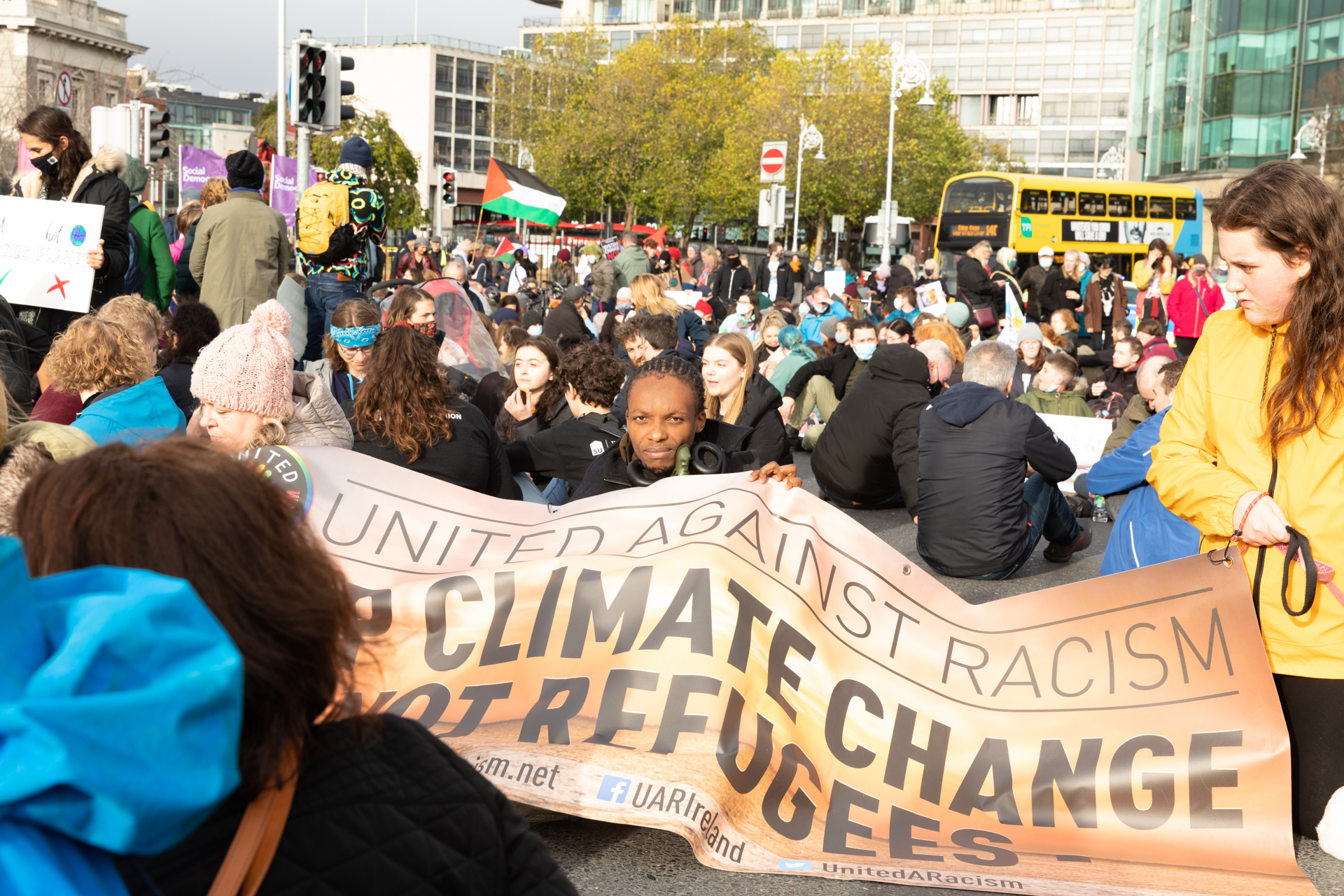
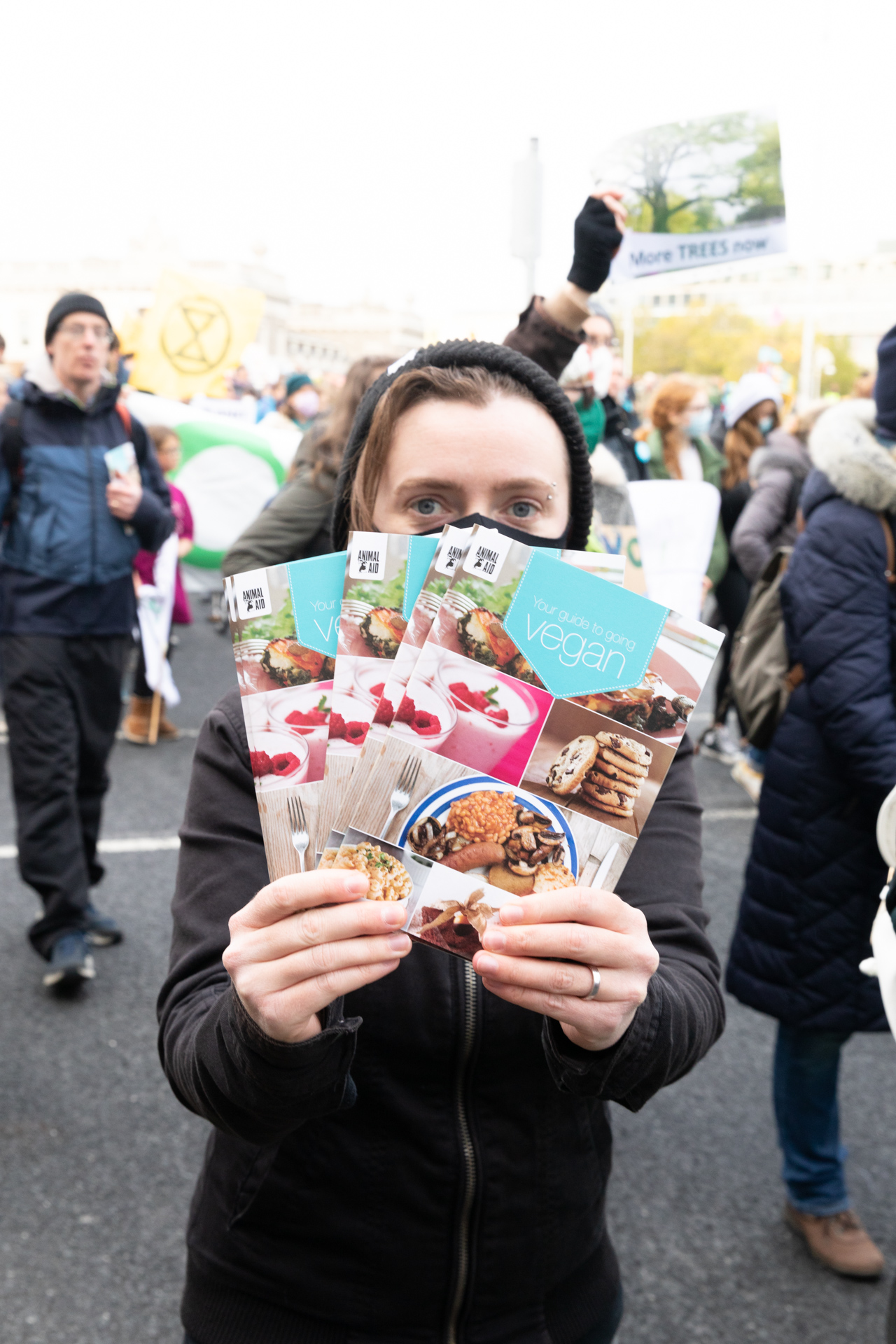
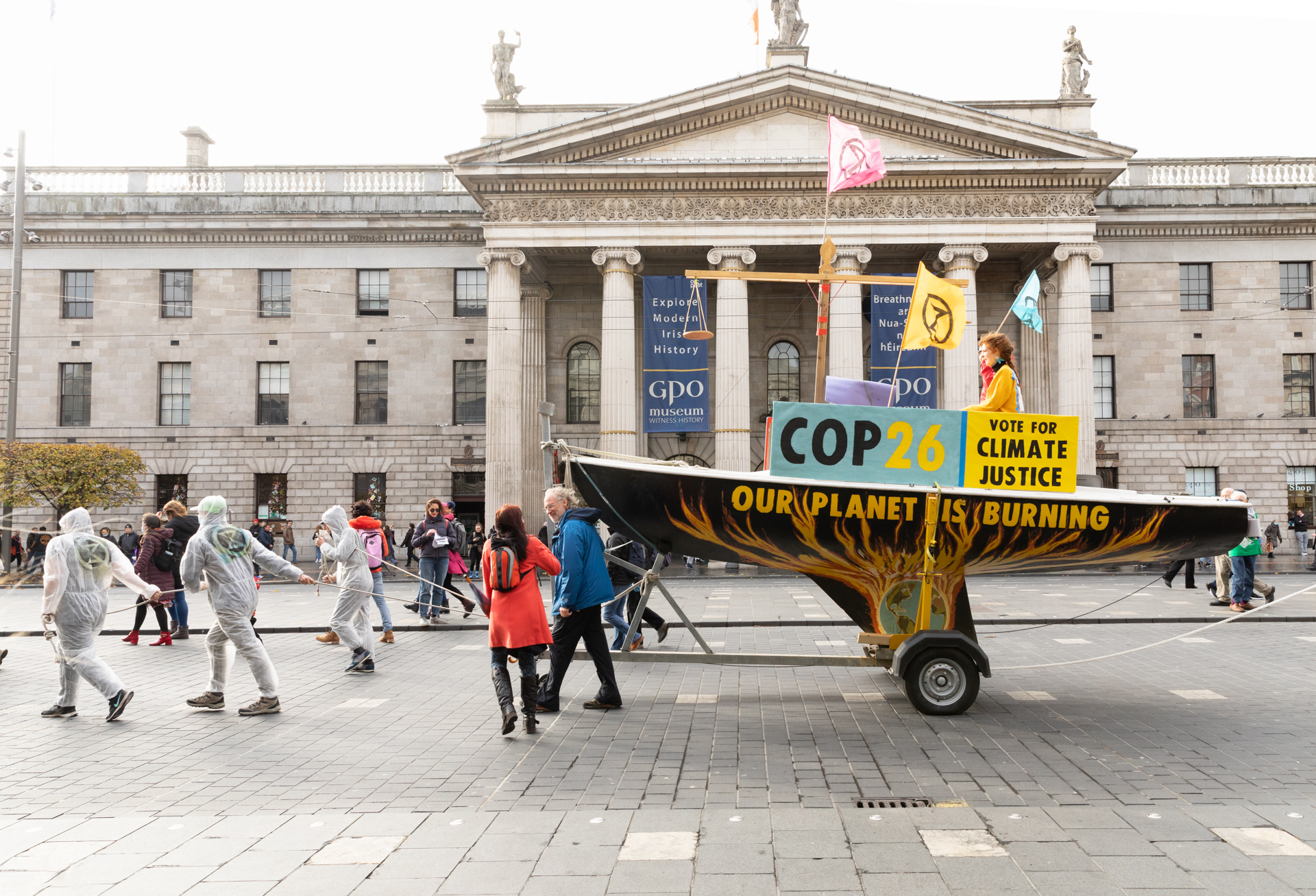
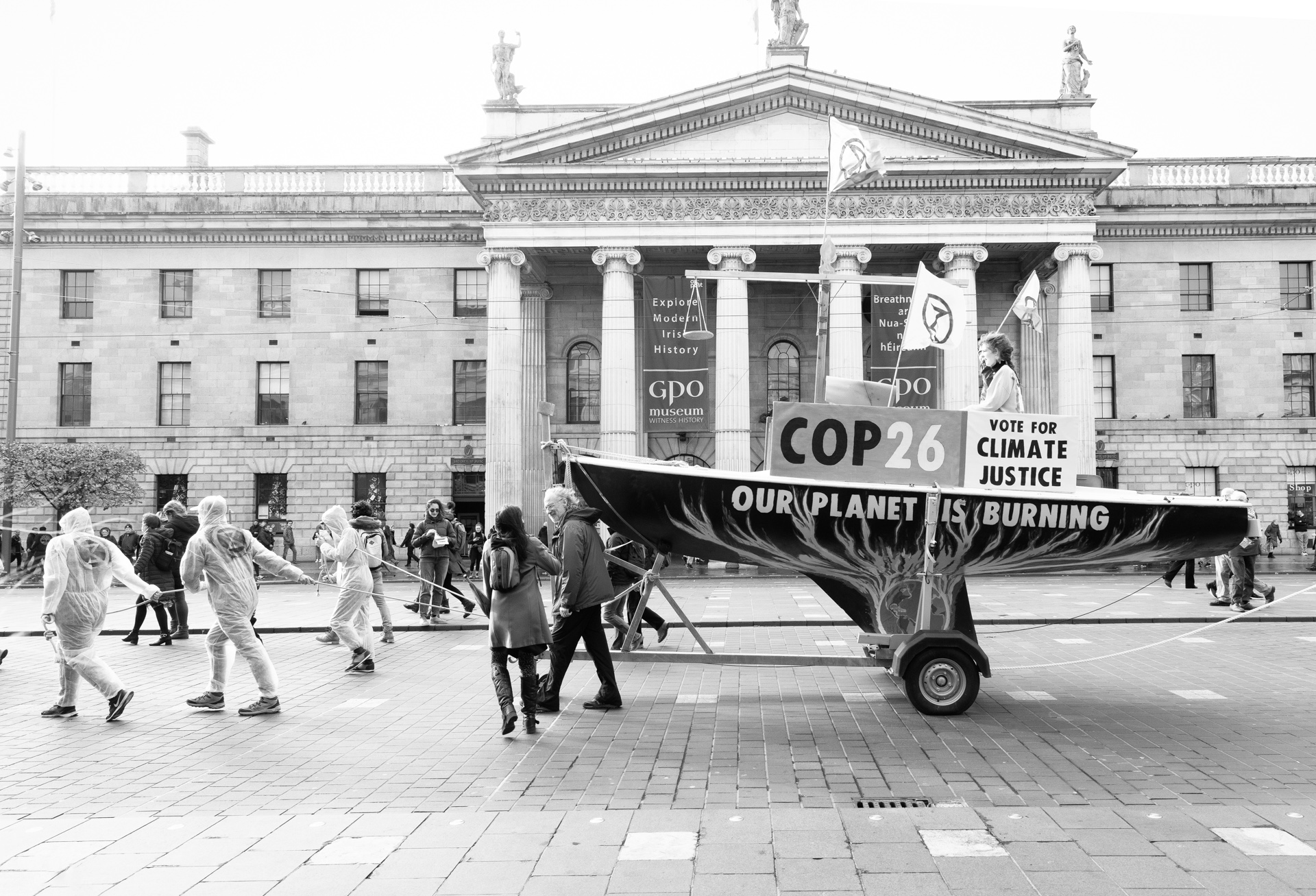
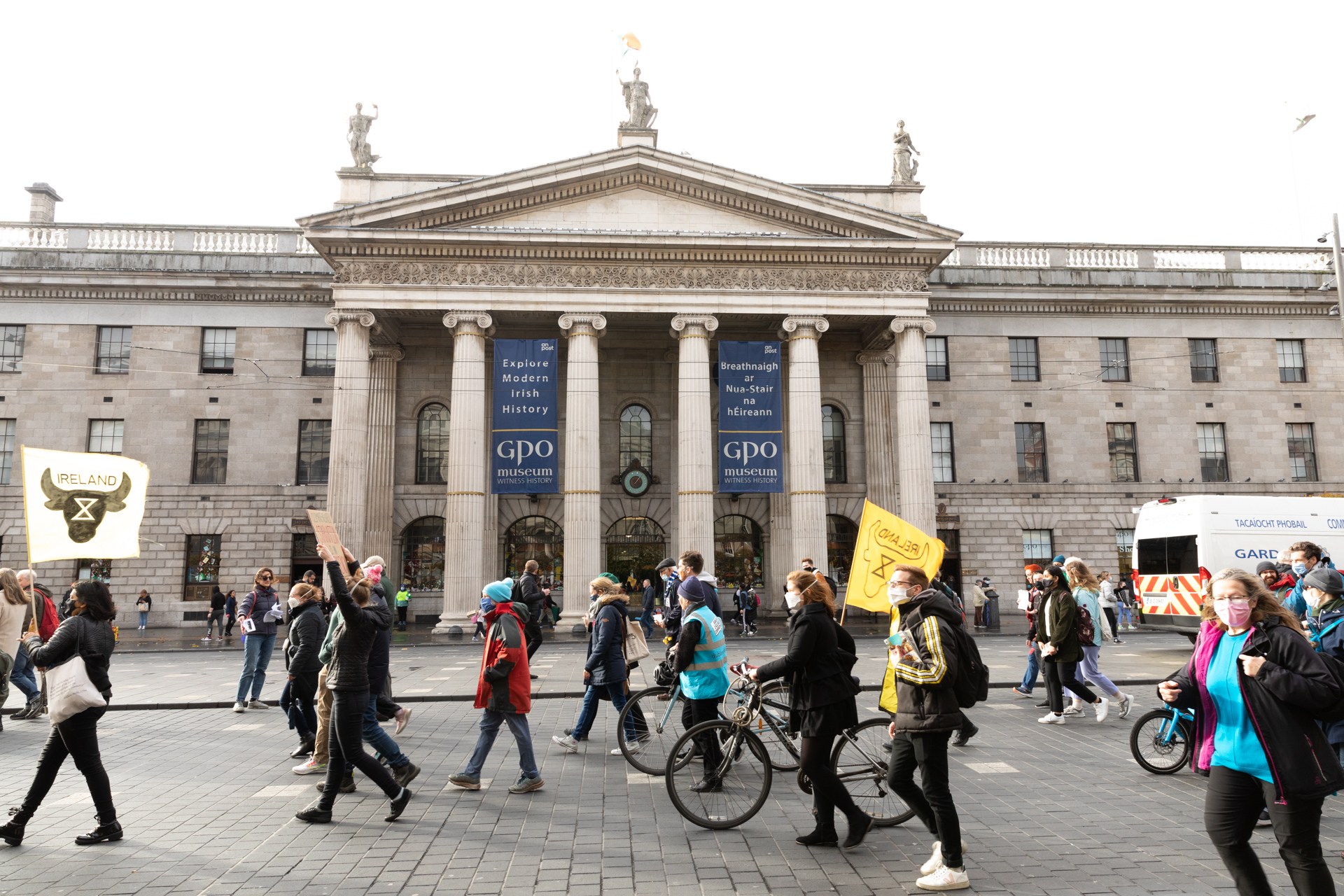
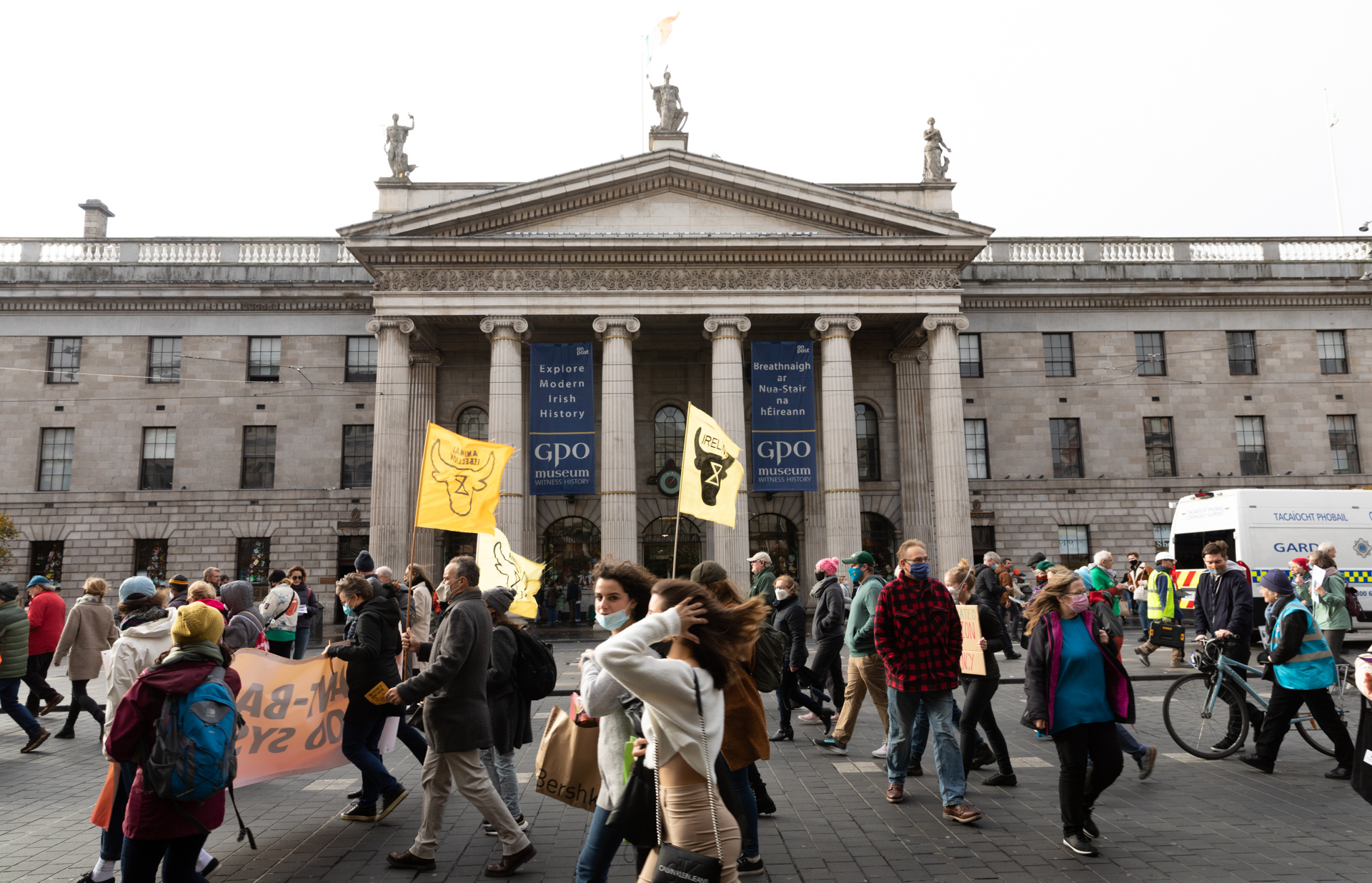
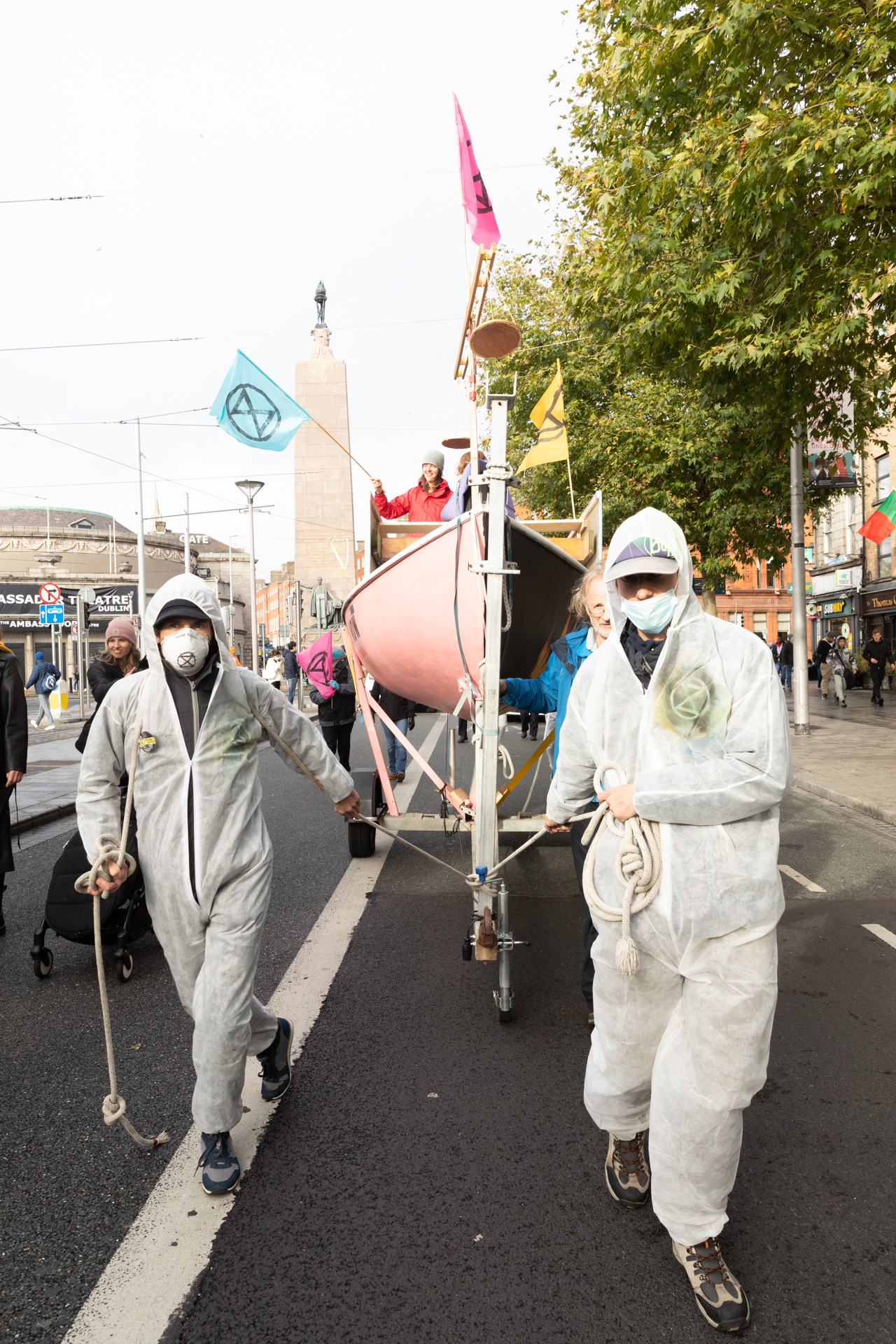
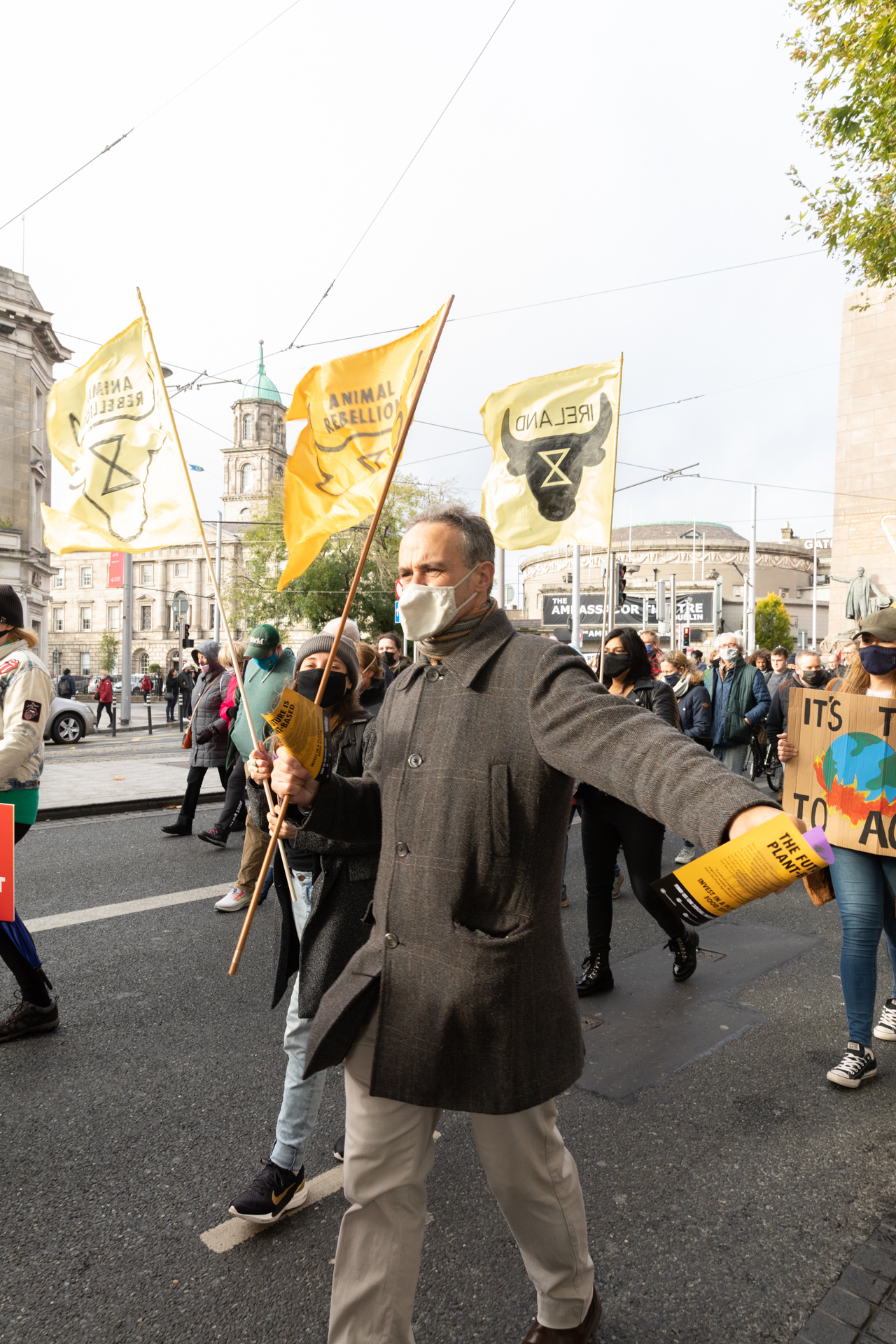
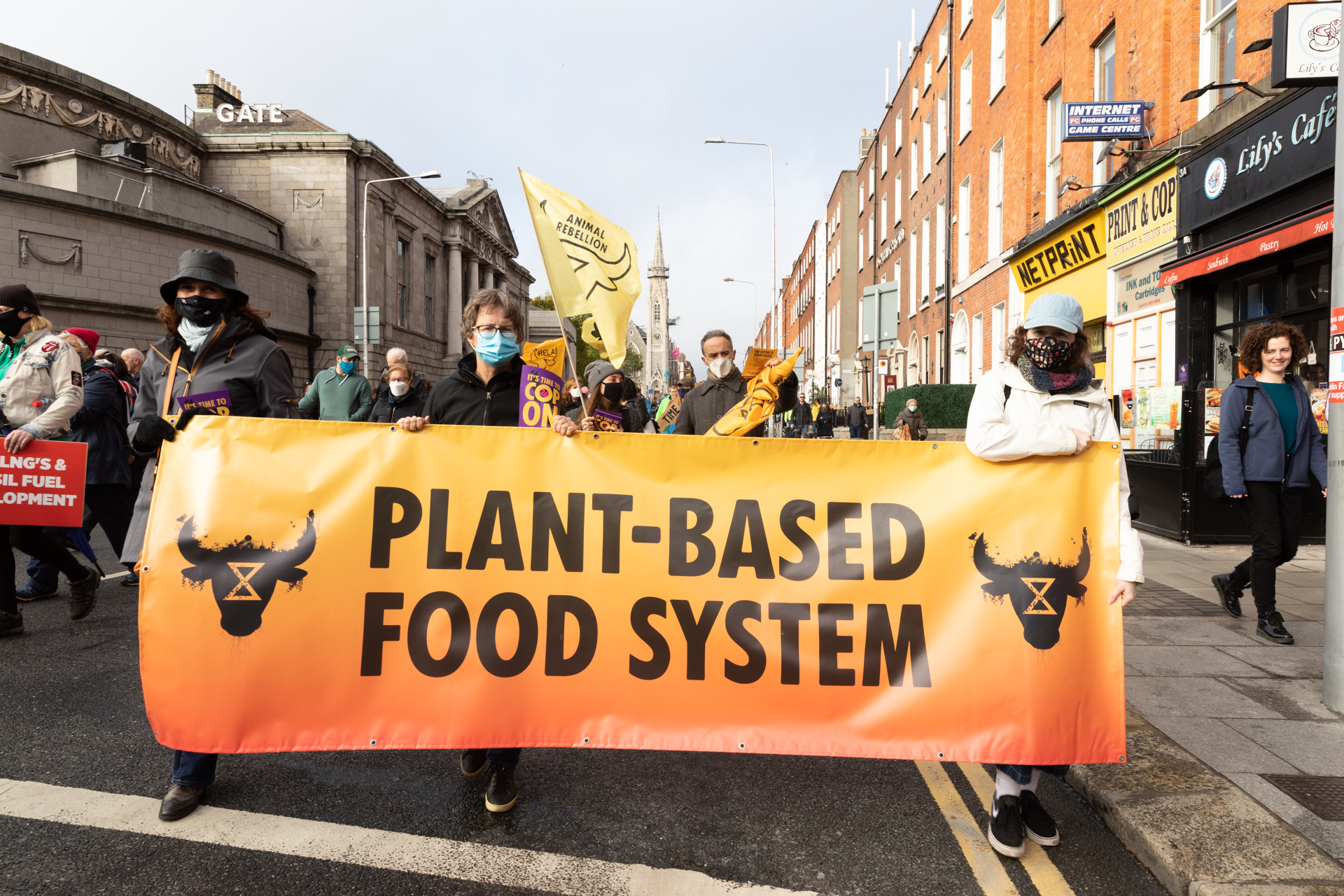
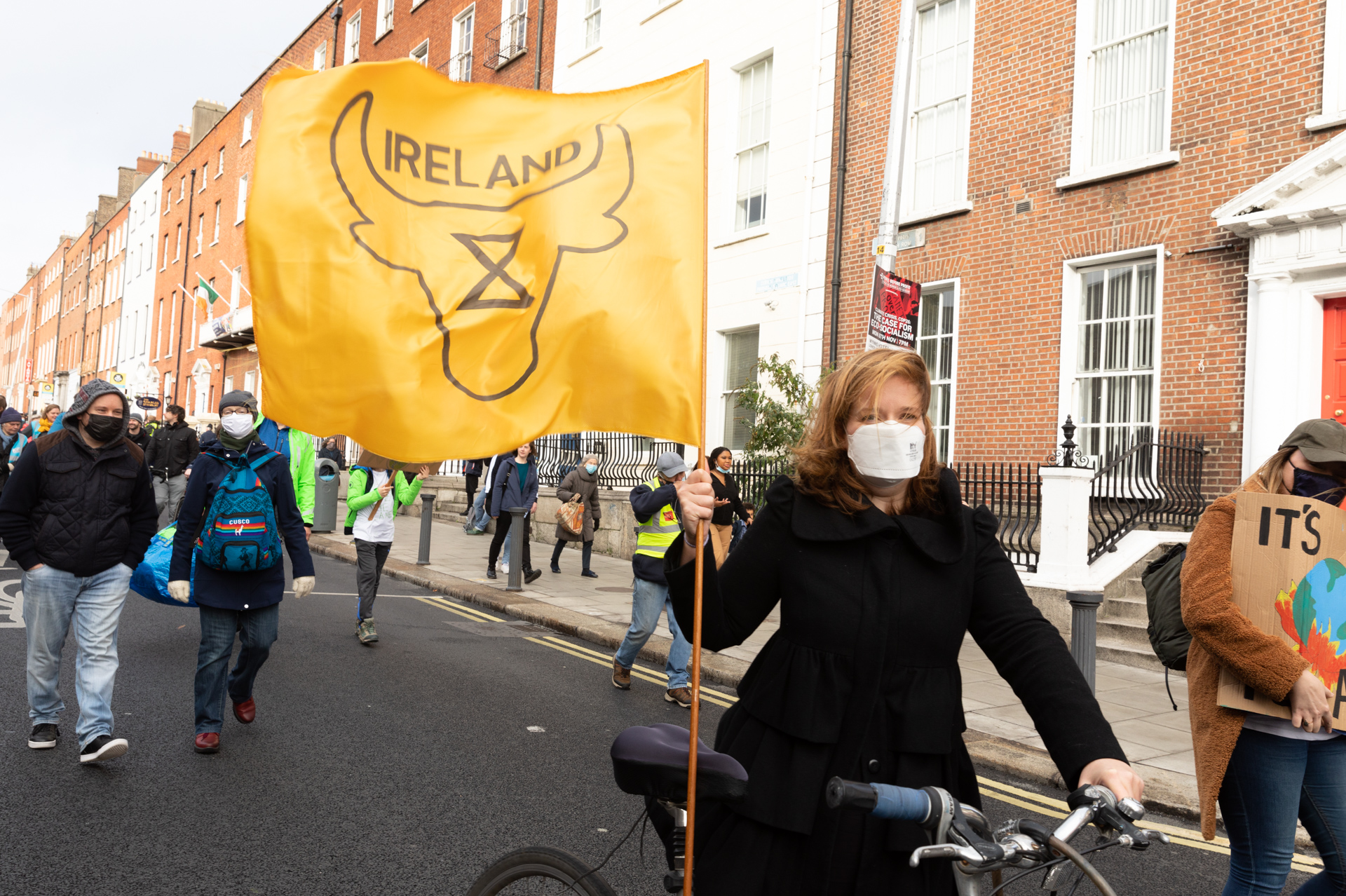
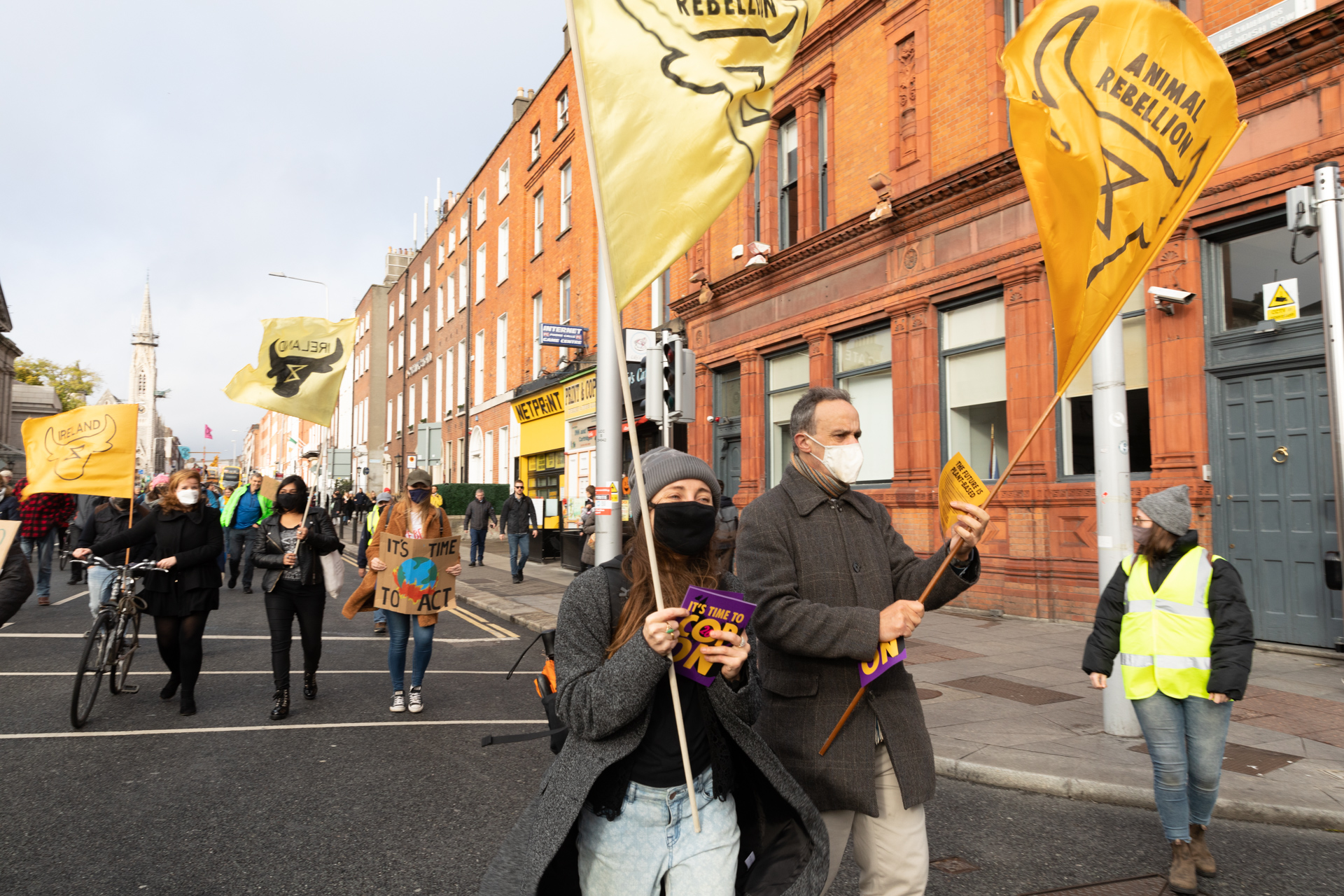
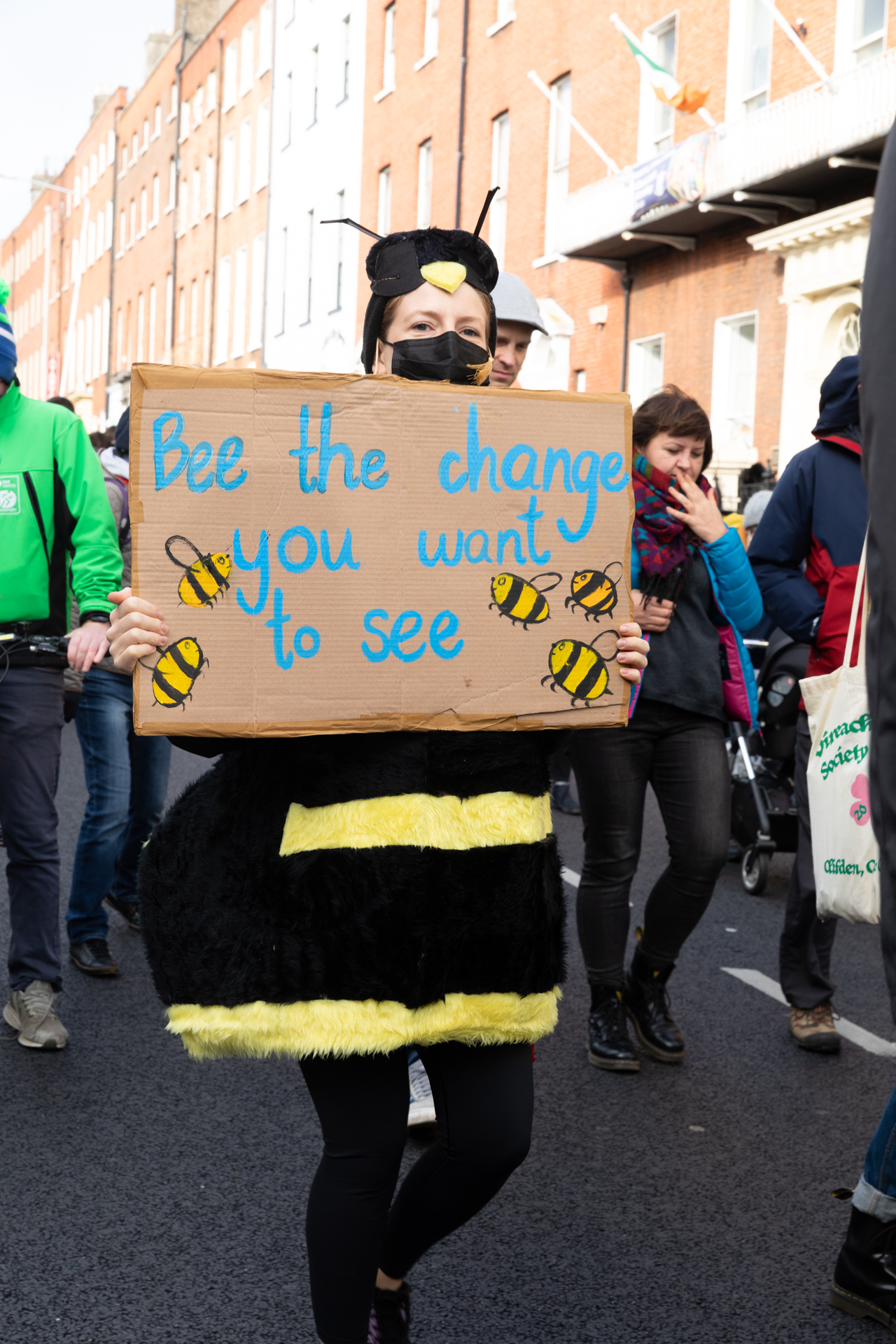
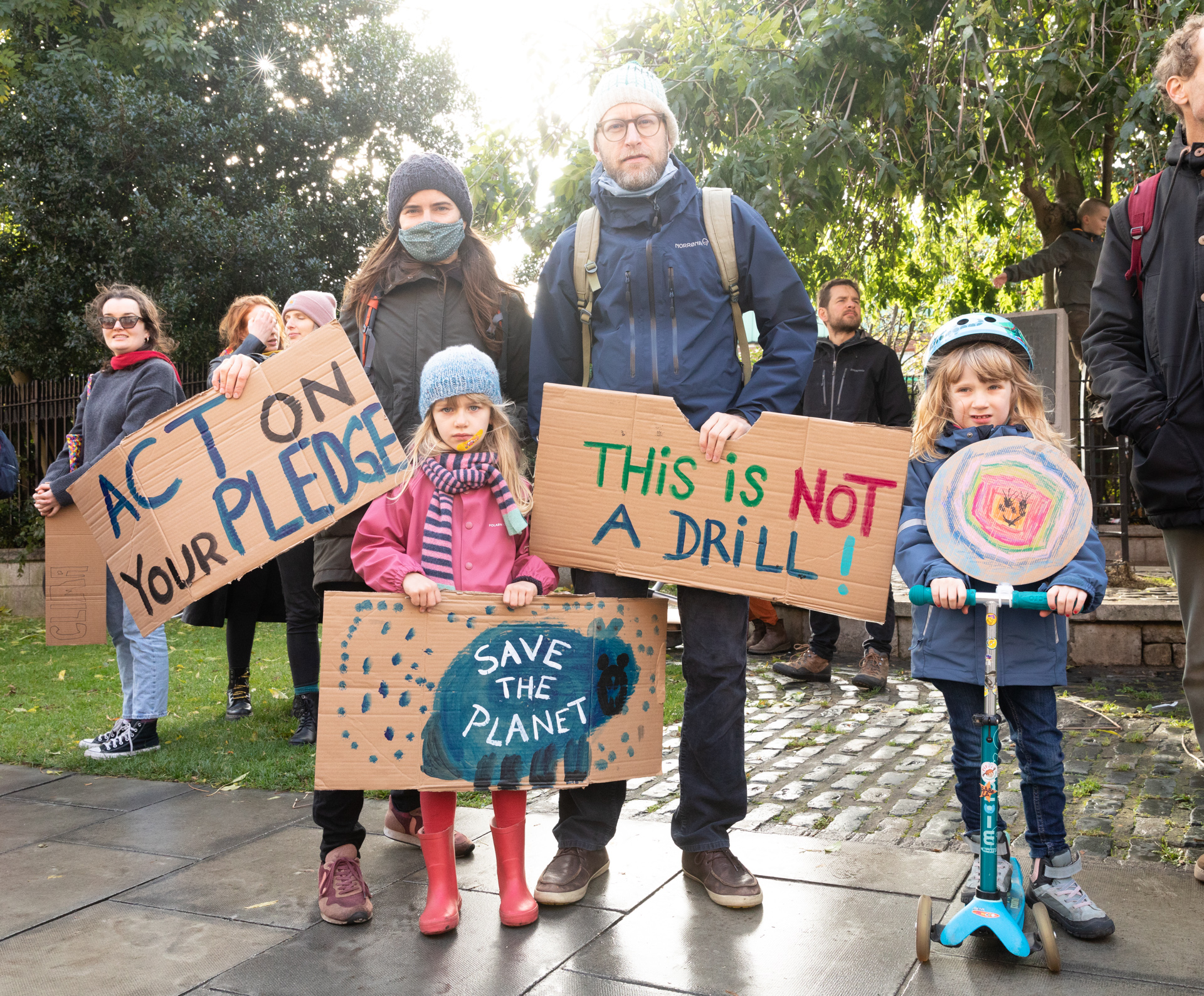
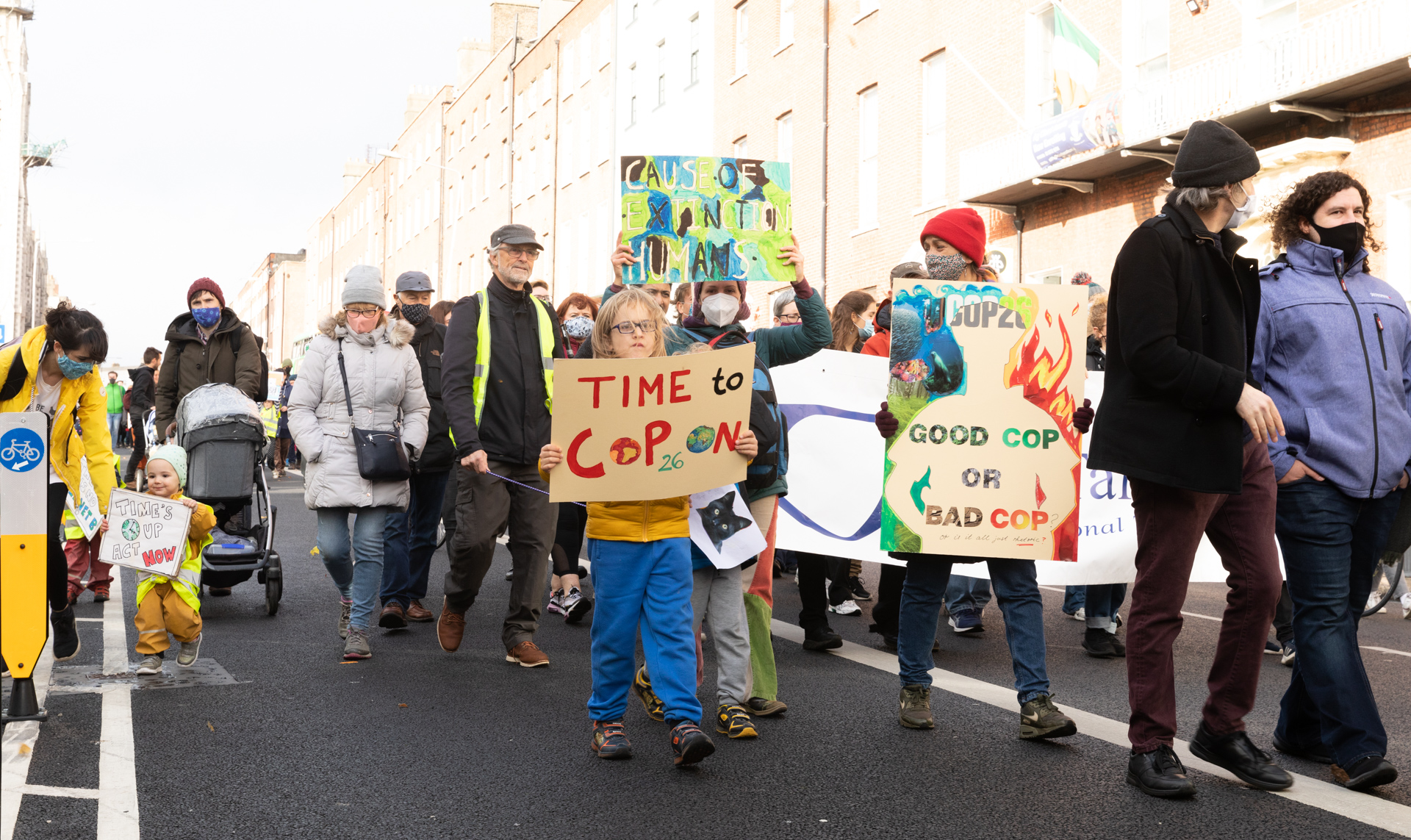
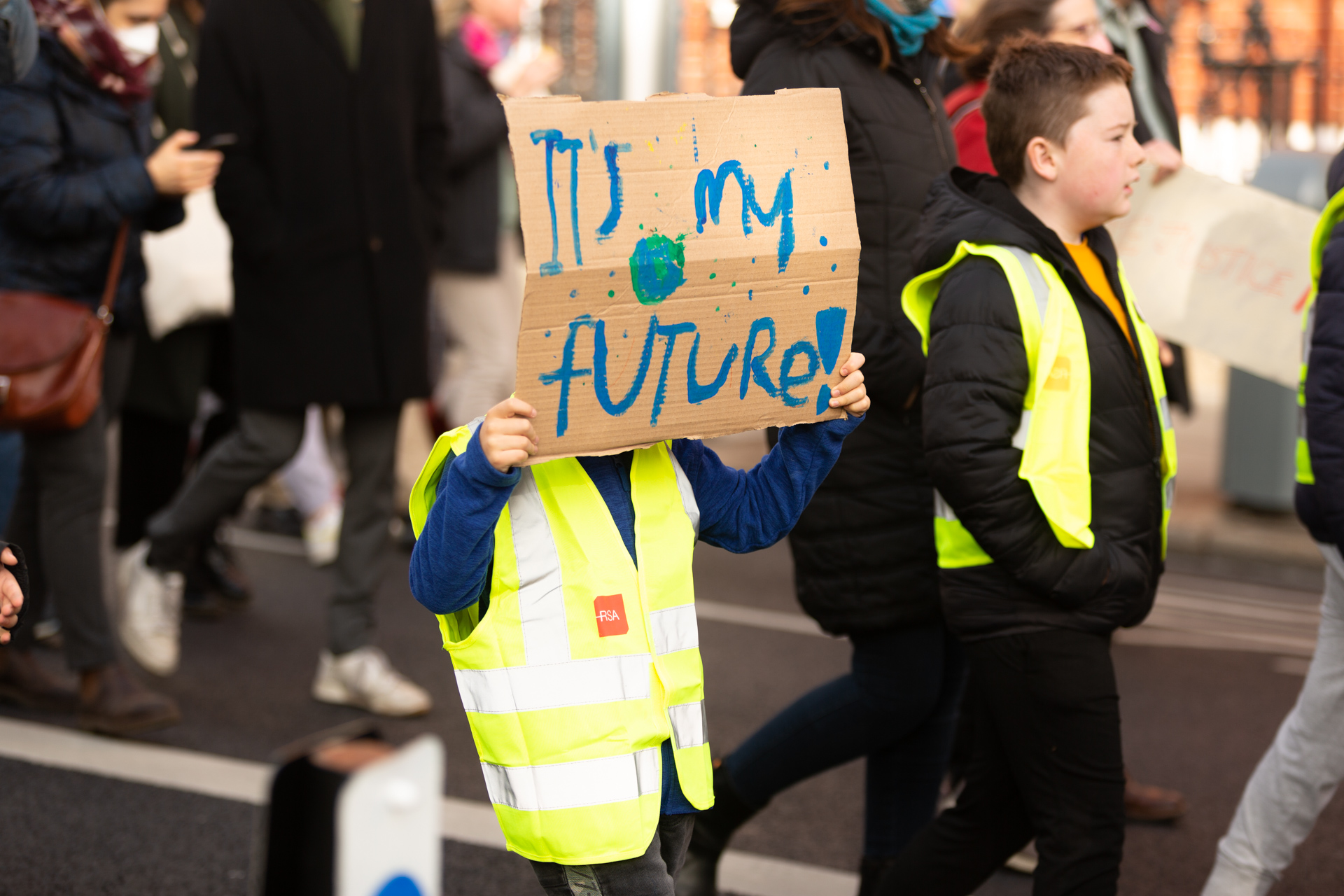
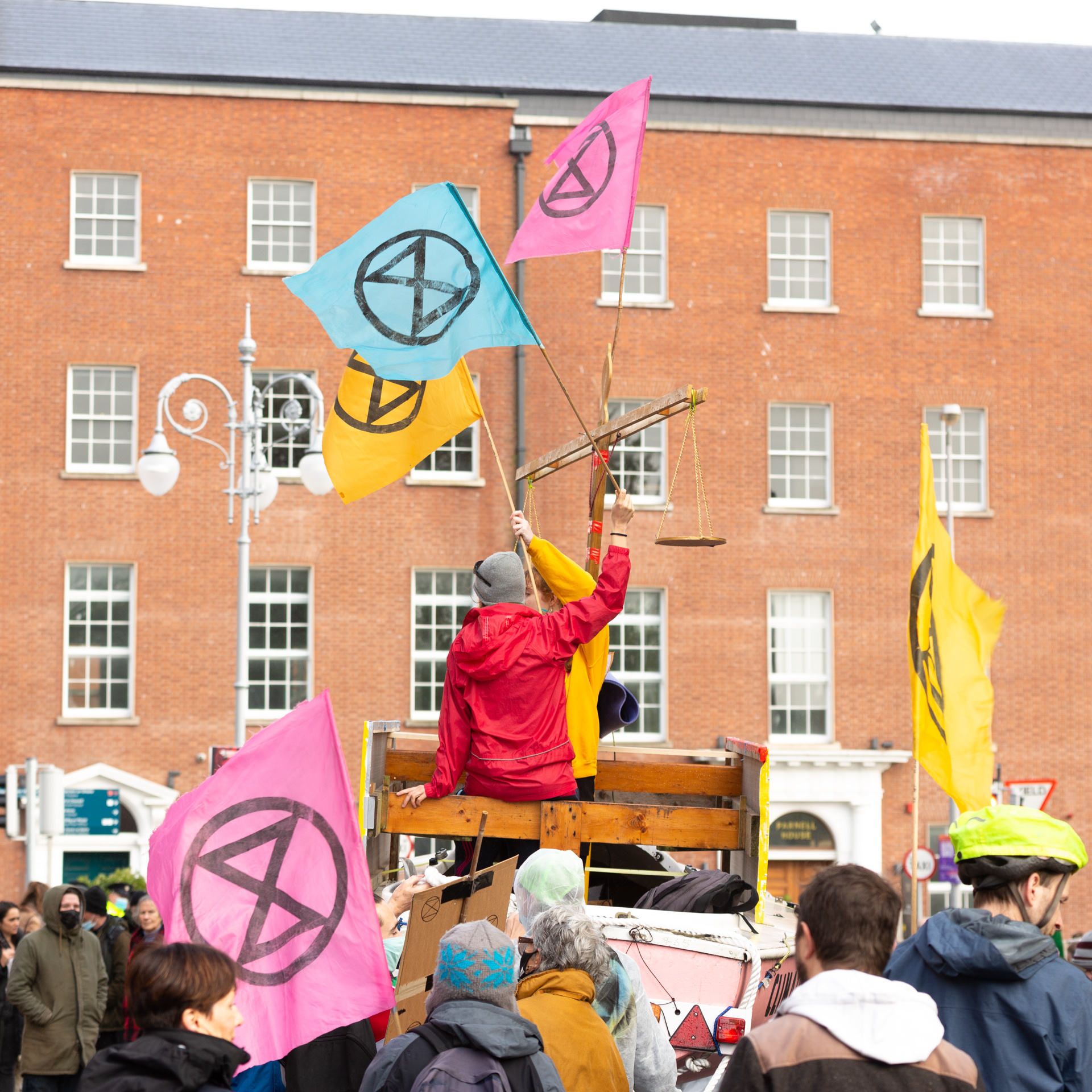
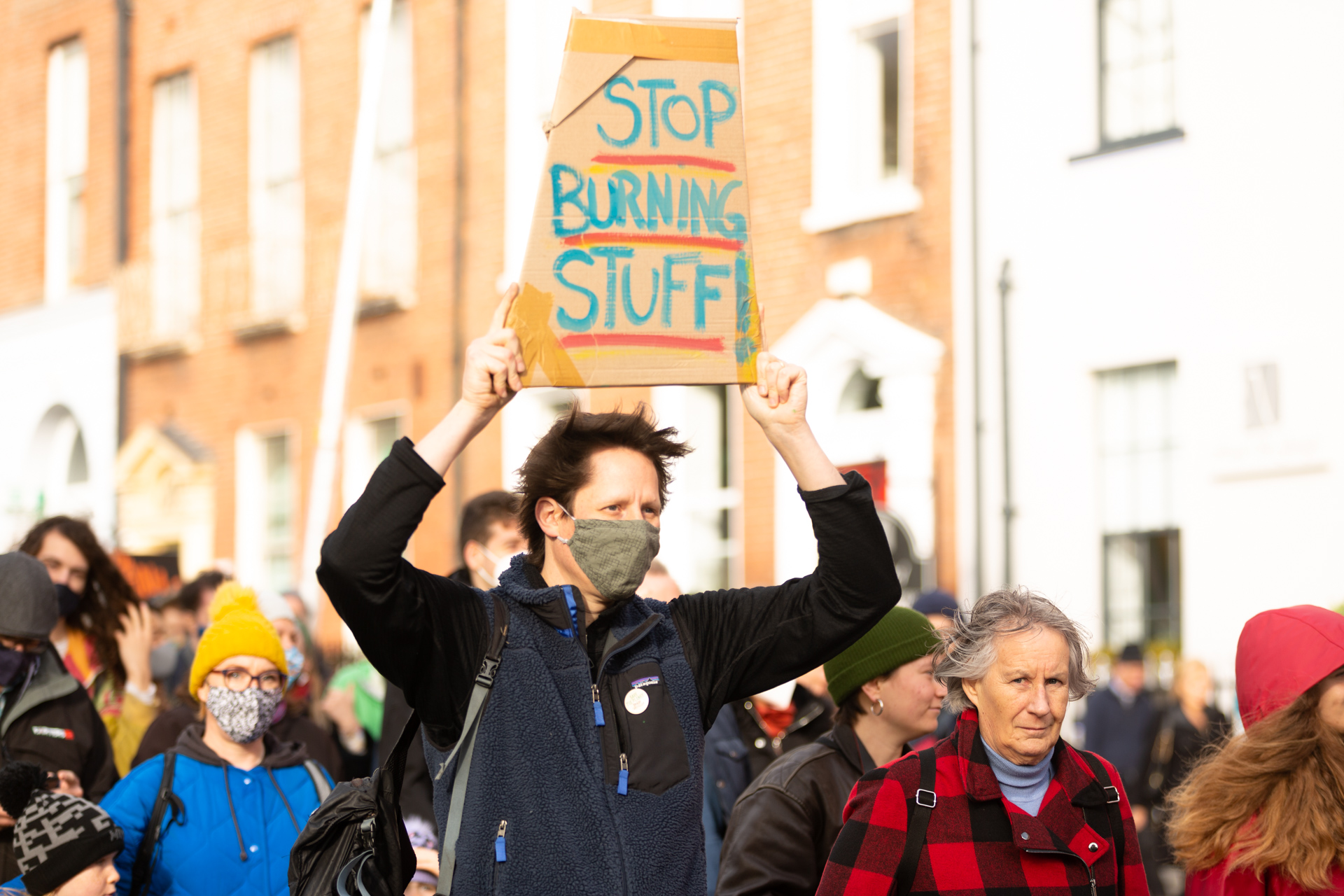
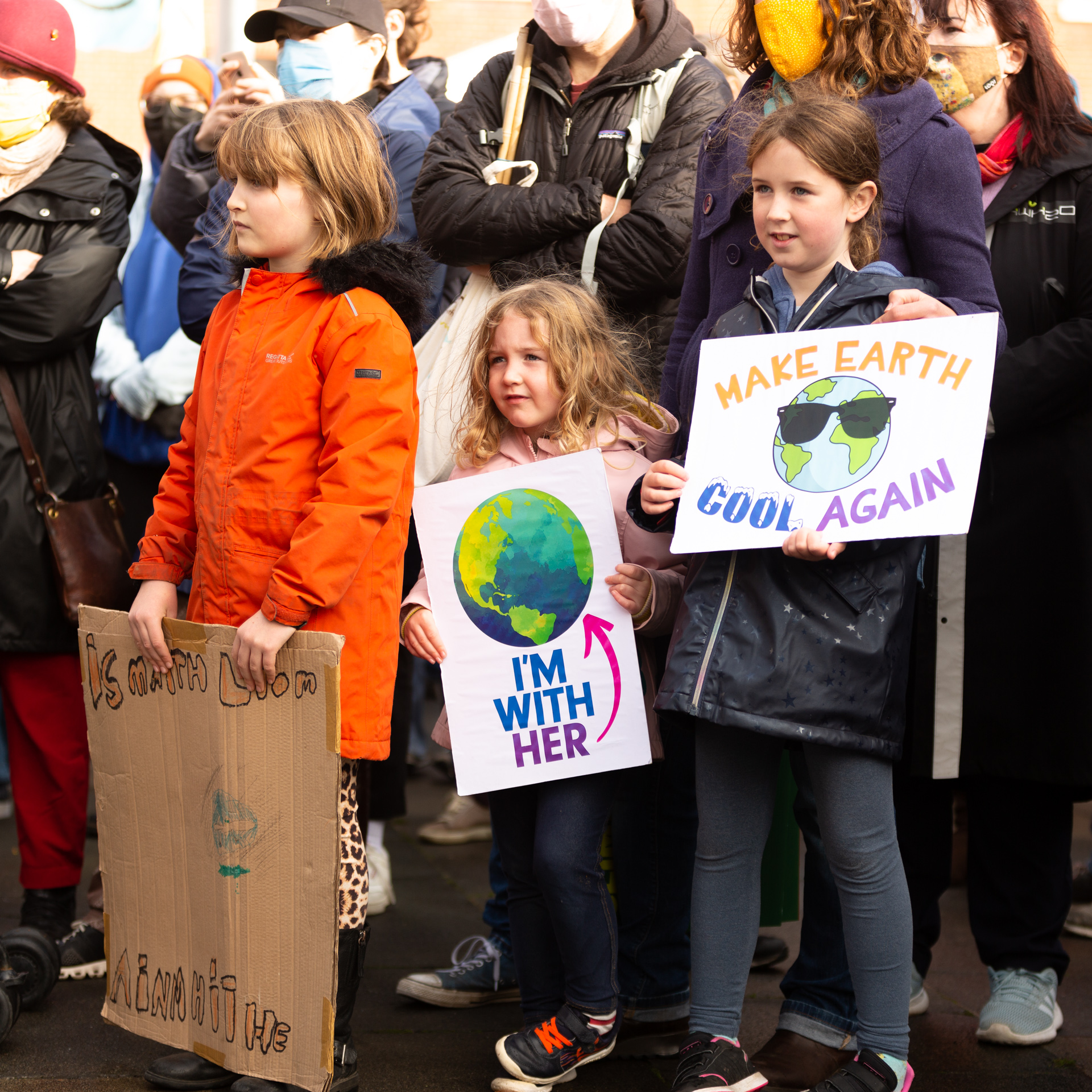
On 6 November 2021 a march for climate justice took place in Dublin. Photographer Karl Leonard was there and created this photo essay for Independent Left.

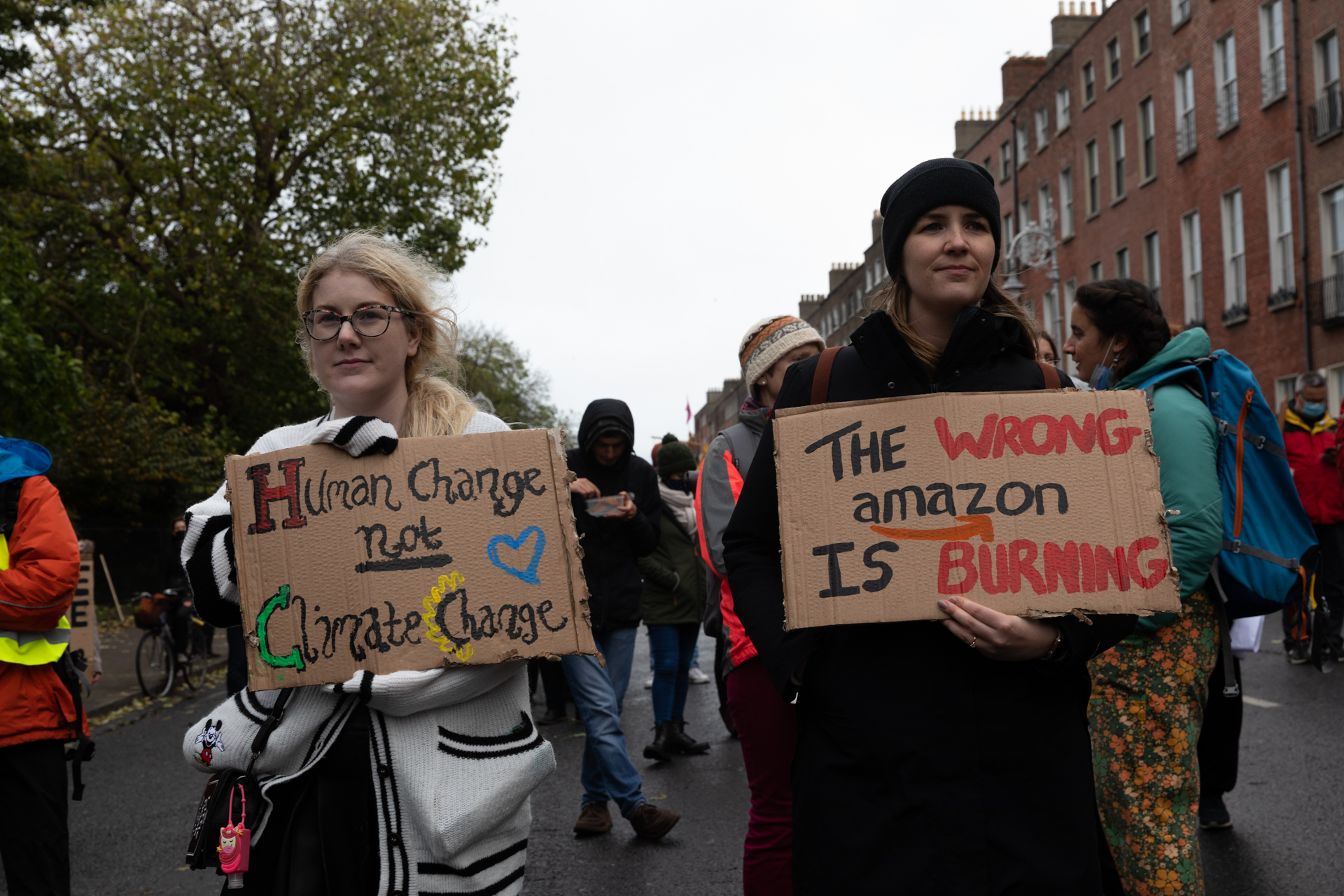
Human Change not Climate Change. The Wrong Amazon is Burning
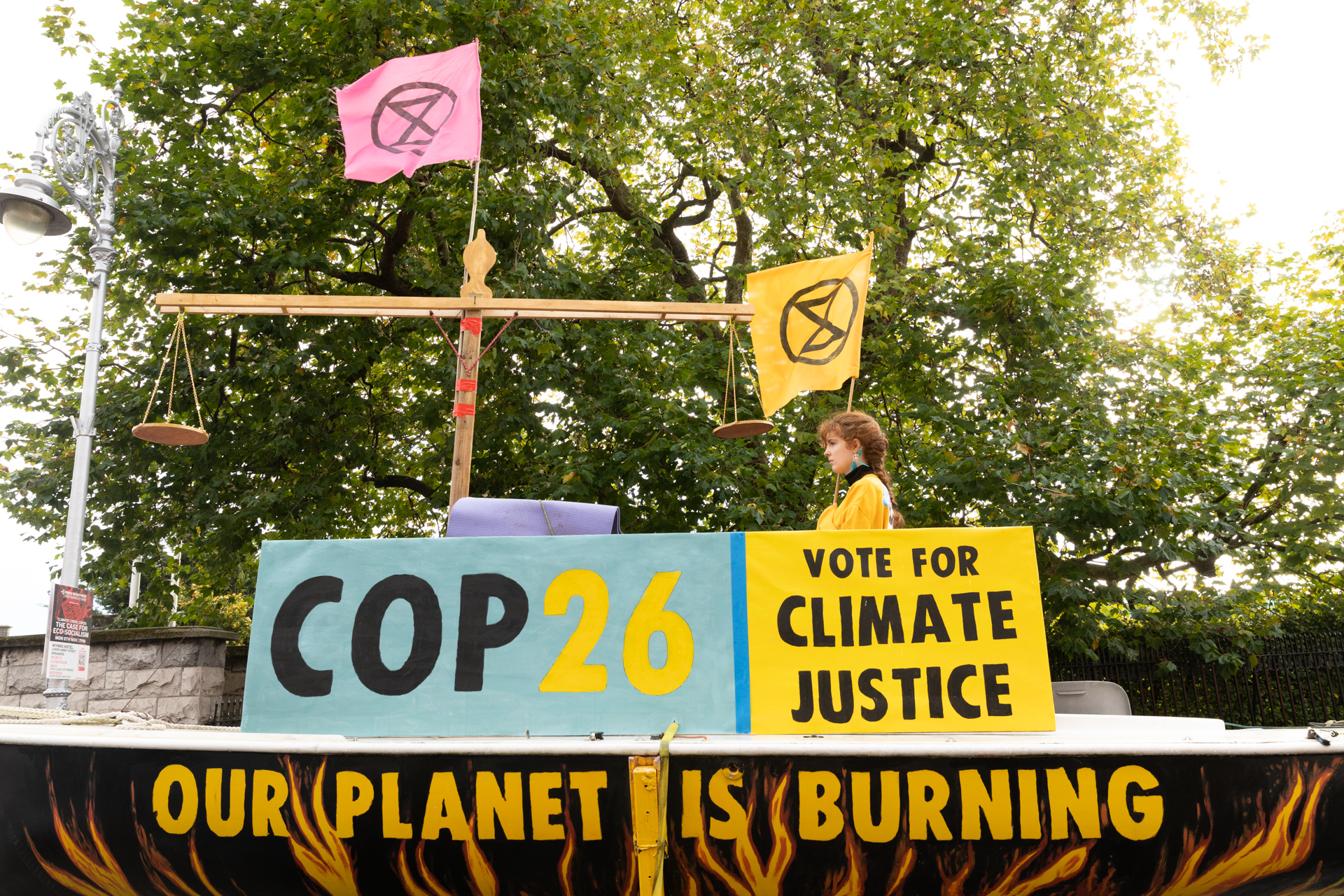
March for Climate Justice, Parnell Square Dublin
Protect the Rainforest and its People
March for Climate Justice assembles in Dublin, 29 November 2021
Globe: March for Climate Justice
System Change NOT Climate Change
No Empty Promises. Free Frequent Public Transport
Ní Neart Go Cur Le Chéile – Unity is Strength
I Cannot ‘Live, Laugh, Love’ in this Climate!
Ship at the Customs House: March for Climate Justice
Time to Cop (26) On
United Against Racism: Stop Climate Change Not Refugees
Your Guide to Going Vegan
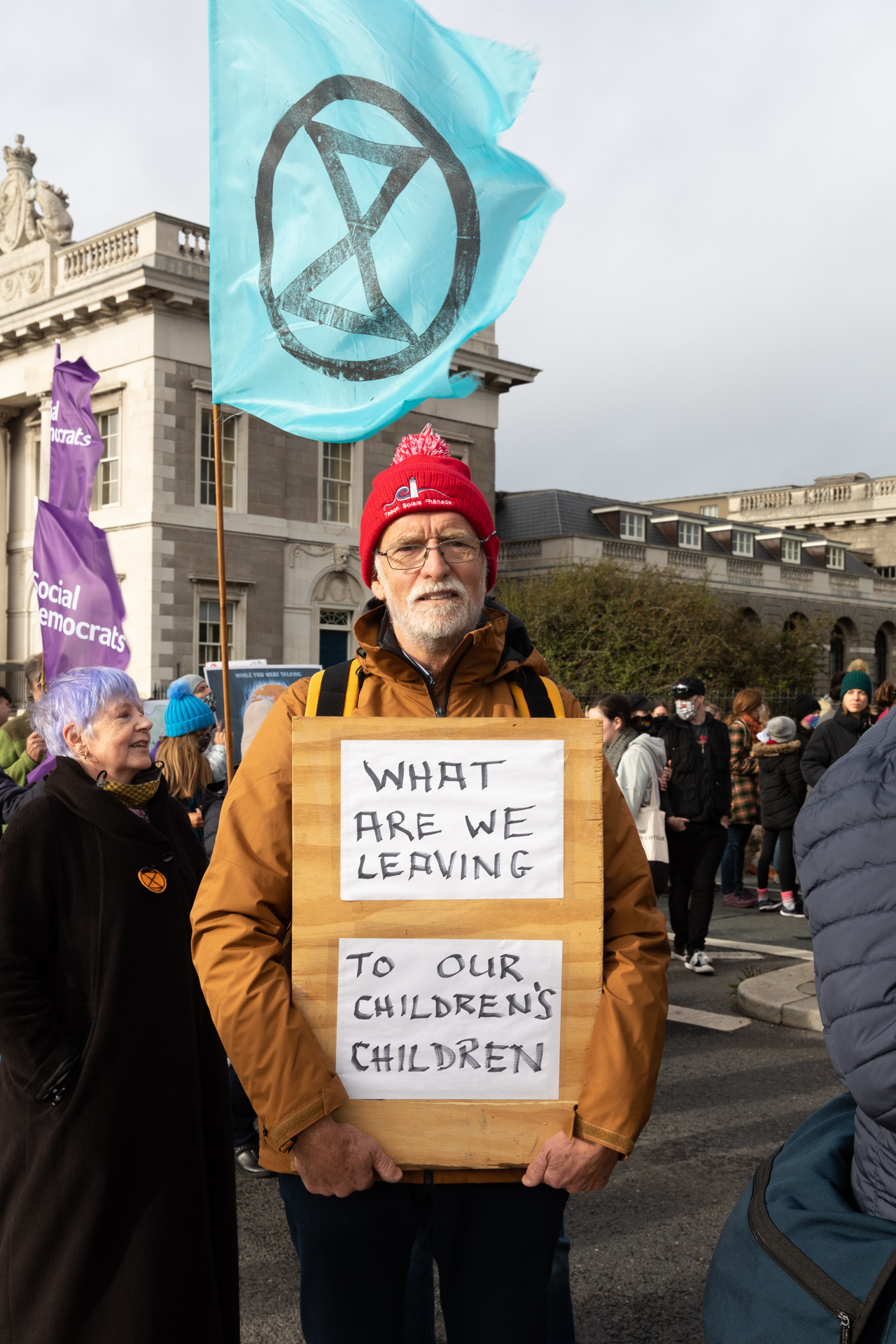
What are we Leaving to our Children’s Children?
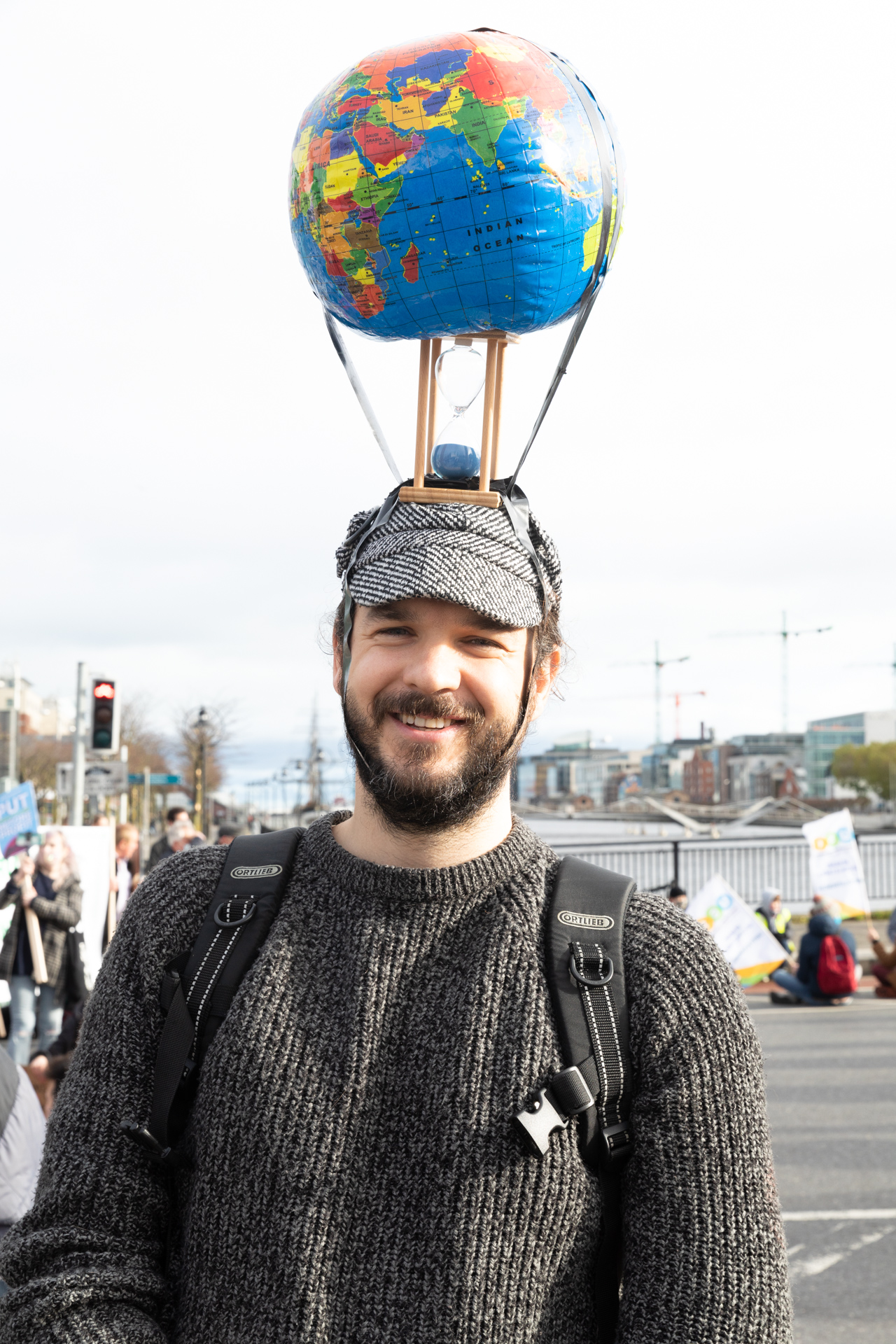
Globe and Empty Timer: March for Climate Justice
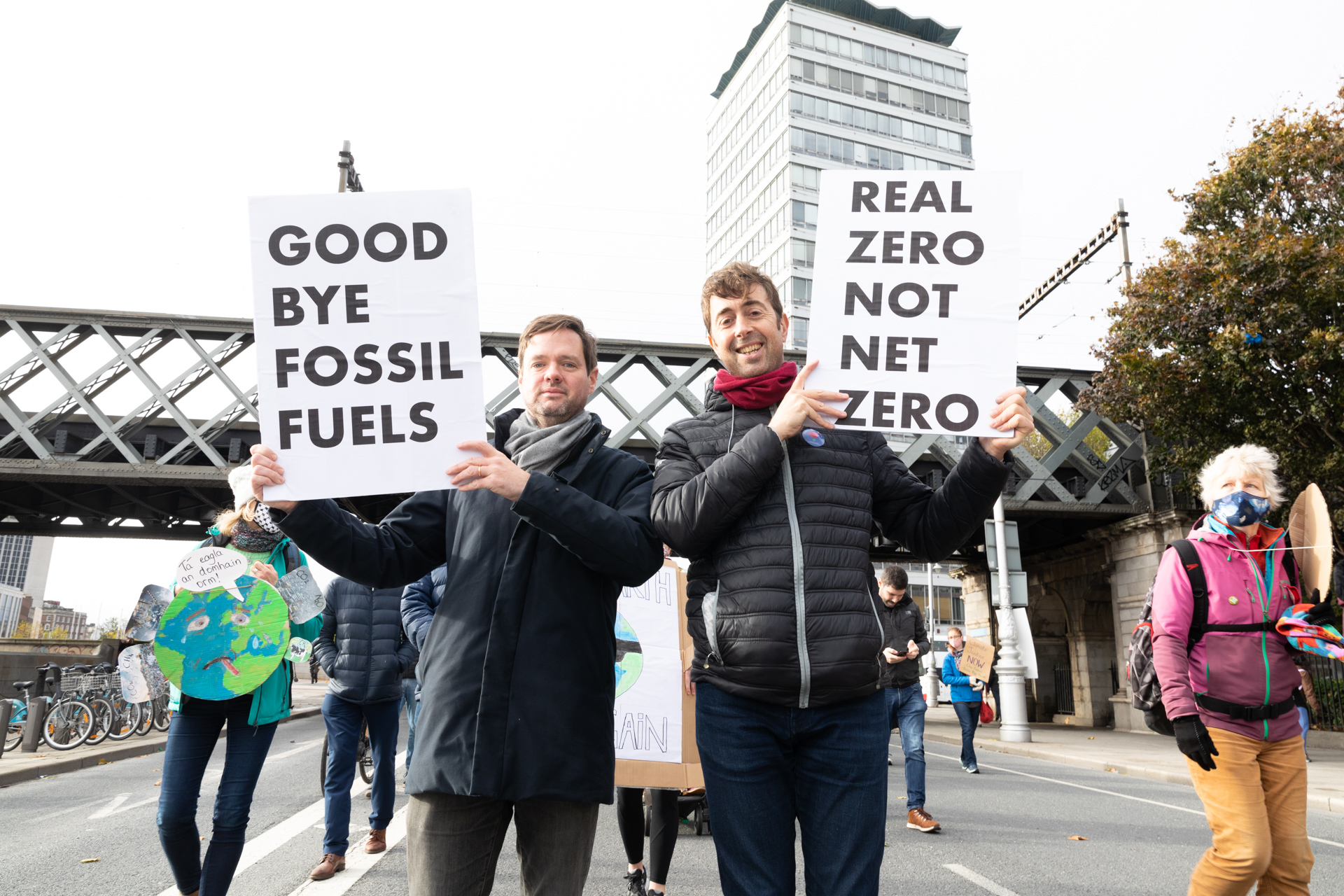
Goodbye Fossil Fules. Real Zero Not Net Zero.
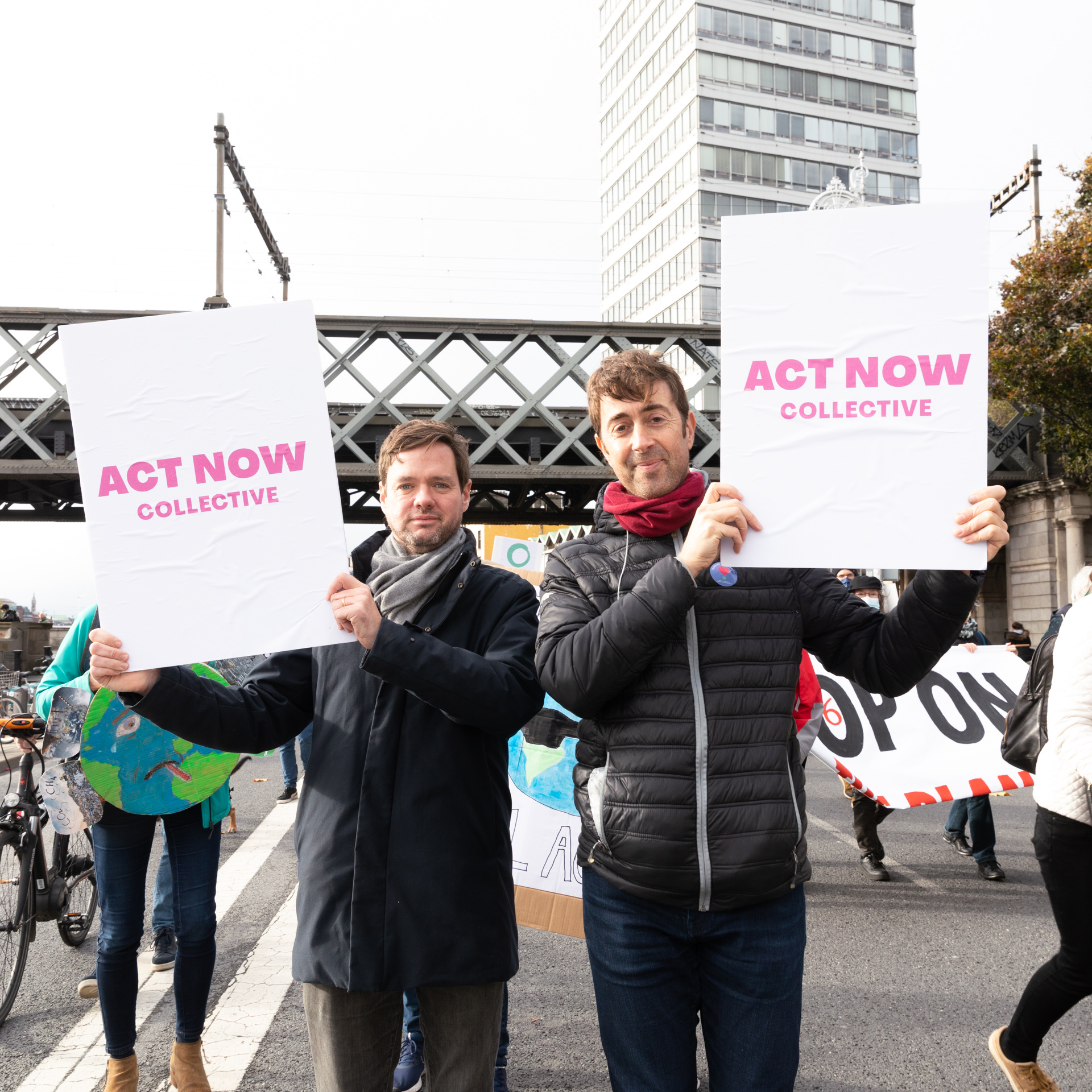
Act Now Collective
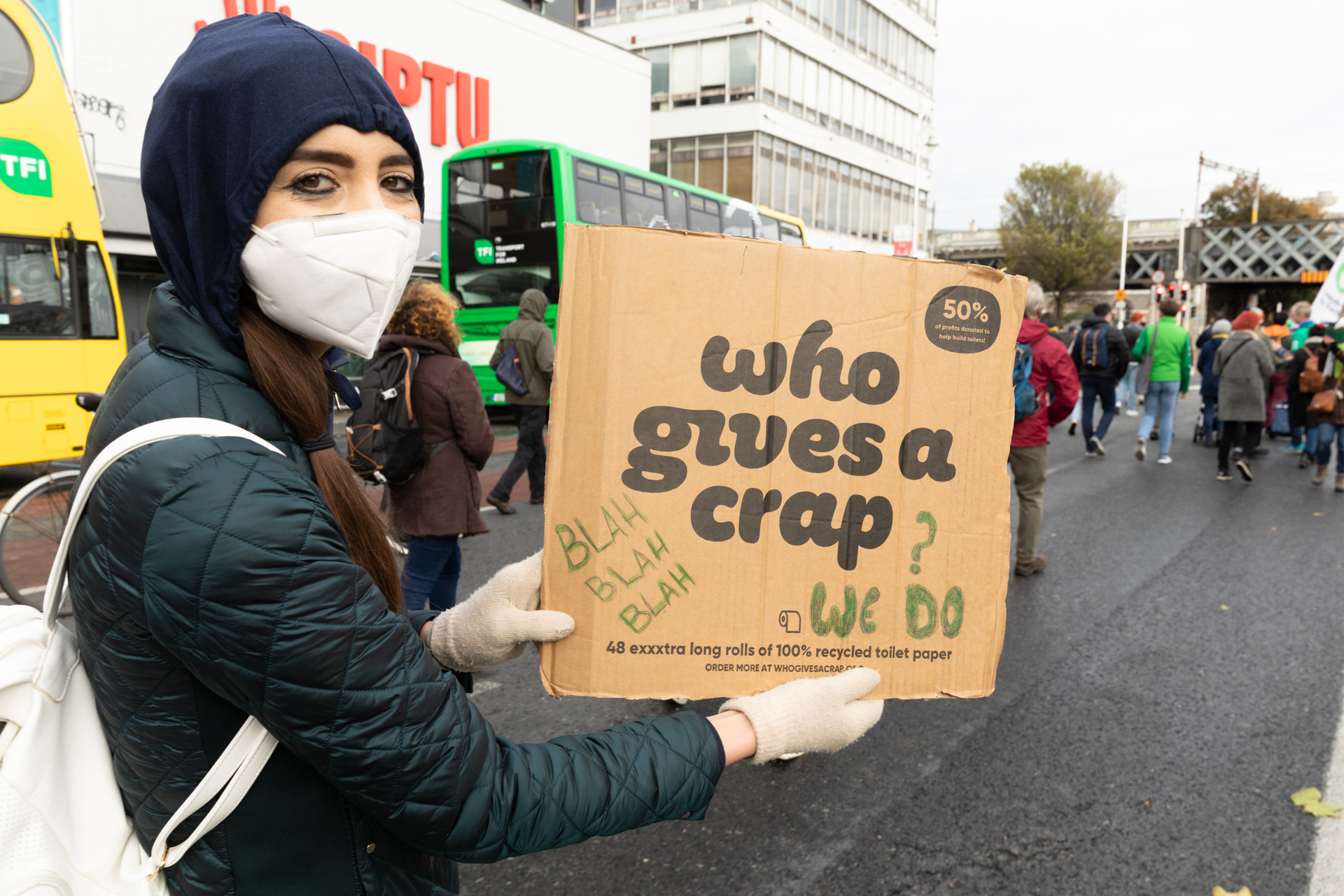
Who Gives a Crap? We Do
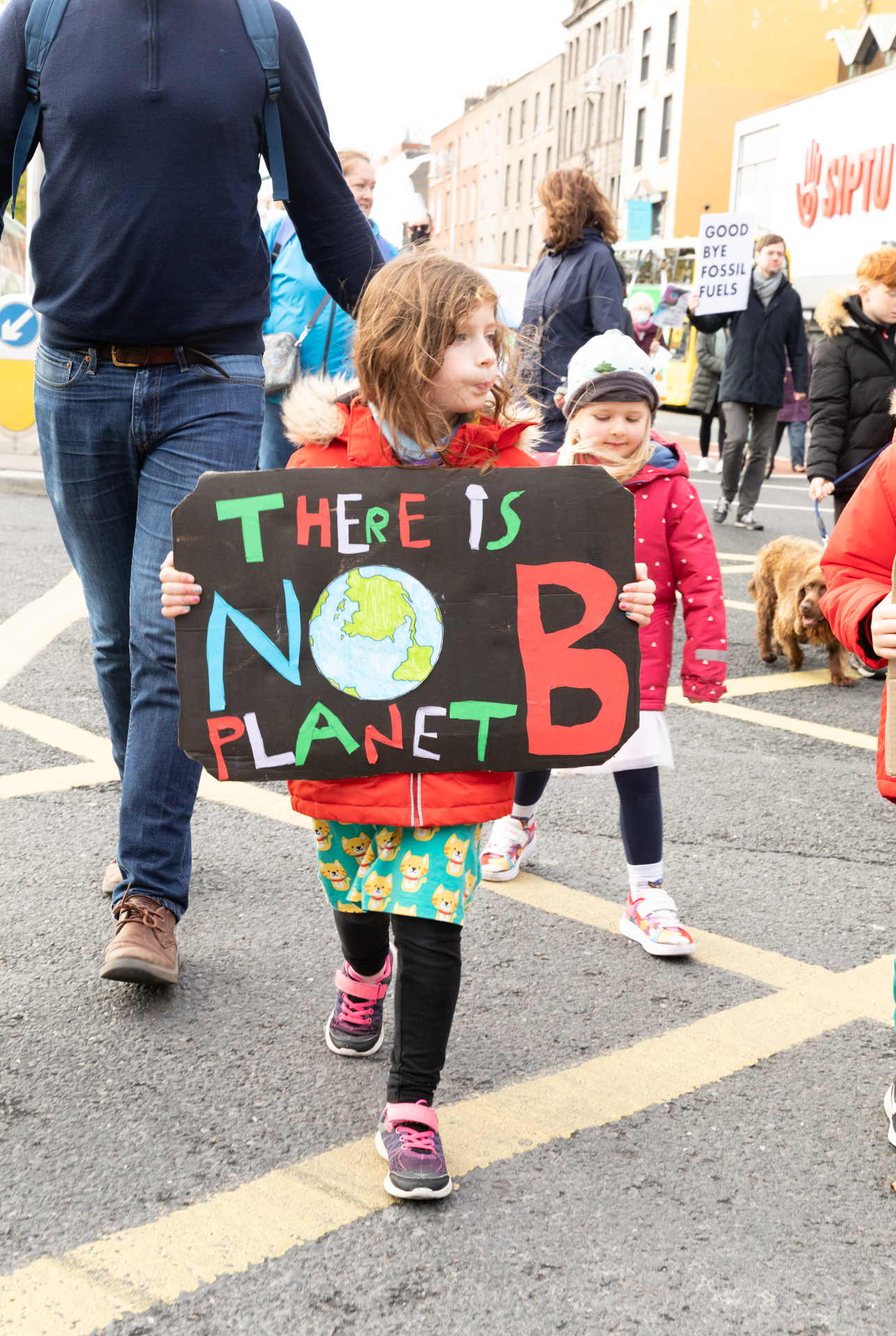
There is No Planet B
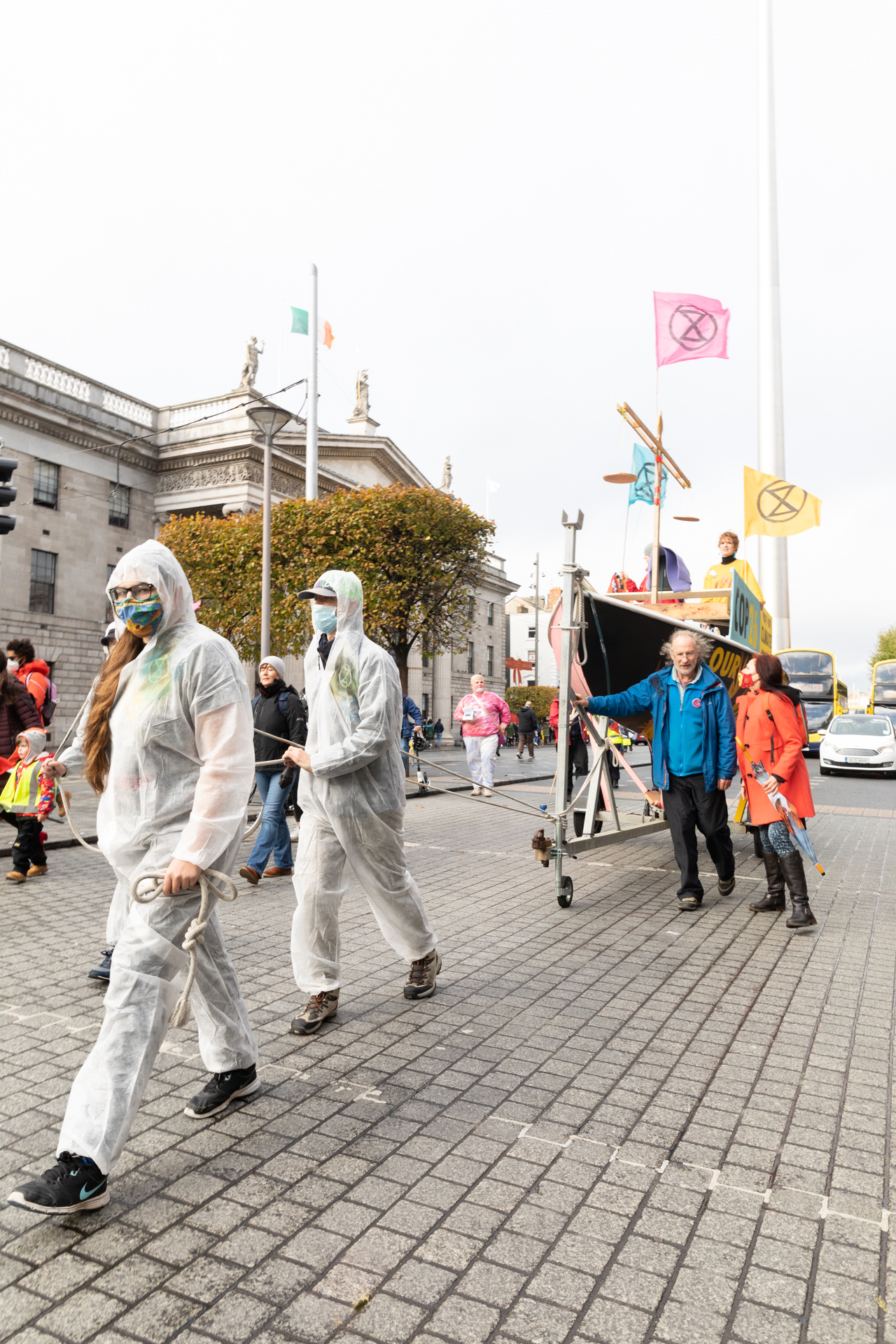
Boat at the GPO, March for Climate Justice
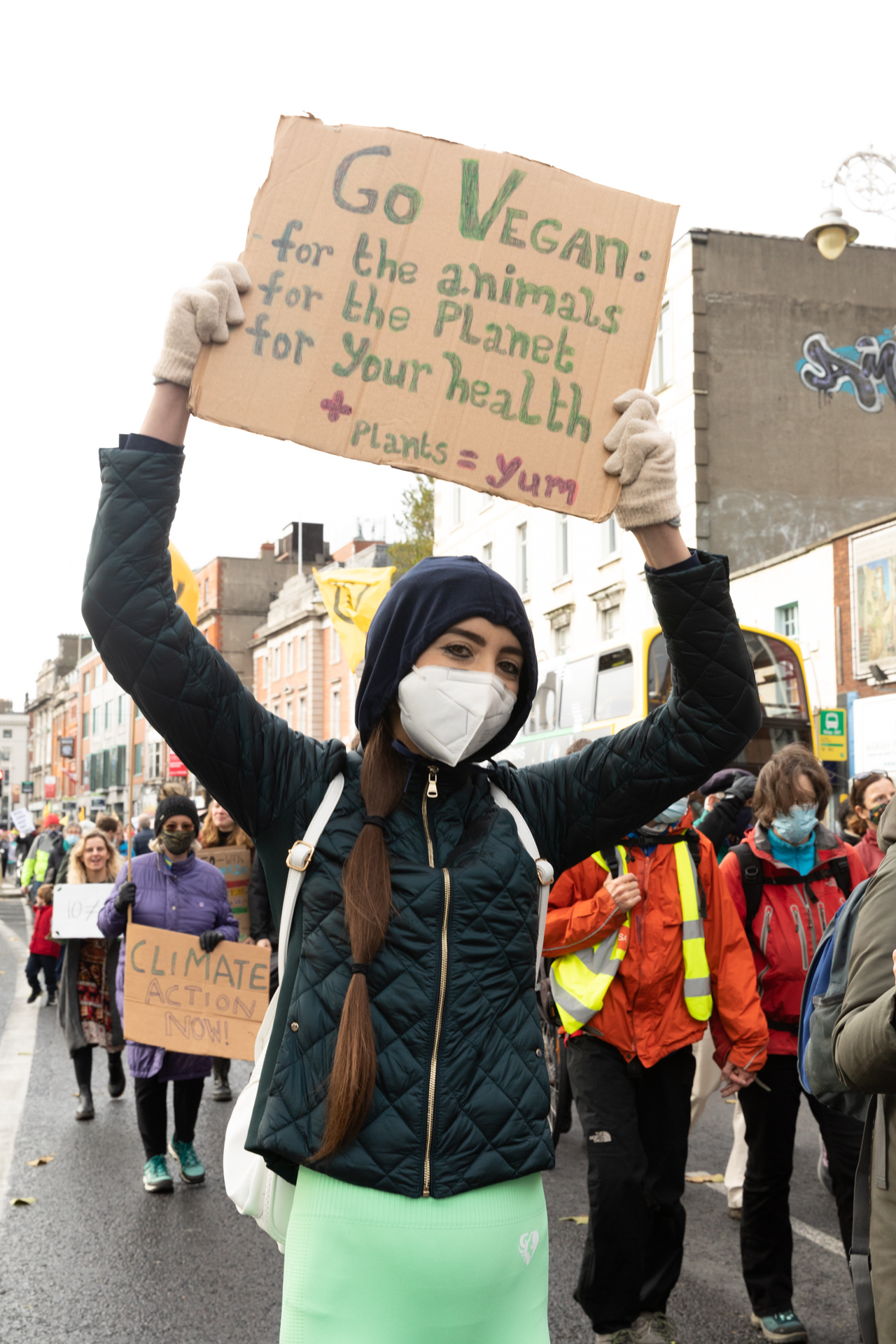
Go Vegan: For the Animals, For the Planet, For your Health. And Plants = Yum
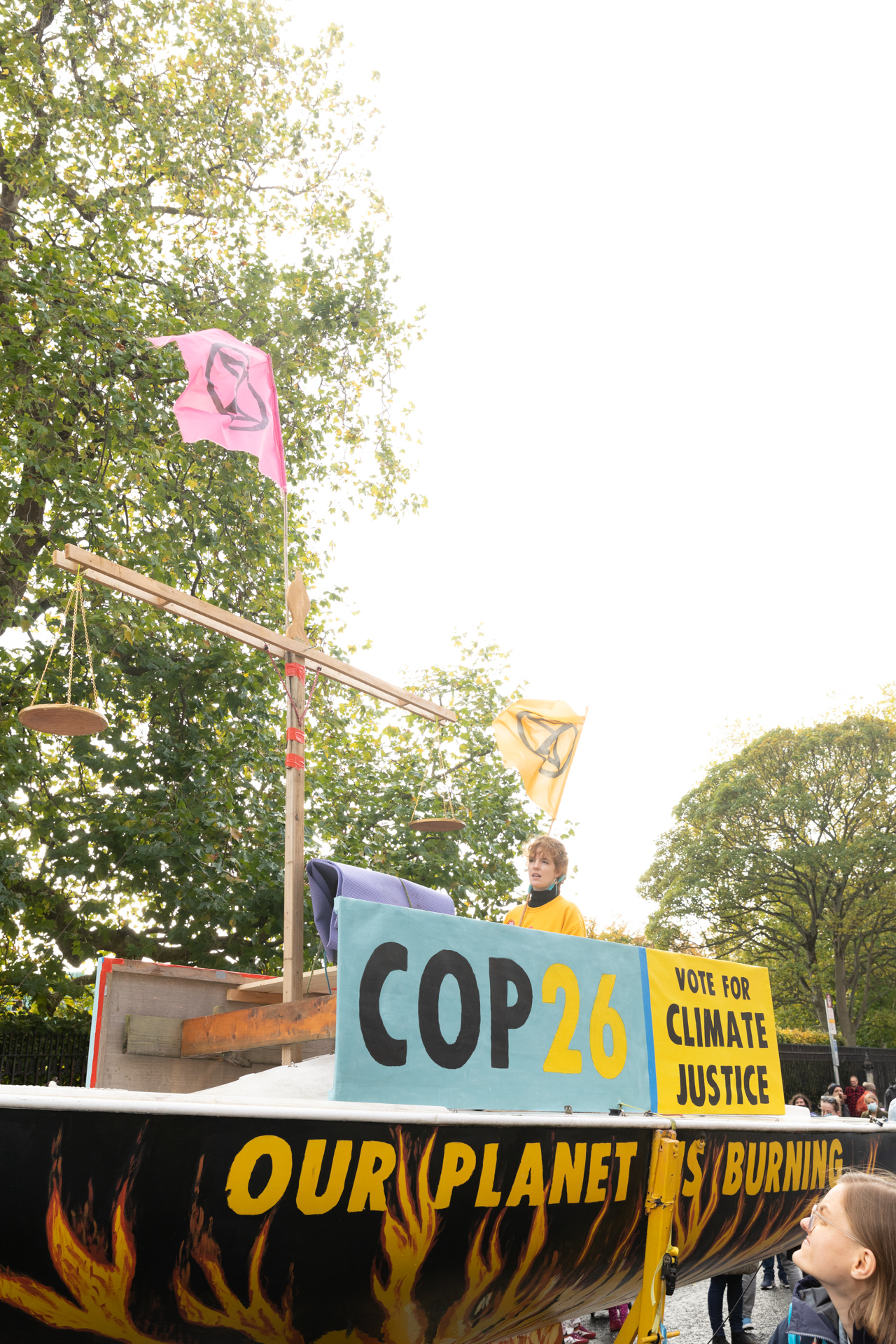
Our Planet is Burning
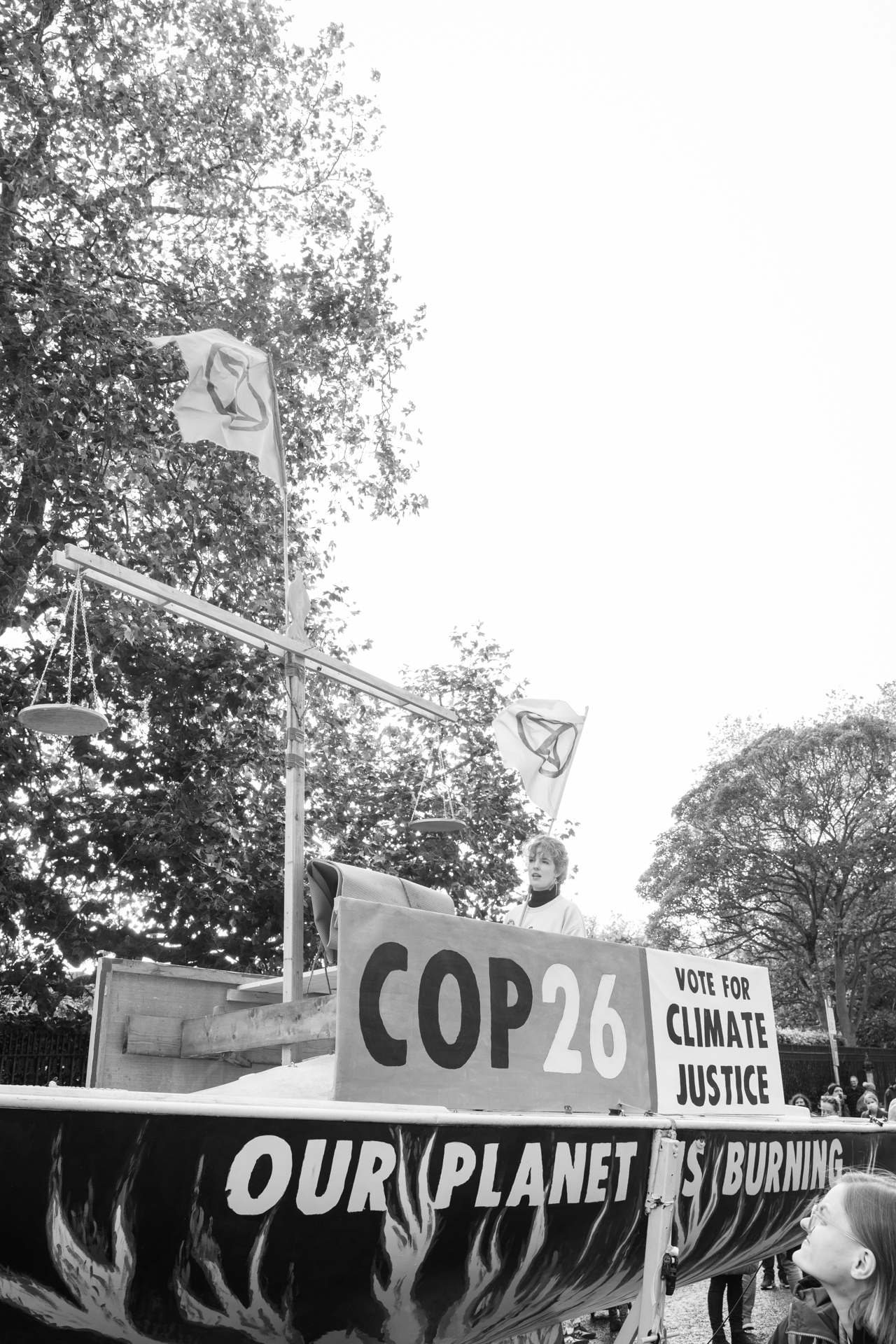
Our Planet is Burning (Black and White)
March for Climate Justice Outside the GPO
March for Climate Justice at the GPO Dublin
Extinction Rebellion, March for Climate Justice
Animal Rebellion, March for Climate Justice
Plant-Based Food System
Animal Rebellion supporter on the March for Climate Justice
Animal Rebellion supporters, March for Climate Justice
Bee the change you want to see
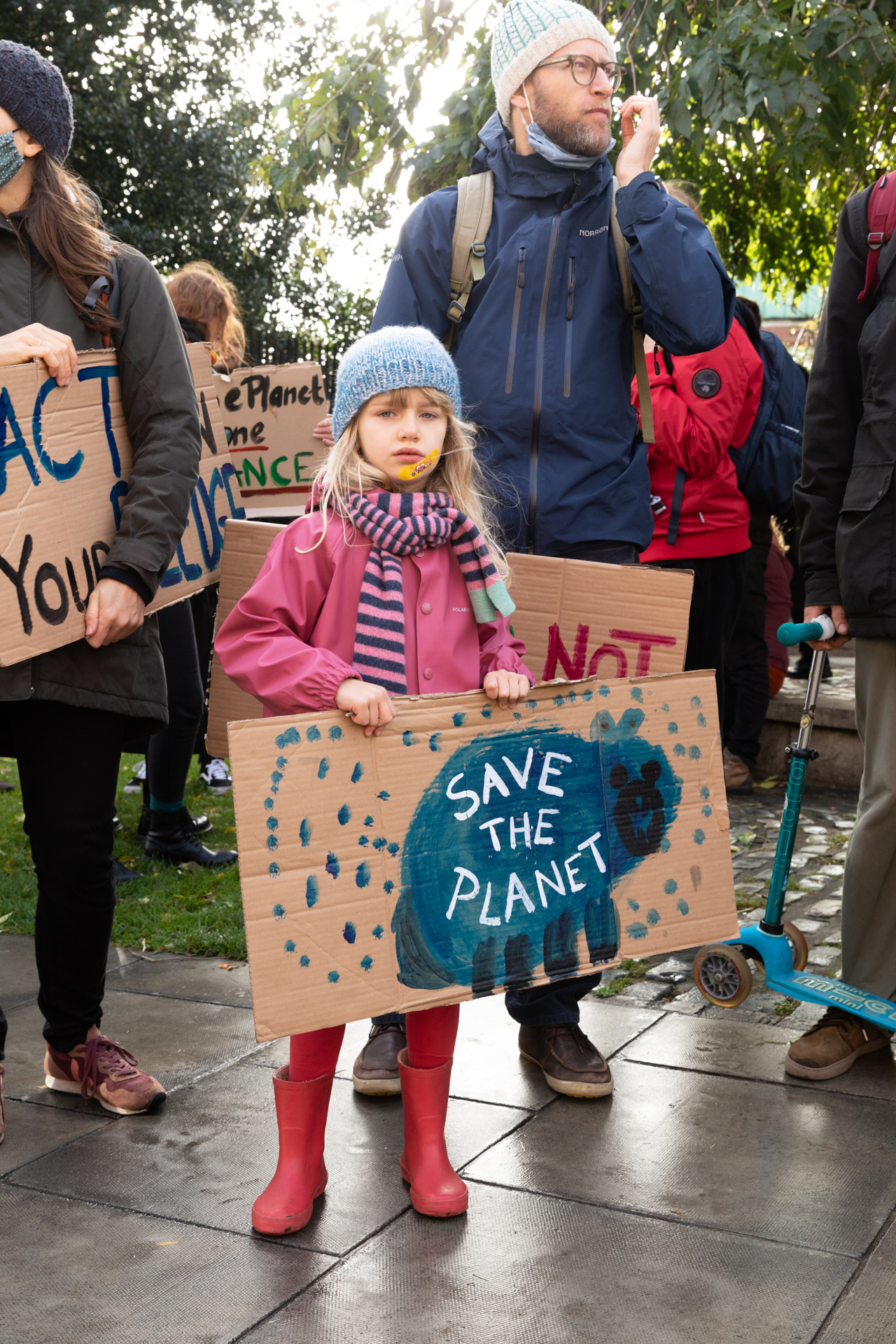
ACT on your PLEDGE. Save the Planet. This is not a Drill
Good Cop or Bad Cop
Save the Planet
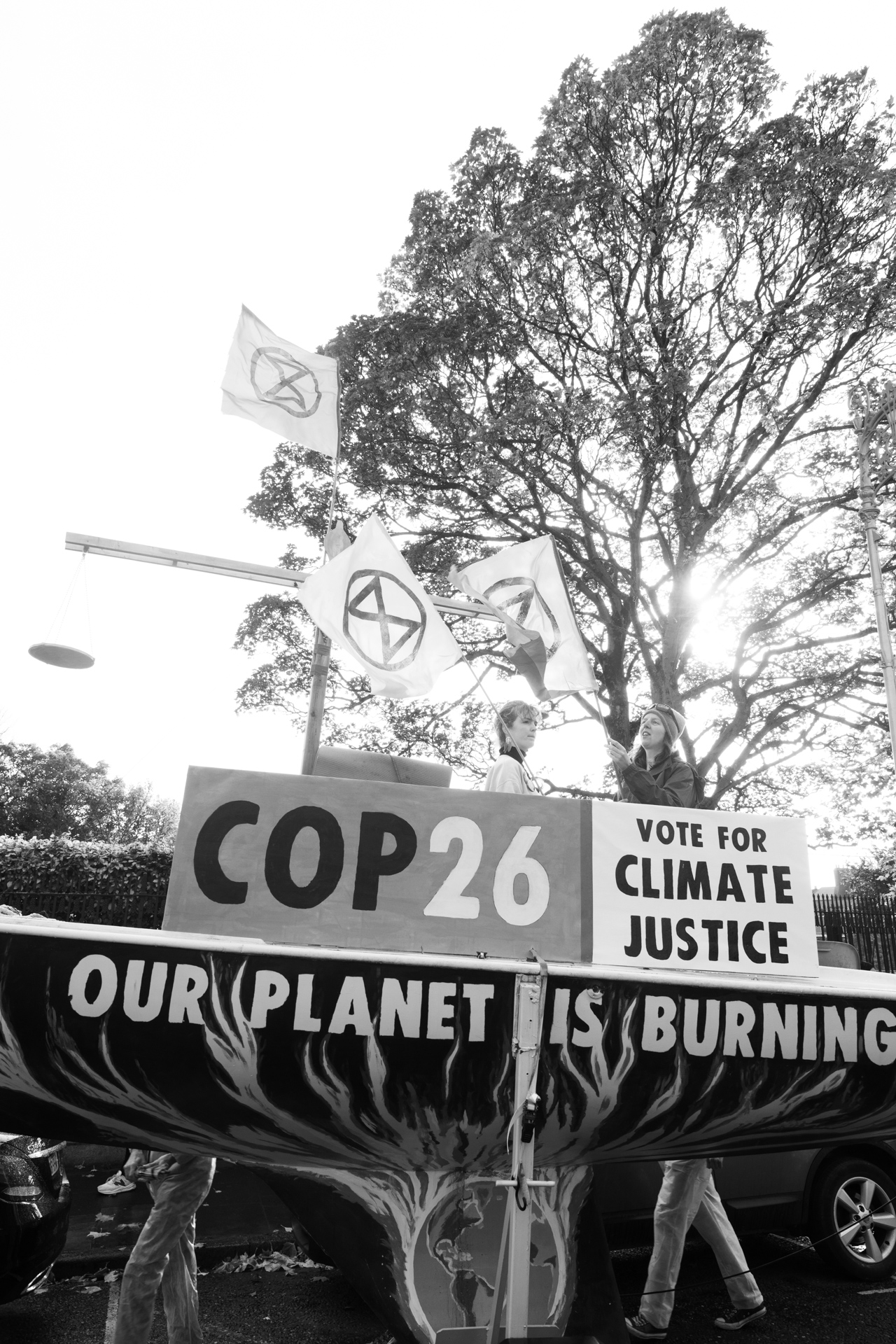
Black and White Boat, March for Climate Justice
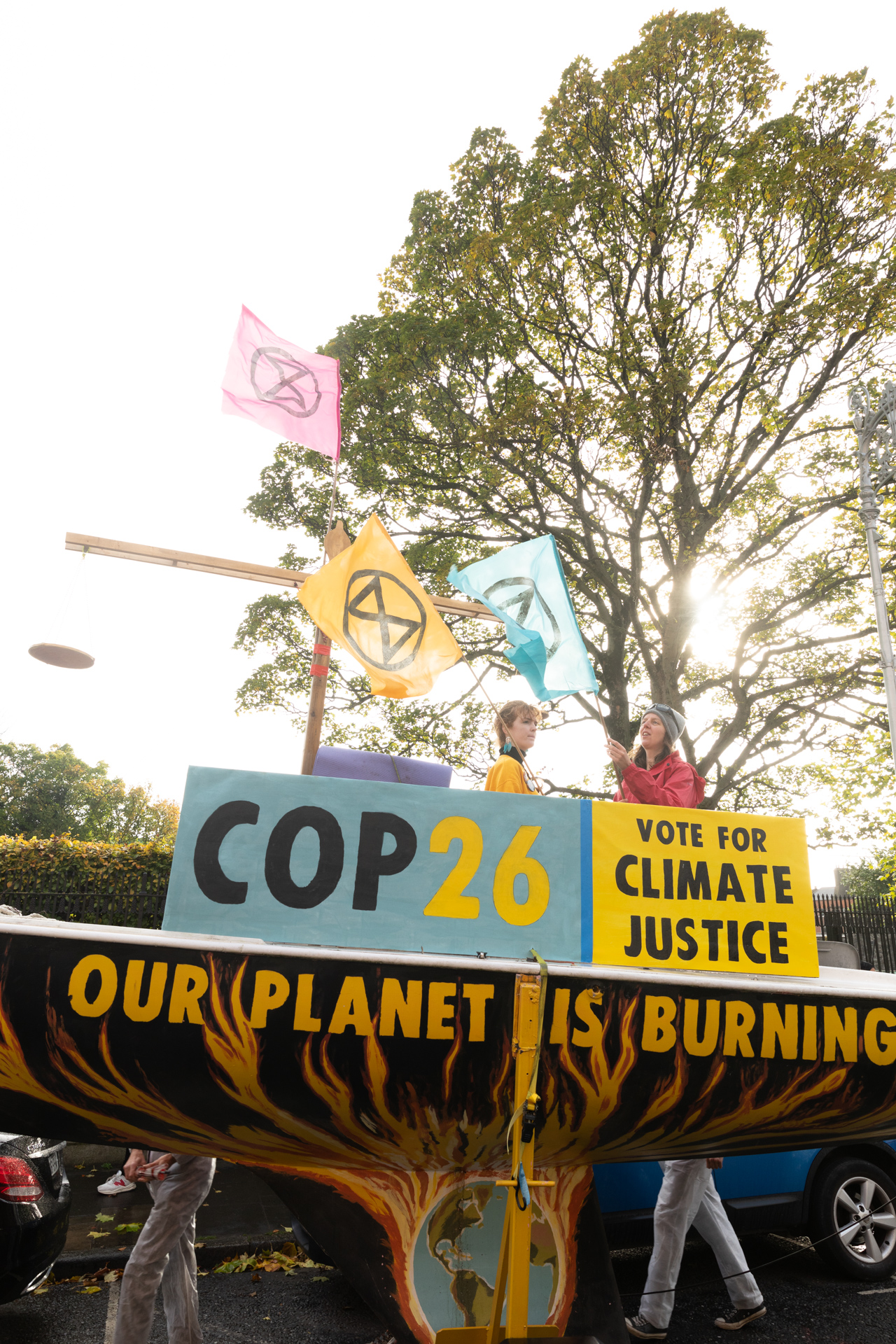
Colour Boat, March for Climate Justice
Black and White Scales on Boat
Colour Scales on Boat
March for Climate Justice
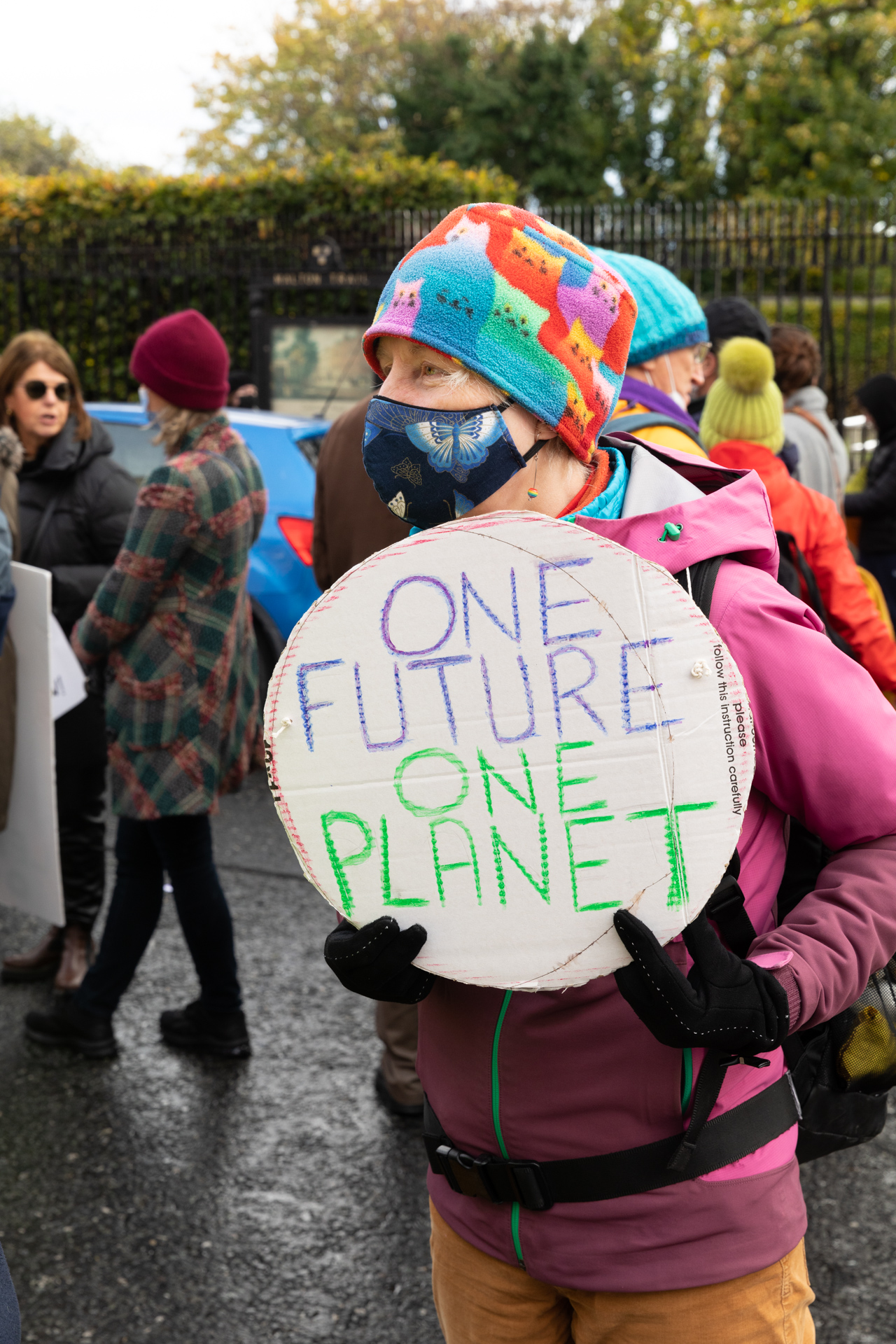
One Future One Planet
March for Climate Justice
Sunshine, Tree, Boat: March for Climate Justice
March for Climate Justice
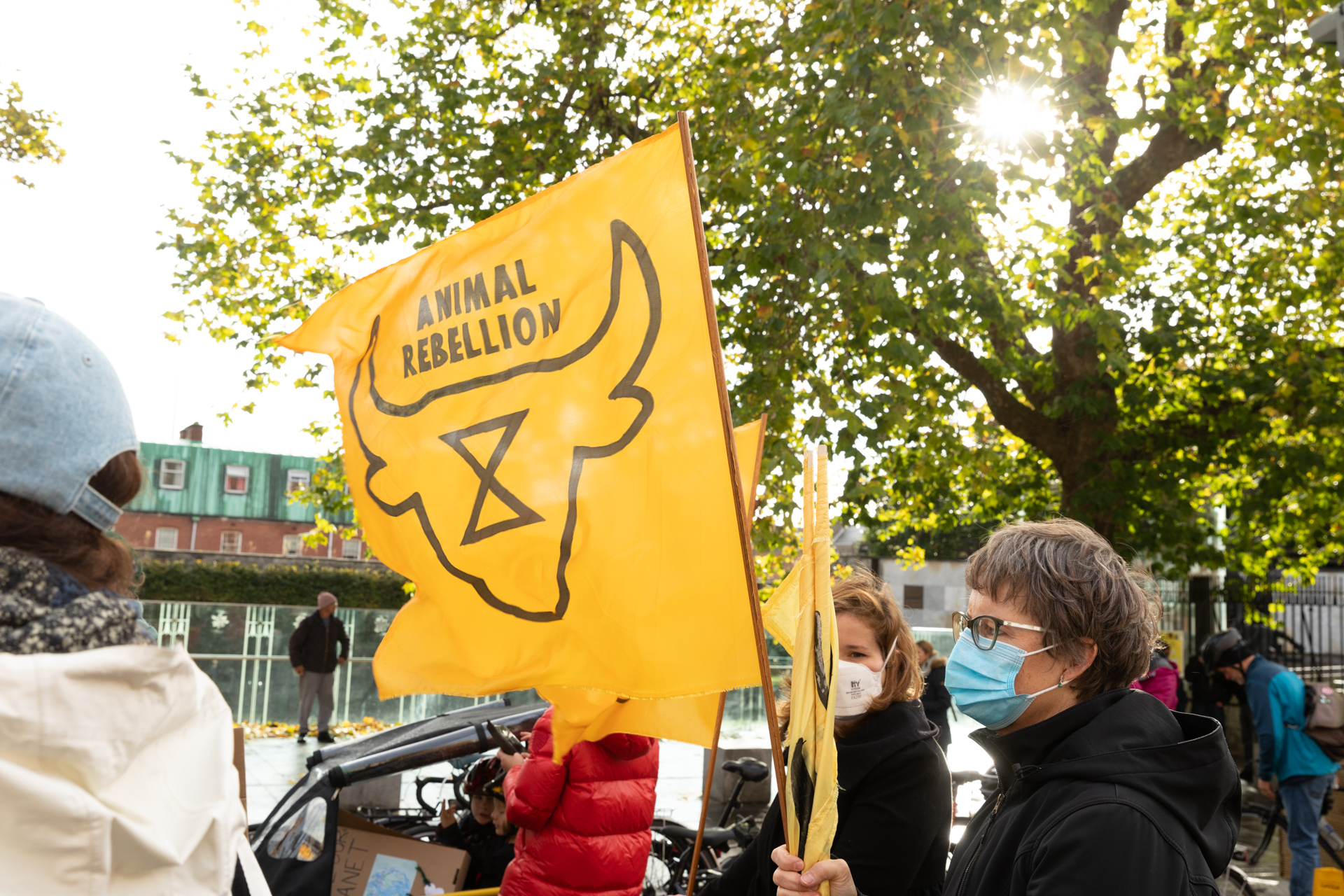
Animal Rebellion Flag
March for Climate Justice
Flags, Trees, Sunlight, Boat
March for Climate Justice
Flags, Trees, Sunshine, Boat (Black and White)
March for Climate Justice
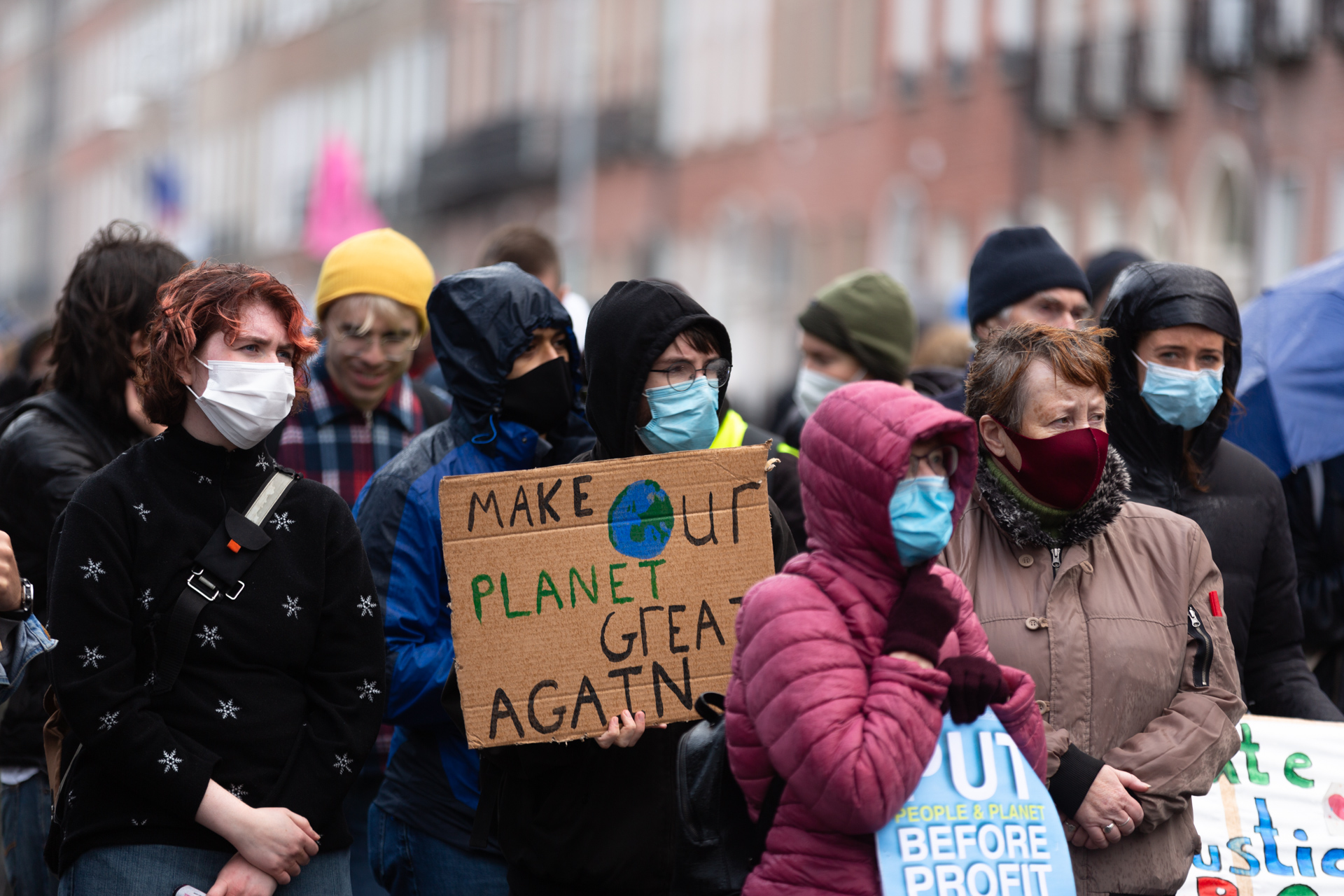
Make our Planet Great Again
March for Climate Justice
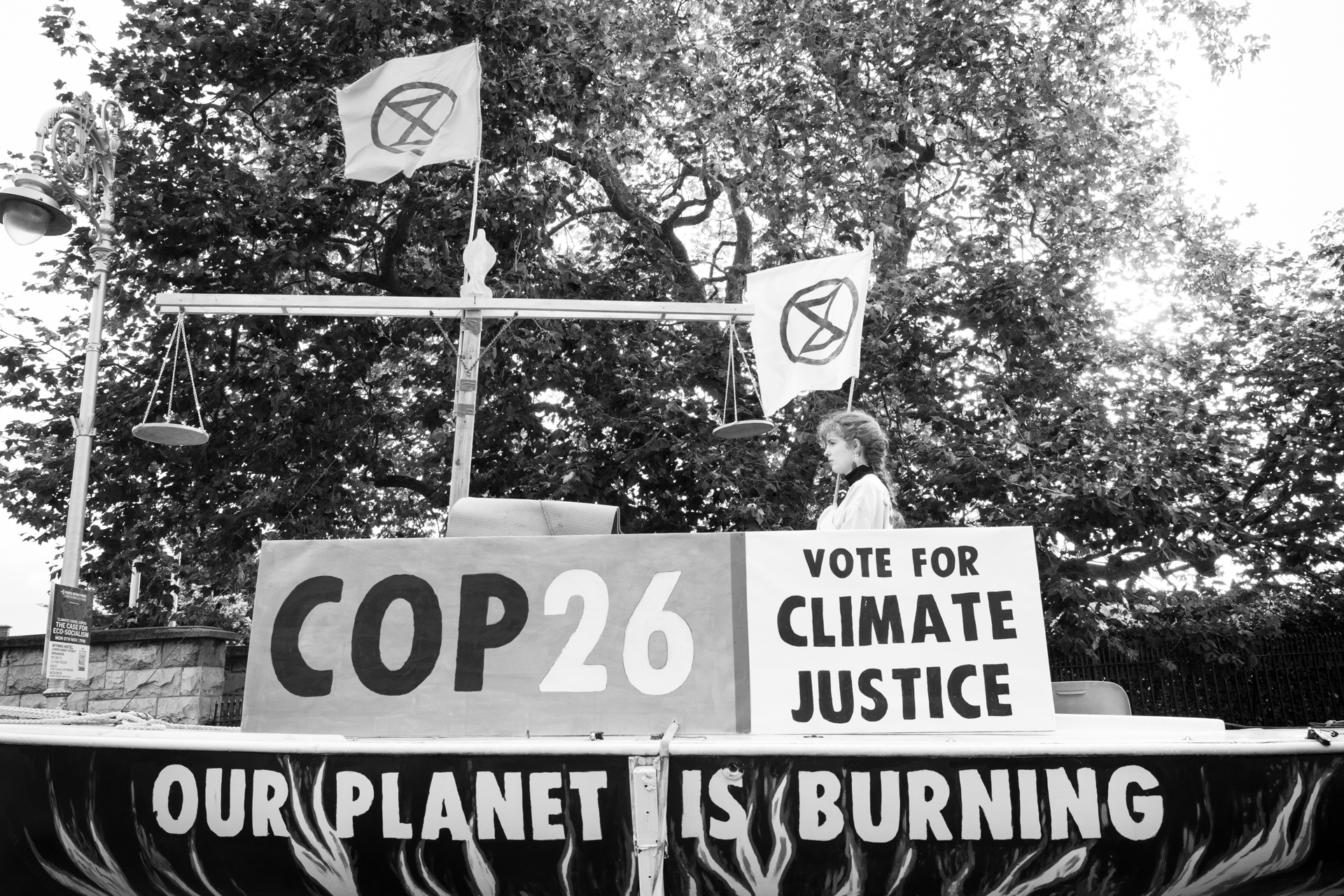
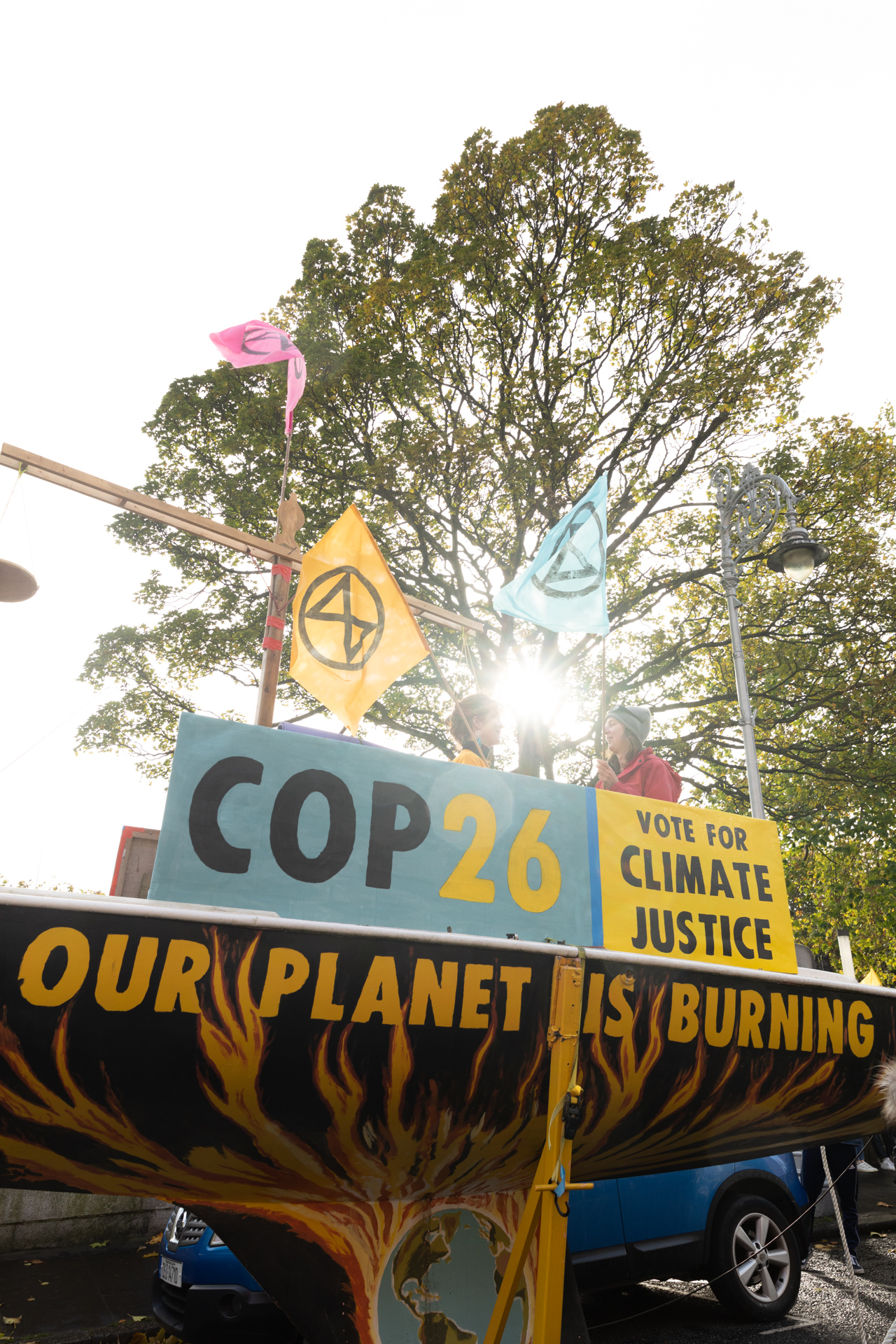
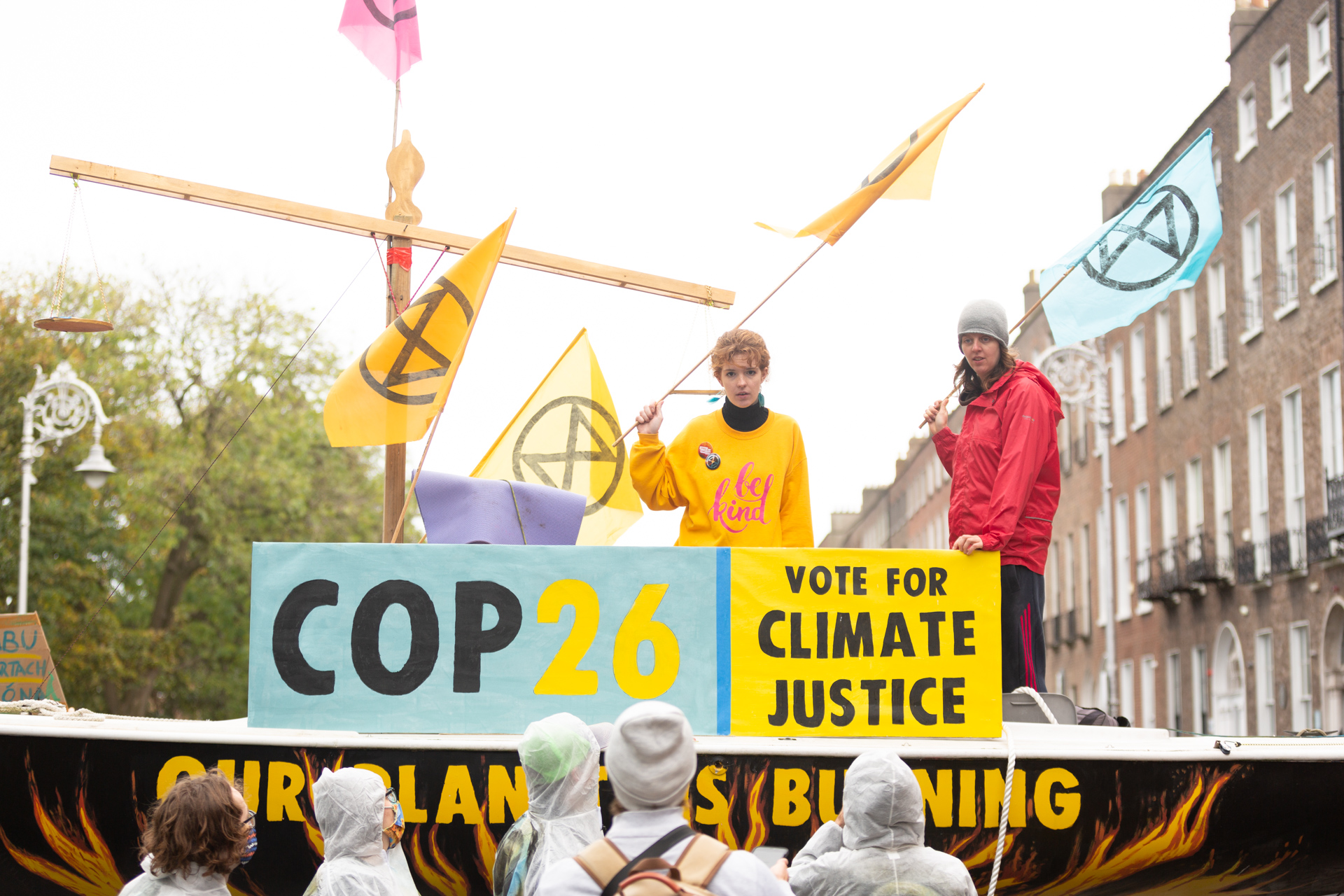
Cop 26: Vote for Climate Justice
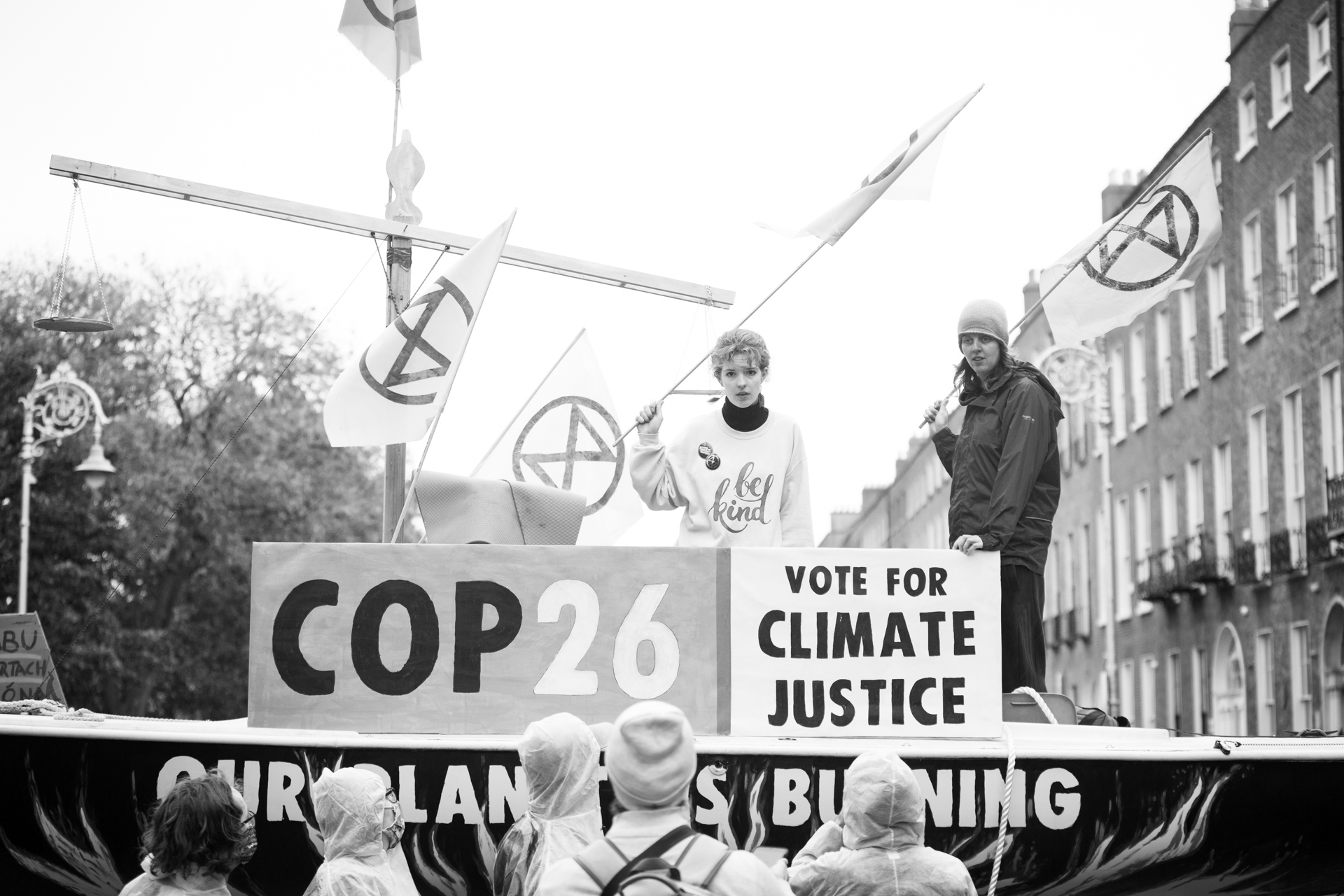
Cop 26: Vote for Climate Justice (Black and White)
March for Climate Justice
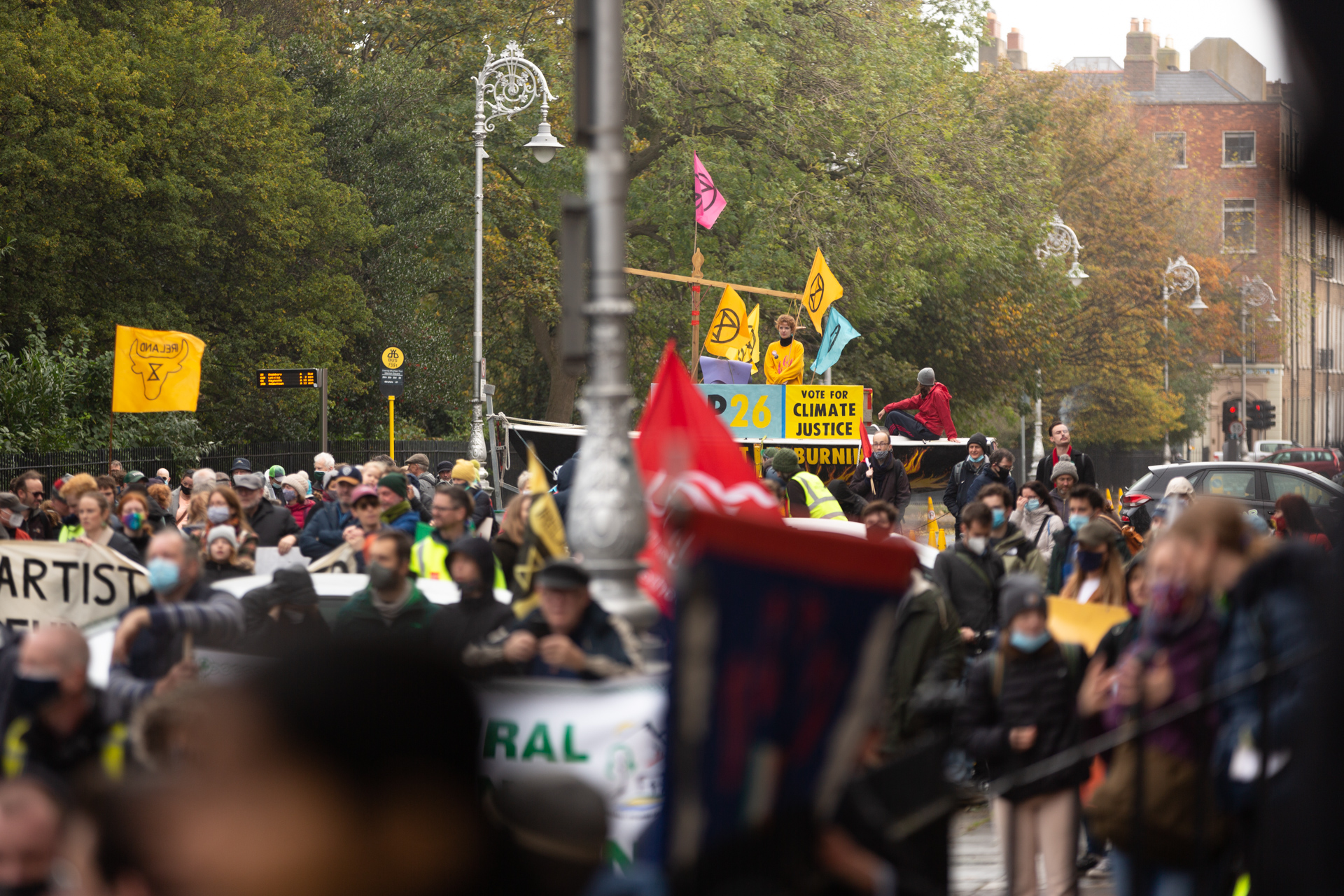
March for Climate Justice, Merrion Square, Dublin
March for Climate Justice
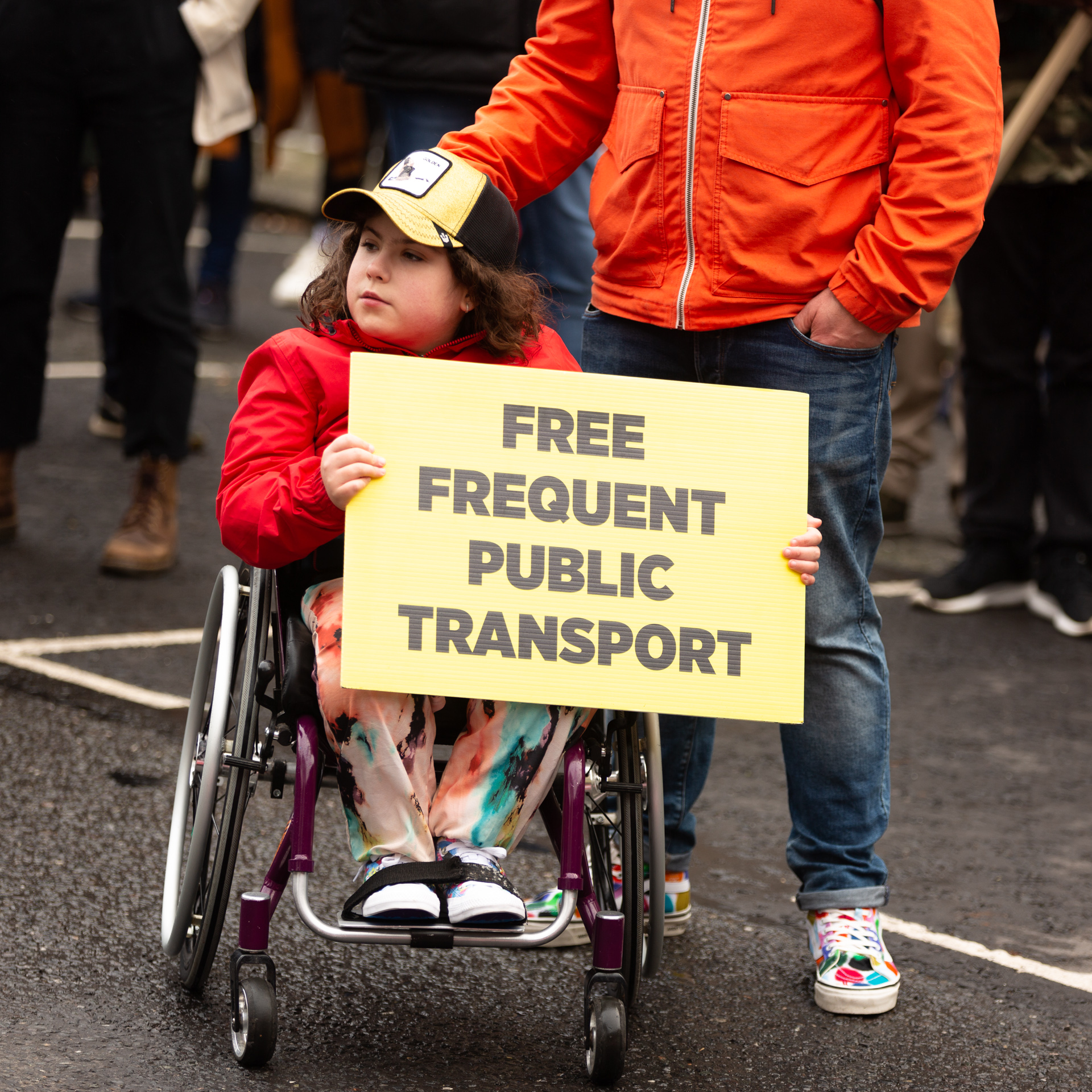
Free Frequent Public Transport
March for Climate Justice
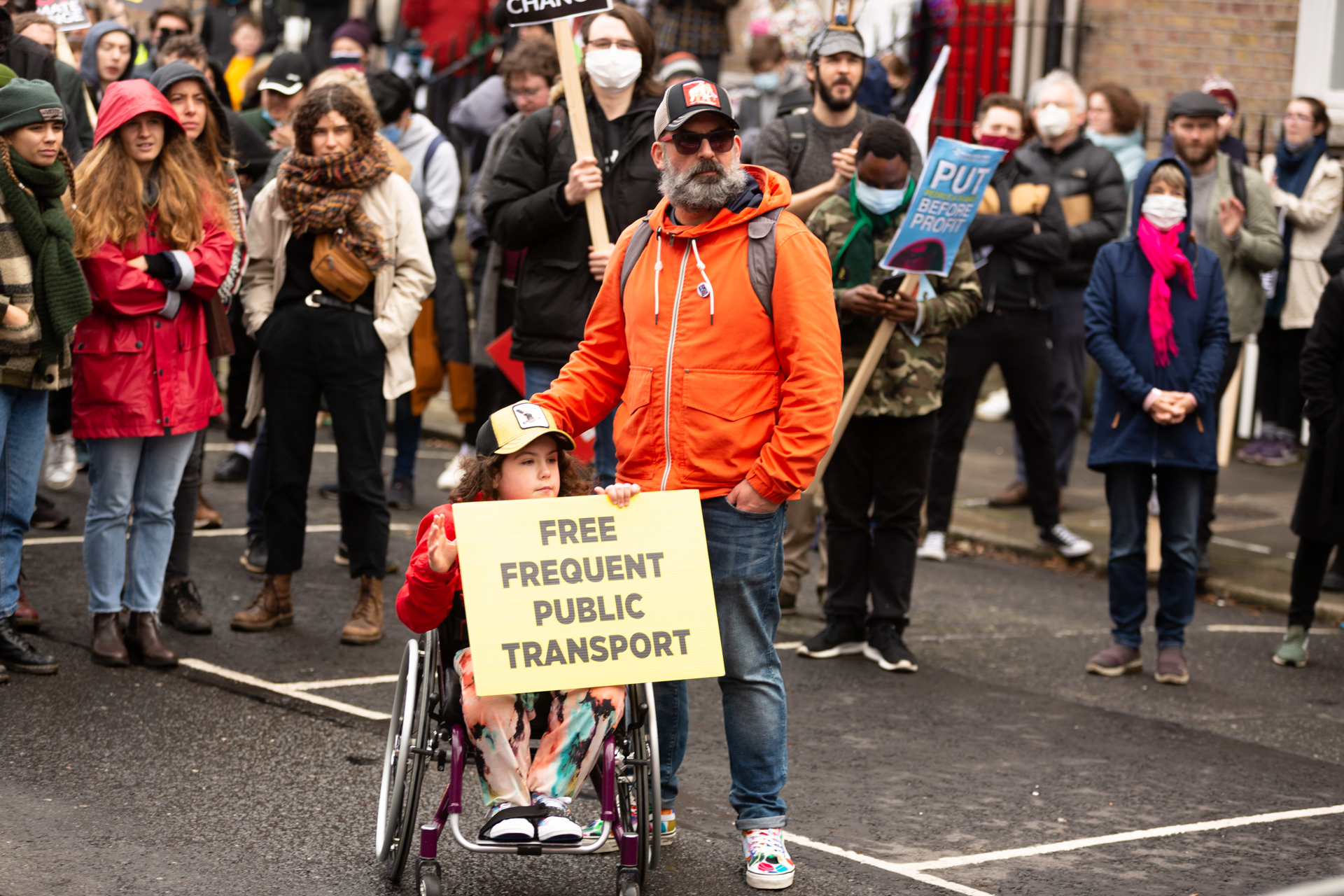
Free Frequent Public Transport 2
March for Climate Justice
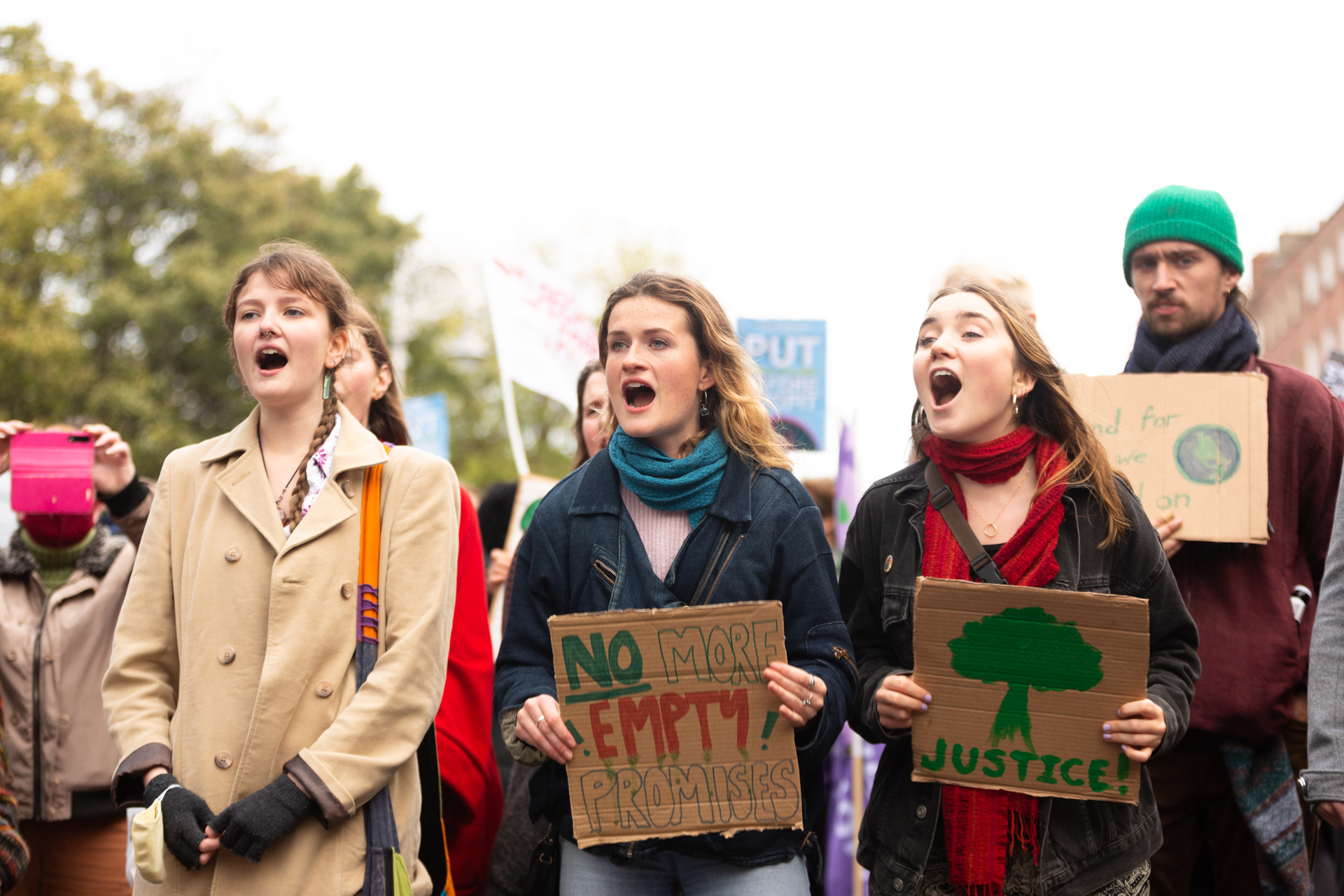
No More Empty Promises: Justice
March for Climate Justice
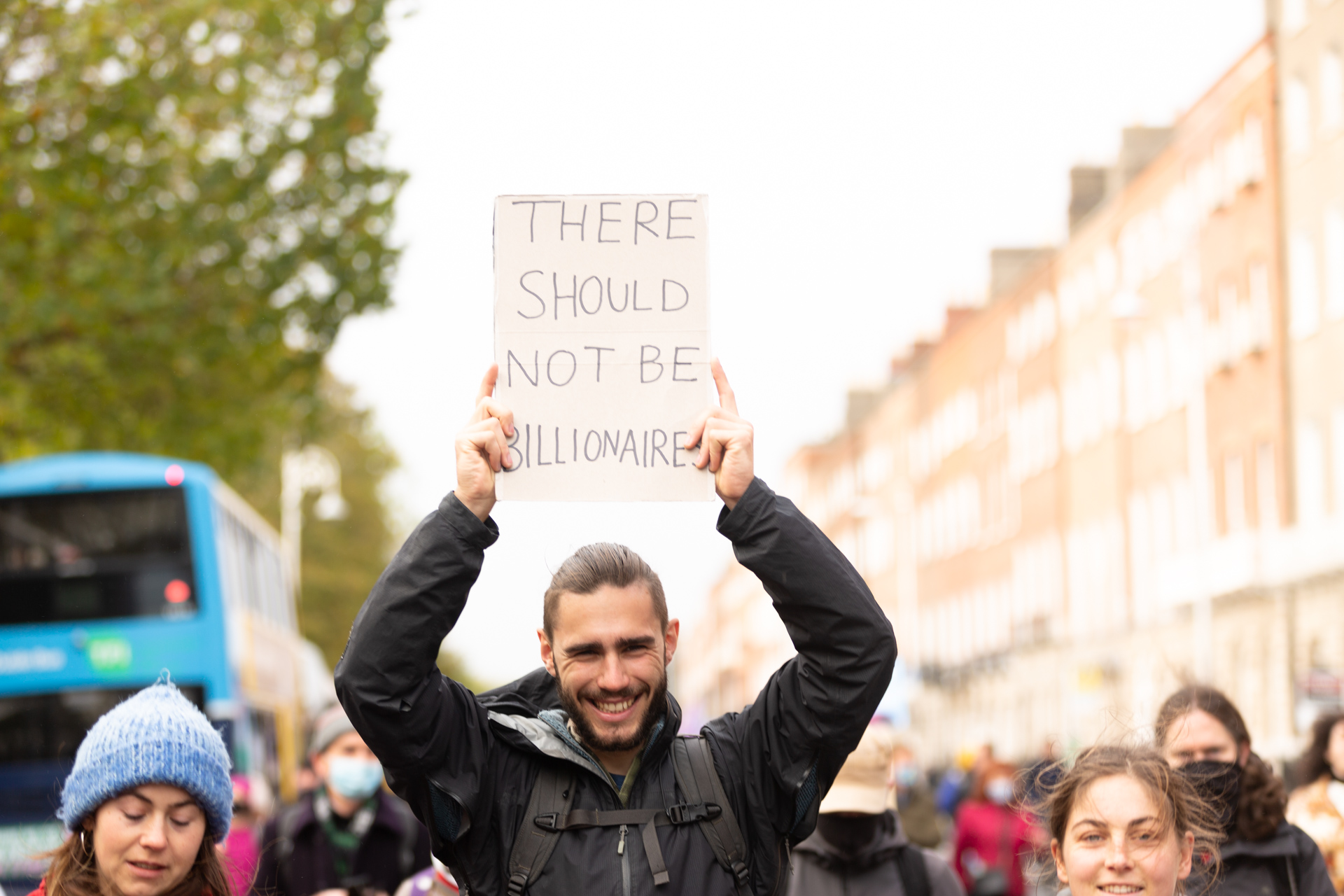
There Should not be Billionaires
March for Climate Justice
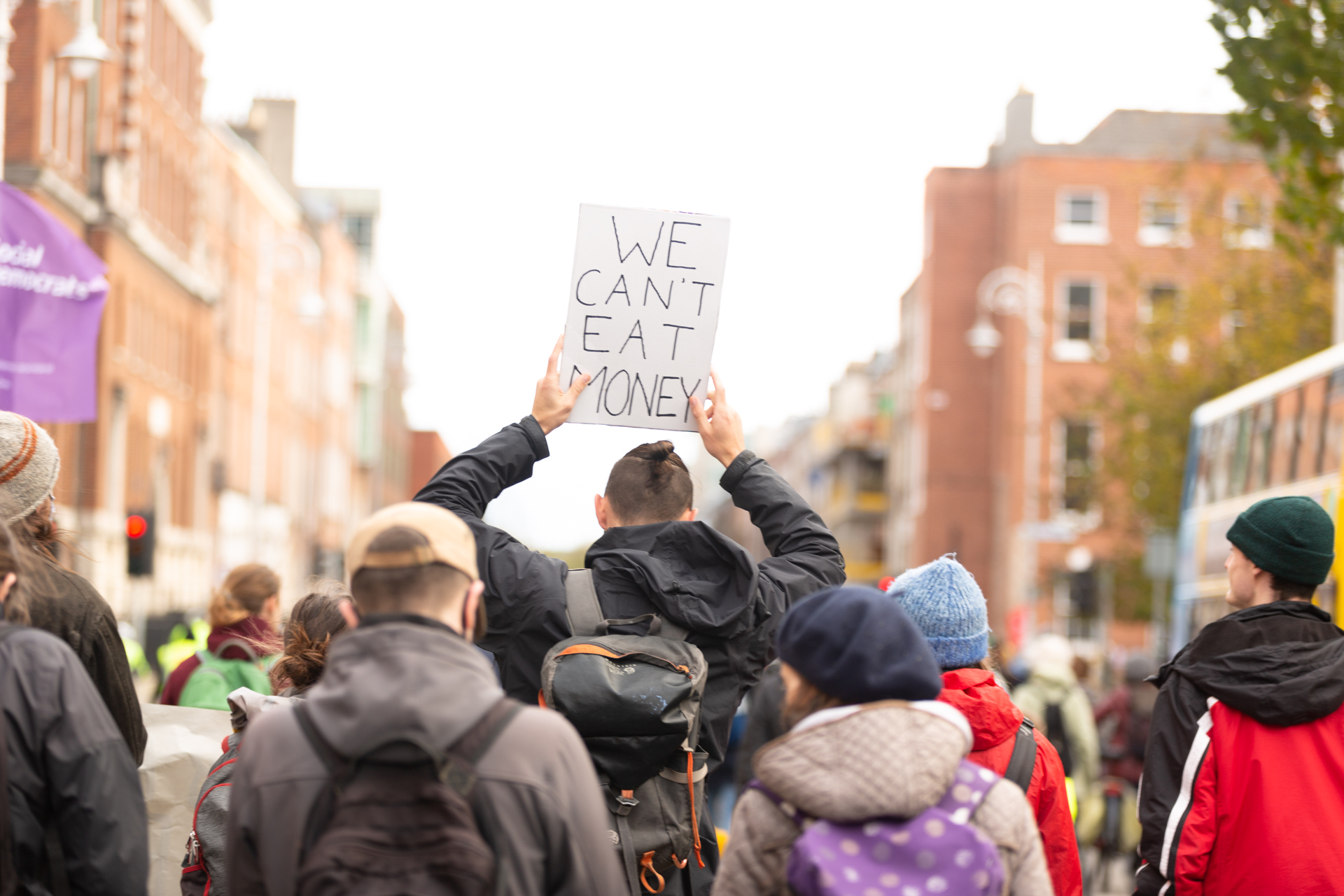
We Can’t Eat Money
March for Climate Justice
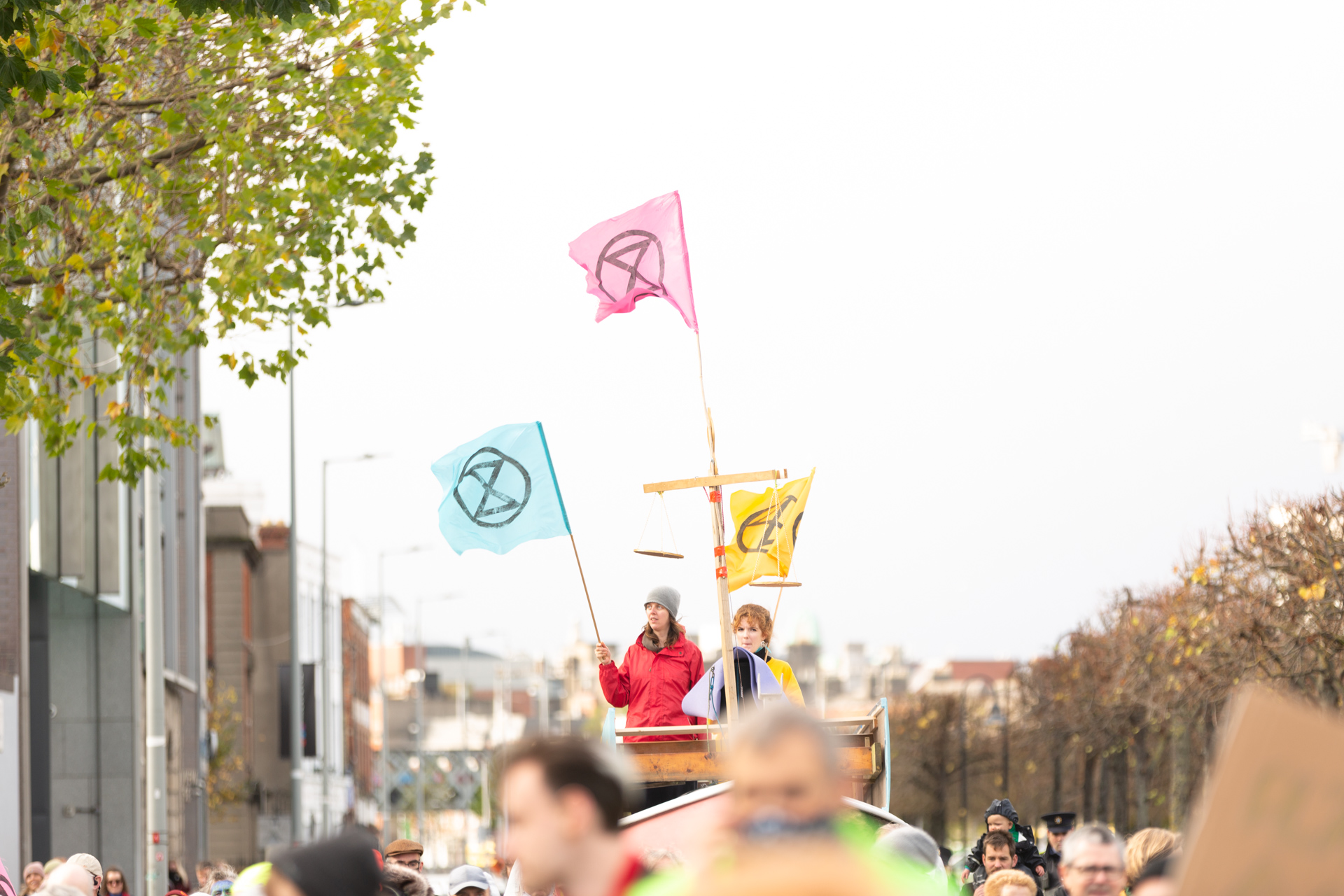
Extinction Rebellion Flags
March for Climate Justice
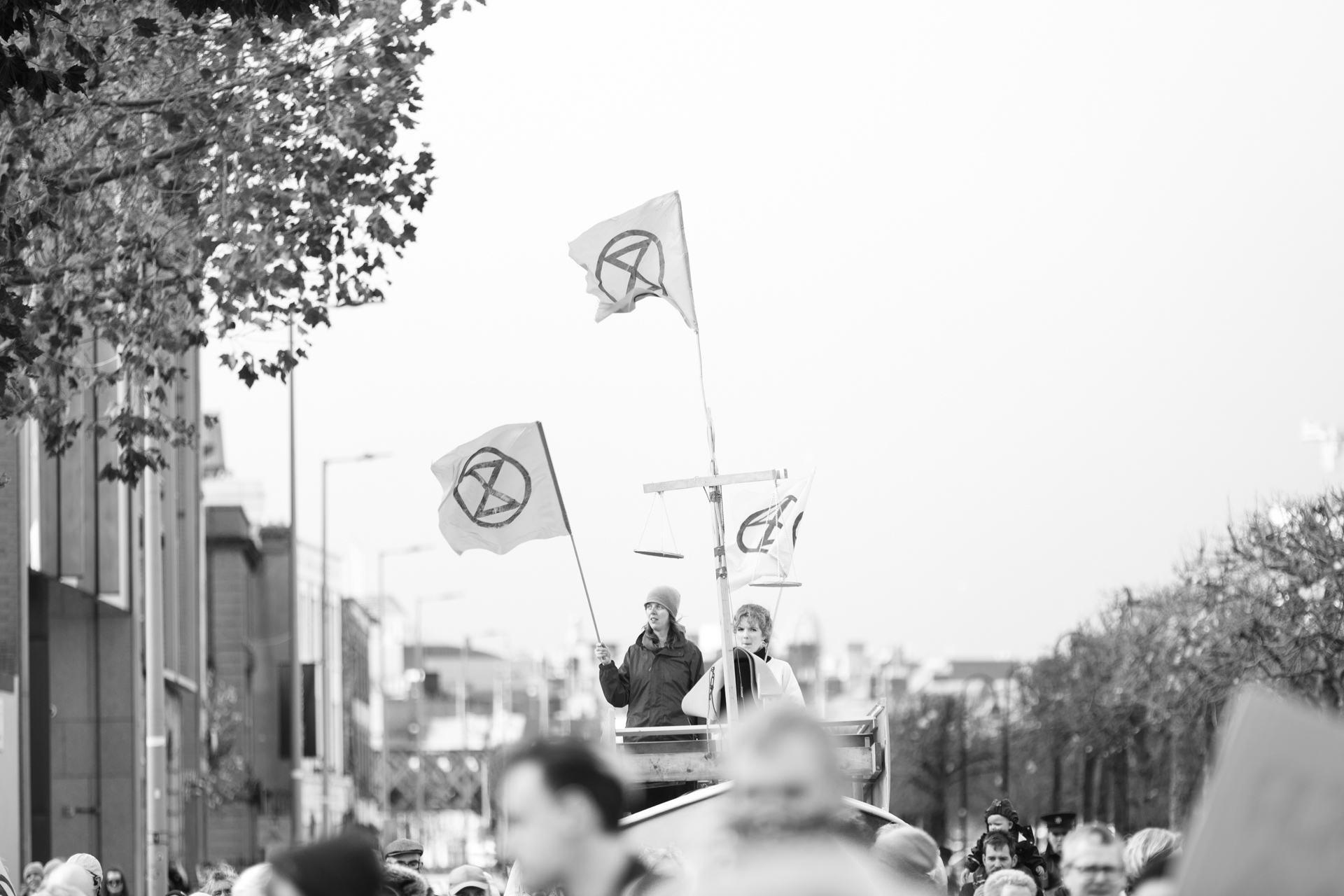
Extinction Rebellion flags (black and white)
March for Climate Justice
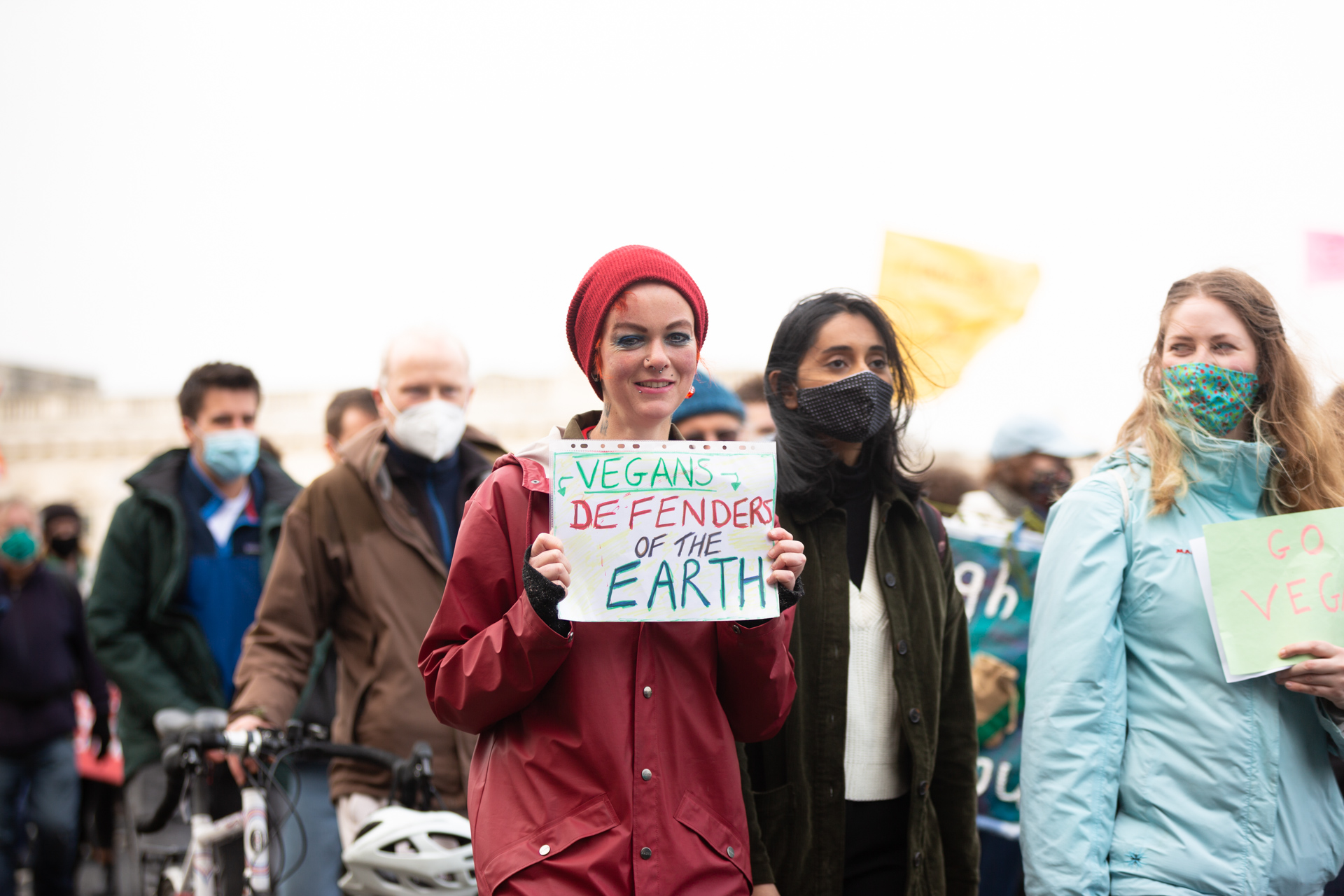
Vegans: Defenders of the Earth
March for Climate Justice
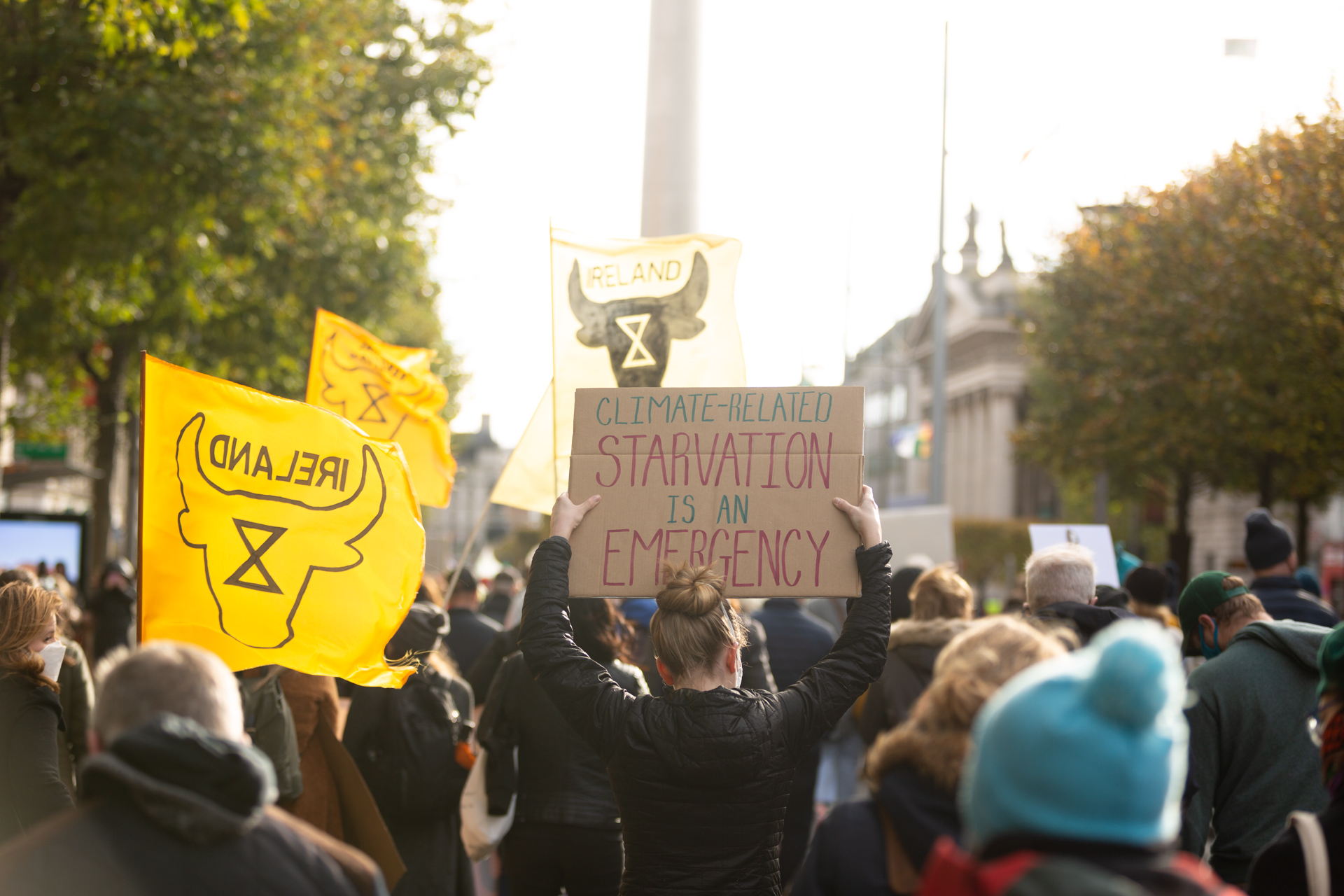
Climate-Related Starvation is an Emergency
March for Climate Justice
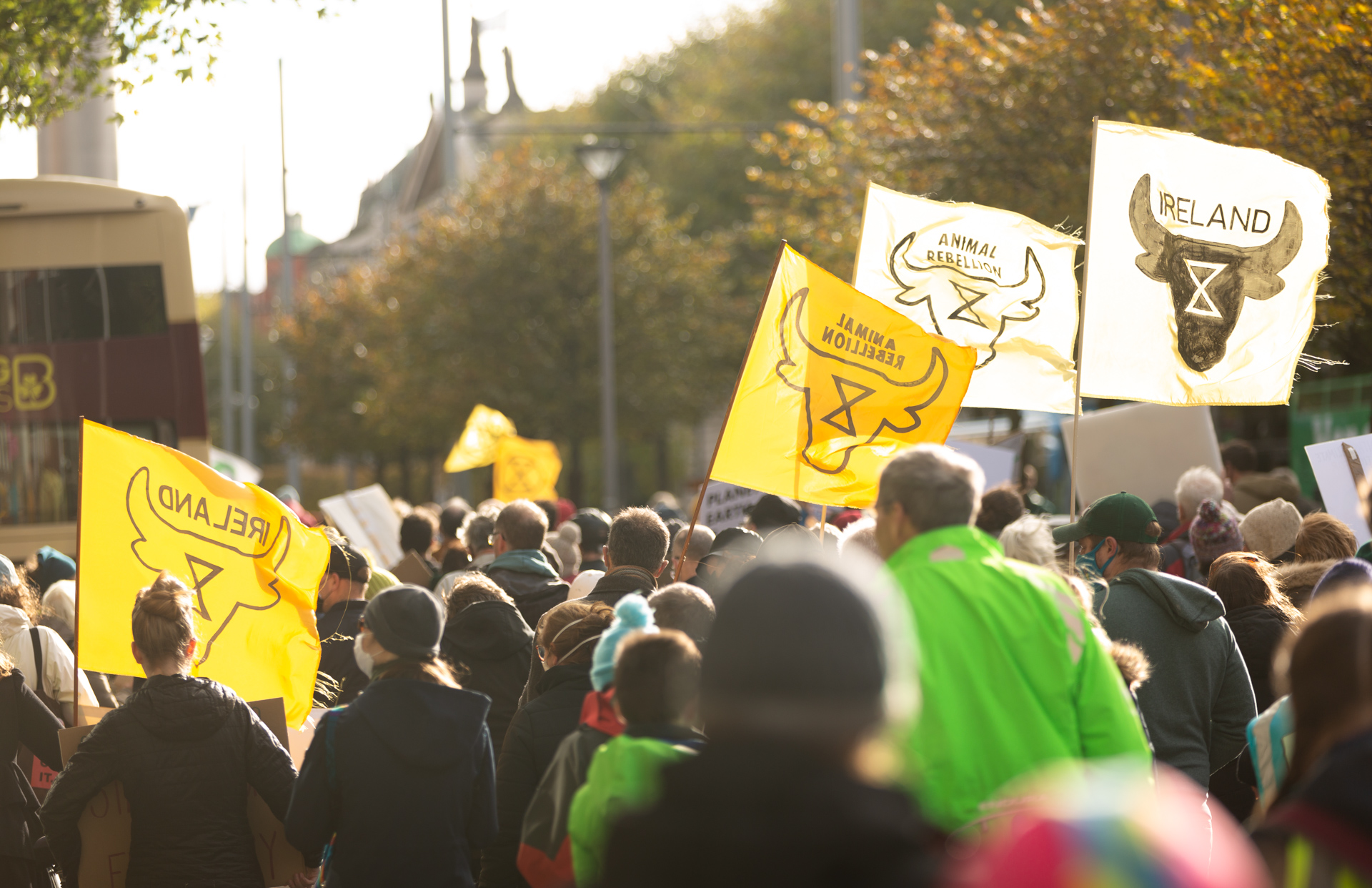
Animal Rebellion flags, March for Climate Justice, Dublin

March for Climate Justice

March for Climate Justice
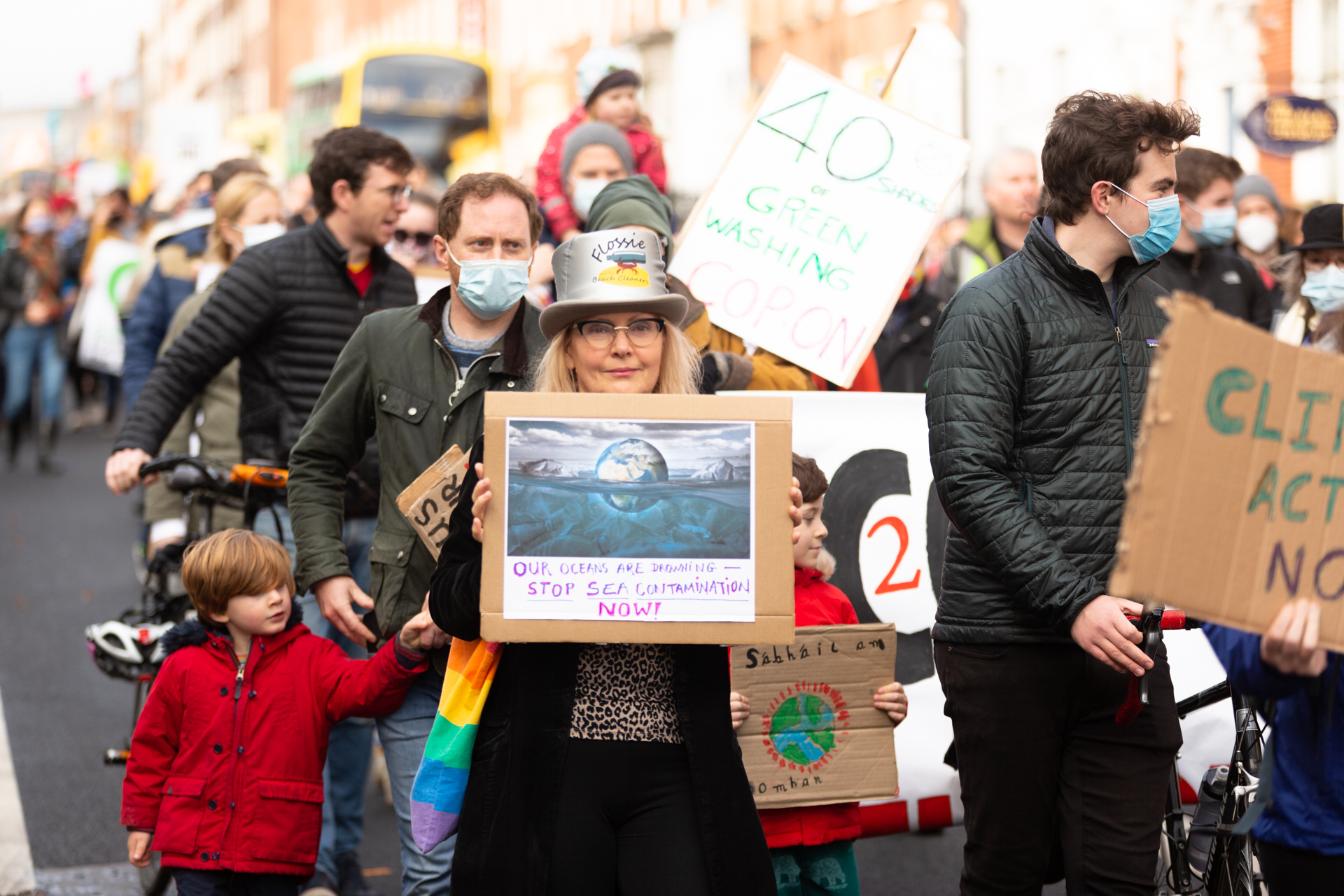
Our Oceans are Drowning – Stop Sea Contamination Now!
March for Climate Justice
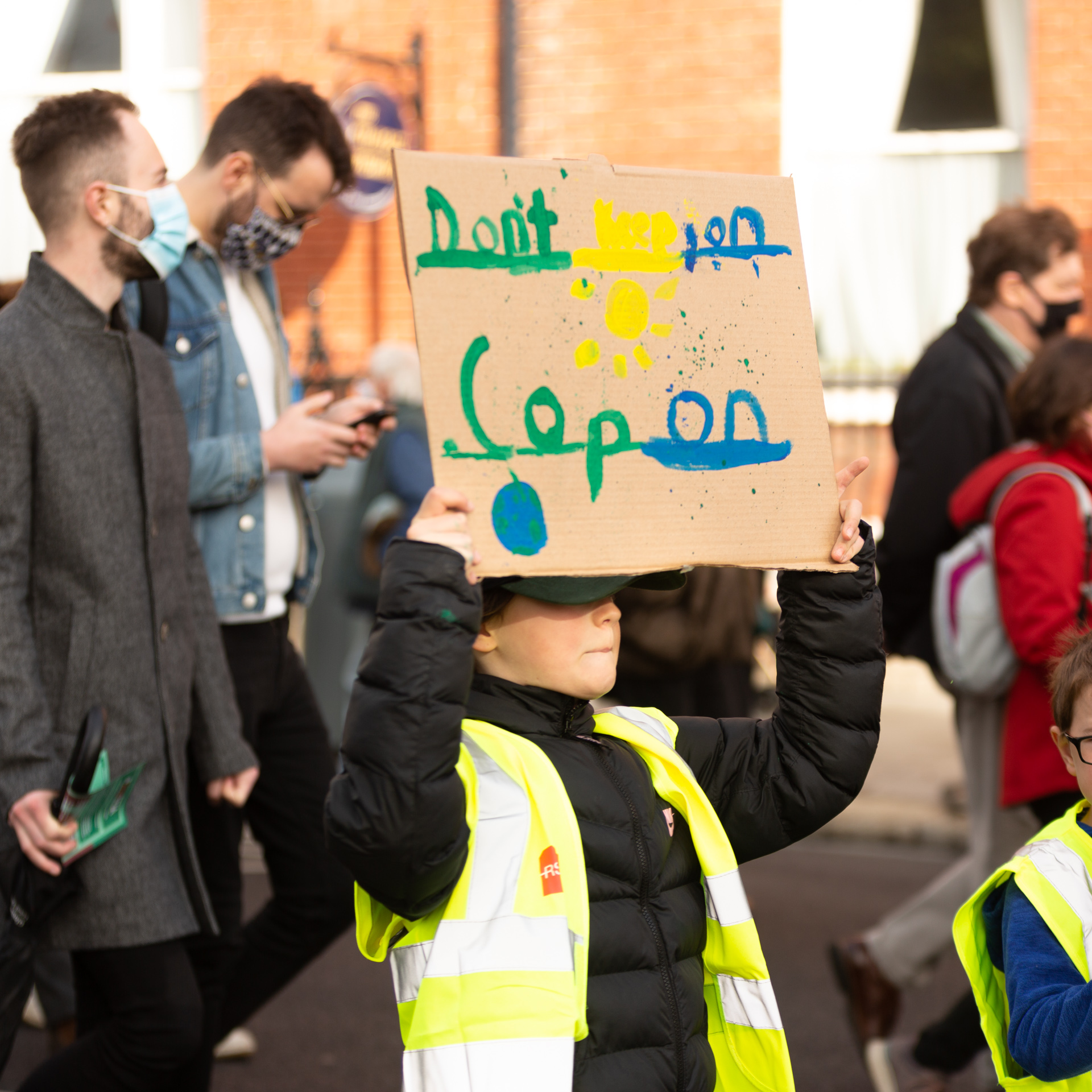
Don’t Keep On, Cop On
March for Climate Justice
It’s My Future!
March for Climate Justice
Extinction Rebellion Flags Parnell Square Dublin
March for Climate Justice
Stop Burning Stuff!
March for Climate Justice
Make Earth Cool Again
March for Climate Justice
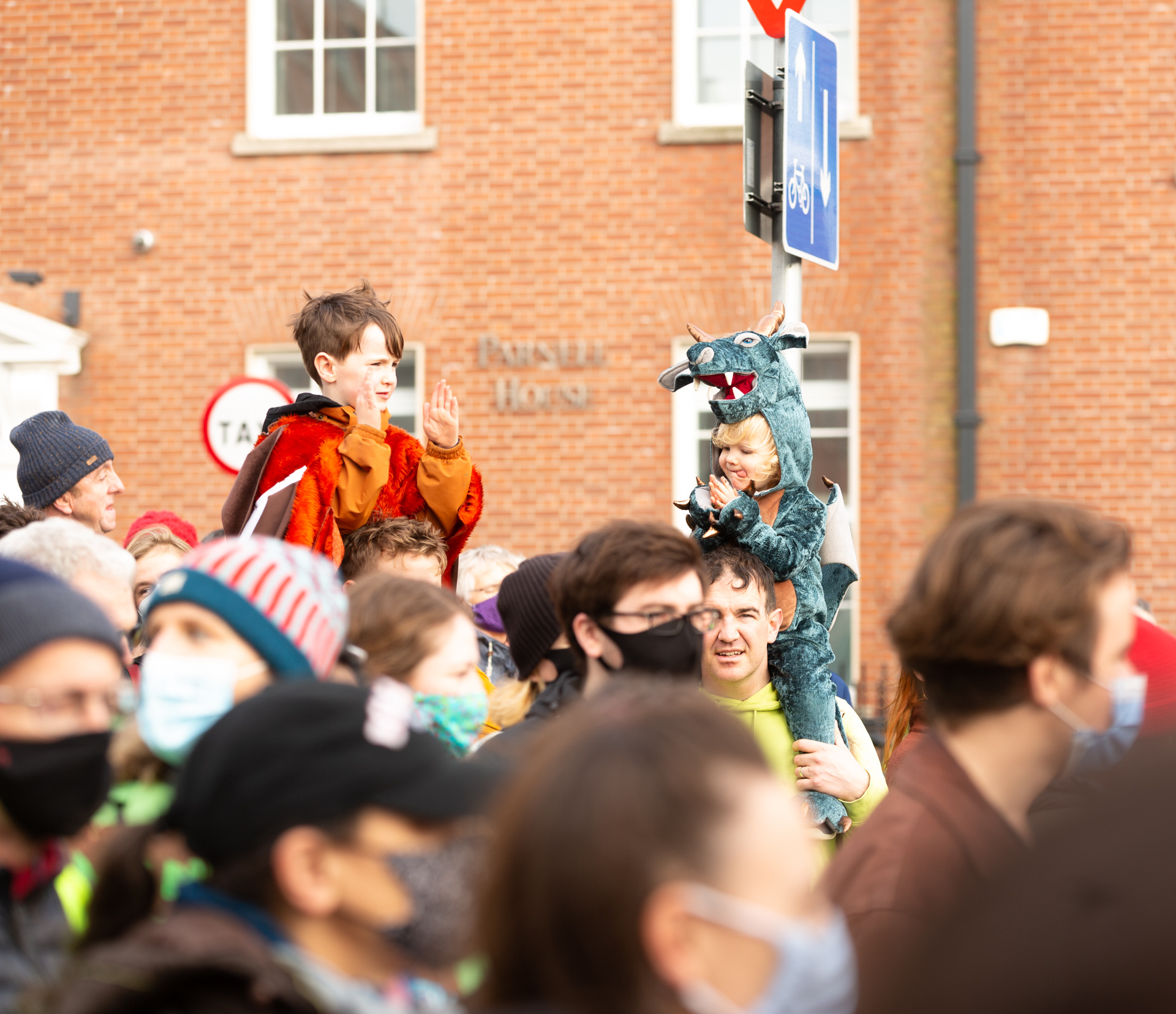
St George and Dragon, March for Climate Justice
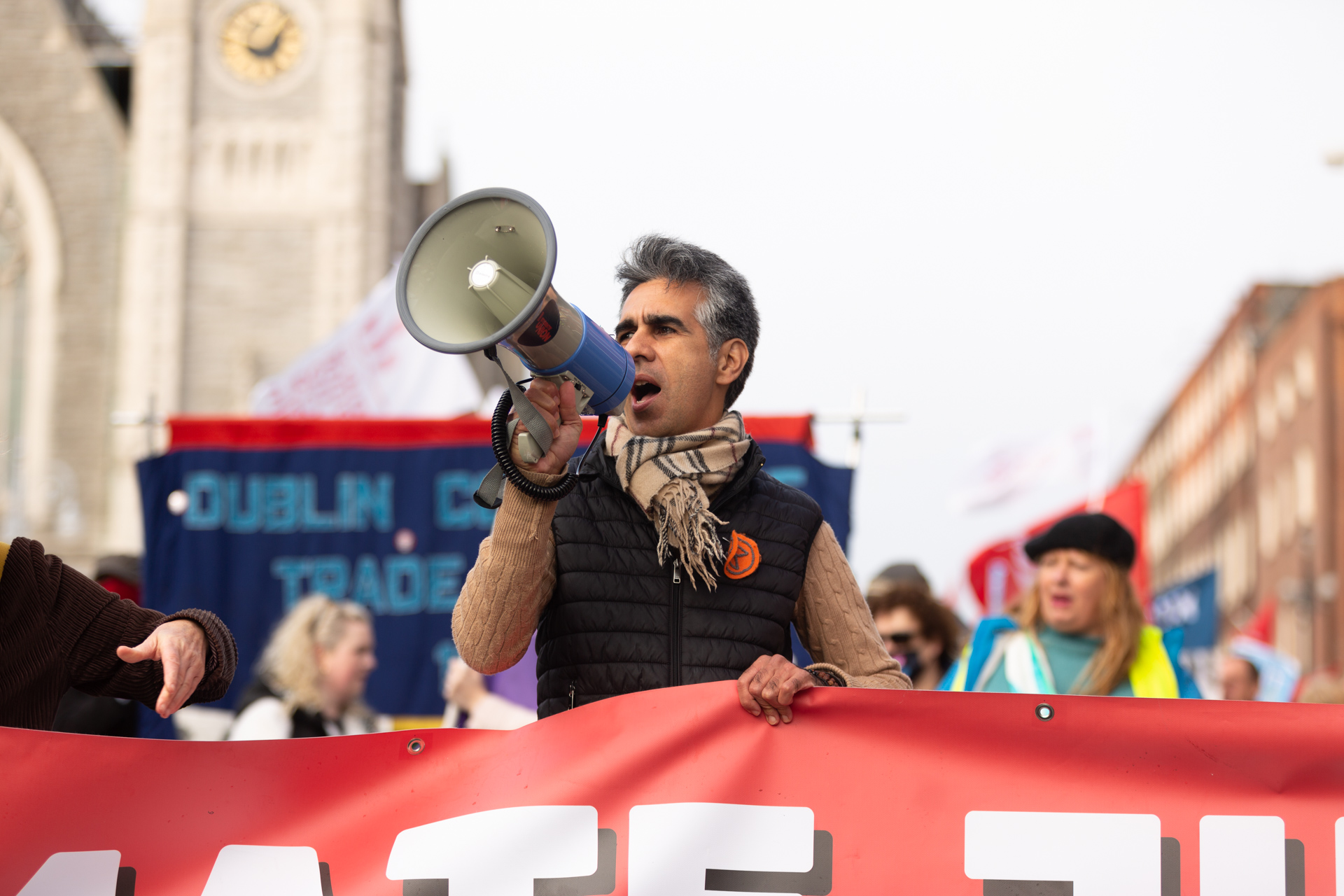
Megaphone, March for Climate Justice

These images are copyright Karl Leonard and not for reuse without contacting Independent Left first.

Why we are against Climate Geo-engineering.

Filed Under: Protests Ireland

Irish writers show solidarity with jailed Indian poet Varavara Rao

19/07/2020 by Ciarán O'Rourke 5 Comments

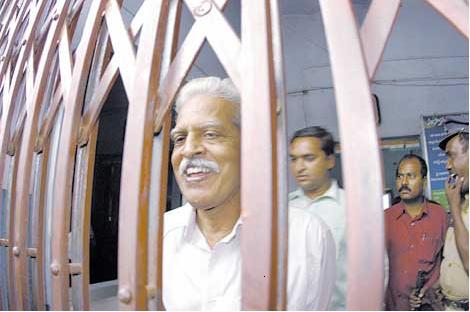
A smiling poet, Marxist and Telangana activist Varavara Rao looks out from behind shutters. Rao has been arrested multiple times by the Indian state but his most recent imprisonment has led to his contracting COVID19.
Poet, Marxist and Telangana activist Varavara Rao pictured behind bars in 2006. Rao has been arrested multiple times by the Indian state but his most recent imprisonment has led to his contracting COVID19.

The Indian poet Varavara Rao was arrested and jailed in the aftermath of a violent protest at Bhima Koregan on 1 January 2018. Alongside ten other defendants, Varavara Rao denies all the charges raised against him. The elderly poet contracted COVID-19 while in prison and has been over two years in jail under appalling conditions without trial.

‘In India,’ Arundhati Roy wrote in 2002, ‘if you are a butcher or a genocidist who happens to be a politician, you have every reason to be optimistic.’ Roy was referring to Narendra Modi, then the head of the state of Gujarat, and now (proving Roy’s characteristic clarity of political perception prophetic) the national prime minister. Modi was implicated in the notorious 2002 Gujarat riots, in which at least 1,000 Muslims were killed.

Modi’s leadership of India since 2014 has realised on a new scale violent doctrines of Hindu nationalism and caste supremacy, alongside the corporate- and elite-oriented evisceration of the public sphere that Roy could discern in outline in the form of Modi the administrator and pogromist years ago. Modi is head of the Bharatiya Janata Party (BJP), the parliamentary wing of an extreme Hindu nationalist mass movement, the Rashtriya Swayamsevak Sangh (RSS), considered by historian Benjamin Zachariah to be ‘the longest running fascist organization in the world.’

Today in India, nine people own as much as the combined wealth of the bottom five hundred million; small farmers unable to survive in competition with agri-giants like Monsanto are killing themselves in their tens of thousands every year; eight million indigenous peoples currently face forced displacement from their lands and forests by order of the Supreme Court; Muslims are demonised by the State and targeted in street-level, paramilitary violence by Hindu nationalists; while Kashmir remains under increasingly trigger-happy military occupation. Capitalism in India (as elsewhere) is nourished and sustained by a combination of state-sanctioned terror, environmental and nationalist violence, and a versatile discourse (developed by the BJP) of toxic and divisive patriotism. And that was before the catastrophe of Covid-19 arrived, presenting the opportunity, as Naomi Klein has observed, for a ‘pandemic shock doctrine‘ to be implemented.

Modi’s reign has also witnessed the dogged persecution of artists and intellectuals considered to be enemies of the BJP programme. Eighty-one-year-old Marxist and Telugu-language poet, Varavara Rao, described by supporters as now suffering from ‘deteriorating’ health and acutely vulnerable to the Coronavirus, has been imprisoned without bail since 2018: ostensibly on the charge of conspiring to assassinate Modi himself, the embodiment (as ‘strongman’) of the Hindu nationalist state in all its free-market extremism and sectarian thuggery, its vitriol and paranoia. As is true of Kurdish and Palestinian artists incarcerated for the supposedly seditious content of their works by self-described democracies – Turkey and Israel, respectively – Rao is emblematic of an art that by its very existence speaks truth to power, and, like a human mirror, exposes the ugliness and brutality by which that power maintains itself in reality. He is a poet who refuses to cater to the self-glorifying, chauvinist fantasies of national destiny that the leaders of the Indian state concoct.

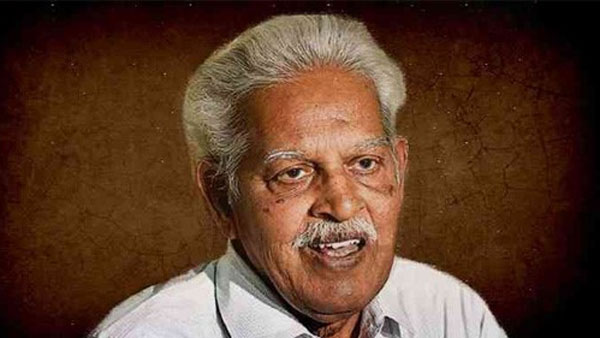
Varavara Rao pictured against a brown and amber wall. He is grey-haired, grey-moustached and is smiling, looking at someone to the right of the camera. Taken before his imprisonment in 2018, he is in good health.
Varavara Rao before imprisonment in 2018 under very harsh conditions has threatened his life.

Yelling against

The blood stained hands

Should be at the top of your voice

Rao declares in one of his most resonant poems, which goes on to suggest that the artist who can:

Come out with plain speak

That touches the heart

… will have paid some service to the human project. For Rao, crucially, this project is intrinsically revolutionary and emancipatory, as his own founding of Virasam – the Revolutionary Writers Association and his lifelong championing of the rights (as well as the languages and traditions) of indigenous and other minority populations evidences. Rao, in his poetry as in his politics, represents exactly that diversity and cultural openness, that outward-looking creativity and commitment to connection and understanding, that is the antithesis of the BJP (and other similar authoritarian, free-market and proto-fascist forces across the globe). Indeed, his poems and example may be seen as testament to, as alternative expressions of, the spirit of collective good and mutual aid that has been adopted in action by volunteers in the state of Kerala, who in cooperation with Communist and Leftist organisations have self-organised for the welfare and safety of their communities throughout the period of the pandemic. Rao’s work has always anticipated and affirmed the radical, human potential that the collective action of these volunteers has now made manifest.

In happier days (2006), Varavara Rao was at liberty to write and rally against injustice.

Likewise, in their own way the international campaigns in solidarity with Rao demonstrate the possibility that such values exist, and that such modes of collective organisation as those above may be replicated, in other communities and situations around the globe. Including here, in Ireland, where the current centre-right coalition government has already indicated its disdain for the security and rights of low-wage, essential workers, hinting at the further defunding of the public (including culture, Irish-language, and heritage) sphere. The leader of the Irish Green Party sleeps, while the increasingly visible racism, fascism, and homophobia of the grassroots far-right threatens to normalise the idea of bigoted whiteness as the mark of ‘Irish’ identity. Against such developments, communities on the ground, artists among them, should be unafraid of learning from Rao’s work and “Yelling […] at the top of your voice” for inclusivity, mutuality, and radical democracy as the basis of our life in common.

The biography of Varavara Rao

For a full account of the life, poetry and activism of Varavara Rao, please read The Making of Varvara Rao by his nephew, N. Venugopal.

Gabriel Rosenstock speaks out on behalf of Varavara Rao

Such themes also animate Gabriel Rosenstock’s dual-language poem of support for Rao.

Gabriel Rosenstock has collaborated with artist Masood Hussain to create poem-videos in solidarity with Varavara Rao.
Flowers for Varavara Rao, Bláthanna do Varavara Rao by Gabriel Rosenstock
The Isle of Light (for Varavara Rao) Inis an tSolais (do Varavara Rao) by Gabriel Rosenstock

LITIR CHUN NA hINDIA

(An file Teileagúise Varavara Rao i bpríosún)

A India!

An mbíonn meangadh ar bhéal an bhandé Saraswati

Nuair a chuireann tú do chuid filí i bpríosún

Speabhraídí orthu, buailte ag an gCóivid,

Ina suí i lochán fuail?

A India!

An sásta atá Saraswati?

       A Varavara Rao, seolaim chugat na briathra seo

       Is mé ag súil go lonróidís

        Ina ndeannach scaipthe

        A mbéarfaidh ga gréine orthu –

A India! An ligeann tú do sholas na camhaoire

Teacht isteach ina chillín gan cuardach a dhéanamh air

Nó solas na gealaí

Nó na réaltaí i gcéin?

A India!

Éagann meangadh beannaitheach Saraswati Ar a béal

LETTER TO INDIA

(On the imprisonment of Telugu-language poet Varavara Rao)

India!

Does the goddess Saraswati smile

When you imprison your poets

When, Covid-stricken, they hallucinate

Sitting in a puddle of urine?

India!

Is Saraswati pleased?

       Varavara Rao, I send you these words

       That they might glow

       Like scattered motes of dust

       Caught in fleeting sunshine –

Oh, India! Do you allow

The light of dawn to enter his cell without being searched

Or the light of the moon

Or distant stars?

India!

Saraswati’s beatific smile Is fading on her lips.

Gabriel Rosenstock is a poet, haikuist, tankaist and activist who works primarily in the Irish language. Curator of the Irish writers’ contribution to the Kerala Literature Festival 2018, where Ireland was the guest of honour, Gabriel has strong links to India’s community of writers, poets and activists.

He has put out this call to individuals, groups and schools:

It would be a consolation, indeed, if people took a few minutes today to write to him – whatever your walk of life. Send him a letter, a poem, a gift, a book – anything. If you know of any group –  a school, for instance – that would send him a ‘Get Well’ card, such a gesture would be very helpful as he is being held in conditions which have worsened his many ailments.

The address to write to is: P Varavara Rao, Under-Trial prisoner, MB-238, Cell No. 2, Circle No. HP-I, Taloja Centra Prison, Kharghar, Navi Mumbai, Maharashtra, India – 410210.

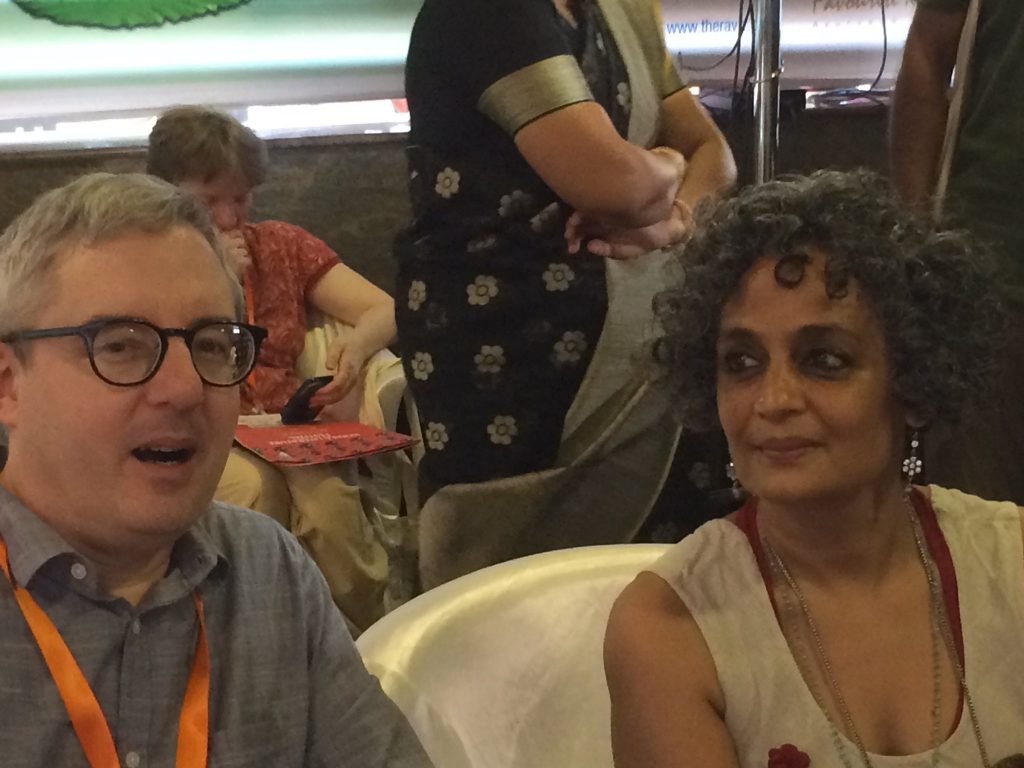
Conor Kostick alongside Arundhati Roy at the Kerala Literature Festival 2018

One of the other Irish writers who participated at the Kerala Literature Festival in 2018 is Independent Left’s Conor Kostick. Conor is the Disputes Officer of the Irish Writers Union and raised the case of Varavara Rao at the executive as a clear example of state persecution against a poet, one that deserves a response from the whole community of Irish writers, both to condemn the treatment of Varavara Rao and to express solidarity with the embattled writer.

The Irish Writers Union joined with the Board of Scottish PEN, Wales PEN Cymru, PEN America, PEN Canada and others in signing an appeal for the urgent release of Varavara Rao.

Pen International and Varavara Rao

Pen International’s writers in prison committee has been active on Varavara Rao’s case. 

They plan to publish Gabriel Rosenstock’s poem Letter to India, which has also been translated into Greek.

ΕΠΙΣΤΟΛΗ ΣΤΗΝ ΙΝΔΙΑ

(Για τη φυλάκιση του ποιητή της γλώσσας

Τέλουγκου, Βάραβάρα Ράο)

Ινδία!

Χαμογελά η θεά Σαράσβατι

Όταν φυλακίζεις τους ποιητές σου

Όταν, γεμάτοι Covid, έχουν παραισθήσεις

Καθισμένοι σε μια λίμνη από ούρα;

Ινδία!

Είναι η Σαράσβατι ευχαριστημένη;

Βάραβάρα Ράο, σου στέλνω αυτές τις λέξεις

που μπορεί να λάμψουν

σαν σκόρπιοι κόκκοι άμμου

στο φευγαλέo φως του ήλιου –

Ω, Ινδία! Aφήνεις

Το φως της αυγής να μπει στο κελί του χωρίς να

ελεγχθεί

Ή το φως της σελήνης

Ή τα μακρινά άστρα;

Ινδία!

Το μακάριο χαμόγελο της Σαράσβατι

Σβήνει στα χείλη της.

(Greek version: Sarah Thilykou)

Sarah Thilykou is a poet, editor and translator from Thessaloniki, Greece.

Filed Under: All Posts, Protests Ireland

Pulling down Statues in Ireland

01/07/2020 by admin 1 Comment

By Shane McNally

On 7 June 2020 the statue of Edward Colston in Bristol was toppled and then thrown in the harbour by Black Lives Matter Protestors

Black Lives Matter.

A call for something so simple such as the basic right to live should not need to be the cry of a movement in the twenty-first century, but it is. Black lives are treated as lesser lives: from the ingrained racism of individuals frothing at the mouth to insist ‘all lives matter’, to state sanctioned violence that kneels on the neck of the black body. Black lives are paid less, provided with less opportunity, are jailed more and die in greater numbers through austerity and marginalisation. The struggle of BLM is one of class and identity, the latter under assault by the multifaceted culture war that is contemporary identity politics. The former is attacked by the right in their targeting of class consciousness and solidarity on every front that is opened up.

The latest being statues.

Should Statues Be Pulled Down?

‘We view the past, and achieve our understanding of the past, only through the eyes of the present.’ Socialist historian, E.H. Carr.

Statues resonate as symbols of power and that which must be eulogised: what and who must be ingrained in memory. The function of statues is not just to remember a name but an action. And as statues have typically been raised by people who are carrying out their own acts of exploitation and injustice, they often obscure the past while preserving power structures in the present. The toppling of the Edward Colston Statue into the very harbour slave ships docked was an act of symbolism as much as one of anger. Colston was heavily involved in the slave trade, but the Victorian elite of Bristol who erected the statue in 1895 chose to hide this in favour of emphasising his philanthropy later in life. Nothing was mentioned of tens of thousands of slaves who died before they even reached American shores. The British Empire at this point in the late nineteenth century was reaching its apogee. The raising of such statues does not happen outside of history, but is inherently part of constructing the past.

As Ash Sarkar said on Novara’s #TyskySour, ‘statues don’t go up by accident’, they need to be maintained’ and in doing so they have a symbolic importance as well as a narrative.

Ash Sarkar tweet soon after the Colston statue was toppled in Bristol, 7 June 2020. @AyoCaesar 8.20pm: Chucking that statue in the harbour has educated more Brits on the history of the slave trade in this country than leaving it up for 150 odd years did. Can't argue with the end of season stats bro.
Ash Sarkar tweet soon after the Colston statue was toppled in Bristol, 7 June 2020.

‘Rhodes Must Fall’ was a campaign decades in the making, directed at another colonialist who had been elevated in the present. Cecil Rhodes was the individual whom Rhodesia was named after. He was ingrained into the fabric of colonial history and venerated in the centres of empires. The Rhodes Scholarship is one the most esteemed international scholarships. His name is embedded in the educational hierarchy. His statue and the scholarship carried out in his name, however, are attached to a man who believed in the greatness of the British Empire. Rhodes was a colonist and a racist who believed, ‘we are the first race in the world’.

High above the entrance to the Rhodes Building, Oriel College Cambridge is a statue to Cecil Rhodes. The image shows Rhodes in white stone against a yellow stone building with four lead-lined rectangular windows either side of him.
High above the entrance to the Rhodes Building,
Oriel College Cambridge is a statue to Cecil Rhodes.

It has taken decades for Rhodes to fall, but now as a result of protests stemming from the killing of George Floyd, Oriel College, Cambridge will decide by the end of this year the fate of the statue, crucially in consultation with the ‘Rhodes Must Fall’ group. Yet there are powerful figures on the opposite side. As recently as 2016, there were warnings from donors to Oriel College that if the statue was removed, up to £100 million in funding would be withdrawn. The rallying cry of these millionaires is that, ‘they are attempting to re-write history’. The contrary is true, the presence of Rhodes’ statue is a continual re-writing of history; it is a symbol of a patriarchal figure who bestows a prestigious scholarship on a select few, obfuscating the source of his wealth: extraction through colonialism.

As of 2013 at Rhodes University in South Africa, ‘83 percent of senior management staff remain white and 77 percent of “professionally qualified staff,” a category that includes academic teaching staff, are white.’ This is where the Rhodes Must Fall movement began, in an institution to this day that is hierarchically white. Rhodes’ message of ‘the first race’ in the world is perpetuated through social elites in the very lands stolen by the British Empire. The presence of his statue remaining legitimises this, as it silently articulates the message that we must look up to him and remember him as benevolent and a man to be deferred to. His statue is a symbol of oppression that continues to colonise the mind as well as placing the figure of Rhodes centre stage in some the most prestigious universities in the world.

Why is the Seán Russell statue, Dublin, being targeted?

Closer to home the ‘statue debate’ has opened up some new (old fronts) from bad faith actors. One such is the controversial statue of Seán Russell, a statue whose presence has been much debated in the past and which has a history of being defaced. The character of Russell is a complicated one: a revolutionary of 1916 who took charge of the IRA in the thirties; a decade that saw the rise of the Blue Shirts, a Conservative Catholic state, and a renewed violent push from the IRA. Russell sought assistance from both the Soviets and the Nazis in the thirties and died on a Nazi U-Boat returning from Germany. It is widely noted that Russell was a military man first and foremost and focused on Irish liberation. Historians agree on this. Russell was emblematic of an aspect of Ireland in the thirties and his statue that has always been a conduit for contemporary political narrative. The latest being Sinn Féin bashing from Fine Gael councillors. A new old story.

Bronze statue of Seán Russell, Fairview Park, Dublin. Russell is in a long coat and holding a hat in his left hand. He is on a plinth, facing to the viewer's right. Green trees fill the background.
Bronze statue of Seán Russell, Fairview Park, Dublin

‘Russell’s statue has been over the decades since its unveiling, been targeted by both the left and the right, being accused of both communism and fascism.’ A quote from the National Graves Association representative sums up this contested history concisely:

In recent years, there have been repeated attempts by some, in both, the Irish Media and establishment, to further this image of Seán Russell as a fascist. This is in fact a good example of revisionism at work. To criticise Russell as a Republican is fair enough if that’s one’s viewpoint. But false character assassination is entirely a different matter. That is both politically and historically, dishonest, immoral and underhanded. This is particularly the case when it comes from members of political groups with far, far closer historical links to Ireland’s fascists than any of Seán Russell’s comrades.

There is a debate to be had about statues in Ireland as a whole, but the controversy over the Russell statue is awash with bad faith arguments by Fine Gael to break up the front that has opened up with the international movement against symbols of racism and oppression. This only serves to dilute the reason for the questions being asked: statues are being torn down to put history to right, for restitution, for justice. A lot of the answers to these questions will not be binary, but complicated, such as statues of individuals involved in the founding of the state.

State Racism in Ireland is evident in Direct Provision

Ireland has statues and areas named after colonial oppressors; a bloody and messy foundation to the state that is rarely, if ever, brought up unless it is to muddy a contemporary political argument. What is also lost in all of this is that we actively oppress people who have migrated to this state on a daily basis through Direct Provision. Direct Provision is how we mistreat people who are migrants and those seeking asylum in contemporary Ireland. We don’t have statues of Colston, but corporate symbols.

History is certainly not binary and there are problematic individuals whose legacy liberals will often defend, using phrases about context and different times. That doesn’t answer why they need to be immortalized in prestigious institutions and centres of towns. What does begin to answer why these statutes take centre stage is that there are public spaces dominated by some of the most horrific tyrants in history. Figures such as King Leopold II, responsible for millions of deaths in the Belgian Congo in the most brutal and comprehensive extraction of resources, who has memorials and statues all over today’s Belgium. The current Black Lives Matter protests have spread and are turning the tide and Leopold’s statues being torn down. Every statue torn down or questioned is a strike against the layers of injustice that are present in everyday life, from tyrant to state-revered slave owner.

No statues of tyrants should be anywhere near public spaces. Tear down spaces and symbols of oppression and create spaces for all of the stories and lives that have been obliterated in the name of empire and capital. They offer nothing other than the legitimisation of past and current oppression. The function they serve is not for historical purposes, but for the retention of hierarchy and class division.

The most honest and justified action was dumping Colston in the river. That was making history and restoring narrative power to the oppressed. True solidarity with this movement in Ireland would be to pull down our own racist institutions. Statues are focal points of contested history, an ongoing battle in the class war.

Filed Under: All Posts, Protests Ireland

  • Page 1
  • Page 2
  • Go to Next Page »

Copyright © 2024 · Aspire Pro on Genesis Framework · WordPress · Log in